
Why Investors Need to Match Values with Their Investments

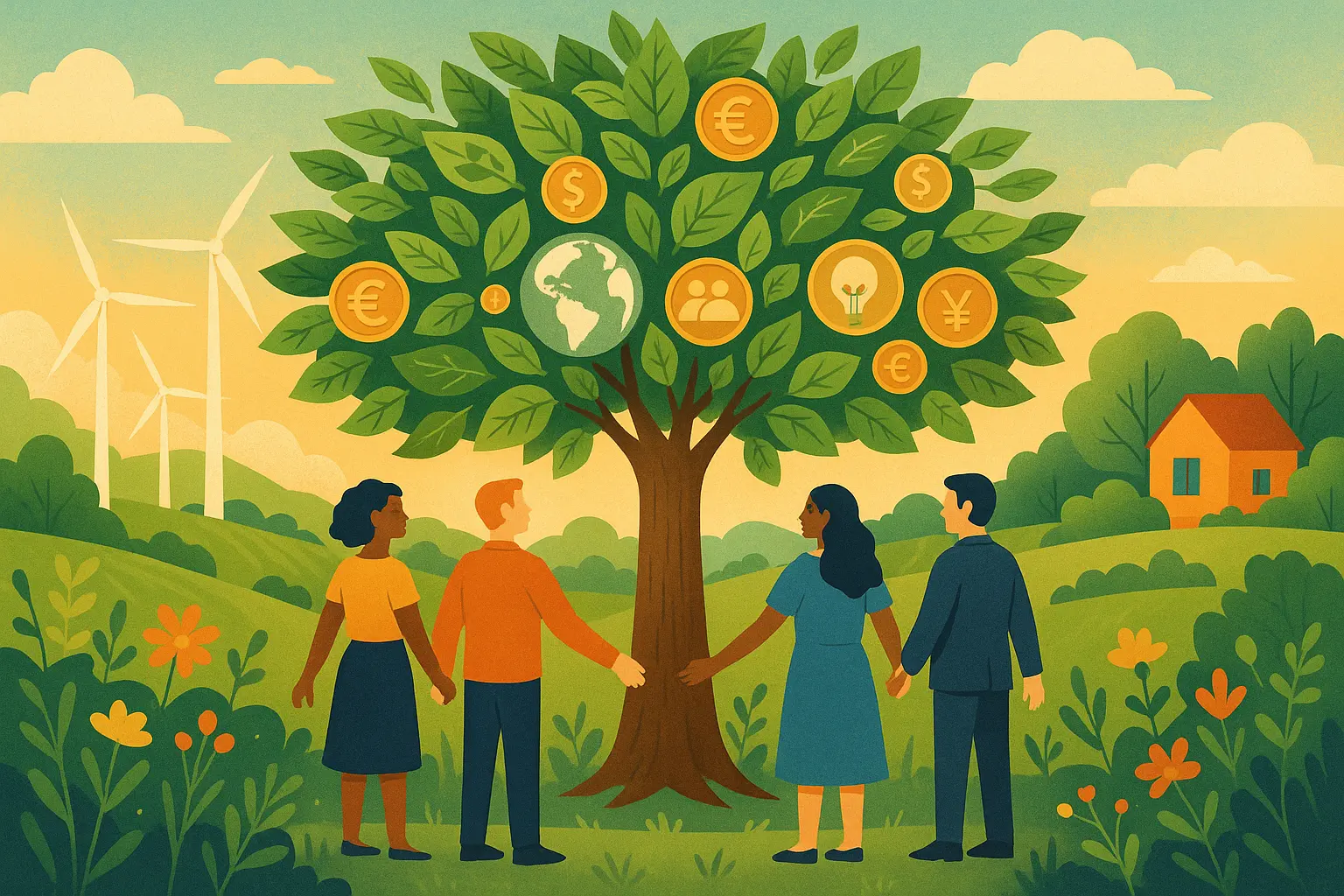
Investing isn’t only about numbers and seeing your money grow. More and more people are asking if their investments reflect what they stand for—whether that’s caring for the environment, supporting fair labor, or backing diversity. In fact, over 85% of individual investors expressed interest in sustainable investing in a recent Morgan Stanley survey. That number shows how widely values-based investing is catching on.
But why does matching your investments with your values really matter? Beyond peace of mind, it can shape your impact on the world—and, sometimes, your returns too. This article explores what values-based investing is, why it’s gaining momentum, and how you can start making investment choices that feel true to you.
What Does It Mean to Match Values as an Investor?
Defining Values-Based Investing
Matching values as an investor means putting your money behind companies and projects that reflect what matters most to you. Instead of chasing returns at any cost, you consider the impact your investments have on the world and whether they align with your personal beliefs. Values-based investing goes beyond screening out harmful industries; it’s about actively seeking opportunities that resonate with your principles—whether that’s protecting the environment, promoting fair treatment of workers, or encouraging innovation in sustainable technologies.
Examples of Personal and Societal Values
Values vary widely from one investor to another. For some, prioritizing environmental stewardship means avoiding fossil-fuel companies and supporting clean energy solutions. Others may focus on social justice, favoring businesses that advance diversity or uphold strong labor rights. Still others might want to invest in firms that champion transparency, corporate governance, or local community development. On a broader scale, societal values—like combating climate change, improving access to healthcare, or fostering economic equality—often serve as guiding lights for those wanting their portfolio to reflect more than just financial ambition.
Understanding what it means to match your values with your investments is the first step toward a portfolio that truly represents who you are. But why does this alignment matter so much in today’s market? Let’s explore the real impact of values-driven investing and how it shapes both financial results and the world around us.
Why Values Alignment Matters in Today’s Investment Landscape
Impact on Performance and Long-Term Returns
Investors today aren’t just seeking financial returns—they’re looking to build portfolios that reflect what matters most to them. Studies now show that companies with strong commitments to ethical practices, environmental stewardship, and social responsibility often demonstrate resilience and better risk management. These factors can lead to outperformance over time, as firms focused on more than the immediate bottom line tend to adapt better to regulatory changes and shifting consumer preferences. Choosing investments that align with personal principles can support not only a clear conscience, but also smarter, more sustainable wealth creation.
Social and Environmental Outcomes
Every investment is an expression of support for certain business practices. When investors deliberately back companies that respect human rights, steward natural resources, and foster inclusive workplaces, they help set higher standards across entire industries. This ripple effect can influence how companies operate, nudging them toward greater accountability and innovation. Investments aligned with personal values thus become a catalyst for positive change—a way for individual capital to shape healthier communities and a more balanced planet.
Understanding why this alignment matters is just the beginning. The next step is to explore how you can pinpoint your own principles and use them to guide smarter, more meaningful investment choices.
How Investors Can Identify Their Core Values
Self-Reflection and Questionnaires
Finding your investment compass starts with honest self-examination. Take time to ask yourself what truly matters—beyond wealth. Do you care about protecting the environment, supporting community businesses, or fostering innovation? Writing down your answers uncovers patterns and helps eliminate outside noise.
Structured questionnaires and values assessments can help sharpen your focus. These tools often present thought-provoking scenarios—such as choosing between a high-return company with questionable labor practices and a lower-yield option with strong ethics. Your gut reactions and choices reveal where your genuine priorities lie.
Influence of Cultural, Social, and Ethical Factors
No one forms values in a vacuum. Cultural traditions, family conversations, and influential mentors all contribute to the principles you hold dear. The causes you’ve championed, the communities you feel at home in, and the issues that provoke a strong response are signposts worth noting.
Acknowledging these influences sharpens your investment lens. For some, faith informs financial decisions; for others, it’s a sense of duty to future generations. By mapping these sources, you develop a confident sense of what you want your investments to reflect.
Once you’ve uncovered your values, transforming those principles into tangible investment choices is the logical next step. That journey begins with practical tools that help translate conviction into action.
Practical Steps to Align Investments with Personal Values
Screening Investment Opportunities
Start by filtering potential investments according to your top priorities. For instance, if you strongly support renewable energy, rule out companies with heavy involvement in fossil fuels. Many investment platforms now allow you to filter companies, funds, or ETFs by categories such as environmental responsibility, human rights, or even specific business practices like animal welfare. By narrowing down your universe of options, you avoid compromising from the outset and set the stage for meaningful alignment.

Visualize your screening process: it’s less about creating barriers and more about crafting a portfolio that mirrors your convictions. A simple list of non-negotiables can turn a sprawling market into a focused selection tailored to your ethics and goals.
Utilizing ESG and Impact Investing Tools
Tools that rate companies on their environmental, social, and governance (ESG) performance have become increasingly reliable. These ratings can uncover strengths and weaknesses companies might otherwise gloss over. Impact investing platforms add another layer by measuring a company’s tangible effects on society and the environment. Many brokerage accounts and robo-advisors now include built-in ESG filters so you can set your preferences and let technology do the sorting. The key is to use these tools actively—don’t just accept the default “green labels,” but instead dig into the ratings or project documentation to see if the data supports your own standards.
Due Diligence and Ongoing Review
Alignment with your values isn’t just a one-time checkbox. Once you’ve made investment choices, revisit them regularly. Company practices and global standards evolve: a leader in sustainability today might backslide tomorrow, or a new regulation could shift industry benchmarks. Staying connected to your investments means reading annual impact reports, tracking news stories, or setting up alerts for changes in a company’s ESG status. Think of it as tending a garden—periodic attention keeps your portfolio healthy and true to your beliefs.
By integrating these steps, you move beyond intention and start building a portfolio that carries the imprint of your unique principles. Next, let’s examine the practical obstacles and tough decisions that can arise on this path, so you’re ready to navigate the complexities as your values and the market inevitably intersect.
Thank you for reading EasyVC’s blog!
Are you looking for investors for your startup?
Try EasyVC for free and automate your investor outreach through portfolio founders!
Challenges and Trade-Offs When Matching Values
Potential Conflicts and Grey Areas
The journey to investing with your values isn’t always crystal clear. Many companies operate across industries, with activities that can be both praiseworthy and problematic. For example, a tech firm might champion clean energy but also grapple with issues around data privacy. When a company sits in the middle ground, it can be hard to make a definitive decision about whether it truly fits your principles.
Some values also collide. Supporting local businesses may mean tolerating less transparency, while pushing for global sustainability might rule out investments in favorite neighborhood enterprises. The investment landscape is full of these tensions, and decisions rarely line up in neat columns of “good” or “bad.” Accepting that ambiguity is part of the process.
Navigating Financial Returns vs. Personal Ethics
Pursuing value-aligned investments sometimes means turning down high returns from sectors that don’t fit your ethics. For instance, fossil fuel companies or certain big tech firms might offer strong performance, but investing in them could feel at odds with eco-conscious beliefs or data ethics.
The temptation to compromise is real, especially if an investment promises major impact on your portfolio’s growth. It takes resolve—and often creativity—to find opportunities that satisfy both your financial goals and your values. Sometimes, this means settling for slower growth, or spending extra time uncovering lesser-known companies that meet your standards.
While these hurdles can seem daunting, they’re not roadblocks—they’re a chance to clarify priorities and discover new perspectives on what truly matters in your investment journey. In fact, many investors uncover meaningful insights when tackling these dilemmas, paving the way for the next steps in the alignment process.
Real-World Stories: Investors Who Aligned Their Portfolios
Sometimes, the best way to understand the benefits of values-based investing is by looking at the paths others have walked. Here are a few investors whose convictions shaped not only their portfolios but also their peace of mind.
Sophie Chen, a tech professional in Seattle, realized she was funding industries she disagreed with through her index funds. After combing through her holdings, Sophie shifted to an ESG-focused fund prioritizing renewable energy. She noted, “For the first time, I felt my money was supporting ideas I truly care about. Watching solar companies expand while knowing I had a small hand in it made investing personal.”
Community matters to John Wallace, a retired teacher in Vermont. Instead of picking large, impersonal stocks, John sought local investments—supporting a co-op-owned farm and green energy projects in his state. These choices didn’t just reflect John’s passion for community resilience; they also gave him a direct stake in his neighbors’ well-being. “My returns aren’t just on paper,” John said. “I see them on dinner plates and in people’s homes.”
Priya Rao, a second-generation immigrant and entrepreneur, wanted her wealth to mirror her values of equality and opportunity. She began investing in funds that supported minority-owned businesses and affordable housing initiatives. This not only diversified her portfolio but strengthened her sense of connection and agency. Priya shared, “I realized that investing isn’t only about accumulation—it’s about shaping the world you leave behind.”
These stories show that aligning investments with personal values is not theoretical—it’s practical, fulfilling, and increasingly achievable. But how does one begin this journey? Let’s explore hands-on ways to bring your own values to the forefront of your investment decisions.
Looking Forward: The Future of Values-Based Investing
Values-based investing is no longer on the fringes of the financial world. As generations grow more conscious of their social, environmental, and ethical impact, the investment landscape is transforming. Demand for transparency and accountability is prompting companies to go beyond profits, as investors follow the trail of their money into the real world.
Technology is accelerating this shift. With detailed ESG data just a click away and sophisticated screening tools, it’s easier than ever for investors to see if their dollars line up with their beliefs. Crowdfunding platforms and community-focused funds are turning ordinary investors into active participants in climate solutions, education reform, or gender equity. The future promises even more personalized investing—tailored portfolios that reflect individual convictions at a granular level.
Regulation is catching up, too. Countries are moving to standardize what terms like “sustainable” or “responsible” really mean, helping investors decipher labels and evaluate claims. This clarity helps keep investment decisions honest and ensures that momentum for values-based investing is built on more than marketing hype.
Crucially, these trends make it possible for all types of investors—regardless of wealth or expertise—to align their portfolios with their ethics. The next decade will likely see values-driven investing become a new normal rather than an alternative approach.
In the midst of these exciting developments, it’s important to consider how individuals can navigate the choices ahead and take charge of their own investment journeys.