
What an Investor Pipeline Is (and How to Build One That Works)

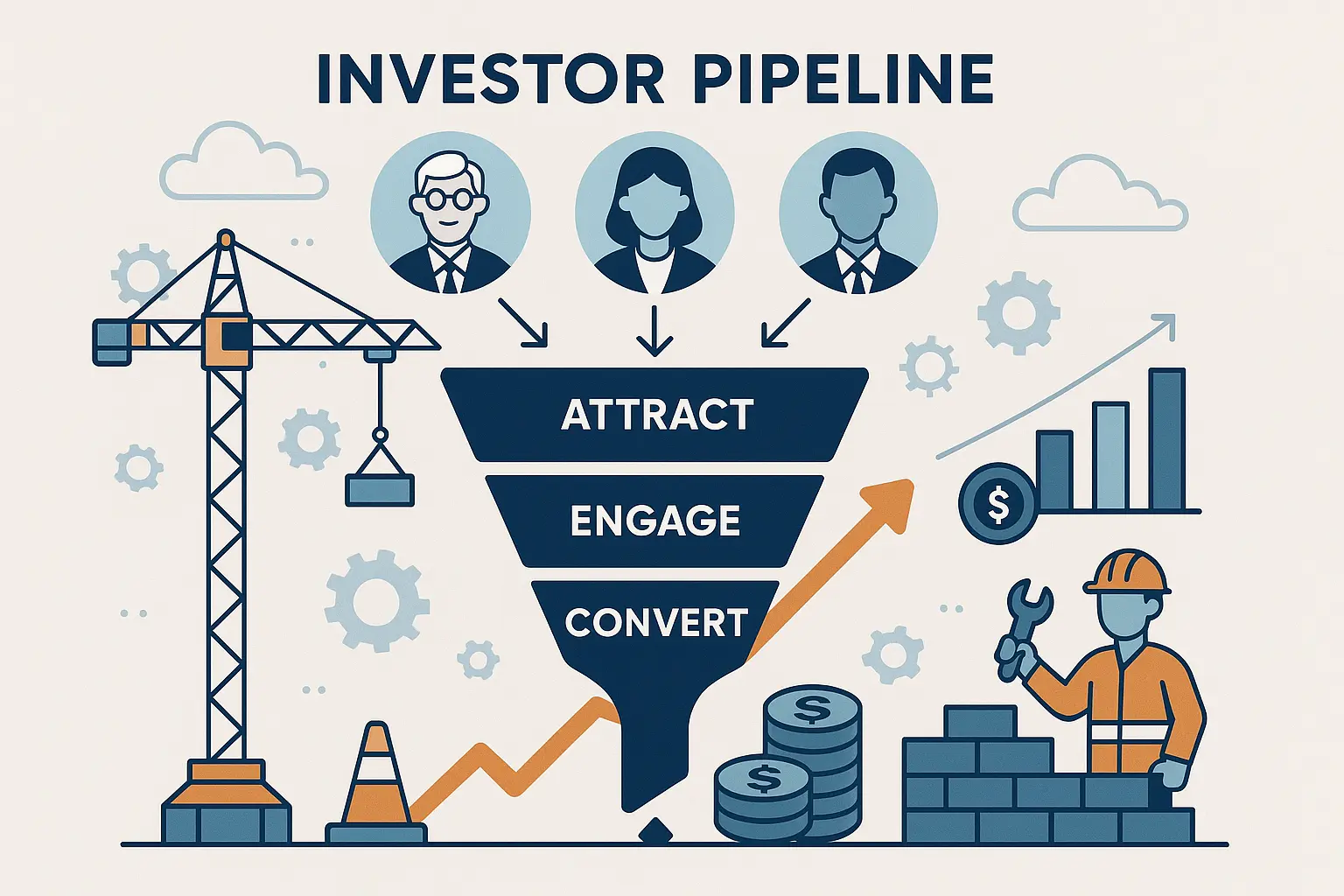
Raising money for your startup can feel like a full-time job on top of running your actual business. Most founders reach out to investors without a plan—and end up spinning their wheels. That’s why having a clear investor pipeline matters. Think of it as a system for organizing the people you want to pitch, keeping conversations on track, and not letting any opportunities slip through the cracks.
Did you know that on average, founders contact 50 to 100 investors for every successful fundraising round? Without a pipeline, it’s easy to lose track of who you’ve emailed, who replied, and how close you are to your funding goal. A good pipeline doesn’t just keep you organized—it makes the fundraising process more strategic (and a lot less stressful). In this article, we’ll break down what an investor pipeline is, why it’s essential, and how to build one that actually works for you.
Investor Pipeline: Meaning and Importance
What is an investor pipeline?
An investor pipeline is a structured way to track all potential investors for your startup—from the moment you spot an interesting VC or angel, to securing that all-important commitment. It’s a living list that helps you see where each investor is in your fundraising process, whether they’re just a research lead, actively considering your pitch, or deep in due diligence.
Think of it as a visual map showing your path through the funding maze. Instead of scrambling to remember who you need to follow up with or who asked for your last pitch deck, the pipeline gives you clarity and control. You can spot bottlenecks, shift focus where needed, and ensure every conversation moves you closer to closing your round.
Why your startup needs a clear pipeline
Without a clear investor pipeline, fundraising gets chaotic, opportunities slip away, and follow-ups fall through the cracks. Time gets wasted chasing the wrong leads or losing track of promising conversations. A robust pipeline makes your process less about luck, more about smart prioritization.
With an organized pipeline, you can easily separate high-priority investors from those who aren’t a fit, track when and how to engage, and spot patterns in your progress. This discipline doesn’t just improve your odds—it shows investors that you’re serious, systematic, and respect their time.
Now that you know why a disciplined approach matters, let’s break down how to actually build an investor pipeline from scratch—no matter what stage your startup is at.
How to Build Your Investor Pipeline from Zero
Identifying the right investor types for your stage
Building from scratch starts with knowing who you actually need to talk to. Pre-seed? Look for angels, early-stage VCs, and microfunds. Series A or beyond? Target growth funds, family offices, or later-stage investors. Each funding stage attracts a different crowd—don’t waste time pitching an institutional fund if you haven’t launched your product yet. Get specific: local angels, industry-focused syndicates, and funds with a history of backing companies like yours.
Creating an actionable investor list
Make your list real, not theoretical. Find names through online platforms like Crunchbase, AngelList, or even LinkedIn. Check who has funded your competitors. Ask founders in your network who invested in them. For each investor, note their check sizes, preferred industries, previous investments, and where your warmest intro might come from. This will save you hours when you start outreach—no more cold-blindly sending emails to “info@vcfirm.com.”
Organizing your pipeline: spreadsheet vs CRM tools
A simple spreadsheet works for your first twenty or thirty names: include columns for name, fund, contact info, intro source, stage focus, and follow-up dates. As your pipeline grows, consider leveling up to a dedicated CRM (like Affinity or HubSpot). A good tool not only stores contacts but tracks your last communication, reminds you when to follow up, and lets you tag investors by relevant criteria. Don’t let a promising lead slip because it got buried in an old email thread.
Now that you’ve mapped out who and where to target, it’s time to dig deeper: how do you actually find the best-fit investors, and what signals should you look for before reaching out?
Researching and Prioritizing Investors
Where to source quality investor leads
The hunt for serious investors starts by looking beyond the obvious. While most founders gravitate to big-name venture lists, untapped potential often lies in networks like AngelList, university incubators, and demo days that match your industry. Podcasts, newsletters, and even Crunchbase data can surface active check-writers who aren’t busy chasing the same companies as everyone else. Don’t underestimate Twitter or LinkedIn; investor threads and recommendations often reveal names and interests between the lines. Keep a running list of each lead with relevant details and tags—knowing who invests locally, or at your company’s stage, can save time and dead ends later.
Evaluating investor-fit and interests
Not every investor who backs startups will be right for yours. Dig deeper into each prospect’s recent investments—do they fund your sector, geographic area, or stage? Review portfolio company websites and read blog posts or tweets for clues about their values and how hands-on or hands-off they tend to be. If the same themes crop up in interviews or on their firm profile pages, pay attention. Connecting with founders already backed by your target investor—even with a simple direct message—can reveal whether your goals align and what to expect from that relationship.
Once you have a focused shortlist, you’ll be ready to plan your approach—starting with outreach that actually gets responses, even if you’re not connected to anyone powerful.
Making First Contact: Outreach That Gets a Response
How to get warm introductions (without a huge network)
Even if you aren’t rubbing shoulders with VCs at every startup event, you can find creative ways to get on an investor’s radar. Tap into your extended LinkedIn network; someone you know might know someone who knows your dream investor. Don’t hesitate to ask your current advisors, portfolio founders, or even other investors you’ve spoken with for an introduction—just make it easy for them by providing a short blurb about you and your company. If you don’t have shared connections, look for investors who engage with founders on Twitter or participate in public events and AMAs within your industry. Commenting with genuine insights can often turn a cold pitch into something slightly warmer. For more on this, check out our guide on warm intros startup funding.
Crafting your investor email: what works and what doesn’t
Investors’ inboxes fill up fast. A strong subject line is your foot in the door—focus on clarity, not cleverness. Don’t bury the lead; in the first few lines, state who you are, what you’re building, and why it matters. Replace the all-too-common “I’d love to get on your calendar” with something specific you admire about their investments or background to show you’ve done your research. Keep it under 150 words, and make every line earn its place. Always include a one-pager or short deck—don’t force investors to write back just to ask for basic info.
Once you’ve sent your first round of emails, the real work begins: tracking conversations and turning responses into ongoing relationships.
Thank you for reading EasyVC’s blog!
Are you looking for investors for your startup?
Try EasyVC for free and automate your investor outreach through portfolio founders!
Ready to see your inbox light up with investor replies rather than collect dust? The right strategy turns cold leads into warm conversations. If you’ve felt like building an investor pipeline is a guessing game, it’s time to take the guesswork out of the process.
Let’s dive into practical steps for tracking your progress and managing investor relationships, so you keep your momentum—and never lose sight of a promising connection.
Tracking Progress and Managing Investor Relationships
Staying organized: stages of your pipeline
A well-structured pipeline divides your investor list into clear stages: prospects, engaged, in due diligence, soft-committed, and committed. Each stage signals how far a relationship has progressed. This visibility helps you avoid chasing the same investor twice, follow up when interest is warm, and spot bottlenecks, like investors who stall after an intro call.
For example, after an investor responds positively to your email and asks for more information, move them from “prospect” to “engaged.” When they request detailed materials or introduce you to partners, shift them into “due diligence.” Adopting these simple habit changes turns your pipeline from a static contacts list into a living roadmap.
Tools and habits to never lose track of a conversation
Using a spreadsheet? Color-code stages, add columns for last interaction date, and use notes for important details—like an investor’s focus, preferred check size, or favorite recent deals. Set calendar reminders for follow-ups directly in your calendar app, not just in your head.
If you’re using a CRM, automate reminders and link key documents (pitch decks, email threads) to each investor profile. Some founders rely on integrations with Gmail or Slack to flag when someone hasn’t replied or needs outreach. Whether your tools are simple or sophisticated, consistency is key—make it a habit to review your pipeline weekly and log every meaningful interaction right away. For more on this, check out our guide on CRM for startup fundraising.
Strong organization frees up headspace and sets you apart. When investors see you’re on top of details and communications, their confidence grows—and the likelihood of meaningful partnerships rises.
Now that your pipeline is humming, it’s time to turn conversations into actual meetings and commitments. Let’s look at how to keep momentum going and make every opportunity count.
Turning Pipeline into Results: From Meetings to Commitments
Preparing for investor calls and meetings
Once a meeting lands on your calendar, preparation makes the difference between a polite conversation and a serious investment discussion. Know exactly who you’re talking to: read up on the investor’s background, their recent deals, and their public writing. Fine-tune your pitch to address their interests and past areas of focus. Anticipate the tough questions—traction, competitors, and use of funds usually top the list. Bring specifics, not just stories: metrics, milestones, and a crisp explanation of how their capital truly moves the dial for your company.
Don’t make it a monologue. Ask thoughtful questions about how they work with portfolio companies, the check size they usually write, and what their process looks like from first meeting to decision. This shows you’re looking for a real partner, not just money.
Keeping momentum and closing your round
A successful pitch isn’t the finish line—it’s where the hardest work begins. After meetings, always follow up promptly with a personalized note that recaps key points and includes any materials promised. Keep the conversation going with regular updates, even if the investor isn’t ready to commit yet. Progress emails—new hires, big customer wins, or product launches—help investors feel connected and more comfortable moving forward.
As interest builds, create a sense of urgency by sharing honest timelines, especially if you have lead interest or a set closing date. Manage the process: clarify legal steps, answer diligence requests without delay, and keep track of document status. When an investor expresses intent, get their verbal commitment in writing and outline next steps to signing and wiring funds. Each cycle brings you closer to a complete round.
Turning interest into actual investment is rarely instant, but by staying prepared and proactive, you give every conversation the best chance to end with a handshake. Next, let’s tackle key questions founders often ask about the investor pipeline journey—so you can avoid common pitfalls and accelerate your raise.
Investor Pipeline FAQs
What’s the difference between an investor pipeline and a regular sales pipeline?
While both pipelines track progress from initial contact to final agreement, an investor pipeline focuses on cultivating long-term relationships with potential backers rather than closing immediate sales. The journey is less about quick conversions and more about fit, trust, and timing.
How many investors should I have in my pipeline?
Aim for a healthy mix: 30–50 names at early stages is common, with a balance between targeted investors and “stretch” candidates. It’s better to go deep with a curated list than to chase hundreds who aren’t a real match.
When should I start building my pipeline?
Don’t wait until you urgently need capital. The strongest outcomes come from consistent, patient outreach months before your actual raise. Think of it as networking on a long walk, not sprinting for funds at the last minute.
How often should I update investors in my pipeline?
A simple monthly update—sharing product milestones, new customers, or traction data—keeps contacts warm. Many founders drop the ball here: regular, relevant touchpoints build familiarity and make future asks much easier. For more on this, see effective investor update engagement tips.
What tools do founders actually use to track pipelines?
Most start with spreadsheets (Google Sheets, Excel), but teams raising bigger rounds often outgrow them. Simple CRMs like HubSpot, Streak, or Airtable are popular for keeping follow-ups and notes organized. For a deeper dive, check out unlocking the power of CRM for startup fundraising.
With these basics covered, let’s dive into ways to manage each potential investor, monitor your progress, and avoid losing momentum mid-process.