
Understanding the Cost of a Bad Sales Hire for Startups

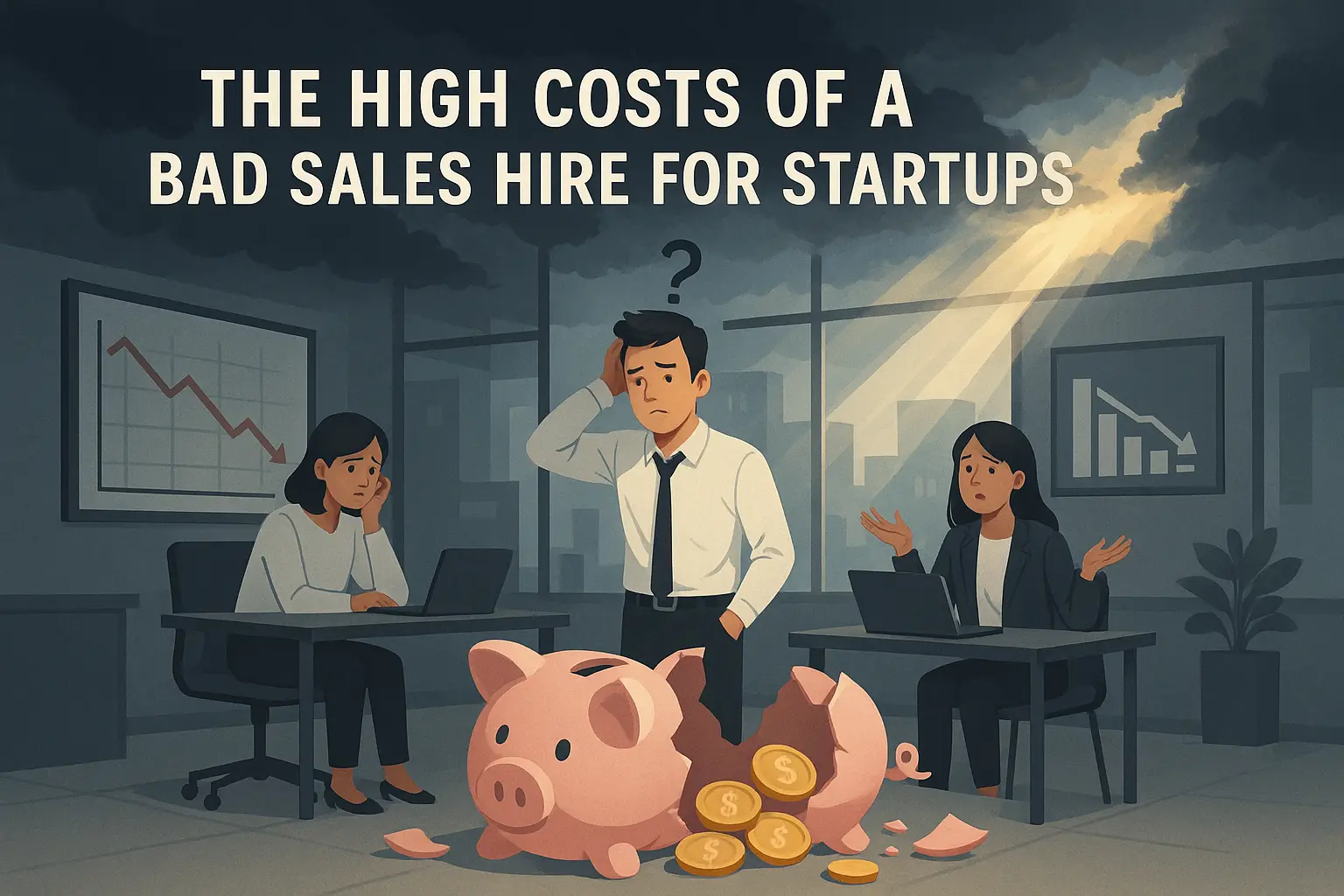
In the dynamic world of startups, where every decision can significantly impact the bottom line, hiring the right salespeople is crucial. A high-performing sales team can drive revenue growth and propel the company toward its goals. However, a bad sales hire can quickly become a costly misstep, derailing progress and consuming valuable resources. Understanding the financial, operational, and emotional ramifications of a poor hiring choice is critical for startup leaders. In this blog, we explore the multifaceted costs associated with hiring a subpar sales representative, examine warning signs to catch a bad hire early, and discuss strategies to ensure your recruitment process yields the right talent. By addressing these challenges head-on, startups can foster a more resilient and effective sales force, steering clear of the setbacks caused by an ill-fitted team member.
The Financial Impact of a Poor Sales Hire
Direct Costs: Salary and Benefits
At the forefront of any financial considerations are the direct costs associated with hiring. For startups, this often involves a considerable investment in salary and benefits for the new sales hire. If a hire underperforms or lacks the necessary skills, the company continues to bear these fixed costs without gaining the expected return on investment. Such expenses can further strain a startup’s limited financial resources, diverting funds away from critical areas such as product development and marketing.
Indirect Costs: Lost Revenue and Opportunities
The indirect costs of a poor sales hire can be even more damaging than the direct financial outlays. An underperforming sales representative may fail to close deals or maintain client relationships, leading to significant lost revenue. Additionally, the time and effort spent onboarding and managing the struggling employee could have been better allocated to revenue-generating activities. These lost opportunities can hinder a startup’s growth trajectory and delay achieving critical business milestones.
Hidden Costs: Impact on Team Morale and Productivity
Beyond the direct and indirect financial implications, there are hidden costs that manifest within the team. A poor sales hire can adversely affect overall team morale and productivity. If colleagues have to compensate for the deficiency of a team member, it can lead to burnout and lower motivation across the board. Moreover, persistent performance issues can create a negative work environment, making it challenging to attract and retain top talent. The cumulative impact on productivity can have long-term financial repercussions that are difficult to quantify but deeply felt.
Understanding these various financial impacts emphasizes the importance of identifying and addressing hiring mistakes early. Next, we’ll explore how to spot the signs of a bad sales hire before the costs become too steep.
Identifying a Bad Sales Hire Early
Key Warning Signs to Watch For
Recognizing a poor fit in the sales team at an early stage is crucial for startups keen on maintaining momentum. One of the primary indicators is the lack of enthusiasm and drive; a sales professional who doesn’t show passion for the product might struggle to meet objectives. Additionally, if they consistently fail to understand the target market or customer pain points, this could be a red flag.
Disengagement from team activities and a reluctance to seek guidance from fellow team members or leadership can also be telling. These individuals often do not take feedback well or fail to integrate it into their sales approach, which is crucial for improvement and adaptation.
Evaluating Performance Metrics
Quantitative metrics are another effective way to assess the effectiveness of a sales hire. Regularly monitoring their sales numbers, conversion rates, and customer interactions can provide insights into their performance. If a sales hire is consistently underperforming despite having a similar market environment and resources as their peers, it may be time to delve deeper into the cause.
Another essential metric is customer feedback. Unfavorable client interactions or poor post-sale feedback may highlight a deeper issue with communication skills or product understanding, which are vital for any successful salesperson.
Being proactive in recognizing these signs early allows startups to address issues before they escalate. As we transition to explore some common pitfalls in the hiring process, understanding these early indicators can serve as a preventive approach towards making more informed hiring decisions.
Common Mistakes in the Hiring Process
Rushing the Recruitment Process
One of the most prevalent mistakes startups make is rushing the recruitment process. In an effort to fill positions quickly, startups might skip essential steps like thorough candidate vetting and reference checks. This haste can result in employing individuals who are not the right fit for the company, leading to costly repercussions in terms of productivity and resources.
Not Aligning with Startup Culture
A crucial aspect often overlooked is ensuring that candidates align with the startup’s culture. While a candidate might possess the requisite skills and experience, cultural misalignment can lead to friction within the team. Fostering a cohesive work environment is essential, and hiring someone who doesn’t fit can disrupt team dynamics and morale.
Overlooking Critical Skills and Experience
Startups sometimes focus heavily on candidates’ enthusiasm and potential rather than their current skills and experience. While potential is important, it must be balanced with the expertise necessary to perform the job effectively from day one. Overlooking this balance can result in hiring individuals who require more training and time to ramp up than initially anticipated.
Understanding these common hiring pitfalls can dramatically improve the chances of making successful hires. Up next, we will explore actionable strategies that startups can implement to avoid these costly mistakes and make informed hiring decisions that contribute positively to their growth and success.
Strategies to Avoid a Bad Hire
Developing a Comprehensive Hiring Plan
To prevent the missteps of a poor hire, startups must first develop a detailed hiring plan that includes a clear job description outlining the responsibilities, desired qualifications, and performance expectations. This ensures that both the company and potential candidates are aligned from the outset. A well-structured hiring process also involves mapping out the recruitment timeline and budgeting for necessary resources, such as job ads and recruitment tools.
Conducting Thorough Interviews and Assessments
Another key strategy is to implement a rigorous interview and assessment process. This should include multiple interview rounds with diverse formats, such as structured interviews, behavioral questions, and candidate presentations. Assessments, such as role-play scenarios or problem-solving tests, can provide invaluable insights into a candidate’s skills and how well they may fit with the startup’s culture and objectives.
Involving the Team in the Hiring Decision
Including current team members in the hiring process can significantly increase the chances of a successful hire. By involving key stakeholders in interviews and gaining multiple perspectives, startups can ensure that the candidate not only meets the professional requirements but also fits well with the team dynamics. This collaborative approach fosters an inclusive environment where team members feel valued and motivated to support and integrate the new hire effectively.
With these strategies, startups can create a robust framework for identifying and onboarding the right sales personnel. However, achieving success doesn’t stop at hiring. Once a candidate joins the team, it’s crucial to support their development and address any potential issues promptly, which leads us to explore ways to manage and turn around a potential bad hire.
Turning a Bad Hire Around
Establishing an Effective Training Program
When facing the challenges of a bad sales hire, a well-structured training program can be pivotal in transforming that potential into a valuable asset. Identify skill gaps and provide tailored training sessions. A hands-on approach with mentorship opportunities can enable the individual to align more closely with company goals. Resources such as online courses, workshops, and sales boot camps can help cement their understanding and elevate their performance.
Implementing Regular Performance Reviews
Regular performance reviews are essential in assessing the progress of the sales hire. Schedule these reviews frequently to provide timely feedback and set achievable objectives. Constructive criticism, along with recognition of improvements, can motivate the hire and guide them towards better contributing to the team. These reviews also offer a framework for tracking developments over time, making it easier to pinpoint areas needing further attention.
Having a Clear Exit Strategy
Despite best efforts, not all hires can be successfully turned around. Thus, it’s crucial to have a clear exit strategy to minimize prolonged negative impacts on your startup. This involves setting realistic timelines for improvement and being prepared to make difficult decisions if the desired progress is not visible. An appropriate exit strategy ensures that the company can swiftly move forward without lingering disruptions. startup exit strategy ensures that the company can swiftly move forward without lingering disruptions.
With these actionable strategies, startups can navigate the complexities associated with a bad sales hire. However, understanding and learning from these experiences can significantly enhance your future hiring processes and decisions, thereby reducing the likelihood of encountering similar issues again.