
Understanding ‘Acting in Bad Faith’

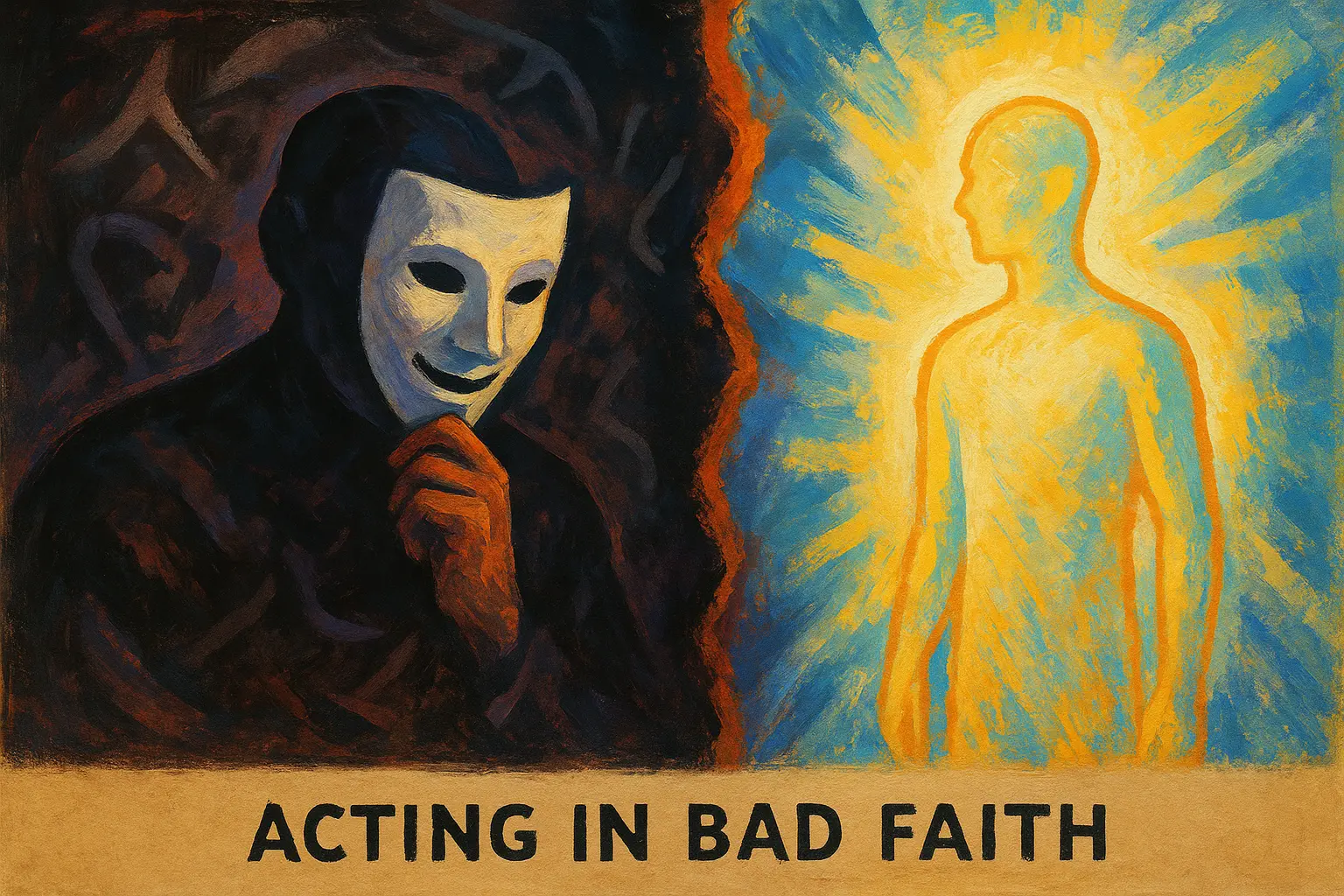
In various aspects of life, whether personal interactions or professional dealings, the concept of “acting in bad faith” often surfaces, carrying significant implications. This term embodies a lack of honesty and intent to deceive or mislead. Understanding what it means to act in bad faith is crucial, as it can influence legal outcomes, ethical judgments, and interpersonal trust. From legal contracts to everyday agreements, the behavior associated with bad faith can adversely affect relationships and reputations. This blog post delves into its definitions, domains of occurrence, consequences, and strategies to identify and prevent bad faith actions. Our goal is to equip you with a comprehensive understanding, enabling clearer discernment and more effective engagement across various scenarios.
Defining Bad Faith
Legal Definition
In the legal realm, bad faith refers to a party’s intention to deceive or mislead another party in dealings or contractual agreements. It is characterized by dishonesty, deceit, or refusal to fulfill contractual obligations without a legitimate reason.
Philosophical Context
Philosophically, bad faith involves a more abstract interpretation, often associated with existentialist philosophy. It pertains to self-deception or the act of lying to oneself, where an individual denies responsibility for their actions or decisions, attributing them instead to external factors.
Practical Examples
Examples of acting in bad faith can be found in a variety of scenarios. These include signing a contract with no intention of honoring its terms, deliberately misleading someone during negotiations, or using trickery to gain an unfair advantage. Recognizing these actions is crucial for protecting oneself and ensuring fair practices.
As we delve deeper, it becomes essential to explore how bad faith manifests across different domains, such as in the realms of law, business, and negotiations, where its implications can be particularly significant.
Bad Faith in Different Domains
In Law and Contracts
In legal contexts, “bad faith” often refers to dishonest dealings or intentional deceit. This behavior is particularly significant in contracts, where one party may misrepresent facts or fail to fulfill agreed terms. Courts look unfavorably upon such actions, and those found acting in bad faith can face severe legal consequences.
In Negotiations and Agreements
Negotiations require a high level of trust and transparency. Acting in bad faith emerges when a party enters negotiations without the intention to reach an agreement or uses manipulative tactics to mislead the other party. This undermines the negotiation process and can lead to failed agreements or litigation.
In Insurance
In the insurance industry, bad faith occurs when insurers fail to uphold their contractual obligations, such as unjustly denying claims or failing to properly investigate claims. Policyholders may pursue legal action against such practices as they breach the insurer’s duty to act in good faith and fair dealing.
In Business Ethics
Within the realm of business ethics, bad faith describes actions that are deceitful or fraudulent, potentially harming employees, clients, or other stakeholders. This unethical behavior might manifest as falsifying reports, hiding liabilities, or misleading investors, and can severely damage a company’s reputation and relationships.
Understanding how bad faith manifests across these domains helps in recognizing potential warning signs and taking appropriate measures to address them. This knowledge naturally leads us to explore the impacts of such actions, delving into the broader consequences of acting in bad faith.
Consequences of Acting in Bad Faith
Legal Repercussions
Acting in bad faith can result in significant legal consequences, especially in contractual settings or business dealings. Individuals or organizations that are found to have acted in bad faith may face lawsuits, financial penalties, or legal injunctions. In severe cases, courts may award punitive damages to the aggrieved parties to dissuade further bad-faith conduct.
Ethical Implications
The ethical implications of bad-faith actions include a breach of moral principles that guide fair and honest conduct. Organizations may suffer internal unrest as employees become disillusioned with the management’s integrity. Furthermore, acting unethically undermines trust, leading to the deterioration of professional relationships.
Impact on Reputation
A tarnished reputation is one of the most damaging consequences of acting in bad faith. Once accused or proven to have acted unethically or dishonestly, individuals and businesses may find it challenging to rebuild trust with clients, partners, and the public. The loss of reputation can result in decreased business opportunities and long-term financial loss.
Recognizing these consequences is crucial to maintaining ethical business practices and ensuring long-term success. Next, we will delve into how to identify bad-faith behavior and explore strategies to address such actions effectively.
Recognizing and Addressing Bad Faith
Identifying Bad-Faith Behavior
Being able to identify bad-faith behavior is crucial in navigating both personal and professional relationships. These behaviors often manifest as dishonest communication, misleading intentions, or a persistent pattern of unfair dealings. Recognizing such patterns requires keen observation and understanding of contextual cues that might reveal insincerity or deceit.
Strategies for Resolution
Once identified, addressing bad faith involves clear and assertive communication. Engaging in dialogue that openly discusses perceived issues without accusation can pave the way for constructive resolutions. Mediation or third-party intervention might be necessary for situations where direct communication fails to bring about change or accountability.
Ensuring Good Faith Fulfillment
To ensure that actions are carried out in good faith, it is essential to establish clear criteria and benchmarks for accountability. Regular check-ins, transparent record-keeping, and explicit agreements can help maintain a framework where agreements are honored and intentions are genuine.
Further understanding how to prevent bad faith actions is crucial for fostering a more trustworthy environment in any organization. As we delve into preventative strategies, we explore how building a culture of trust, implementing preventative measures, and prioritizing education and training can significantly mitigate the risk of bad faith actions.
Preventing Bad Faith Actions
Building a Culture of Trust
One of the foundational steps in preventing bad faith actions is fostering a culture where trust is paramount. Organizations should encourage openness and honesty, where employees and partners feel respected and valued. This can lead to more transparent communication and reduce the likelihood of deceptive or misleading behavior.
Implementing Preventative Measures
Organizations must implement robust policies and procedures designed to catch bad faith actions before they manifest. This includes regular audits, compliance checks, and a strong code of ethics that is communicated to all stakeholders. Providing mechanisms for whistleblower protection can also be an effective deterrent against bad faith actions.

Education and Training
Continuous education and training sessions can play a critical role in preventing bad faith actions. By educating employees and stakeholders about what constitutes bad faith and its potential consequences, organizations can create a more informed environment. Training programs should also include conflict resolution and ethical decision-making skills, empowering individuals to act in good faith in complex situations.
As we explore further dimensions of this topic, it is important to consider how to handle situations when bad faith actions have already occurred. The next step in understanding involves recognizing such behaviors and finding effective strategies for resolution.