
The Flipped Approach to Fundraising: Rethinking How Nonprofits Connect and Succeed

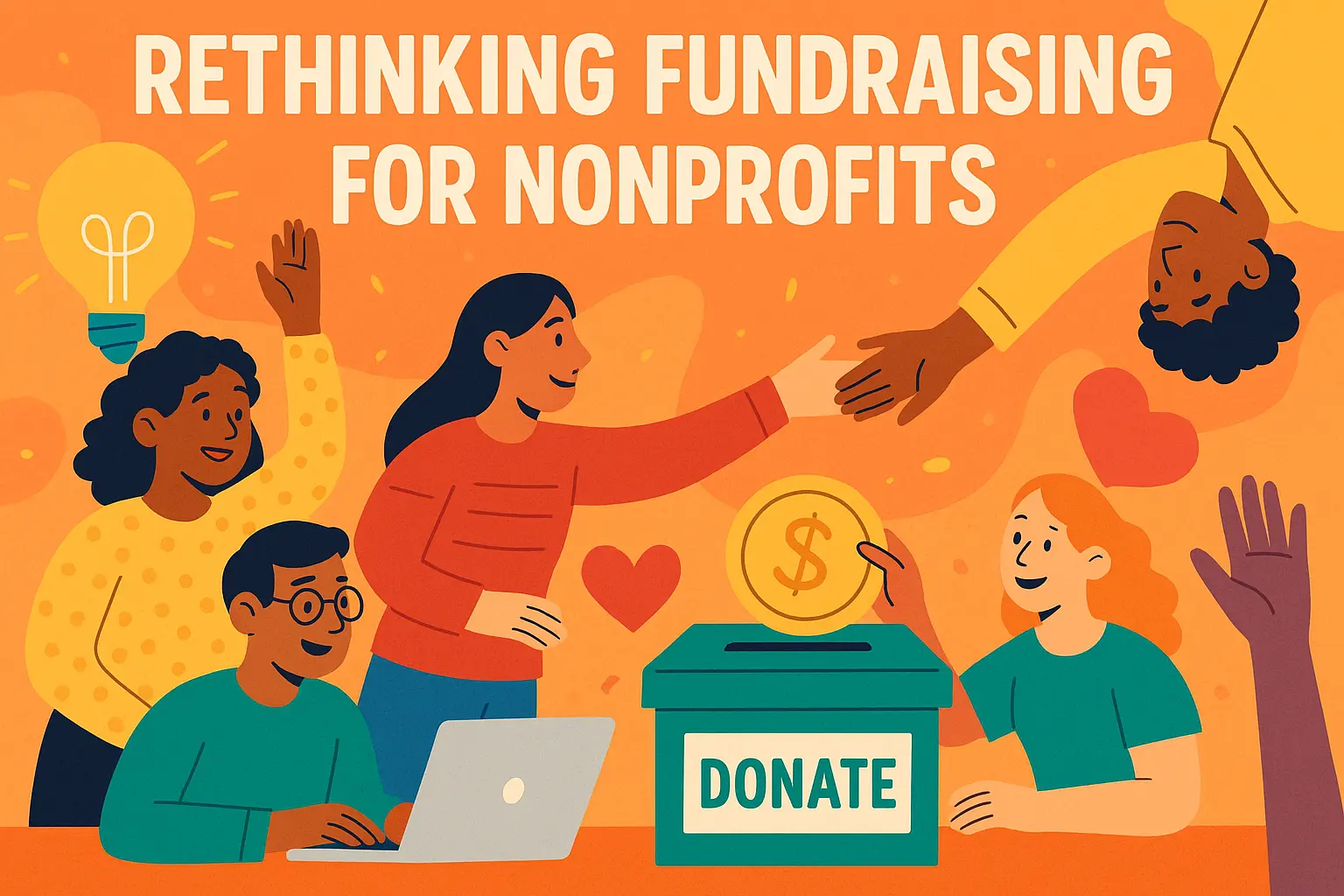
Fundraising is at the heart of every nonprofit’s mission, but what if the way we’ve always done it is holding us back? Most organizations still rely on the same approaches they’ve used for decades—focusing on pitching their own programs and hoping supporters will respond. Yet a recent study by the Lilly Family School of Philanthropy found that charitable giving in the United States has dropped to under 2% of disposable income, its lowest level in nearly 30 years. Clearly, something has to change.
The flipped approach to fundraising challenges us to turn everything upside down: to listen first, understand what truly matters to our supporters, and build programs around their passions and insights. It isn’t about flashy campaigns or chasing trends—it’s about genuine connection and collaboration. In this article, we’ll explore what makes this “flipped” method different, how nonprofits are putting it into practice, and why it might just be the key to deeper supporter relationships and long-term success.
What Does a Flipped Approach to Fundraising Mean?
Origins and Philosophy of the Flipped Model
The flipped approach to fundraising borrows inspiration from “flipped learning” in education, where students absorb content at home and spend classroom time on practical application. In fundraising, this means swapping the usual script—nonprofits stop focusing on broadcast fundraising messages and start prioritizing real conversations with supporters. Instead of planning every initiative in isolation, organizations invite donors into the process early, leveraging their ideas, energy, and even skepticism to shape campaigns from the ground up.

This philosophy is grounded in humility. Rather than assuming what will motivate supporters, nonprofits pause and ask. It’s a model that places trust at the center, seeing donors as partners rather than passive ATM machines. The result is a dynamic relationship that taps into shared values and creativity.
How It Contrasts with Traditional Fundraising
Traditional fundraising starts with the nonprofit’s agenda. There’s a campaign, a goal, a glossy annual report. The expectation is that donors will care because their names are on a list—or because it’s December. Communication is typically one-way—organizations announce, donors respond (hopefully).
The flipped approach is different. Instead of commanding attention, it seeks genuine dialogue. Fundraising becomes a process of noticing what excites people, where their stories overlap with your mission, and how their feedback can spark new initiatives. It’s about asking “How can we work together?” rather than “How much will you give?”
This flipped mindset paves the way for a deeper look at the real motivations behind giving, and what supporters truly want from their relationship with your cause—something we’ll dig into next.
Putting the Flipped Method Into Practice
Understanding Real Donor Motivation
Slipping into the shoes of your supporters isn’t just a metaphor here—it’s the groundwork of the flipped approach. Instead of beginning with what the organization needs, first discover what sparks curiosity and commitment in your community. Some supporters crave tangible results, while others are drawn by stories, long-term impact, or the promise of collective change. By learning these nuanced motivations, fundraising becomes less of a guessing game and more of a mutual journey.
Listening First: Gathering Insights from Supporters
Active listening takes the spotlight. Go beyond surveys and tune in to the language donors use in emails, calls, or social posts. Attend gatherings not just as presenters, but as attentive guests, quietly noting which campaign ideas stir excitement or skepticism. It’s about reading between the lines—sometimes a suggestion or even a hesitation reveals more than a prolific endorsement.

Building Programs Around Donor Passions
Now that real motivations are laid bare, reshape your programs to reflect what donors genuinely care about. If you notice consistent excitement about clean water projects rather than broad ‘environment’ campaigns, recalibrate accordingly. Allow contributors to have input, steering the wheel with you. Inviting them into the creation process transforms supporters into partners—programs become co-owned initiatives more likely to inspire and endure.
As you consider tools and techniques for weaving all this feedback and insight into seamless experiences, you’ll find that the key isn’t just gathering data, but using it wisely. Let’s explore how to turn what you’ve learned into practical action.
Tools and Techniques for a Successful Flipped Fundraising Program
Using Feedback Loops and Conversation Data
The heart of a flipped fundraising strategy beats within the answers and ideas that supporters offer. Rather than relying on static surveys or annual reports, flipped programs leverage ongoing conversation data—notes from phone calls, social media exchanges, and even handwritten letters—to spot patterns in donor sentiment.
Simple tools like shared spreadsheets or collaborative CRMs allow the team to log tidbits from every conversation, capturing what excites, frustrates, or inspires. Over time, these feedback loops reveal themes that can spark new campaigns or reshape events. The takeaway is to treat every supporter touchpoint as a data source, not just a box to check.

The image above shows a team mapping out conversation insights—a visual reminder that effective fundraising isn’t about volume, but resonance.
Personalized Donor Journeys with Technology
Customization isn’t code for more emails—it’s about orchestrating the right asks at the right moment. Donor journey mapping software like Virtuous, or even carefully segmented email tools, can help you recognize a donor who cares about a single issue, and respond with tailored content or invitations.
But personalization doesn’t stop with platforms. A flipped approach encourages you to experiment: test new giving vehicles, launch small-group digital gatherings, or automate thank-you video messages triggered by specific actions. When technology amplifies what you’ve learned from donor conversations, supporters feel seen—and are more likely to stick around.
Mastering these practical tools unlocks not just more donations, but deeper engagement. With these fundamentals in place, let’s take a look at how real organizations have put this flipped philosophy into action, and what changed as a result.
Flipped Fundraising in Action: Examples That Worked
Case Study 1: Turning Event Attendees into Advocates
When the Pacific Coast Food Bank reimagined its annual gala, they abandoned the predictable fundraising speeches. Instead, they gathered stories from the community weeks before the event—asking supporters what the organization meant to them and what real needs they saw. At the gala, they handed the microphone to attendees. Each table took part in guided conversations about food insecurity in their own neighborhoods.
Rather than a static “ask” at the end of the night, the organization enabled guests to propose action steps and select which projects to fund, right on the spot. Attendance climbed the next year, and donors stayed engaged long after the event—returning as passionate advocates, not just one-night supporters.

Case Study 2: Crowdsourcing Priorities for Greater Impact
EcoHop, a grassroots environmental group, wanted to focus its annual campaign but lacked clarity on what resonated most with supporters. Rather than guessing, they launched a month-long online challenge: anyone could propose and vote on local environmental initiatives. The most popular ideas were featured in a series of live-streamed pitch sessions, allowing donors to fund projects they felt most invested in.
The result? Donor participation nearly doubled, and the success stories from funded projects inspired even more creative proposals for the following year. By letting supporters take the lead, the organization unlocked waves of fresh energy—and new partnerships.

Both examples show that flipping the script can spark deeper commitment. But as with any shift, some common hurdles and misconceptions can threaten progress. Up next, we’ll dig into how to stay on course—even when challenges arise.
Addressing Challenges and Misconceptions
Why This Isn’t Just Donor-Centric Fundraising
It’s easy to confuse the flipped approach with the classic “donor-centric” model. But while both put supporters at the center, flipping fundraising means actually inviting donors into the creative and strategic process. It is not about making donors feel important with surface-level gestures; it’s about sharing the decision-making process, asking real questions, and letting donor curiosity and insights shape programs and campaigns. Instead of guessing what donors want—or depending on tradition—the flipped model builds fundraising around what donors show they care about, in their own words and actions.
Sustaining the Shift Across Your Team
Changing course can spark anxiety: Does it mean staff lose control, or that expert voices get sidelined? In reality, the flipped approach demands more from teams, not less. It asks staff to be nimble, to listen deeply, to try experiments, and to welcome feedback that may challenge long-held assumptions. Some team members may mistrust this openness at first, seeing it as risky or resource-consuming. Honest conversations, clear goals, and celebrating early wins together help build momentum and confidence. The real challenge is patience—success comes from iterative learning, not instant transformation.
Rethinking fundraising is not just about tackling roadblocks, but leaning into new possibilities. With the right groundwork, nonprofits discover bold ways to bring supporters and missions closer together—so let’s explore how your team can begin that journey, step by step.
Next Steps: How to Flip Your Own Fundraising Strategy
Quick Start Checklist
Ready to shake up your approach? Start by gathering your team and picking one campaign or program to experiment with the flipped model. Ask what your supporters care about most, not just what your organization thinks they need. Challenge your assumptions by designing questions that genuinely invite conversation. Track where your current communication is one-sided – and promise to listen more than you talk.

This image captures the spirit of what comes next: collaboration, fresh perspectives, and moving from old scripts to genuine connection.
Resources for Deeper Learning
No need to blaze this trail alone. Seek out podcasts, webinars, and real-world stories from organizations already reaping the rewards of flipped fundraising. Start with books and thought leaders who question conventional tactics; look for online groups where practitioners swap what works and what flopped. Don’t overlook the value of feedback from your own donors – their insights are your most powerful learning tool.
Flipping your fundraising isn’t a one-time feat – it’s a mindset you revisit and refine. Up next, see how these ideas come alive in the real world, with stories that show the flipped approach in action and the results it can spark.