
The Comprehensive Guide to the Advantages and Disadvantages of Venture Capital

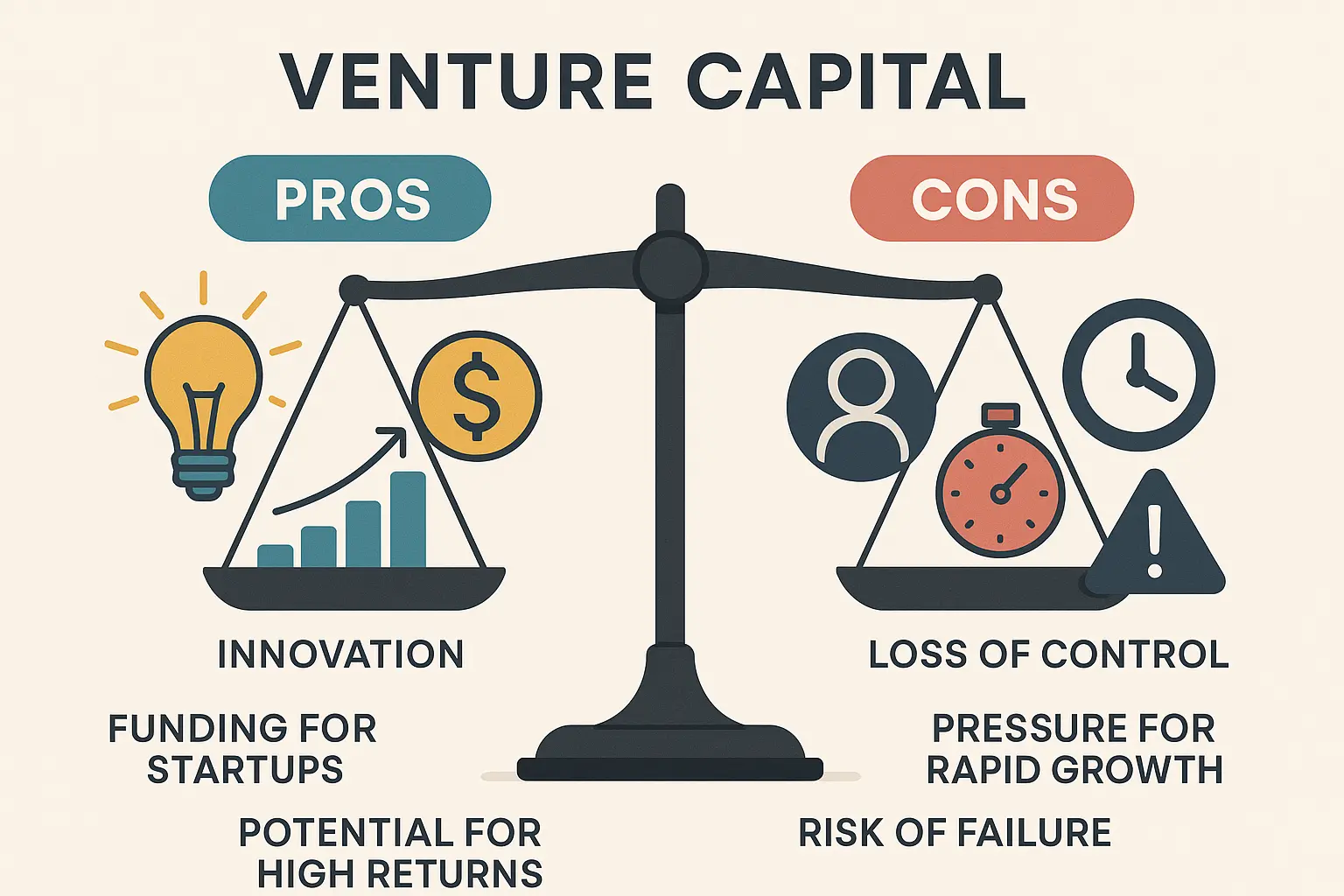
In the dynamic and ever-evolving landscape of entrepreneurship, securing the right kind of funding is often pivotal to the success of a startup. Venture capital (VC) emerges as one of the most sought-after avenues for businesses aiming to scale rapidly and make a significant impact in their respective industries. By providing not just financial support but also strategic guidance, venture capitalists play a crucial role in nurturing innovative ideas and driving them towards market success.
Yet, with its alluring promise of rapid growth comes a myriad of considerations that every entrepreneur should weigh carefully. Understanding both the advantages and disadvantages of venture capital is imperative for any business owner contemplating this path. From transformative funding amounts and invaluable mentorship to potential pitfalls like ownership dilution and high-pressure growth demands, venture capital can be as complex as it is compelling.
This comprehensive guide aims to explore these dimensions, providing insights into what venture capital truly entails, its role in the startup ecosystem, and whether it aligns with your business goals. Whether you’re a burgeoning founder on the quest for significant capital or simply exploring your next strategic business move, understanding the nuanced landscape of venture capital is essential for making informed and strategic decisions. Let’s dive into the intricacies of venture capital to equip you with the knowledge needed to navigate this significant funding channel successfully.
Introduction to Venture Capital
Venture capital (VC) has become a cornerstone in the world of startups and early-stage businesses. It is a form of private equity financing that offers promising entrepreneurial ventures the financial support they need to scale their businesses in exchange for equity.
What is Venture Capital?
Venture capital is typically provided by affluent investors, investment banks, and any other financial institutions. It is designed to provide startups with the capital necessary to accelerate their growth in the hope of achieving short and long-term profitability. Unlike traditional loans, venture capital is invested in a business in exchange for partial ownership and often comes with the expectation of substantial growth.
Importance of Venture Capital in Startups
For many startups, venture capital not only represents a critical source of funds but also a stamp of validation. It signifies confidence from experienced investors in the startup’s potential, helping to attract other investors and open up additional channels of fundraising. Furthermore, it provides startups access to seasoned industry experts who can offer valuable guidance and mentorship, increasing the likelihood of business success.
As we delve deeper, we will explore the various advantages that venture capital can offer to startups, showcasing why it remains a popular option for entrepreneurs seeking to propel their businesses to new heights.
Advantages of Venture Capital
Access to Large Funding

One of the most significant advantages of venture capital is the ability to secure large amounts of funding. For startups with high growth potential but limited access to conventional funding sources, venture capital provides a financial pipeline that can propel business development. This injection of substantial capital enables companies to scale operations, hire additional staff, and expedite product development timelines. startup fundraising
Expertise and Mentorship
Besides funding, venture capitalists bring a wealth of expertise and mentorship to the table. Their experience in nurturing young companies can offer invaluable guidance on strategy, execution, and avoiding common pitfalls. With access to seasoned advisors, startups are better equipped to make informed decisions that align with their growth objectives. venture capital mentorship
Networking Opportunities
Venture capitalists often have extensive networks that can be leveraged for the benefit of the company. These connections can open doors to potential clients, strategic partners, or even other investors. The ability to tap into a wide range of contacts can help startups accelerate their market entry and expand their reach more effectively.
Enhanced Credibility and Publicity
Being backed by a reputable venture capital firm can significantly enhance a startup’s credibility. Such endorsement often commands attention from media, industry influencers, and other stakeholders, providing a powerful boost in publicity. This recognition can help attract additional customers and business opportunities.
No Repayment Obligations
Unlike traditional loans, venture capital does not require repayment as it is an equity investment. This means that the startup can focus on growth without the burden of regular repayments. While there is an expectation of delivering returns to investors over time, the pressure of monthly financial liabilities is absent.
While venture capital offers these substantial benefits, it is not without its trade-offs. Understanding the limitations and potential downsides is crucial for any startup considering this path. Next, we’ll explore some of the inherent challenges associated with venture capital funding.
Disadvantages of Venture Capital
Ownership Dilution
One of the primary disadvantages of obtaining venture capital is the dilution of ownership. When a company accepts venture capital funding, it typically involves the issuance of new shares, reducing the original owner’s percentage of ownership. This can lead to a significant shift in the power dynamics within a company, as new investors obtain a stake and, often, a say in the company’s operations.
Reduced Control
Alongside ownership dilution, reduced control is another common consequence. Venture capitalists often require board positions or other forms of oversight that allow them to influence the company’s strategic direction. This can be challenging for founders who are accustomed to having full control over their business decisions.
High Growth Pressure
Venture capitalists expect rapid growth and significant returns on their investments. This pressure can lead to aggressive growth strategies that may not align with the company’s natural pace or long-term vision. It can force a focus on short-term metrics over sustainable business practices.
Lengthy Investment Process
The process to secure venture capital can be lengthy and demanding. Entrepreneurs must prepare extensive business plans, undergo rigorous due diligence, and endure lengthy negotiations. This process can distract from day-to-day business activities and may take months if not longer to complete.
Focus on Exit Strategy
Venture capitalists are typically focused on achieving a profitable exit, such as through a sale or public offering, within a specific timeframe. This focus on the exit can clash with founders’ visions if their goals involve long-term, steady growth rather than a quick turnover.
Understanding these disadvantages is crucial for any business considering venture capital as a funding option. It’s essential to weigh these potential drawbacks against the benefits and examine alternative funding sources. Let’s explore some of these alternatives in the following section.
Alternatives to Venture Capital Funding
Bootstrapping
Bootstrapping involves using your own savings or revenue generated from your business to fund operations and growth. This method enables you to retain full ownership and control of your company, but it may limit the speed at which you can scale your business without external capital. Bootstrap startup in New York
Angel Investors
Angel investors are affluent individuals who provide capital for start-ups in exchange for ownership equity or convertible debt. They often come with valuable business expertise and networking opportunities, though they generally expect significant returns on their investments.
Crowdfunding
Crowdfunding platforms allow you to raise small amounts of money from a large number of people, usually via the internet. This can be an effective way to validate your product and attract pre-orders, reducing financial risk. However, creating a successful crowdfunding campaign requires considerable effort in marketing and promotional strategies. EasyVC vs Crowdcube
Loans and Grants
Traditional bank loans and government grants offer another viable funding source. Loans require repayment with interest, but they do not dilute ownership and control. Grants, although competitive and often specific to certain industries, provide funding without the need for repayment.
Revenue-Based Financing
Revenue-based financing (RBF) is a type of investment where investors provide capital for a business in exchange for a percentage of the company’s ongoing gross revenues. Unlike traditional equity investments, RBF doesn’t dilute ownership, and repayment is proportional to the company’s revenue, easing the burden during slower periods.
Having explored the various financing alternatives, it’s essential to consider how to make the right decision for your business based on numerous factors. Let’s delve into the decision-making process to determine whether venture capital is the ideal choice for your startup’s growth trajectory.
Decision-Making: Is Venture Capital Right for Your Business?
Assessing Your Funding Needs
Before diving into the world of venture capital, it’s crucial to assess your funding needs accurately. Venture capital is designed for businesses looking to scale rapidly, which often requires a significant infusion of capital. Consider whether your business requires a substantial amount of funding to achieve its next growth milestones and if traditional financing methods are insufficient.
Understanding Investor Expectations
Venture capital investors typically expect high returns on their investments, often looking for businesses that can deliver tenfold returns or more. It’s vital to understand these expectations and assess if your business model and market have the potential to meet them. Venture capital is best suited for companies with a scalable business model and large addressable markets.
Evaluating Long-Term Business Goals
Consider your long-term business goals when deciding if venture capital is the right fit. Are you planning for rapid growth and possibly an exit through acquisition or IPO within a few years? Venture capital is aligned with such aspirations, as investors typically focus on scalability and potential exit strategies. However, if your goals align more with steady, organic growth and maintaining control over your company, alternative funding methods might be more appropriate.
Understanding these crucial aspects can guide your decision-making process on whether venture capital is a suitable path for your business. With a clearer picture of your needs and what venture capital entails, you can better navigate the funding landscape.
Having explored the decision-making criteria, it’s essential to also consider other viable options for funding your business. The next section will delve into startup fundraising strategy that might align more closely with your company’s vision and needs.