
Sleep Habits for Entrepreneurs: Build Rest Into Your Hustle

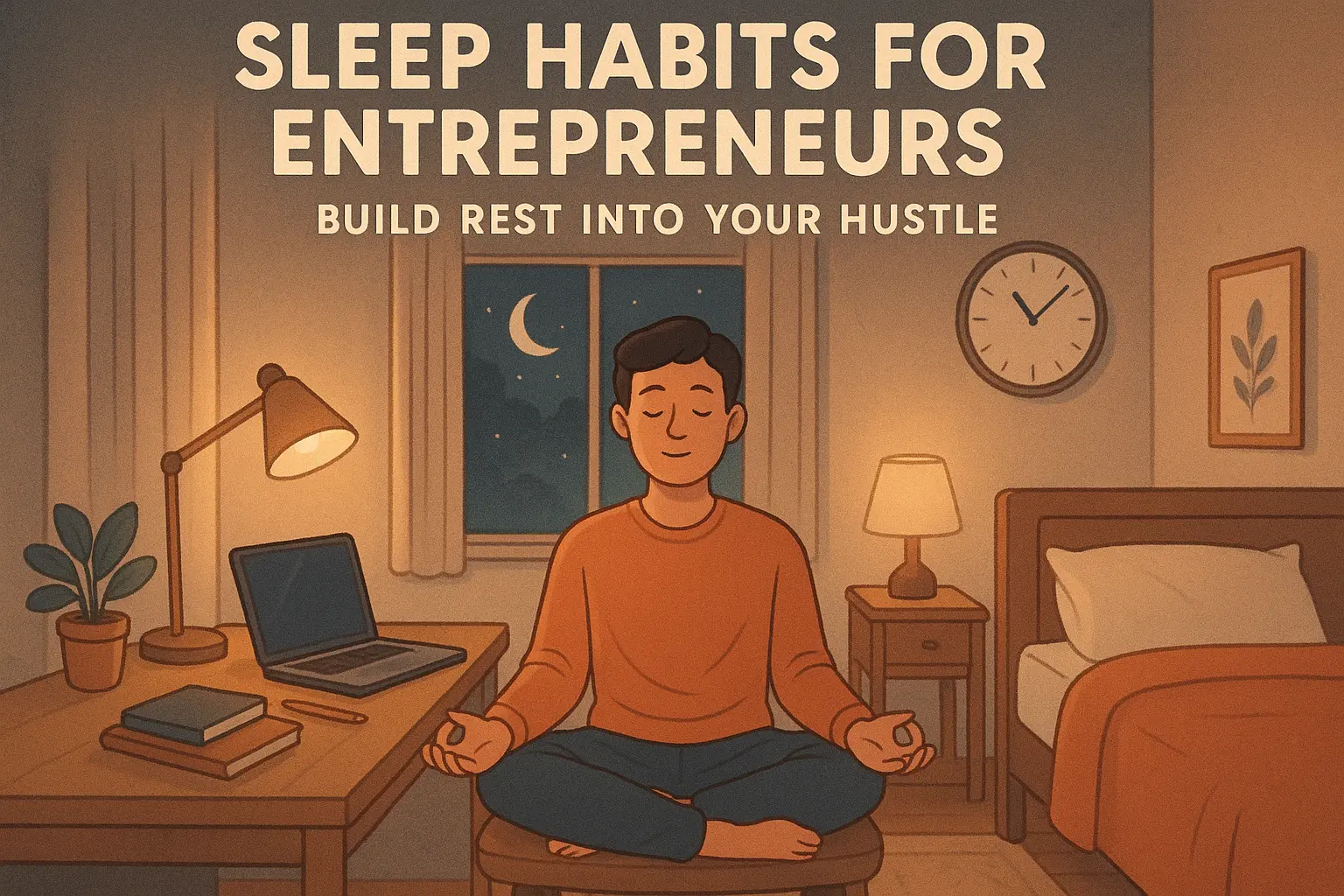
Running a business or hustling on a startup idea can feel like a non-stop game—late nights, early mornings, and always one more thing to check off your list. But here’s something most entrepreneurs overlook: sleep isn’t wasted time; it’s one of your most valuable resources. Studies have shown that people who regularly get less than 6 hours of sleep lose more than two weeks of productivity every year compared to their well-rested peers. In fact, sleep deprivation can hit your decision-making, creativity, and leadership harder than you think—sometimes before you even notice the effects.
If you’re trying to build a business and keep your energy and focus sharp, the quality of your sleep matters just as much as your hustle. In this article, we’ll explore why entrepreneurs can’t afford to ignore rest, plus real strategies to fit better sleep into busy routines. Think of it as one of the smartest (and simplest) upgrades you can make to your business life—starting tonight.
Why Entrepreneurs Can’t Afford Bad Sleep
Productivity and Decision Fatigue
Running a business is basically a battle against the clock, every single day. With too little sleep, your brain slows to a crawl. It’s not just the big decisions that suffer—you waste time second-guessing tiny things: Should you check emails now or after your meeting? Which client should you call first? Poor sleep quietly turns every choice into an uphill march through mud. Imagine starting the day with your mind already foggy, making mistakes you normally wouldn’t even consider. That’s real money and momentum slipping away, unnoticed.
Mood, Stress, and Burnout
Sleep deprivation isn’t just exhausting; it thins your emotional fuse. When you’re running on fumes, even small setbacks can feel explosive. If you snap at a team member or fire off a snippy email, blame your pillow. Mood drops, motivation fades, and chronic stress creeps in like a software bug you can’t debug. Over time, entrepreneurial burnout can set in, leaving even the most driven founders questioning their path.
Long-Term Health Risks
Lose sleep often enough, and your body starts fighting back. Chronic short nights increase your risk of heart disease, weakened immune response, and even diabetes. The irony? You work hard for your freedom and future but reckless sleep habits hijack both. Health is the ultimate foundation for hustle—neglect it, and everything else wobbles.
So, building a business on shaky sleep is like launching a rocket with loose bolts: It might take off, but the ride is risky. But what if better sleep could actually power up your business? Let’s break down how rest translates directly to your bottom line.
How Sleep Impacts Your Business Success
Creativity and Problem-Solving
When you shortchange your sleep, you put limits on the kind of creative fire that keeps your business moving forward. Rested brains make connections faster—a key ingredient for solving tricky problems and dreaming up bold new directions. On the flip side, even one night of tossing and turning can leave your mind slogging through simple tasks and missing those “aha!” moments that separate leaders from followers. There’s a reason some of your lightning-bolt ideas arrive after a good night’s rest.
Empowering Team Leadership
Your energy sets the pace for your company. Lack of sleep often sneaks into your voice, body language, and how well you connect during meetings, whether you realize it or not. When you’re well-rested, you’re not just sharper—you’re more patient, a clearer communicator, and genuinely interested in your team’s ideas. Research shows people naturally trust and rally behind leaders who are alert and engaged. Sleep builds the foundation for the kind of leadership that people remember and want to follow.

Sleep isn’t just a personal win—it ripples out to every decision, pitch, and conversation you have. The right rest can tilt the odds in your favor, far more than grinding another hour late at night. Now, let’s talk about the daily choices that make space for quality sleep in even the most unpredictable entrepreneurial life.
Building Sleep-Proof Habits for Busy Founders
Set a Consistent Bedtime (Even With Crazy Schedules)
Your calendar is a wild beast, but your body clock craves routine. Pick a bedtime hour window and stick to it, even if you can only manage it five nights a week. Treat this like a crucial meeting with your most important investor—your future self. Consistency signals your brain it’s time to power down, making sleep come easier, no matter how packed tomorrow looks.
Protect Your Last Hour: Evening Wind-Down Rituals
Resist the urge to answer that one last email or fine-tune a pitch late at night. Instead, build a wind-down ritual that tells your mind to switch gears. This could mean reading something inspiring (but not work-related), journaling wins and worries, or savoring a hot caffeine-free drink. These rituals act as a buffer between hustle mode and restorative sleep.
Make Your Phone and Laptop Off-Limits Before Bed
The glow of notifications can easily hijack your rest. Declare your bedroom a tech-free zone at least 30 minutes before lights-out. No business podcasts, no doomscrolling—just you, unplugged. If anxiety about tomorrow’s to-dos creeps in, jot them on paper and leave them outside the door. Tech can wait; your rest can’t.
Create a Workspace–Sleep Space Divide
Blurring the boundary between work and rest turns bedrooms into boardrooms—a recipe for insomnia. Even in cramped apartments, set up a clear line between where you hustle and where you sleep. This might mean editing your space with a bookshelf, curtain, or literally facing your desk away from your bed. When your body associates one space with restoration, winding down happens a whole lot faster.
Now that your sleep game has backup from better habits, it’s time to see how founders outside the textbook make these principles work in real life. Let’s peek behind the curtain at what successful entrepreneurs actually do when it’s time to shut off the lights—and what they try when sleep still feels like an elusive product launch.
Real-World Entrepreneur Sleep Routines
CEO Rituals That Actually Work
Some founders wake before sunrise to catch their brain in its freshest state. Take Brian Chesky, Airbnb co-founder, who blocks his calendar after 10 p.m. No emails, no Netflix rabbit holes—just reading fiction until the eyelids get heavy. Such simple boundaries work because they’re doable, even on travel-packed weeks.
Other entrepreneurs stay loyal to their quirks. Arianna Huffington credits her wind-down to literally “escorting her devices out of the bedroom”—phones and laptops get banished, and a warm bath signals it’s time for shut-eye. Shopify’s Tobi Lütke swears by regular sleep and blackout curtains—no late-night Slack, no matter how tempting for a global exec.

Routines don’t all involve zen minimalism, either. Some founders use white noise machines to mute city chaos; others keep a notebook close to jot flashes of inspiration that would otherwise keep them up. The key? They treat sleep as a non-negotiable meeting with themselves.
What to Do When You Still Can’t Fall Asleep
Even the best get stuck counting sheep, especially before a big pitch or product launch. Some entrepreneurs swear by a “worry journal”—scribbling racing thoughts gets them out of a mental spin cycle. Others quietly stretch or practice calming breathing: four seconds in, seven out, on repeat. No one’s immune, but successful founders rarely scroll Twitter at 2 a.m.—they know it’ll only spark more ideas and rob tomorrow’s clarity.
No routine works every night. The trick is curiosity, not perfection—testing rituals until you find a sweet spot between hustle and rest. If nothing sticks, forgive yourself and keep experimenting.
The strategies above prove that sleep isn’t an enemy of ambition. In fact, it’s a secret weapon when wielded by those willing to prioritize it. Curious what tools make these routines easier? Let’s explore some entrepreneur-approved sleep helpers next.
Tools, Apps, and Hacks for Better Sleep
Top Sleep Trackers for the Data-Driven Founder
If you love dashboards and metrics, why not use them on your own sleep? Devices like the Oura Ring and WHOOP strap track your sleep cycles, heart rate, and even signs of stress, offering you surprisingly personal intel. These gadgets don’t just count how many hours you log—they reveal your deep and REM sleep, late-night disruptions, and how yesterday’s hustle affects tonight’s rest. Pair them with their companion apps for tailored advice, so you don’t have to guess what’s working.

Wearables might look like a splurge, but if a delayed launch or fuzzy-brained pitch costs you more than the price of a tracker, the ROI is clear.
Simple Tech-Free Fixes That Make a Difference
Not all solutions require another notification to check. Blackout curtains kill early-morning light leaks. A white noise machine camouflages urban buzz or late-night Slack pings from other time zones. And old-school paper journals help unload tomorrow’s ideas before lights out, closing your own mental browser tabs.
If you’re tempted by blue light at bedtime, $20 blue-light-blocking glasses can tame your screen’s glare during a late email check. Your pre-sleep music mix—think calming playlists, not your “grind” anthem—sends quiet signals to your body that it’s finally time to log off.
With the right tools and a little experimentation, you can shape your sleep habits just as intentionally as your business strategy. Once you’ve dialed in your routine, the real challenge is what to do when sleep still escapes you—next, we’ll make sure you’re prepared for those inevitable sleepless nights.
When You Can’t Get Enough: Surviving Sleep Debt
Even with the best intentions, the grind sometimes wins. Maybe there’s a product launch. Maybe you’re stuck reworking your pitch deck until sunrise. Suddenly, those recommended 7–8 hours feel laughable. So what happens after a string of short nights?
Strategic Napping for Entrepreneurs
Think of a short nap as a reboot for your brain—not a replacement for real sleep, but a high-yield pit stop. Science says the sweet spot is around 20 minutes. Longer naps can leave you groggy, but a quick doze in the early afternoon sharpens your focus and memory without stealing your overnight sleep. Can’t find a couch? Even closing your eyes at your desk for a few minutes can help. Don’t feel guilty—plenty of founders credit a power nap for their next breakthrough.

Resetting After a Sleepless Launch
Sleepless week finally over? Step one: don’t try to “catch up” all at once. Oversleeping the next morning won’t erase your debt and can mess up your body clock. Instead, reset gradually. Prioritize 30–60 minutes more than your usual bedtime for a few days. Use weekends to ease back to your rhythm, but avoid sleeping past 9 a.m. Lean on hydration, daylight, and movement to help your body bounce back. Your brain and business both need this reset, especially after a slog through late-night hours.
Sleep debt is real, but it doesn’t have to be chronic. With a few science-backed tactics, you can start to take control—even in the busiest weeks. Now, let’s shift from damage control to building a system that keeps burnout at bay and makes restful nights part of your strategy.
Start Tonight: Your Action Plan for Entrepreneur Sleep Habits
Ready to break the “I’ll rest when I’m dead” mantra? Start with your next sunset. Building better sleep habits as an entrepreneur isn’t about drastic overnight overhaul—it’s about refining the minutes that matter most.
- Pick a Go-to Wind Down: Tonight, choose something small and repeatable—like a quick stretch, a cup of chamomile, or jotting down tomorrow’s three priorities. Stick to this cue as your brain’s gentle signal to slow down.
- Shut Down Tech—For Real: One hour before bed, physically place your phone and laptop in another room if possible. Out of sight, out of mind. Use an analog clock if you need an alarm.
- The 10-Minute Audit: Walk through your bedroom. Remove any rogue chargers, glowing screens, or stacks of business books glaring at you from your nightstand. Your work stuff doesn’t sleep with you tonight.
- Commit to a Bedtime (Tonight Only): Don’t overthink it. Set an alarm to start your wind down, not just for waking up. Try for the same window for three nights—it’s a reset, not a life sentence.
- Log Your Stumbles: If you miss the mark, jot down why. The first step to hacking your patterns is catching them in the wild.

Habits only become powerful when they fit your real, messy life—not just your calendar. Take note of any changes, no matter how subtle, and give yourself credit for every step you take toward better rest.
Once you’ve set this actionable baseline, you’ll be ready to layer in strategies that go beyond your bedroom—smart tools, tech, and creative tricks to keep your rest on track, even during those wild launch weeks.