
Sequoia Capital Pitch Deck Template: Download, Slide Structure, Examples & Tips

Crafting a pitch deck is more an art than a science, especially when you know that just 1% of startups get funded by VCs like Sequoia Capital. Yet, Sequoia’s pitch deck template has become the unofficial guide for founders hoping to make a strong first impression. Its clear, simple structure has helped successful companies like Airbnb and YouTube explain their ideas—and land investment—by focusing on what matters most.
If you’re wondering what slides VCs expect to see, how to organize your story, or how real startups have nailed their pitch using this format, you’re in the right place. In this guide, we’ll break down the Sequoia Capital pitch deck slide by slide, share concrete examples, and offer honest tips to help you build a pitch that sticks.
Why the Sequoia Capital Pitch Deck Template Sets the Standard
Origins and Influence in Venture Capital
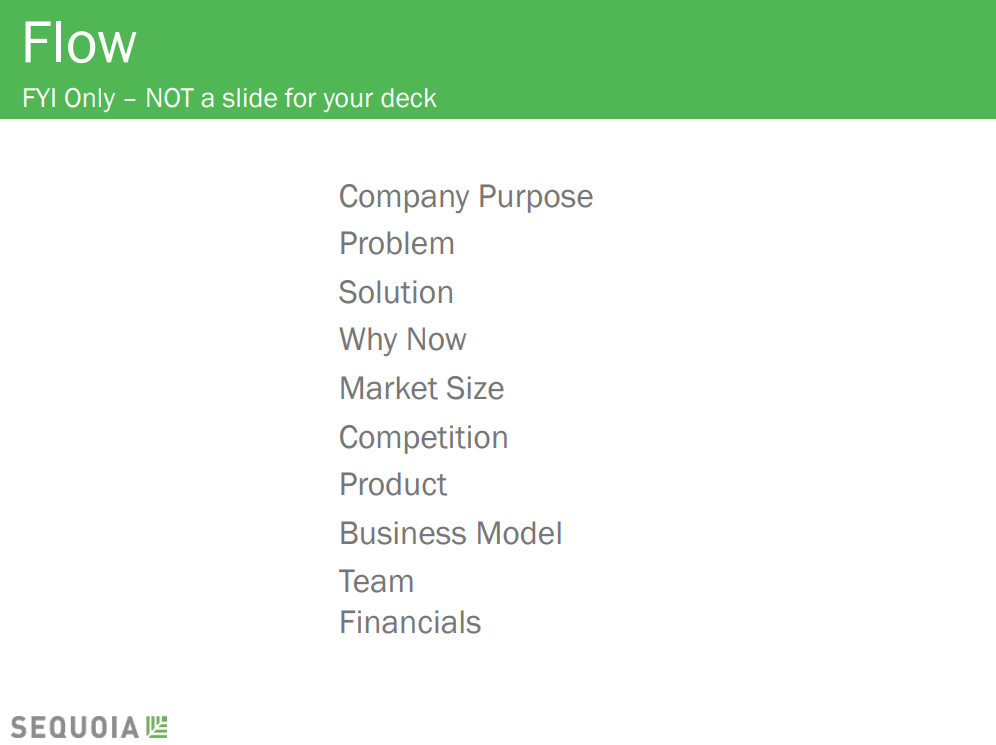
The Sequoia Capital pitch deck template wasn’t designed to impress with flashy graphics or overstuffed slides. It emerged in Silicon Valley as a response to a practical need—busy venture capitalists wanted founders to communicate their story in a format that’s straightforward, logical, and concise. The team at Sequoia distilled decades of investment experience into a structure that forces clarity: ten slides, each with a distinct purpose. Over time, this framework has influenced how thousands of founders shape their fundraising materials worldwide, becoming the “gold standard” that other firms and accelerators reference or adapt.
How VCs Use the Template to Evaluate Startups
Most investors see hundreds of decks every year. The Sequoia template helps them cut through noise. Each slide gives VCs a quick way to answer key questions: What’s the problem? Why does this matter right now? Who’s the team? The ordered structure removes ambiguity, encouraging founders to address the core of their idea—without hiding behind buzzwords. In effect, this format is not just founder-friendly, but also investor-efficient: it guides the conversation swiftly toward what matters and exposes any gaps in thinking or execution.
The consistency and clarity of this template have redefined pitch expectations in tech funding circles. But what slides actually make up the Sequoia deck, and why are they sequenced the way they are? Let’s break it down slide by slide for a closer look.
Essential Slides in the Sequoia Capital Pitch Deck Template
1. Company Purpose
Start strong with a single, clear sentence that explains what your company does. The purpose slide is your elevator pitch distilled on paper—think of it as your mission in a nutshell.
2. Problem
Lay out the real-world problem you’re solving. Highlight who experiences this problem and why existing solutions fall short, setting the stage for your value proposition.
3. Solution
Introduce your product or service and how it tackles the problem head-on. This slide should connect directly to the pain points from the previous slide.
4. Why Now
Explain the market timing. Is there a recent technological breakthrough, regulatory change, or consumer trend that gives your startup a unique window of opportunity?
5. Market Size
Investors care about scale. Use real numbers to show the size of your addressable market. Make it easy to see why this is a space worth pursuing.
6. Product
Show what you’ve built. Include a simple diagram, screenshots, or demo images, and walk through key features that set your product apart.
7. Team
Introduce your founders and leadership. Share backgrounds, relevant experience, and what uniquely qualifies this team to solve the problem.
8. Business Model
Clarify how you plan to make money. Whether it’s SaaS subscriptions, a marketplace fee, or direct sales, outline the basic mechanics of your revenue stream.
9. Competition
Map out who else tries to address this space and what sets you apart. Use a visual comparison table or quadrant to drive home your edge.
10. Financials
Share key numbers: early traction, growth metrics, projections, and essential financials. Give a snapshot that shows both ambition and realism.
Understanding the purpose of each slide clarifies what information to bring forward, but learning from real-world examples can help you craft slides that truly resonate.
Sequoia Pitch Deck Template: Free Download & Editing Tips
Download the template
Here’s the download of the Sequoia Pitch Deck template.
Tailoring Each Slide to Your Industry
The core structure of the Sequoia pitch deck is universal, but the impact comes from infusing each slide with details specific to your market. For example, a SaaS company’s Problem slide might show how workflow bottlenecks cost teams hours, while a hardware startup could highlight equipment failures that disrupt production. Anchor your solution and traction in data that matters to your field. If you’re in healthtech, patient outcome improvements and regulatory milestones speak louder than hypothetical market share. In consumer apps, usage stats and retention rates outperform generic adoption charts.
Visual cues matter, too. Infographics, product screenshots, or brief demo clips should match the expectations of an investor used to your industry’s pitch style. Study recent decks from successful startups in your space—note what they highlight and what’s left out. Trust in substance over sizzle.
Avoiding Common Mistakes Entrepreneurs Make
Trying to impress by cramming every possible detail onto a slide is a classic misstep. Instead, focus on clarity and ensure each slide answers a single question well. Avoid vague language (“innovative,” “game-changing”) and unsubstantiated claims. Swap in specific metrics from pilot programs, revenue, or customer growth, even if the numbers are modest—they signal progress and honesty.
Another pitfall: using slides in the order they come in the template, even if it feels unnatural for your story. Rearrange if needed—lead with the slide that makes your vision instantly clear. Finally, don’t overlook design. Typos, clashing colors, or stretched logos can distract from your message. Tidy slides show respect for your audience’s attention.
Once you’ve crafted a pitch deck that truly fits your company, it’s time to get hands-on with editable templates—unlocking the tools to make your best ideas shine with professional polish.
Thank you for reading EasyVC’s blog!
Are you looking for investors for your startup?
Try EasyVC for free and automate your investor outreach through portfolio founders!
Real Startup Examples Using Sequoia’s Pitch Deck Format
Consumer Product Pitch
Allbirds, a direct-to-consumer shoe brand celebrated for eco-friendly materials, pitched investors using the classic Sequoia slide flow. They opened with a simple company purpose: “To create better things in a better way.” Their problem and solution slides featured shoes made from natural, renewable fibers alongside stark photos of plastic pollution, instantly conveying urgency and differentiation. Their market size slide didn’t just list numbers—it visualized the massive footwear market, making their growth potential tangible.
Fintech Pitch
Brex, the corporate card company, tailored Sequoia’s structure to highlight their rapid product-market fit. Their “Problem” slide zeroed in on startup founders rejected by legacy banks, cutting straight to frustration points. The “Solution” slide showcased their instant application process—one smooth screenshot illustrated weeks of manual banking paperwork replaced by a five-minute signup flow. To stand out further, Brex used competition and business model slides to explain why their underwriting and revenue engine truly innovated, not just digitized, an old product.
Healthcare Pitch
Modern Health, a mental wellness platform, followed Sequoia’s template while emphasizing validation. Their “Why Now” slide blended rising workplace mental health needs with recent policy changes favoring teletherapy. For “Team,” they spotlighted healthcare experts and ex-operators who previously scaled similar services—lending instant credibility. Their market size visualization connected an abstract healthcare market to a relatable pain: the $300B+ cost of lost workplace productivity due to mental health struggles.
SaaS/AI Pitch
Notion, the workspace software startup, is a strong example of clarity through structure. The “Product” section used uncluttered visuals—a screenshot with three bullets—to walk investors through core features in under 30 seconds. Their “Why Now” pitch explained the shift toward remote collaboration, driving urgency for an all-in-one workplace tool. Notion’s “Financials” slide eschewed vanity metrics, highlighting retention and bottom-up adoption. The narrative built smoothly from problem to execution, leaving no room for confusion on where they fit—and how they grow.
From direct-to-consumer brands to SaaS disruptors, these founders used Sequoia’s pitch format not as a checklist, but as a storytelling guide. Next, let’s dive into hands-on tips for shaping each slide so your unique story stands out, no matter your industry.
Frequently Asked Questions
Do You Need All the Slides?
No, not every pitching situation calls for all ten slides. Some founders streamline their deck, especially at early stages or when time is tight. Prioritize slides that make your story clear—typically, company purpose, problem, solution, and team. However, skipping financials or competition can raise eyebrows if you’re aiming for a larger round.
What Sequoia Looks for Most
Investors at Sequoia get excited when they spot a unique insight—something others have missed about the market, the problem, or the timing. Beyond this, team and traction are vital proof points. A strong product demo trumps a glowing market estimate every time. Think clarity, evidence, and the reason your company must exist now. For more on product validation, see understanding product-market fit according to Sequoia.
Curious how to turn this template into your startup’s secret weapon? Let’s explore ways to personalize and strengthen your slides for any audience.