
SEO Revenue Growth: Strategies to Drive Measurable Gains

It’s easy to get caught up in the chase for website traffic, but when it comes to actually growing your business, the real question is: is your SEO bringing in more revenue? According to a 2023 BrightEdge study, organic search drives more than half of all website traffic and accounts for over 40% of total revenue on average. But not all traffic is created equal—some articles and keywords may bring in thousands of visitors but do little to move your bottom line.
In this post, we’ll look at the difference between just getting more visitors and actually turning those visits into measurable business gains. From setting revenue-focused SEO goals to picking the right keywords and measuring what matters, we’ll dig into practical strategies that connect your SEO efforts to real growth. Whether you’re a marketer tired of vanity metrics, a founder looking for better ROI, or just curious about what really works, this guide will help you rethink your approach to SEO for long-term revenue impact.
Linking SEO Efforts to Revenue—What Actually Moves the Needle?
Why Traffic Alone Doesn’t Guarantee Growth
If you measure SEO success by counting visits, you might be missing the mark. High traffic numbers are easy to chase but rarely translate to more sales or revenue—especially when the visitors aren’t the right fit or aren’t ready to buy. Churning out blog posts for keywords with sky-high search volumes can inflate your analytics, but these vanity numbers often mask the real issue: low conversion rates and minimal bottom-line impact.
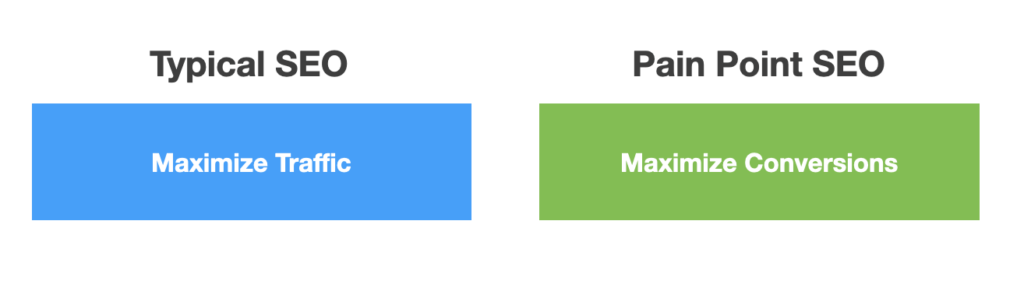
The illustration above demonstrates the gulf between chasing traffic and pursuing meaningful conversions. Quantity doesn’t always lead to quality, and focusing on the wrong intent can leave your revenue flat, no matter how impressive your traffic charts may look.
Essential Metrics: Tracking Real Business Impact
To move the needle, you must track the metrics that align closely with your company’s actual revenue streams. Instead of sessions or rankings, shift focus to:
Monitoring these tells you which pages and queries bring high-intent users—people ready to act, not just read. This data shapes future strategy, letting you double down on what works and prune what doesn’t. It also builds a direct line between SEO work and revenue numbers, making it much easier to explain (and increase) your true impact on the business.
While getting your metrics right puts you ahead of the “traffic-at-all-costs” crowd, true revenue growth depends on setting granular goals and building every initiative for commercial impact. Next, we’ll look at how to embed revenue accountability directly into your SEO approach, so every effort is aligned with measurable gains.
Building a Revenue-First SEO Strategy
Setting Clear, Revenue-Focused SEO Goals
Every SEO decision should start with revenue in mind, not rankings or raw traffic. Pin down your actual sales targets from organic search and reverse-engineer quarterly SEO goals from that figure. For example, if your target is an added $30,000 a month via SEO, ask what volume and type of conversions are necessary, and work backwards: how many leads, checkouts, or free trial signups—each attributed to a search landing. This clarity focuses your keyword targeting, content plan, and technical fixes around the real numbers that matter.
Avoiding Vanity Metrics in SEO Planning
Resist the urge to celebrate spikes in sessions or new keyword rankings if they don’t turn into revenue. Instead, monitor metrics like organic conversion rate, lead quality, revenue per visit, and assisted conversions from organic search. Limiting dashboards to numbers that connect with your sales goals keeps the team honest and the strategy focused. If a page ranks well but brings in the wrong visitors, cut it or overhaul it. Let revenue—not abstract KPIs—be the filter for your SEO roadmap.
Once your SEO plan is anchored to revenue and powered by meaningful metrics, it’s time to roll up your sleeves: the next step is applying specific, conversion-oriented changes to your site that turn intent-driven traffic into bottom-line results.
Critical On-Page and Technical Actions That Increase Revenue
Prioritizing Conversion-Driven SEO Changes
Instead of spreading thin across endless optimizations, focus on changes that drive visitors toward action. Enhance your primary conversion pages—product, service, and sign-up pages—by testing calls-to-action, rewriting headlines with buyer intent keywords, and simplifying page layouts for faster decisions. Integrate trust signals such as reviews and guarantees directly into your most-visited pages. This moves users from curiosity to conversion without friction, directly increasing transaction rates.
Optimizing for Search Intent Across Buyer Journeys
Map every top landing page to the stage of the buyer’s journey it serves. Make sure “awareness” stage articles answer real questions with clear next steps, while “consideration” and “decision” pages provide bottom-line value propositions, feature comparisons, and prominent lead captures. Align on-page SEO—metadata, headings, and content depth—to what searchers at each intent stage actually want. This alignment balances discoverability with conversion, so the right people land on the right pages at the right moment.
Technical Health Checks with Direct Revenue Impact
Revenue leaks often come from overlooked technical issues. Audit your site for crawling bottlenecks, slow load times, or broken mobile experiences—if search engines or users can’t navigate smoothly, revenue slips away. Fix duplicate content that dilutes page authority, patch schema markup to boost product visibility in search, and address 404s on high-value URLs.
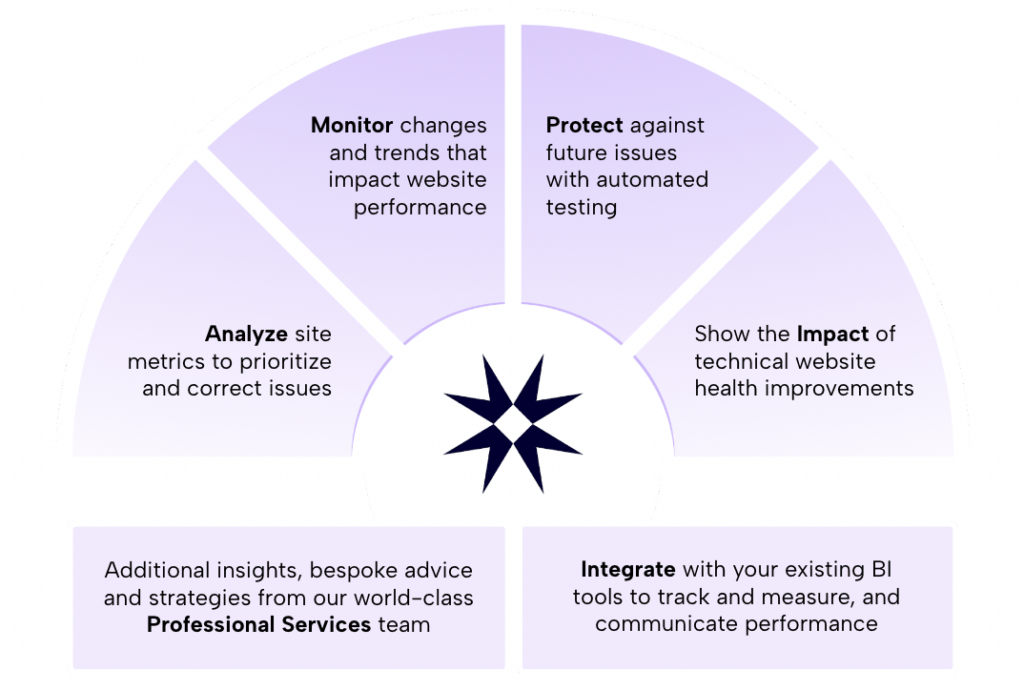
The infographic above illustrates how tracking technical health—indexing, speed, and usability—funnels directly into better rankings and higher conversions. Technical excellence keeps your revenue engine running efficiently.
With your site’s key pages and underlying infrastructure fine-tuned for growth, the next logical step is to transform content strategy—ensuring your efforts generate value for both search engines and your bottom line.
Proven Content Approaches for Sustainable SEO Revenue Growth
Deep-Dive Content vs. High-Volume Publishing
The days of churning out superficial blog posts for every keyword variation are numbered. Instead, the most reliable path to lasting SEO revenue growth lies in producing comprehensive, deep-dive content. Thorough resources—those that address pain points, answer complex questions, and offer genuine solutions—clearly outperform thin, repetitive articles. Not only do in-depth assets keep visitors engaged longer, but they also attract more high-quality backlinks, which strengthens domain authority and widens organic reach.
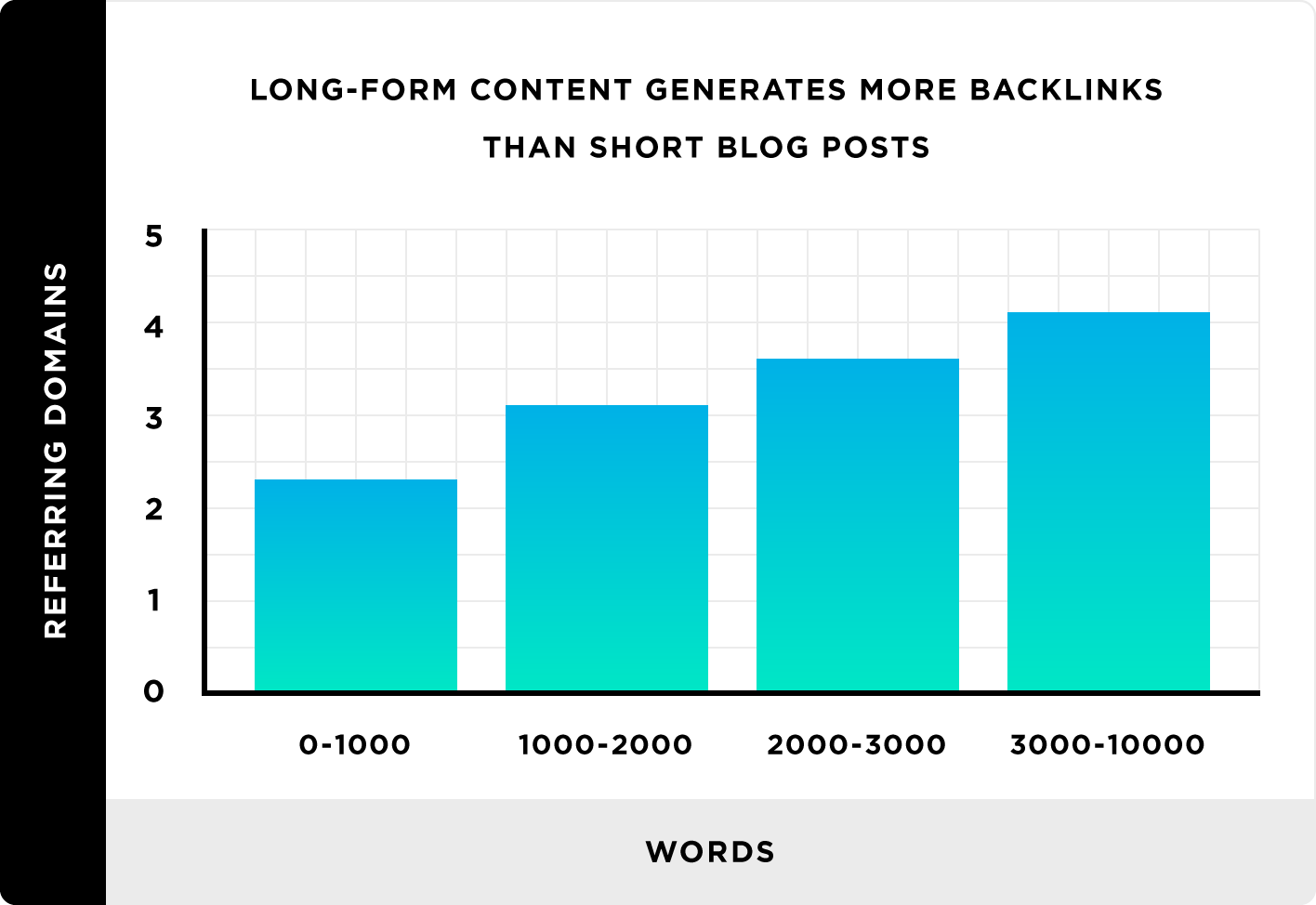
Long-form guides, original research, and case studies signal expertise and trustworthiness—both to search engines and to potential buyers—making them more likely to rank for competitive terms that actually influence revenue. Prioritizing quality over quantity also allows for more granular optimization and periodic content updates, ensuring your best URLs maintain or grow their value over time.
Mapping Content to Conversion Paths
The link between organic content and revenue becomes tangible only when you plot content directly to conversion points. Each strategic asset should target a specific decision stage in your buyer’s journey, with clear calls to action and logical next steps. For example, a product comparison guide can nudge evaluators toward a demo signup, while a troubleshooting article can direct frustrated users to your solutions page. By aligning content clusters with real conversion paths, you move visitors steadily from discovery to transaction—and to measurable revenue outcomes.
Ultimately, a revenue-focused content approach is less about publishing volume and more about purposeful planning, consistent updates, and relentless focus on conversion intent. Each piece becomes a deliberate step toward business impact, not just a page for Google to index.
Understanding these content strategies lays a solid foundation for targeting keywords that truly deliver higher return, ensuring your SEO efforts focus on driving measurable gains.
Thank you for reading EasyVC’s blog!
Are you looking for investors for your startup?
Try EasyVC for free and automate your investor outreach through portfolio founders!
Ready to see SEO deliver real, revenue-focused results? Start transforming your strategy from pageviews to profit with proven frameworks that drive measurable growth. Don’t let your efforts get lost in metrics that don’t move the bottom line—reach out to discover how your SEO can finally pay off where it counts.
Up next, we’ll dig into how the right keyword choices can unlock even bigger returns and reveal why intent mapping is the secret weapon behind high-ROI SEO. Stay tuned for actionable tactics that make every keyword count.
Keyword Selection and Intent Mapping for Higher ROI
Identifying High-Value Keywords That Convert
Pinpointing which keywords yield the most revenue starts with analyzing purchase paths, not just search volumes. High-value keywords reveal themselves in your bottom line, often showing a blend of mid-to-low competition with intent signals tied to transactions—think “buy,” “pricing,” “solution,” or even precise product names. Examining your analytics for historic keywords driving conversions (rather than clicks) gives you a shortlist worth targeting.
Next, look for search terms used by your actual customers right before they convert. Tools like Search Console and analytics platforms help correlate keyword rankings with sales rather than raw visits. By focusing on topics and phrases that move users further down the funnel, you increase ROI without broad, unfocused reach.
Understanding Commercial vs. Informational Intent
Not all searches are created equal: some users are just researching, while others are ready to act. Winning SEO revenue means differentiating between informational and commercial intent—mapping keywords to these mindsets lets you prioritize those most likely to generate income.
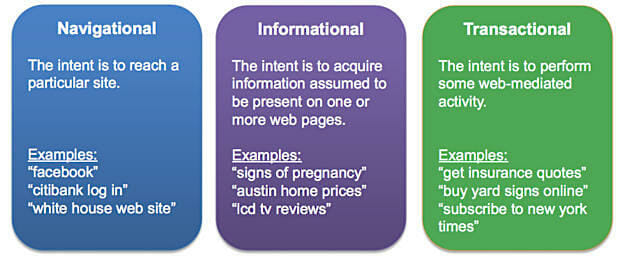
Informational queries (“how to…”, “best practices for…”) build awareness but rarely close sales. Commercial and transactional intents (“buy,” “discount,” “software for X need”) indicate readiness to purchase. By focusing on commercial intent clusters, you connect with people at the decision stage, maximizing the value of every click—and reducing wasted spend on low-value curiosity searches.
Dialed-in keyword and intent mapping makes the difference between SEO campaigns that bring in revenue and those that just rack up impressions. In the following section, we’ll explore how to measure and refine these efforts so each optimization move is tied directly to real business growth.
Measuring, Optimizing, and Attributing SEO Revenue Over Time
Revenue Attribution Models for SEO
Connecting SEO actions to actual revenue requires more than tracking leads or generic conversions. To pinpoint what’s working, implement revenue attribution models that reflect the true customer journey. First-touch, last-touch, and multi-touch attribution models each tell a different story. Multi-touch attribution often gives a more accurate picture, especially for longer buying cycles, by distributing value across all SEO-driven interactions.
Go beyond session-level analytics. Track users across multiple visits, and use UTM parameters from organic search landing pages to associate revenue with specific keyword clusters or content assets. Integrate CRM or e-commerce data so you’re tying sales, not just goals, to specific SEO activities.
Iterative Optimization Using Revenue Data
Optimization becomes meaningful when it’s steered by revenue—not just rankings or clicks. Regularly review keyword, content, and landing page performance to find what’s producing sales, not just visits. Say a blog post ranks #1 but drives little revenue, while a lower-traffic page brings in high-ticket leads—redirect optimization efforts accordingly.
Develop a testing habit: experiment with on-page calls-to-action, internal linking, and landing page layouts. Use revenue lifts, not surface metrics, as your success benchmark. A/B test page changes and measure the downstream impact on purchases or qualified leads, focusing on the assets most closely tied to your bottom line.
Tools and Reporting Tips for Clear Attribution
For clear attribution, lean on platforms that connect SEO performance to financial outcomes. GA4 offers enhanced event and e-commerce tracking, but connecting to your CRM or transaction software closes the loop. Create custom dashboards that merge organic traffic, assisted conversions, and actual revenue to visualize which SEO initiatives deserve more investment.
Set up routine reporting that flags not just traffic shifts but also revenue attribution changes, using annotations to mark content updates, technical fixes, or off-page campaigns. Periodically audit your tracking setup to ensure each key action is tracked through to the final sale. This level of clarity reveals opportunities—and lets you cut waste fast.
With robust measurement and data-led optimization in place, let’s take a look at how these principles play out in practice, spotlighting businesses that have transformed diligent SEO tracking and revenue attribution into tangible growth.
Real-World Results: SEO Revenue Growth in Action
Case Examples: From Increased Traffic to Bottom Line Impact
Let’s get specific—real SEO revenue growth isn’t just about jumping up the rankings. It’s about making those higher spots mean something measurable for your business.
Take the case of an ecommerce store specializing in specialty coffee. Shifting their focus from sheer traffic volume to commercial intent keywords, they didn’t just see a spike in visits—they saw a 37% increase in checkout completions within three months. That’s more than vanity metrics; it translated to $42,000 in additional monthly revenue. The team didn’t double content output. Instead, they fine-tuned just a few high-traffic landing pages to answer buyer questions and nudge hesitant users toward purchase.
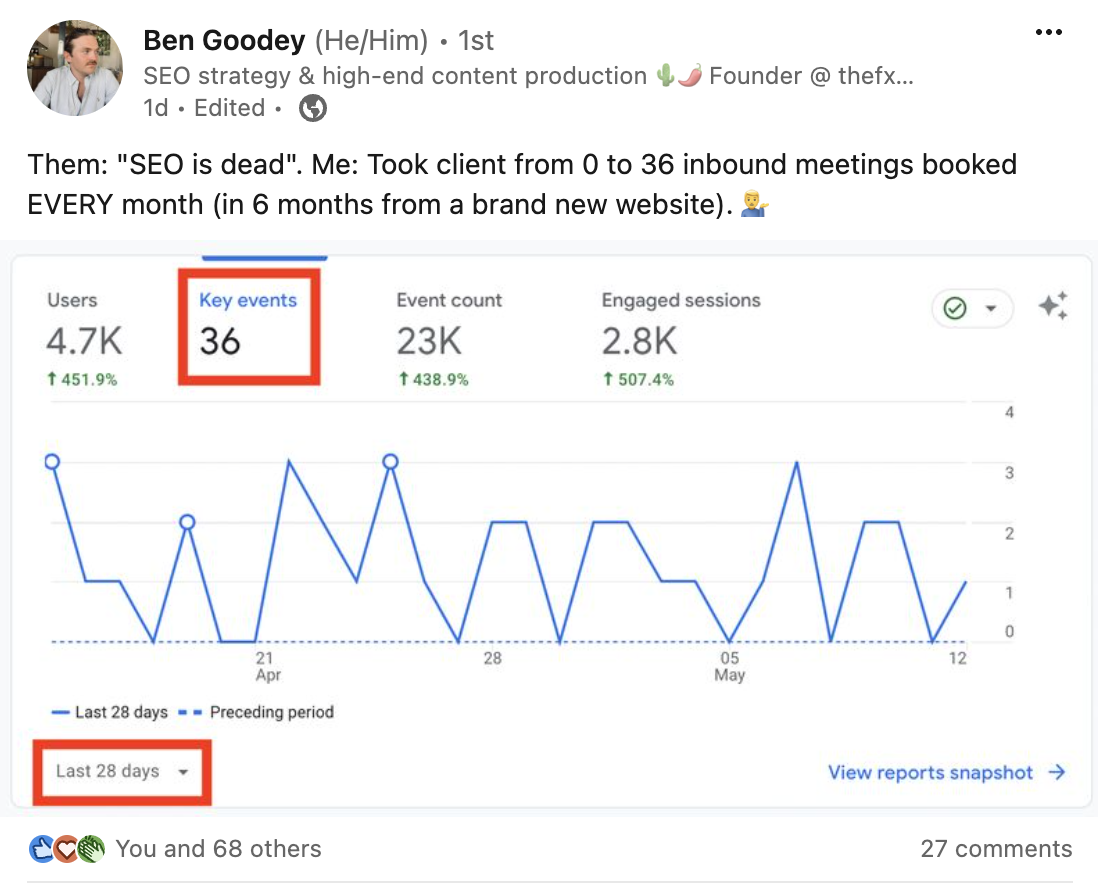
Another example: a B2B SaaS company mapped their blog content to stages in the sales funnel, tracking assisted conversions. After updating older educational posts with clear CTAs and solution-driven messaging, demos booked from organic search grew by 61% in six months. Their analytics dashboard didn’t just look better—sales calls and new contracts followed.
Real revenue growth via SEO comes down to precision and user-centric refinement, not endless content churn. These stories prove that chasing high-intent traffic and prioritizing on-site conversion opportunities deliver dollars—not just dashboards.
As these examples show, tying SEO to revenue means every change is intentional and trackable. Next, let’s uncover how intentional keyword selection and smart intent mapping turn strategic targets into revenue-generating opportunities.