
Revolutionizing Venture Capital with AI Tools


The venture capital industry, long associated with intuition-driven decisions and traditional investment models, is undergoing a profound transformation. AI tools, equipped with cutting-edge technology and data-driven insights, are revolutionizing how venture capitalists identify opportunities, assess startups, and manage portfolios. This evolution is not just redefining investment strategies but also enhancing operational efficiency and enabling smarter, faster decisions. As AI continues to reshape the landscape of venture capital, understanding its potential and implications is crucial for investors aiming to maintain their competitive edge in this dynamic market.
The Impact of AI on Venture Capital
Transforming Investment Strategies
Artificial Intelligence is revolutionizing the core strategies of venture capital firms by providing unmatched capabilities to analyze new and diverse data sets. Machine learning algorithms can predict startup success by evaluating vast amounts of data, offering insights that were previously inaccessible. These powerful tools allow venture capitalists to make more informed decisions while minimizing risks and maximizing returns.
Enhancing Operational Efficiency
In addition to refining investment strategies, AI is also enhancing operational efficiency within venture capital firms. AI-driven automation streamlines processes like financial modeling, market analysis, and administrative tasks, freeing up valuable time for venture capitalists to focus on high-value activities. This results in increased productivity and agility, enabling firms to respond more quickly to emerging opportunities.
Data-Driven Decision Making
AI tools empower venture capitalists with data-driven decision-making capabilities, providing a comprehensive understanding of market dynamics and potential investment opportunities. By leveraging AI’s analytical prowess, firms can quickly evaluate financial metrics, market trends, and competitive landscapes.
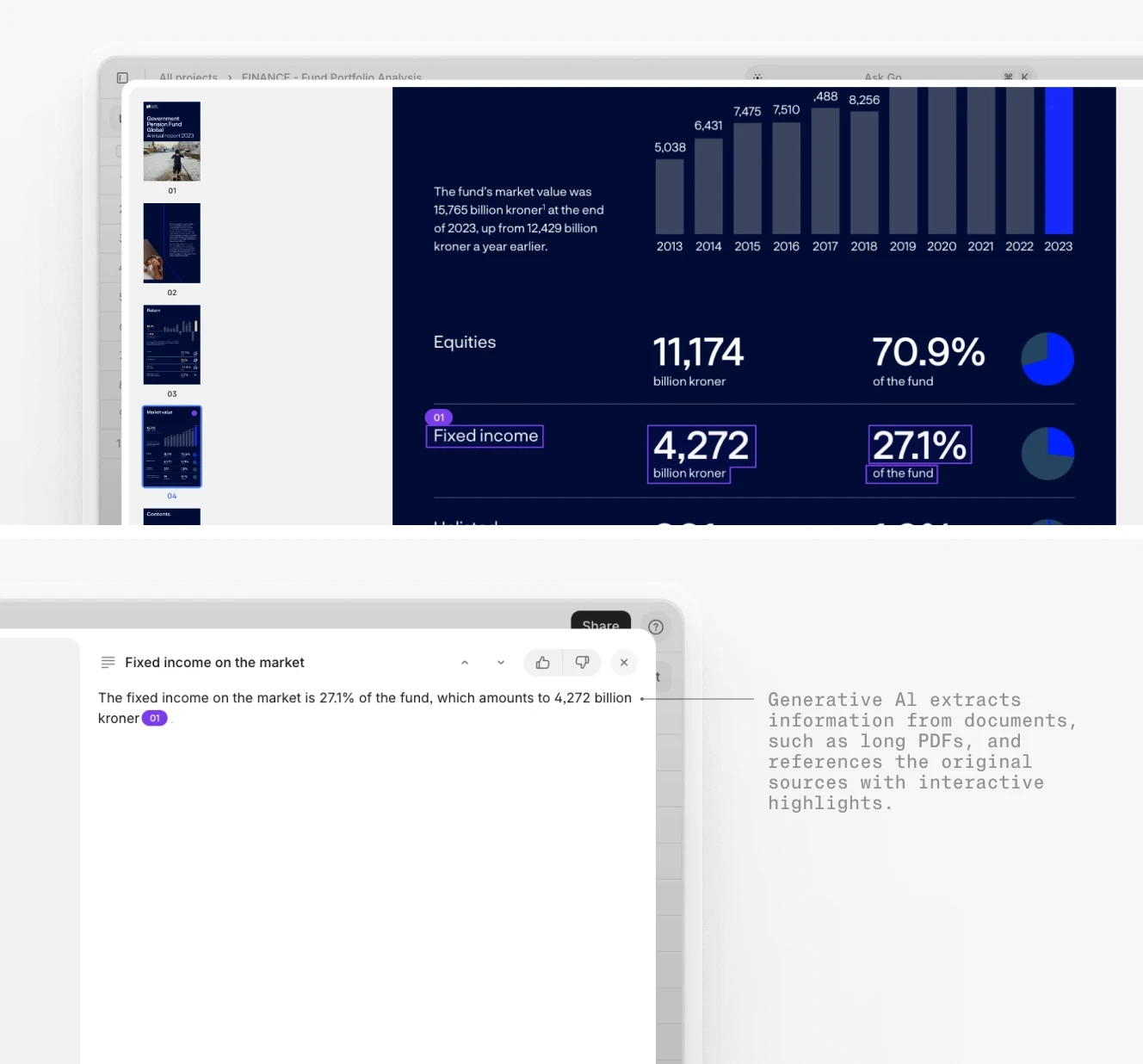
This data-driven approach enhances the precision of investment decisions and helps identify lucrative opportunities that might have been overlooked through traditional methods.
As AI continues to make significant strides in reshaping venture capital practices, it’s crucial to explore the key use cases where these tools are making the most impact. Understanding these applications will shed light on how AI can be effectively harnessed within the industry.
Key Use Cases for AI in Venture Capital
Deal Flow Automation
AI-powered tools streamline deal flow processes by automatically scanning thousands of startup profiles, filtering them based on pre-set criteria, and presenting only the most promising opportunities to investors. This automation reduces time spent on sifting through irrelevant deals and allows venture capitalists to focus on higher-value tasks.
Startup Evaluation and Due Diligence
Through advanced machine learning algorithms, AI assists in evaluating startups by analyzing key performance indicators, market data, and historical trends to predict potential success. This helps in conducting thorough due diligence quickly, providing an edge in identifying viable investment opportunities.
Portfolio Management and Monitoring
AI tools provide real-time monitoring and analysis of portfolio companies, offering insights into their financial health, market position, and growth metrics. These insights help venture capitalists make informed decisions regarding additional investments, restructuring, or exits.
Deal Negotiation and Term Sheet Generation
Artificial intelligence can enhance negotiations by analyzing historical negotiation data to suggest favorable terms and conditions. Furthermore, AI tools can automate the generation of term sheets, ensuring accuracy and saving time for venture capitalists.
As we explore these transformative use cases, it’s evident that AI is not just enhancing existing processes but reshaping the landscape of venture capital itself. In the following section, we will dive into some of the top AI tools that are currently making waves in the venture capital industry, setting the stage for innovation and efficiency.
Top AI Tools Reshaping Venture Capital
Affinity
Affinity is a powerful relationship intelligence platform that helps venture capitalists manage their networks efficiently. Using AI, it automates contact management and enriches data to provide insights that help in making informed investment decisions. Affinity’s ability to track and analyze interactions streamlines the deal-making process, making it a valuable tool for venture firms.
ChatGPT
ChatGPT, developed by OpenAI, offers immense potential in enhancing communication and information retrieval within venture capital. From drafting emails to quickly summarizing reports, this conversational AI tool can assist investors in managing their day-to-day tasks more efficiently. Its ability to understand and generate human-like responses makes it an essential tool for both internal operations and external interactions.
Tracxn
Tracxn is a research platform that leverages AI to provide comprehensive data on startups and emerging sectors. With its extensive database and machine learning capabilities, Tracxn helps investors identify promising opportunities by delivering detailed reports and analytics. This tool saves time and effort in sourcing potential investments, offering a competitive edge in the discovery phase.
Merlin
Merlin is designed to assist in financial modeling and forecasting, empowering venture capitalists with accurate projections and scenario analyses. By automating processes and incorporating AI-driven insights, Merlin enhances decision-making capabilities, helping investors evaluate the potential success of their investments more effectively.
TechScout
TechScout aids venture capitalists in staying ahead of the curve by monitoring technological trends and tracking innovation ecosystems. Through AI-powered analytics and trend predictions, TechScout offers strategic insights into where the market is heading, enabling investors to align their portfolios with future technological advancements.
With these tools revolutionizing how venture capitalists operate, understanding the best ways to implement AI effectively becomes crucial. Next, we will explore best practices that ensure successful AI integration in venture capital firms, balancing innovative technology with human expertise.
Best Practices for AI Implementation in VC
Ensuring Data Privacy and Confidentiality
Data privacy and confidentiality are paramount in the venture capital industry, where sensitive financial information and proprietary startup data are involved. Implementing robust security measures and adhering to compliance standards are essential best practices while integrating AI tools. Firms should establish clear guidelines on data governance and institute regular audits to prevent breaches or misuse of information.
Balancing AI and Human Expertise
While AI can significantly enhance decision-making processes, it’s crucial to strike a balance between automated insights and human judgment. Venture capital involves nuanced evaluations that AI alone cannot replicate. Leveraging AI as a support system allows professionals to focus on strategic decision-making, thereby combining the benefits of both advanced technology and human expertise.
Overcoming AI Limitations
AI tools offer powerful analytical capabilities, but they are not without limitations. Understanding these limitations is key to successful implementation. Venture capitalists should be aware of factors such as algorithm biases, data quality issues, and the need for continuous model training to ensure optimal performance. Addressing these challenges through ongoing education and technical support enhances the overall value of AI solutions.
As the venture capital landscape continues to evolve, staying abreast of future trends will be critical in maximizing the potential of AI tools and maintaining a competitive edge in the market.
Future Trends: The AI Revolution in Venture Capital
Emerging Technologies
The venture capital industry is on the brink of a transformative era as emerging AI technologies continue to unfold. Innovations such as natural language processing and machine learning algorithms are becoming cornerstones for discovering investment opportunities. These technologies enable venture capitalists to analyze vast datasets, recognize patterns, and predict market trends with unprecedented accuracy. Additionally, AI-powered tools are facilitating enhanced forecasting models that predict startup success by evaluating diverse variables rapidly.
Predicted Impact on Investment Strategies
As AI continues to evolve, it is reshaping investment strategies in profound ways. The integration of AI in venture capital allows for more strategic diversification and risk management. AI models are not only identifying lucrative sectors but are also adapting investment approaches based on real-time analytics. This shift promotes a more dynamic allocation of capital, allowing firms to optimize their portfolios effectively. AI’s predictive capabilities are also enhancing the precision of market timing, enabling investors to enter and exit markets with improved timing.
The Evolving Role of Venture Capitalists
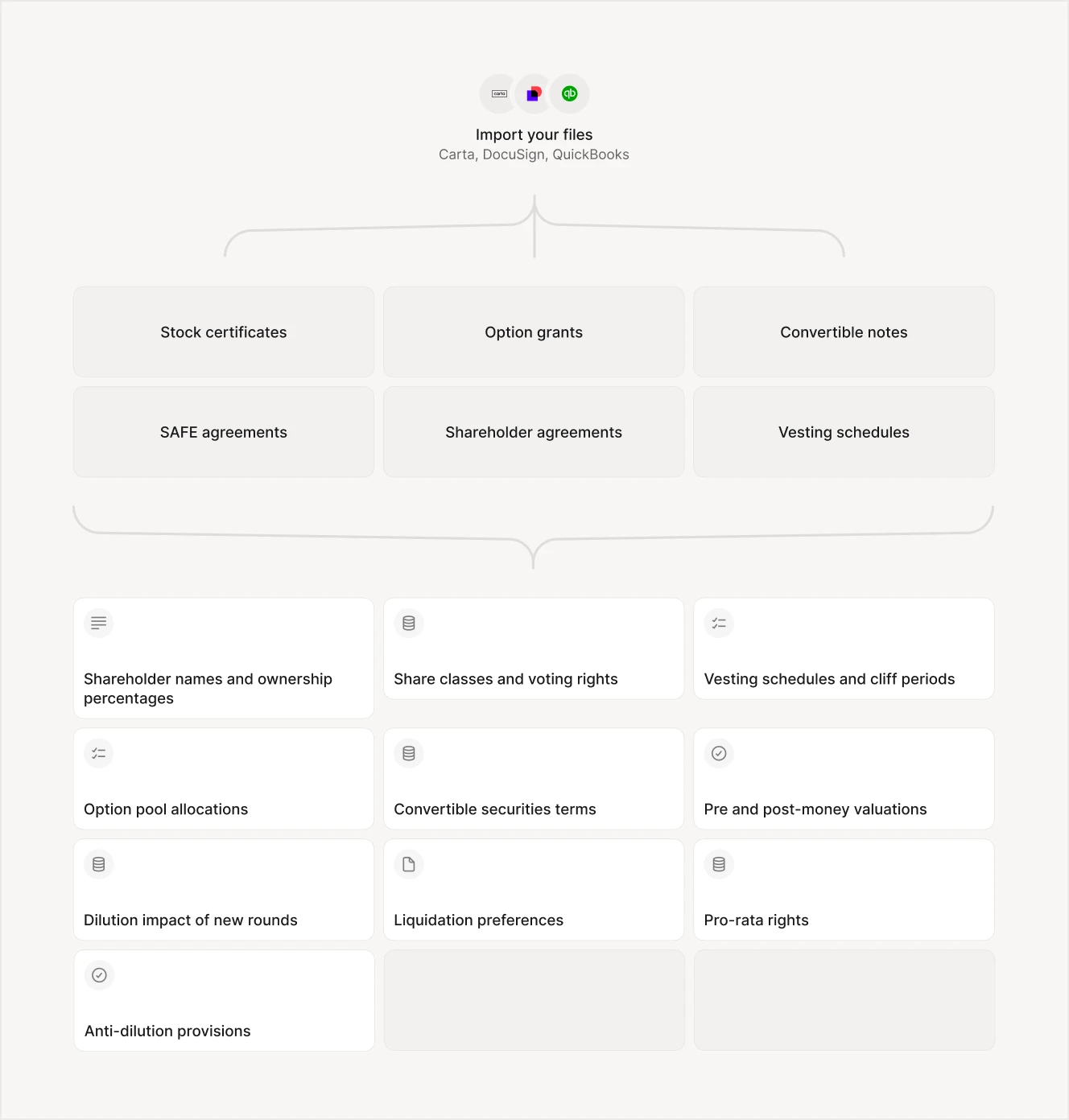
The role of venture capitalists is evolving alongside the AI revolution. As technology simplifies data analysis and investment processes, the emphasis is shifting towards strategic decision-making and relationship building. Venture capitalists are expected to enhance their skills in interpreting AI outputs while maintaining a human touch in negotiations and mentorship. AI tools serve as enablers, allowing professionals to focus on nurturing startup ecosystems and creating sustainable business models.
As we further explore how AI tools are transforming this industry, we delve into key use cases where these technological advancements are most impactful. Understanding these implementations provides insights into the practical applications of AI in venture capital and its potential to redefine industry norms.