
Monthly Updates: How to Track, Use, and Improve Your Progress

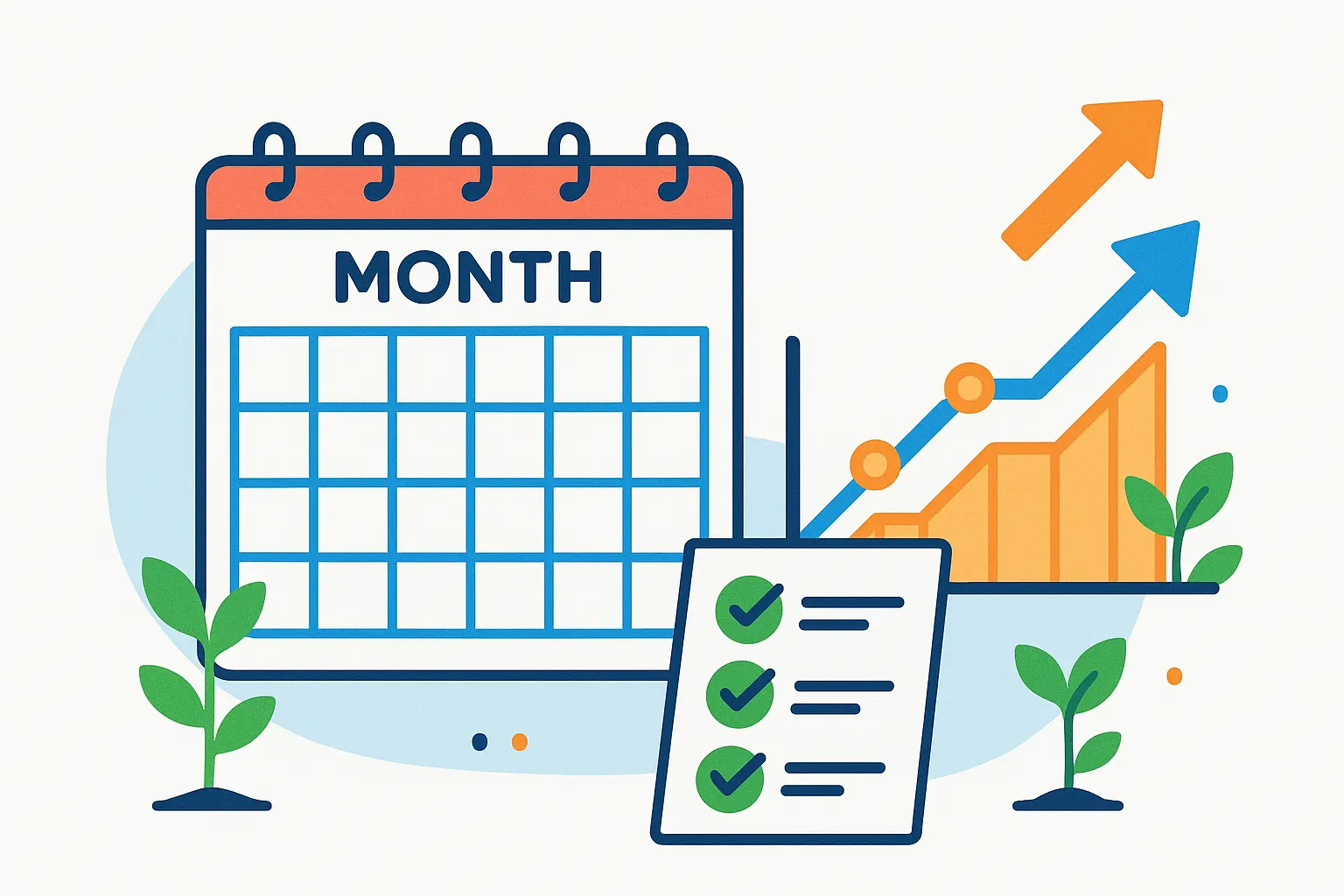
Making progress on your goals can feel exciting—until you look back and can’t remember what actually changed over the last month. That’s where monthly updates come in. By taking a little time each month to track what you’ve done, you create a clear picture of how far you’ve come—and what still needs attention.
Research shows that people who review their goals regularly are up to 33% more likely to achieve them compared to those who don’t track at all. Monthly updates help you notice trends and adjust sooner, instead of waiting for surprises. Whether you’re managing a personal goal, a small business project, or your team’s performance, these updates help turn good intentions into real results.
This article breaks down how to track your progress, ways to actually use your updates, and how to make improvements that add up over time. If you’ve ever felt stuck, forgotten what you’ve accomplished, or wondered how to keep moving forward, monthly updates might become your new favorite habit.
What Are Monthly Updates and Why They Matter
Defining Monthly Updates
Monthly updates are regular check-ins that capture your progress over a set period—typically a month. Instead of sifting through endless daily details, these updates highlight key achievements, setbacks, and lessons learned. The result? A clear snapshot that tells the story of your growth, challenges, and forward movement at a glance.
Who Benefits Most from Monthly Updates
Anyone aiming for steady progress—individuals, teams, or small businesses—wins with monthly updates. Creators can see how their projects evolve. Business owners spot trends they might otherwise miss. Teams keep projects aligned and uncover bottlenecks early. Even solo learners get perspective on how much ground they’ve covered, turning raw effort into visible accomplishments.
Now that you know the impact monthly updates can have, let’s dig into how you can set up a process that makes tracking your journey easy and rewarding.
Setting Up an Efficient Monthly Update Routine
Key Elements to Include in Each Update
Start by keeping your monthly updates focused, not crammed. Each entry should capture the most important numbers—think results, growth spikes, and areas that need serious attention. Make sure to document not just metrics, but also what actions or experiments led to specific shifts. Add a quick snapshot of lessons learned and small wins. Keeping a short “roadblocks encountered” section helps clarify what slowed progress and stops repeating old mistakes.
Recommended Tools for Consistent Tracking
Find tools that simplify, not complicate. Spreadsheets like Google Sheets let you design custom trackers and show trends with simple charts. For more automation, apps like Notion or ClickUp connect your tasks and notes in one place. If you’re tracking team results, dashboards like Databox or Google Data Studio gather everything into visual reports. Pick one tool where possible, and set a reminder so filling out your update becomes a habit—not a last-minute scramble.
Now that your update routine is firmly in place, it’s time to turn those records into actionable steps that make your progress more than just numbers on a page.
Making the Most of Your Monthly Updates
Analyzing Data for Real Insights
Diving into your monthly numbers isn’t just about red and green arrows—it’s about understanding what actually caused those changes. Instead of glossing over the data, pinpoint which actions led to specific jumps or setbacks. Did that new outreach approach really drive more traffic, or did a single blog post unexpectedly steal the show? Highlight moments where the results surprised you, and keep an eye out for repeating patterns that say more than just this month’s totals.
Adapting Goals Based on Trends
As your updates build up month over month, certain trends will start to emerge. If your open rates dip every time you send messages on Fridays, or your best growth always happens after content refreshes, adapt your next month’s goals to reflect these discoveries. Move beyond just tracking: let the patterns shape what you’re aiming for next. The smartest goals aren’t set in stone—they evolve as you learn more from your own progress.
Now that you’re making your data work for you, let’s explore creative ways to present your progress and engage your team or audience, turning updates into something people actually look forward to.
Thank you for reading EasyVC’s blog!
Are you looking for investors for your startup?
Try EasyVC for free and automate your investor outreach through portfolio founders!
Creative Formats for Sharing Monthly Updates
Visual Dashboard Ideas
Numbers and stats alone can blur into indifference—unless you let visuals do the heavy lifting. Consider using color-coded charts for progress snapshots or interactive bar graphs to highlight upticks and dips. Infographics summarizing key milestones make month-to-month comparisons a breeze. Don’t underestimate icons, emojis, or subtle animation: a bouncing checkmark can turn an ordinary list of achievements into something to celebrate.

If you’re sharing updates with a wider team, try embedding a shareable dashboard using tools like Google Data Studio or Notion widgets. This way, everyone gets real-time insight at a glance, no login required.
Engaging Written Summaries
A good story sticks. Swap generic bullet points for a concise narrative: what worked this month, what didn’t, and the standout moments—even if it’s a lesson learned the hard way. Break up text with bold headers, short lists, and mini-case studies for context. Inject personality by sharing a motivational quote or a team anecdote. The goal: make it readable in under three minutes, but lively enough that folks actually finish.
Ultimately, the best format is the one people remember. Try a new approach each month until you find what prompts feedback or sparks discussion—those reactions are your best sign that the format is landing.
Now that your updates not only inform but engage, it’s time to tackle the questions that crop up as you hone your update routine and build momentum each month.
Common Questions About Monthly Updates
How Detailed Should Monthly Updates Be?
Monthly updates work best when they strike a balance—enough detail to capture meaningful trends, without getting lost in the weeds. Skip daily nitpicks, but highlight clear shifts, obstacles that cropped up, and major wins. Visuals like charts or progress bars can quickly sum up information, making it easier to spot patterns. If you find yourself hesitant to share, remember: specifics offer context, but don’t overload yourself or your team with raw data dumps. Focus on what’s actually useful for making decisions next month.
Tips for Staying Consistent
Consistency in monthly updates comes down to routine and simplicity. Make it a recurring appointment—even 30 minutes at the start or end of the month does the trick. Prepare a short template with key questions or metrics, so you’re not reinventing the wheel each time. If life gets busy, jot down highlights throughout the month, then pull them together for your update. Accountability helps too: share with a peer, or post in a shared space where others expect your input.
Next, let’s explore some creative (and surprisingly easy) ways to make your monthly updates more engaging—especially if you’re tired of the same old spreadsheets.