
Marketing Scores for SaaS: Beyond NPS, Lead Scoring, and Metrics that Matter

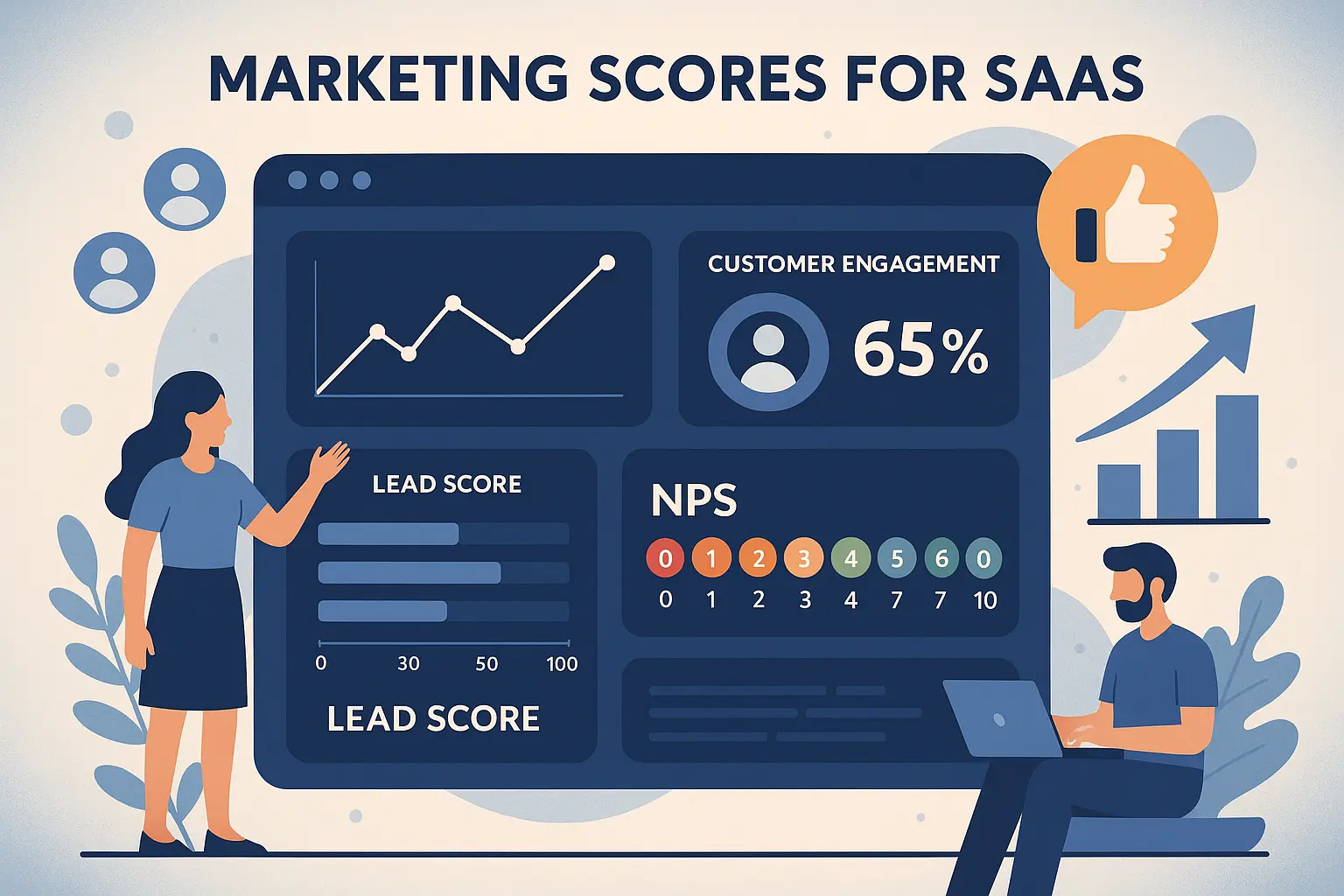
Most SaaS companies measure their marketing efforts by tracking leads, running NPS surveys, and keeping an eye on signups. But with rising competition and longer sales cycles, these basic metrics are rarely enough to tell the whole story. According to a 2023 SaaS industry report, over 70% of companies that combined different marketing scores—like engagement, health, and churn risk—saw better customer retention and higher conversion rates.
If you’ve ever wondered why one promising lead never converts, or why your NPS score jumps but churn rates stay stubbornly high, you’re not alone. Understanding the real impact of your marketing means looking beyond old standbys like NPS and lead scoring. In this article, we’ll break down the key marketing scores for SaaS, explain how to get more reliable insights, and share practical ways to put this data to work—without making things complicated. Let’s dig in.
What Are Marketing Scores in SaaS?
Marketing scores go beyond collecting data—they distill information into signals that help SaaS companies make smarter decisions. They reflect how individuals or accounts interact with your product, respond to campaigns, and experience your brand across the journey. Let’s dig into the most vital types of scoring you’ll find in SaaS.
Lead Scores: Qualifying Buyers in Your Funnel
Imagine a way to spotlight buyers who are genuinely ready to talk sales. Lead scoring assigns points to behaviors (like signing up for a trial, visiting your pricing page, or attending a webinar) and to qualities (such as company size or job title). High-scoring leads are more likely to convert, so your team can focus on real opportunities and not just form fills.
Net Promoter Score (NPS) as a Gauge of Satisfaction
The Net Promoter Score cuts through the noise and measures how likely customers are to recommend your software. It only asks one question but captures a wealth of sentiment. SaaS businesses use NPS to spot promoters who spread the word—and detractors at risk of churn. Unlike one-off feedback, it’s a continuous pulse check on customer loyalty.
Engagement and Health Scores: Measuring Customer Value
Raw usage metrics rarely tell the whole story. Engagement and health scores pull together signals like logins per week, feature adoption, support interactions, and more. The result: a snapshot of a customer’s relationship with your product. These scores help Customer Success teams spot users thriving—or stumbling—so they can act before it’s too late.
While each of these scores carries weight on its own, their true power comes to light when you know which ones matter—and how to use them together to unlock growth. Next, we’ll spotlight the scores every SaaS business should keep front and center.
Key Marketing Scores Every SaaS Business Should Track
Lead Scoring: Behavioral & Demographic Factors
Not all leads are created equal. SaaS companies should score potential customers by looking beyond just email opens or webinar signups. Combine clear behavioral signals—like trial activation, feature exploration, and repeated logins—with demographic context, such as company size or industry fit. True buying intent surfaces when product interest and ideal customer profile overlap. Prioritize leads who show both, and you’ll focus sales energy where it counts.
NPS Benchmarks for SaaS: What’s ‘Good’?
Net Promoter Score sounds simple, but what actually counts as a healthy score in SaaS? B2B SaaS benchmarks put “good” NPS surprisingly high—think 30 to 50 for most, while world-class products nudge toward 60 or more. The real value comes from tracking changes over time and closing the loop with feedback, not simply hitting a number. Analyze NPS by segment—users, admins, decision-makers—so you learn where advocacy runs deep and where it’s shallow.
Product Engagement Metrics
Engaged users stick around. Track login frequency, feature adoption rates, session duration, and depth of usage. Ignore vanity numbers—focus on the key actions that connect directly to the value your SaaS promises. Watch for the “aha” moment: the first product interaction where new users see real benefit. Higher engagement signals product-market fit and lays the foundation for expansion revenue.
Churn Prediction and Customer Health
Early churn signals are often obvious in hindsight—teams log in less, skip updates, or ignore support offers. Track health scores that combine usage drops, support tickets, billing red flags, and NPS shifts. A rising churn risk score means it’s time for targeted intervention, whether it’s a check-in from Customer Success or a tailored marketing campaign. Health scores help keep the warning lights blinking before contracts end.
Mastering these scores is the foundation. Next, we’ll look at how to blend them into a single, actionable model—so teams don’t just measure the business, but actually move it forward.
Building an Effective SaaS Marketing Scoring Model
How to Combine Different Scores for Actionable Insights
Your customer view improves when you look beyond isolated gauges. Scoring models that just track leads or NPS in a silo miss the patterns that actually drive conversions or churn. The real value emerges when you layer multiple scores—say, demographic fit, product engagement, and advocacy—into a unified framework.
For example: An ideal-fit prospect who’s deeply engaged with your trial but hasn’t responded to campaigns may benefit from targeted outreach. Combining low engagement scores, dropping NPS feedback, and renewal timelines can flag at-risk accounts earlier. The trick: establish clear thresholds for each scoring dimension and map those to actual events, like onboarding, feature adoption, or upsell opportunities. Simple score aggregation won’t cut it—weights and trigger thresholds need tuning over time as behaviors and product evolve.

Tools that enable dynamic score calculation or provide customizable scoring formulas make it possible to analyze how behavior, satisfaction, and profile work together—revealing groups ready for nurturing, sales handoff, or support intervention. The goal? Context, not just another number in a dashboard.
Bridging Sales and Marketing with Shared Scoring
Disjointed scoring causes promising leads to slip or valuable customers to go unnoticed. Getting both marketing and sales on the same page starts with developing shared definitions for what each score means—and who takes action when certain thresholds are met. Define collaboratively what qualifies as “sales-ready” and specify the signals to watch for, from engagement spikes to promoter feedback.
Transparency between teams is crucial. Align regular reviews of scoring criteria, feedback loops on closed-won (and lost) deals, and ownership of score adjustments. When systems sync, leads move forward smoothly and existing customers receive the right attention before issues arise. This isn’t just about technology—it’s about trust and clear communication.
Now, with a solid scoring model in place and alignment across teams, the natural next step is choosing the right tools to implement, automate, and refine your scoring so insights don’t just sit on paper—they drive real, measurable outcomes.
Thank you for reading EasyVC’s blog!
Are you looking for investors for your startup?
Try EasyVC for free and automate your investor outreach through portfolio founders!
Imagine what your team could accomplish if every lead was prioritized with accuracy, every customer sentiment was understood in the moment, and every marketing effort was driven by reliable, actionable scores. The right approach to marketing scores isn’t just about data—it’s about empowering smarter decisions throughout your SaaS journey.
If you’re ready to experiment beyond static dashboards and want to see what dynamic scoring looks like in action, stay tuned for our deep dive into the tools and integrations fueling top SaaS growth stories today.
[CTA-HOOK]Top Tools for Automating and Tracking SaaS Marketing Scores
Popular Lead Scoring & NPS Platforms
Choosing the right tools can redefine how you track, interpret, and act on your marketing scores. HubSpot and Salesforce remain favorites for automated lead scoring, letting you map behaviors—like demo signups or email engagement—directly to dynamic scores inside your CRM. For those prioritizing in-app product data, tools like Segment integrate user events from web and product, powering more accurate scoring models.
When it comes to measuring sentiment, Delighted and AskNicely have made NPS surveys frictionless. These platforms automate survey delivery, gather real-time responses, and feed satisfaction scores directly into your dashboards. They even segment by account health so you can spot fans and at-risk customers at a glance.
Integrating Scoring Systems with Your Tech Stack
Tracking scores in isolation limits your view. The real magic happens when you connect scoring tools with your broader SaaS stack. Platforms like Zapier and Tray.io help orchestrate workflows between scoring software, marketing automation, and sales systems—think: trigger a nurture sequence the minute a lead crosses a score threshold.
If you’re already using a customer data platform such as Segment or Totango, you can centralize scores (lead, NPS, engagement) from across all channels. This turns your marketing score into a single source of truth, fueling both reporting and automated actions. The sooner your data flows freely between product, sales, and marketing, the more actionable your scoring models become.
Next, let’s explore frequent mistakes SaaS teams make with marketing scores—and how to sharpen your approach, so your efforts translate into real business growth.
Mistakes to Avoid and How to Optimize Your Scoring
Over-relying on a Single Metric
Putting all your chips on NPS, a lead score, or any singular number traps your decision-making. For example, high NPS doesn’t always equal high product adoption, and a model based solely on firmographics can miss surges of genuine product interest. Instead, blend signals—look for patterns from product usage, renewal rates, onboarding steps, and feedback sources. When teams triangulate multiple metrics, they uncover richer, more predictive insights.
Letting Scores Get Stale: The Case for Real-time Updates
Many SaaS teams set up scoring rules and promptly forget them. This “set it and forget it” mentality means you’re making decisions based on last month’s reality. Users evolve how they interact—maybe a new feature shifts what “engagement” means. Automate frequent updates to scoring models, and carve out time to review signals like login frequency, customer health changes, and new integration behaviors. Real-time (or at least frequently refreshed) scores ensure you’re working from a live map, not stale directions.

Not Aligning Scores With Customer Journey
If your scoring system exists in a vacuum, it won’t reflect how prospects or customers experience your brand. Segment scoring criteria for each stage—early leads, trial users, paying customers—so each group’s value markers are distinct and relevant. A prospect clicking a resource, a trial user exploring advanced features, and a paying customer opening support tickets shouldn’t be weighted the same. Tailor your scoring framework to where that person is along their journey.
Getting your scoring strategy right means more than just tracking numbers—you’re building a living, learning map of what drives your growth. Next, let’s bring these scoring insights alive with real-world stories and examples from SaaS companies who moved the needle.
Using Marketing Scores to Drive Growth: Real SaaS Examples
From Lead Score to Customer: Moving the Right Prospects Forward
Close.io, a sales-focused CRM, experimented with lead scoring that prioritized email replies, trial sign-ups, and time spent exploring their pipeline features—not just basic demographic data. By weighting these signals, their sales team stopped chasing cold leads and focused attention on prospects who had already demonstrated curiosity or urgency. This shift improved sales efficiency and bumped up their trial-to-paid conversion rate noticeably.
 Instead of sifting through hundreds of lukewarm inquiries, reps saw their dashboards light up with people actually ready to talk or buy. A lead who downloads a technical integration guide and returns to set up a Zapier workflow isn’t treated like the person who requested a pricing sheet and disappeared for three weeks. This real-world prioritization, grounded in tailored scoring inputs, turned attention into actual revenue.
Leveraging NPS Feedback for Better Marketing Decisions
Mailchimp used Net Promoter Score (NPS) results to nudge product messaging, not just measure satisfaction. Discovering that mid-size businesses rated them lower for “advanced automation features” signaled a gap between marketing promises and perceived reality. Their marketing team coordinated with product to clarify which automation tools already existed, highlighted these in onboarding flows, and ran targeted nurture campaigns for accounts likely to churn.
Within a quarter, NPS for this critical segment rose, and the churn rate among these users fell by double digits. Rather than just reporting NPS in a dashboard, the feedback loop closed: customer voices directly altered campaigns and drove real product conversations. When a marketing score—whether behavioral or feedback-based—triggers a specific, mapped response, SaaS businesses escape the “vanity metric” trap and build growth on signals that mean something.
The strongest SaaS brands don’t isolate metrics; they turn them into levers. Seeing how real teams act on these scores sets the stage for one more crucial ingredient: choosing the right systems and automations to pull it all together.
Key Takeaways on Marketing Scores for SaaS
Relying on a single metric paints an incomplete picture—combine lead scores, engagement data, and NPS results for real clarity on where your SaaS growth stands. The most useful scores align closely with the way your customers actually discover, buy, and use your product, so revisit your scoring formulas as your business and audience evolve.
Scores only matter if they spark action. Make sure each marketing score is understood, shared, and used collaboratively across the go-to-market team, not just locked away in a dashboard. Automate updates where possible to keep your data fresh.
Ultimately, the ideal marketing score system guides you to smarter leads, quicker conversions, and happier, stickier customers. But the score itself isn’t the goal—it’s what you do with the signal that drives future results.
Next, let’s look at the practical tools and platforms that can help you automate, track, and put your marketing scores to work efficiently.