
Investor Ready Data Rooms: Everything Founders Need to Know

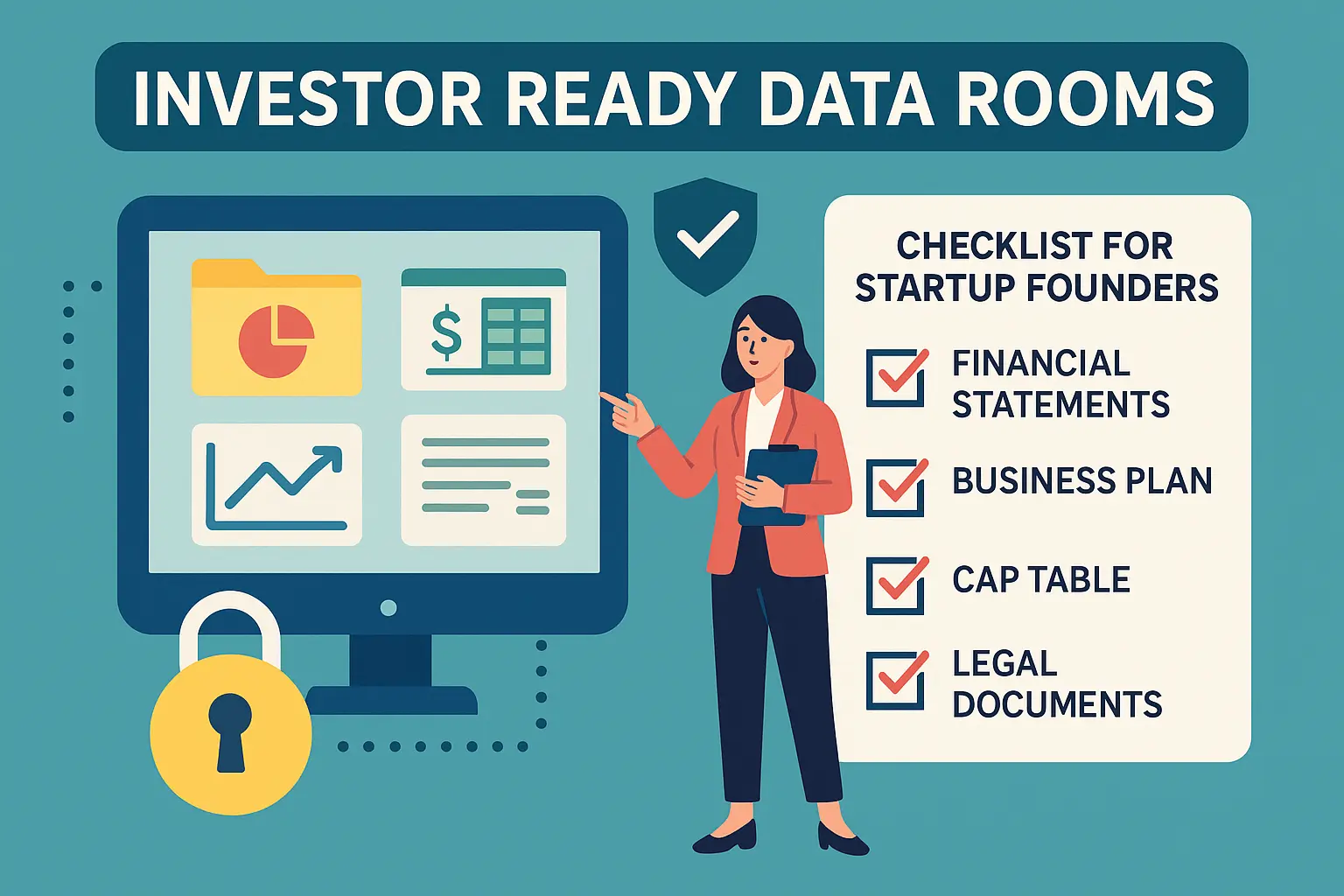
Fundraising is a big milestone for any startup founder, but sometimes, the toughest part isn’t crafting your pitch—it’s getting all your company information organized and ready to share. That’s where an investor-ready data room can make a real difference. In fact, according to a survey by DocSend, companies with well-structured data rooms closed funding rounds up to 25% faster than those with scattered or missing documents.
If you’ve ever wondered what exactly goes into building a data room, what investors are really looking for, or how to avoid sharing the wrong details, you’re in the right place. In this guide, we’ll break down everything founders need to know about creating a data room that’s organized, secure, and helps you make a great first impression with investors—without any jargon or fluff.
What Makes a Data Room ‘Investor Ready’?
Purpose and Role in Fundraising
Think of a data room as the launchpad for your investor conversations. It isn’t there to impress with glossy graphics or overstuffed folders—it’s the home base where investors turn to confirm what really matters. The right data room answers questions before they’re asked and arms you with credibility. This is the single source of truth that backs up your pitch, keeps your team and your investors on the same page, and shortens the time between first handshake and signature.
Expectations from Investors
Investors don’t want a digital haystack hidden behind a login. They expect an organized, intuitive hub where every critical document is easy to find. Essential items—financial statements, cap table, legal agreements, product plans—should be labeled, up to date, and consistent with what you’ve discussed. No one wants a puzzle; they want transparency and precision, not surprises or mismatched files.
A truly investor-ready data room communicates that you run a tight ship. It shows that you know what matters, you’re prepared to share it without delay, and you want investors to spend their due diligence time falling in love with your business, not chasing paperwork.
But what exactly should you include to earn that confidence? Let’s break down the documents and folders that transform a generic file dump into an airtight investor data room.
Essential Documents and Structure for an Investor Data Room
Core Folders and File Types
Begin by shaping your data room with clear, intuitive folders. Each core aspect of your business—financials, legal, go-to-market, tech, and team—deserves its own dedicated space. Within these, keep file types organized: use PDFs for finalized content, spreadsheets for calculations or models, and presentations for overviews. Consistent structure and naming speed up navigation and build trust.
Financials, Metrics, and Cap Table
This folder is the backbone of investment diligence. Include up-to-date profit and loss statements, balance sheets, cash flow documents, and a detailed cap table. Monthly or quarterly KPIs, revenue growth charts, and cohort analyses (if applicable) help investors track your traction with numbers, not just vision.
Legal and Incorporation Documents
Upload your Articles of Incorporation, shareholder agreements, board consents, and major contracts here. If you’ve raised capital before, add previous financing docs. Well-organized legal folders show your company doesn’t have skeletons lurking in the closet and that you’re ready for scrutiny.
Go-to-Market and User Data
Convince investors your business isn’t just a product—it’s something people want. Include pitch decks, sales strategies, partnership agreements, customer feedback reports, and anonymized usage metrics. Cohort retention and funnel data belong here, too. For crafting compelling materials, see our post on go-to-market strategy pitch deck.
Intellectual Property and Tech Assets
Patents, patent applications, IP assignments, engineering architecture diagrams, and repository summaries prove your technical edge. If you’ve conducted code audits or security reviews, add those reports as well.
Team and Hiring
People drive startups, so add founder bios, key team resumes, organization charts, and details of hiring plans. Clearly demonstrate who is on board and where reinforcements are needed.
Investor Updates and Past Decks
Store past investor updates and historical pitch decks here. This gives potential investors a narrative of your company’s progress, pivots, and transparency. For effective communication, check out investor update engagement tips.
Once your data room is well stocked with these essentials, the next step is structuring and presenting your materials in a way that makes investors actually want to dive in, not click away.
What Not to Include: Avoidable Risks and Oversharing
Sensitive Personal or Customer Data
Never upload files containing raw customer details, credit card numbers, unredacted contracts with timestamps, or employee addresses. These expose your company to data breaches, legal headaches, and compliance violations. Instead, share only aggregated or anonymized information that directly supports your business case.
Speculative Forecasts Without Data
It’s tempting to paint a rosy picture, but including projections built on guesses or wishful thinking can backfire. Serious investors can spot unrealistic numbers instantly and might lose trust. Back every forecast with real data or clearly sourced assumptions—otherwise, leave it out.
Unfinalized or Outdated Documents
Resist the urge to upload draft term sheets, old pitch decks, or unapproved board minutes. These unfinished or superseded files clutter your data room and may contradict your most current story. Stick to finalized versions, updated documents, and materials you’re comfortable defending in any investor meeting.
By keeping your data room focused, concise, and free of risky extras, you make it easier for investors to gain conviction. Now that you know what not to include, let’s get into the nuts and bolts of how to structure your data room so everything is easy to find and review.
Organizing and Presenting Your Investor Data Room
Structuring for Clarity and Easy Navigation
Imagine stepping into a cluttered room, piles of paper everywhere, and no sense of order. That’s the nightmare version of a data room. You want the opposite: a space where investors breeze through folders, instantly finding what they need. Start with clear, logical categories—think ‘Financials’, ‘Legal’, ‘Team’, ‘Product’. Each folder should house only relevant, up-to-date files. Go for a top-level structure that mirrors the typical investor due diligence checklist so there are no surprises and no guesswork. Resist the urge to nest folders too deeply; two or three layers will keep things accessible without being overwhelming.

When uploading materials, group supporting documents inside subfolders. Bundling the pitch deck with supporting models, for example, makes it easier for investors to evaluate the story and the numbers side-by-side. Use short descriptions or a readme file at the root level to orient your visitors and set expectations for what’s inside.
File Naming, Permissions, and Access Control
File names that actually tell you what’s inside save everyone time. Stick to descriptive naming conventions like ‘2023_Income_Statement.pdf’ instead of ‘newfinaldraft2.pdf’. Chronological sorting is your friend—prefix files with the year or quarter so updates are easy to spot.
Privacy is critical. Set strong permissions to make sure only the right eyes see sensitive files. Assign view-only access until it’s time for deeper due diligence, then toggle permissions as needed. Avoid making folders public or sending blanket invitations. Some platforms let you see who’s viewed which files; use this info to spot investor interest and answer potential questions proactively.
Building an intuitive data room isn’t about overwhelming with volume—it’s about showing you’re organized and deliberate, making every piece of information quick to find and easy to trust. If you get this part right, you’re not just sharing data; you’re sending a signal about how you run your company.
Now that your information is cleanly presented and secure, the next step is making the technical side work just as smoothly—so let’s look at the tools that keep your data and your conversations safe as investment discussions deepen.
Thank you for reading EasyVC’s blog!
Are you looking for investors for your startup?
Try EasyVC for free and automate your investor outreach through portfolio founders!
Choosing the Right Data Room Platform
Security Standards That Matter to Investors
Investor confidence starts with robust security. Look for platforms with end-to-end encryption, two-factor authentication, and detailed permission settings. Certifications such as SOC 2 or ISO 27001 show that a provider takes data protection seriously. Investors often ask about audit trails—be sure you can track document access and activity effortlessly. Avoid providers without a clear security track record or transparency about their protocols.
Key Features for Effective Sharing
Investors value seamless access and transparency, not clutter. Choose a data room where you can organize files clearly, set access limits by investor or document, and watermark sensitive content. The best platforms let you update files without breaking existing links, and provide quick ways to upload, sort, or redact information. A clear activity dashboard can help you monitor interest, while intuitive interfaces make life easier for investors and founders alike.
Budget Considerations
It’s easy to get lost in enterprise-level features (and price tags) you might not need at an early stage. Many startups thrive with affordable, flexible data room solutions tailored to their current scale. Compare pricing models: some charge per user, others per page or by storage. Factor in the real size of your data room and the number of investors who’ll need access. A good platform should grow with your needs—avoid long lock-in periods or surprise overage fees.
Once you’ve picked the right platform, how you organize and present your information can make or break an investor’s first impression. Let’s dive into proven ways to structure your data room for optimal clarity and engagement.
Maintaining and Updating Your Investor Data Room
Keeping Information Up-to-Date
Investors expect accuracy. Your data room should reflect the current state of your business, not a snapshot from last quarter. Set reminders to update key documents—financial statements, cap tables, and customer metrics—every month or after any major milestone. Replace outdated pitch decks or term sheets instead of simply adding to an ever-growing file list. If you revise your business model or close a strategic partnership, upload the new materials right away so nobody digs through irrelevant details.
It’s easy to miss small changes—like a minor update to your burn rate, or parting ways with an advisor. But this minutiae matters. A quick internal checklist after team meetings can catch these shifts before they slip through the cracks. Keeping things current builds credibility and makes diligence go faster for everyone involved.
Handling Investor Questions Efficiently
Expect that investors will ask about points not covered in your initial document bundle. Track these questions in a simple log. If a trend emerges—say, multiple VCs ask about your user retention metrics—add a one-pager or updated chart directly into the data room. This way, the answer is ready for the next person and your responses get sharper over time.
Avoid answering the same question in ten email threads. Link to the relevant folder in your data room, and, if necessary, highlight new uploads in your investor updates. That way, you signal responsiveness while keeping your communication streamlined and organized.
Staying on top of these small details ensures your data room remains a reliable source of truth. Up next, let’s explore how founders can protect both sensitive company material and investor trust by making smart platform choices and prioritizing rock-solid security.
Frequently Asked Questions
When should I set up an investor data room?
Start your data room early—as soon as you’re having serious conversations with interested investors. Waiting until a term sheet arrives can create unnecessary delays and chaos. Aim to have core materials organized before formal due diligence begins.
How secure is my data?
Security depends on the platform you choose. Top data room providers offer encryption, granular access control, two-factor authentication, and activity tracking. Always check what’s available (and enabled) before uploading sensitive files. Avoid using basic file-sharing tools that weren’t built for confidential documents.
Do all investors expect a data room?
Not every angel or early-stage fund insists on one, but data rooms have become standard for most venture rounds. Even if you’re not asked, being prepared signals professionalism and makes it easier for serious investors to review your business.
Next, let’s dig into how you can organize your materials for clarity, fast access, and peace of mind during the fundraising process.