
How to Start a Tech Company: Step-by-Step Blueprint

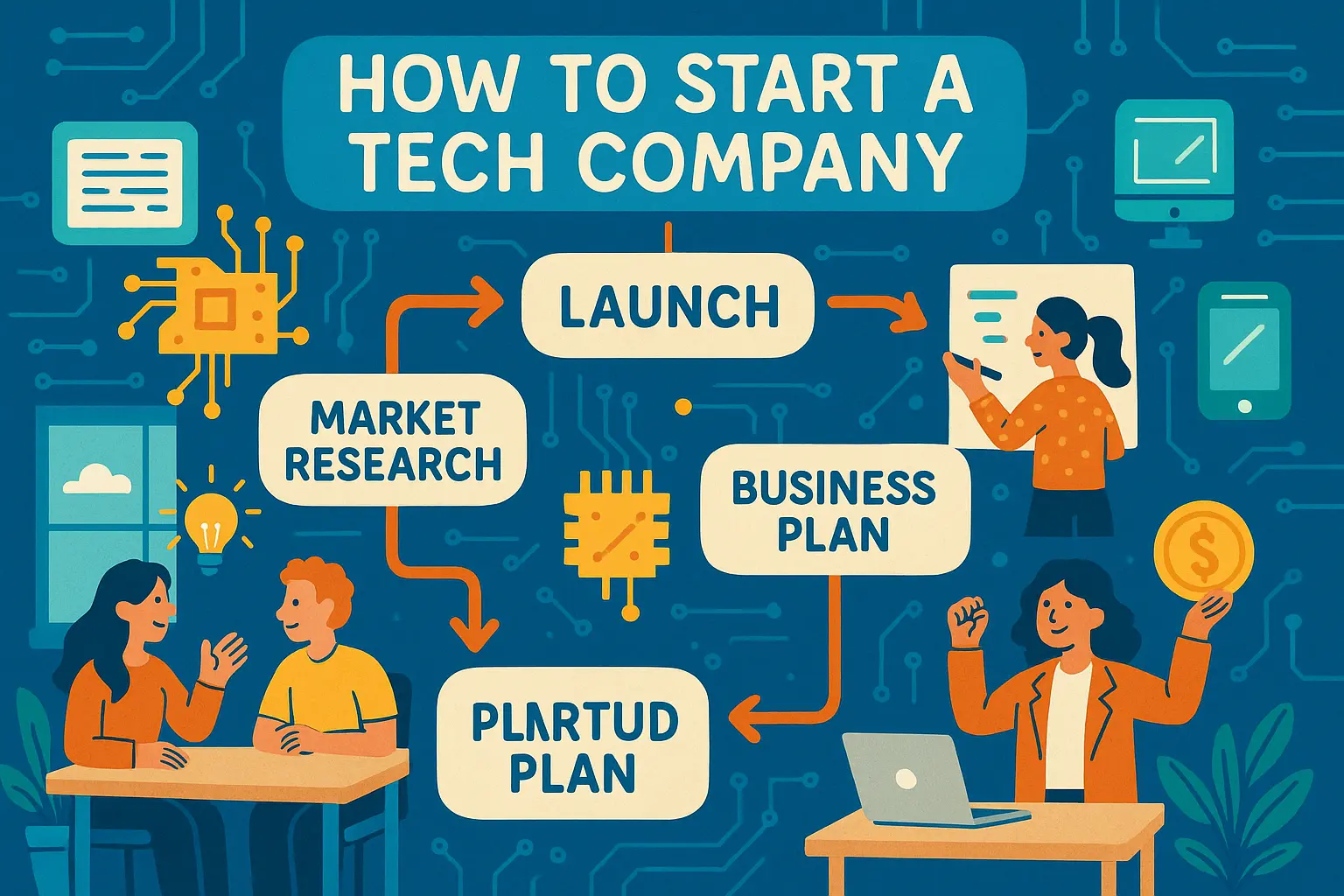
Starting a tech company might feel overwhelming, but it’s also more possible than ever. In 2023 alone, more than 1 million new tech startups were launched worldwide, showing how many people are taking the leap. Still, for every big success story, there are plenty of ideas that don’t take off—often because of missed steps early on.
If you’re thinking about building something new in tech, knowing where to start—and what to expect along the way—can make all the difference. This guide will walk you through each stage, from shaping your first idea to bringing your product to real users, and everything in between. Whether you’re just curious or ready to dive in, this blueprint can help turn your vision into something real.
Define Your Vision and Unique Value
Pinpoint a real problem worth solving
Every successful tech company starts with a sharp focus: what problem will you solve? Forget abstract mission statements for now—listen for real frustration, inefficiency, or friction in people’s daily routines. The best startup ideas often spring from your own experience or a pain point you’ve personally felt. Challenge yourself to describe the problem in one sentence. If the issue isn’t clear in everyday terms, it’s time to dig deeper.
Refine your idea using real user feedback
Your first concept is just a starting point. Talk to potential users early—before you sketch prototypes or code features. Have honest conversations to see if the problem you identified hits home. Don’t pitch; instead, observe how users describe the issue in their own words and note any workarounds they’ve adopted. Their feedback might reshape your entire idea—or reveal unexpected angles.
Getting specific about the problem and your solution’s distinct edge lays the groundwork for everything that follows. Next, you’ll move from idea to insight by exploring how many people face the same challenge and sizing up the opportunity ahead.
Research Your Market and Validate Demand
Identify your target users
Who will actually use your solution? Instead of making assumptions, describe these people in detail: job titles, daily routines, the challenges they face, and the tools they already rely on. Look for online communities, social media threads, and industry forums where these users share their problems and needs. Pinpoint specific pain points instead of vague “wants”—what’s truly frustrating them and slowing them down?
Analyze competitors and gaps
Research other products tackling the same problem. Don’t just list competitors; dig into how people feel about them. Scan customer reviews, discussion boards, and comparison articles. What do users complain about? Which features are missing? Which promises remain unfulfilled? Use these insights to find opportunities where you can offer something better, faster, or simpler.

The image above shows a comparison board mapping out different products—a practical way founders spot gaps and underserved needs in the market.
Test concepts with potential customers
Instead of building right away, talk to real users. Share mockups, sketches, or a simple landing page that describes your idea. Ask for brutal honesty: would they pay for this product, or recommend it to friends? Gather feedback on what excites or confuses them, and listen for insights you hadn’t considered. This raw input helps you fine-tune your direction—or rethink it entirely before investing big resources.
Once you’ve uncovered a real need and found room to deliver something fresh, it’s time to shift focus from research to actually building the solution in a lean, practical way.
Build a Minimum Viable Product (MVP)
Decide on core features only
Focus on the absolute essentials your product needs to solve the main problem you identified. List every possible feature, then strip away anything that isn’t necessary for users to get value right away. Think of your MVP as a test drive, not the luxury version. This mindset helps you build fast and get real reactions before investing too much time or money.
Select technology and development options
Choose tools and frameworks that help you launch quickly and won’t overcomplicate things. If you’re technical, open-source frameworks or no-code platforms can save days or weeks. If not, consider finding a freelance developer who has experience working with startups and rapid prototyping. Remember: your tech choices aren’t set in stone; prioritize speed and simplicity now, polish later.

Gather early adopters for feedback
As soon as you have a working prototype, share it with people who care about the problem you’re solving. Reach out directly to potential users, post in relevant online communities, or tap your network for intros. Watch how they use it, listen to their real reactions, and ask for honest opinions. Your first users are a goldmine—they may spot blind spots and could become your strongest supporters.
Once your MVP is in early users’ hands, it’s time to start building your team—strategically picking the people who can help turn those first insights into a thriving company.
Form the Right Team
Key roles to prioritize
No founder builds a tech company solo. You’ll move faster by assembling a small crew covering the essentials: a product builder (like a developer or technical co-founder), a customer advocate (someone close to your target users—think UX or sales), and a go-to-market strategist. Even with limited funds, these three perspectives keep your ideas grounded and your progress visible. If you lack technical skill and can’t find a partner, consider trusted contractors for your MVP—just don’t outsource the vision.
Creative ways to attract tech talent
Competing with big companies for developers can seem impossible. Instead, offer what giants can’t: trust, flexibility, and ownership. Share your early vision and invite potential team members to shape it, not just code it. Consider equity or revenue-sharing for critical early contributors. Tap into meetups, hackathons, and startup events; people often join compelling missions, not just companies. Highlight learning opportunities and the chance to create something from scratch. If you showcase what makes your company personal and ambitious, your story can draw in the right kind of talent.
A strong first team turns your vision into reality—and signals to investors and partners that you’re serious. With your team in place, you’ll be ready to tackle an equally crucial hurdle: securing the resources needed to grow beyond your earliest wins.
Secure Funding That Fits Your Stage
Bootstrapping, grants, or investors?
Every tech founder needs to decide how to fuel their idea financially. If you’re building something lightweight, bootstrapping lets you keep total control—just your savings and maybe a few supportive friends or family. Grants from governments or universities can inject early cash without giving up equity, especially for products with a research or social angle. If your ambitions (and burn rate) are bigger, early-stage angel investors or micro-VCs may be the right partners, though they’ll ask for a slice of your company and regular updates on your progress.

This image shows a founder weighing funding paths—bootstrapping, grants, or investors—each marked by distinct milestones and challenges.
Pitching and preparing your basics
Before you meet a single investor, get your house in order. Your pitch should cut through the noise: What problem do you solve? Who pays for it, and why now? Back it up with sharp slides, a prototype, and evidence that customers care. Basic legal paperwork—company registration, founder agreements—signals you’re serious and ready for due diligence. A clean, clear story plus the right documents helps you stand out when it’s time to raise money.
With the right funding approach in place, you’ll be primed to handle nitty-gritty details like setting up your company, protecting your ideas, and building a memorable presence from the start.
Thank you for reading EasyVC’s blog!
Are you looking for investors for your startup?
Try EasyVC for free and automate your investor outreach through portfolio founders!
Set Up the Foundations: Legal, Brand, and Operations
Registering your company
Begin by selecting a business structure that matches your ambitions and risk tolerance. Will you be a solo founder as an LLC, or teaming up as a C-Corp? Your choice affects taxes, fundraising, and even who owns what. Once you’ve picked, file the paperwork in your state or country—don’t skip this step. Setting up a proper company bank account keeps your finances clear (and the IRS happy). Even solo founders should make it official to avoid messy headaches when things take off.
Protecting your intellectual property
Your code, logo, and name are your early assets. Before you shout your idea from digital rooftops, lock down the basics. Search for existing trademarks, register yours, and consider filing patents if you’re touching new tech. Copyright applies to original code and design without extra paperwork, but registering strengthens your hand. Don’t forget NDAs when sharing details—ideas travel faster than ever.
Building brand identity and online presence
Now, shape how the world sees you. Pick a name that stands out (and grabs a matching domain). A simple, distinct logo goes a long way—users remember visuals before words. Secure accounts on platforms your audience hangs out on, even if you’re not posting yet. A no-frills landing page outlining your value and contact details plants your flag. This is more than “just branding”—it’s the invitation card to your big idea.
With your legal, brand, and operational ducks in a row, you’re poised to attract backers and convince partners you’re serious. Next, let’s map out how to fuel your startup’s journey with the right funds at the right time.
Launch, Learn, and Iterate
Release your MVP and measure results
When your MVP is ready, put it into the hands of genuine users—don’t wait for perfection. Share it with your initial batch of customers and ask them to use it as they would if it were a finished product. Monitor how they actually interact with your tool, not just what they say about it. Focus your attention on a handful of core metrics: real usage, signup retention, and whether users return—or vanish after the first try.

Gather insights and make improvements
Ask users for specific stories about their experience. What confused them? What features did they actually use? Look for recurring friction or moments that spark excitement. Small tweaks can sometimes unlock huge jumps in satisfaction. Be prepared to revisit, revise, and release regularly. Each update is an opportunity to better meet actual needs. Track the impact of your changes, and don’t be afraid to remove what isn’t working—even if you spent weeks building it.
Think of this phase as a fast-moving cycle rather than a one-time event. Regularly collect feedback through direct conversation, analytics tools, and even short surveys. Use what you learn to shape your product into something your users genuinely want. This mindset will help set you up for what comes next, as your tech company moves from first launch towards real growth.
Plan for Growth and Scaling
Marketing and user acquisition tactics
To achieve real growth, ditch the “spray and pray” approach. Instead, identify the channels where your ideal customers already spend time. This could mean guest posting on niche forums, collaborating with industry-specific newsletters, or hosting highly-focused webinars. Experiment with referral programs that reward your early adopters for championing your product. Analyze what brings in your most valuable users, then double down while trimming what doesn’t convert.
The image above highlights the importance of diversifying acquisition channels, so you’re not left flat-footed if one dries up.
Optimizing operations and processes
Growth will test your systems. Before things become unwieldy, find bottlenecks and automate repetitive tasks—think onboarding flows, customer support queries, and billing. Choose tools that play nicely together to avoid manual data entry and confusion. Build clear, lightweight processes for decision-making so your team moves fast, even as things get busier. Stay alert: what works for ten customers may crumble with a hundred.
Scaling your team and technology
As demand increases, resist the urge to hire quickly or bolt on new features without structure. Instead, map the roles that will provide leverage, not just fill gaps—maybe a developer with cloud expertise or a marketer with experience in viral loops. Upgrade your infrastructure to handle spikes—managed services, auto-scaling servers, or code refactoring often pay off. Keep your feedback loop strong so your product remains nimble, not sluggish.
With these growth strategies in place, it’s time to focus on the practical tools and resources that can keep your momentum strong and your team aligned.
Founder’s Toolbox: Recommended Resources
Productivity & collaboration tools
Keeping team chaos in check is easier with the right digital helpers. For real-time brainstorming and project visibility, Miro lets founders and teams sketch ideas and create roadmaps together, no sticky notes required. Notion is perfect for organizing docs, specs, and meeting notes in one living workspace—far less frantic than wrestling with messy email chains. If you need fast chat and seamless file sharing, Slack integrates with nearly everything. When building a tech product, Figma is the design platform of choice for collaborative prototyping, letting your team turn ideas into clickable demos in a single afternoon.
Funding and startup communities
Finding the right support circles makes the uphill climb less lonely. Y Combinator’s Startup School is packed with workshops and guides distilled from founders who’ve been through it firsthand. If exchanging knowledge and swapping contacts excites you, the Indie Hackers community is buzzing with builders launching tech projects at all stages. For connecting with early-stage investors or strategic advisors, AngelList remains the go-to platform. And don’t overlook Seedrs for community-driven funding, especially if you want customers to become your first backers.
Learning and mentorship platforms
Guidance accelerates avoiding rookie mistakes. Reforge offers in-depth programs focused on product, growth, and leadership, led by operators from top startups. Peer learning is powerful too; On Deck and Techstars connect founders to experienced mentors and a network that pays long-term dividends. For bite-sized wisdom, First Round Review publishes hands-on stories from practitioners and founders. If you want less theory and more candid feedback, GrowthMentor connects you to vetted operators for honest, actionable advice.
With these digital allies in your corner, you’re never building alone. Next, let’s break down the practical steps you’ll need to transform ideas and resources into sustained growth.