
How to Reduce Burn Rate: Practical Steps for Founders


For any founder, watching the numbers in your bank account drop each month can be nerve-wracking. That’s your burn rate—the speed at which your startup is spending its cash reserves—and it’s one of the biggest reasons why nine out of ten startups don’t make it past their early years. According to CB Insights, nearly 40% of startup failures are linked to simply running out of money.
This makes reducing your burn rate one of the most important things you can do to keep the lights on and give your startup space to grow. The good news? You don’t have to slash your team or put the brakes on product development to make a real difference. Instead, it’s about understanding exactly where your cash is going, making a few practical changes, and building habits that help your business last. In this article, we’ll lay out straightforward steps every founder can take to keep burn rate in check and protect their runway.
Understanding Burn Rate and Its Impact
What Is Burn Rate?
Burn rate is the pace at which your startup spends cash before turning a profit. It measures how quickly you’re using up your funds, month after month, often expressed as a dollar amount per month. It’s not just a finance term—it’s a vital sign for whether your business can weather tough stretches or needs to find money fast.
Why Burn Rate Matters for Your Startup’s Survival
If you don’t keep a close eye on burn rate, your company could run out of money unexpectedly. A high burn rate means you’re burning through cash quickly, leaving a shorter window to reach sustainable revenues or secure investment. Misjudging your burn rate can force sudden layoffs, hasty fundraising, or, in the worst cases, closing the doors. Monitoring burn rate helps you steer clear of panic and plan your next steps with clarity.
How to Calculate Gross and Net Burn Rate
Understanding where your cash is going starts with running the numbers. Gross burn rate tells you how much money flows out each month, covering everything from payroll to software, before counting any income. Net burn rate zeroes in on the actual loss by subtracting total revenue from total expenses, showing how fast your bank balance shrinks after accounting for money coming in. Here’s a visual to help:
Tracking both metrics shines a light on how urgent your cash situation is—and helps you map out how many months your company can keep moving before needing a new strategy.
The next step is diving into your expenses, so you can see exactly where cash is flying out the door and uncover spots for quick, meaningful savings.
Pinpointing Where Your Cash Goes
Break Down Your Recurring and Irregular Expenses
Start with the basics: comb through your latest bank statements and budget. List every regular payment—think payroll, rent, hosting fees, and software subscriptions. These are predictable outflows that tick by every month, no matter what.
Next, flag the less predictable costs. Quarterly tax bills, annual license renewals, one-off contractor projects, or that last equipment upgrade—these can quietly balloon your burn rate if left unchecked. Map out these irregular expenses over the next few months so you’re not caught off guard.
Spot Hidden Overhead Most Teams Miss
Some cash drains lurk in plain sight and rarely show up in spreadsheet summaries. For example, forgotten SaaS seats on annual auto-renew, a dusty storage unit no one visits, or underutilized coworking spaces accumulating fees. Dig into expense lines labeled “miscellaneous”—these often mask forgotten or duplicated purchases.
Also, ask your team to surface lingering subscriptions, underused tools, or processes that could be ditched. Small leaks add up. Regularly reviewing and questioning every “that’s just how we do it” expense is your best defense against unnecessary overhead.
Now that you know exactly where your cash is flowing, you’re primed to make smarter decisions about what stays and what goes—and unlock instant savings without stalling your growth.
Quick Wins: Cutting Costs Without Hurting Growth
Trim Non-Essential Spend and Evaluate SaaS Tools
Start by combing through your bank statements and payment platforms. Highlight subscriptions and services that haven’t seen regular use in the last month. Look especially at SaaS tools—these pile up fast. Your team might be paying for overlapping features or high-tier plans they barely touch. Downgrade, consolidate, or cancel what you don’t need. Run a quick poll among teammates: which tools are truly mission critical? You’d be surprised how often an expensive app goes unused.
Pause or Defer Big Purchases
Next, put a temporary hold on any major purchases or upgrades. This goes for hardware, software licenses, or even new office furniture. Unless the spend directly impacts customer experience or product delivery, it can likely wait. For systems that absolutely require renewal, compare alternative providers or look for smaller package options. Sometimes, looping in your tech or ops lead will surface cheaper workarounds you hadn’t considered.
Negotiate Vendor Payment Terms
Reach out to your main vendors and service providers. Ask if they’ll extend payment deadlines, break large invoices into smaller chunks, or offer one-off discounts for early payment or longer contracts. Many vendors would rather keep a customer than issue a cancellation. Be transparent about your situation—you might be granted a grace period just by asking. Every extra week cash stays in your account, your runway stretches out a little further.
Small changes add up quickly and create breathing room. Now that you’ve tackled easy wins, it’s time to rethink how your team—and your spending strategy—fuel sustainable growth.
Optimize Your Team and Workflow
Streamline Roles and Consider Smart Outsourcing
Look closely at what each team member is actually doing, not just what their title says. Overlapping responsibilities lead to wasted hours and unclear ownership. If multiple people touch the same projects, clarify who’s in charge and where handoffs happen. This not only reduces confusion but also helps everyone focus on the work that moves the needle.
Some tasks drain time without driving growth—think bookkeeping, design tweaks, or basic customer support. Instead of keeping everything in-house, try outsourcing these to trusted freelancers or on-demand services. This keeps your core team lean, while still getting essential work done.
Revisit Hiring Plans and Approval Processes
Before bringing new people onboard, check if existing team members can cover the gap through better delegation or clearer priorities. Sometimes a few process adjustments are enough to get more done with the team you have. Put stricter checks in place for hiring decisions. Require a short business case for adding every new seat, and review open roles regularly to see if each one is still needed as priorities shift.
The more nimble your team, the better you’ll adapt to change—and the slower your cash will burn. Next, let’s look at how you can bring in cash more quickly without sacrificing your product or customer experience.
Rethink Revenue and Cash Inflow
Find Fast Ways to Bring in Revenue
Scrutinize your current product or service lineup for quick wins. Can you offer a limited-time version, bundle, or early access deal to entice customers who already trust you? Look at your customer list: Are there upsell or cross-sell opportunities you haven’t tapped? Sometimes an email campaign or a phone call to dormant accounts sparks a new sale within days. Test pricing tweaks—maybe a smaller, lower-priced package opens the door for a different segment. Don’t forget: Pre-selling upcoming features or running a paid pilot can bring critical cash in before full delivery.
Speed Up Billing and Collections
Chasing money that’s rightfully yours is draining—both for cash flow and your peace of mind. Make it easier and faster for customers to pay: Tighten your billing cycle, send invoices promptly, and automate follow-ups. Accept a wider range of payment methods to remove friction. Consider offering small discounts for early payment or adding gentle late fees, but communicate clearly so there are no surprises. Review your payment terms for each client—sometimes, being direct about expectations is all it takes to get paid on time.
By shoring up incoming cash, you’ll buy more time to implement the deeper, longer-term changes that secure your company’s financial future. Next, let’s look at other levers you can pull to extend your runway and create true breathing room.
Thank you for reading EasyVC’s blog!
Are you looking for investors for your startup?
Try EasyVC for free and automate your investor outreach through portfolio founders!
Smart Moves for a Longer Runway
Build Up Your Cash Reserves
Saving what you can isn’t just a rainy-day cliché—it’s your shield against rough market turns and unexpected costs. Round up small wins wherever you spot them, like renegotiating office leases or switching insurance providers. Even modest savings across multiple categories can quickly add up to an extra month or two of operating runway.
Improve Cash Flow Forecasting
Guesswork won’t cut it. Make time every week to update your cash flow projections and spot weak spots before they become emergencies. Adopt at least a basic forecasting model that factors in seasonality, late client payments, and known upcoming expenses. Visual dashboards can make trends and warnings easier to spot at a glance.
Assess External Funding Only When Needed
It’s tempting to jump to new funding rounds at the first sign of trouble, but there’s a cost every time you dilute. Make external funding your backup plan, not your go-to solution—especially if your cash burn is still fixable internally. Only open the door to investors if you’re confident that your house is already in order and other options have been exhausted.
If you’re ready to go from conserving cash to preventing major missteps, there are a few miscalculations you’ll want to steer clear of—so let’s dive right in.
Avoiding Cost-Cutting Mistakes
Don’t Sacrifice Core Growth Drivers
Slashing budgets is tempting, but cutting away your startup’s engine is a mistake you can’t afford. Sales, product development, and customer support are the roots that hold everything together. If you shrink these too far, you might dampen momentum and close off future opportunities—just as you need them most. Instead, identify areas where spending directly supports traction or opens new revenue. Guard these fiercely.
Monitor Impact on Team Morale and Performance
When belts tighten, anxiety can ripple through your team. If left unchecked, stress and uncertainty fuel disengagement and even departures of top performers. Make room for open conversations and explain the why behind every change. Provide clarity on how decisions tie to your bigger goals. Keep eyes open for slipping performance and burnout—early signs that your cuts are costing more than you save.
Knowing what to trim and what to protect is only half the battle—next comes implementing routines that help you track, adjust, and steer clear of future surprises.
Staying Proactive: Monitoring Your Burn Rate
Set Up Monthly Burn Rate Reviews
If you only glance at your bank balance every so often, you’re flying blind. Make burn rate reviews a regular event on your calendar. At the start of each month, compare your actual burn rate from the previous month against what you expected. Look for any outliers—maybe an unexpected invoice slipped through, or a project ran over budget. These reviews aren’t just about catching mistakes; they help you spot trends well before they turn into problems.
Consider sharing these findings with your leadership team. When everyone sees the real numbers, it’s easier to have honest discussions—and make quick adjustments when costs start drifting.
Use Dashboards and Alerts to Track Changes
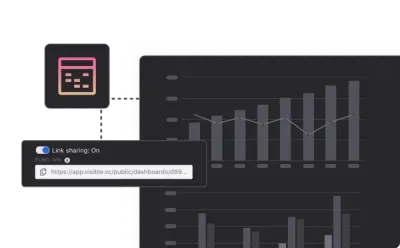
Manual spreadsheets can only take you so far. A good dashboard pulls live data from your bank accounts and accounting tools, turning daily transactions into an easy-to-read trend line. Set up alerts so you’re pinged anytime your monthly burn jumps or drops unexpectedly. Real-time awareness beats a nasty surprise at the end of the quarter.
By making your burn rate hard to ignore, you’ll find yourself catching small issues before they balloon. And the moment you tighten up tracking, it becomes much harder for leaks to go unnoticed.
Once your cost monitoring is on autopilot, it’s time to look for fresh ways to boost the money coming in—so your runway lasts longer, and you can grow with confidence.