
How to Hire Employees: Simple Steps for Small Businesses

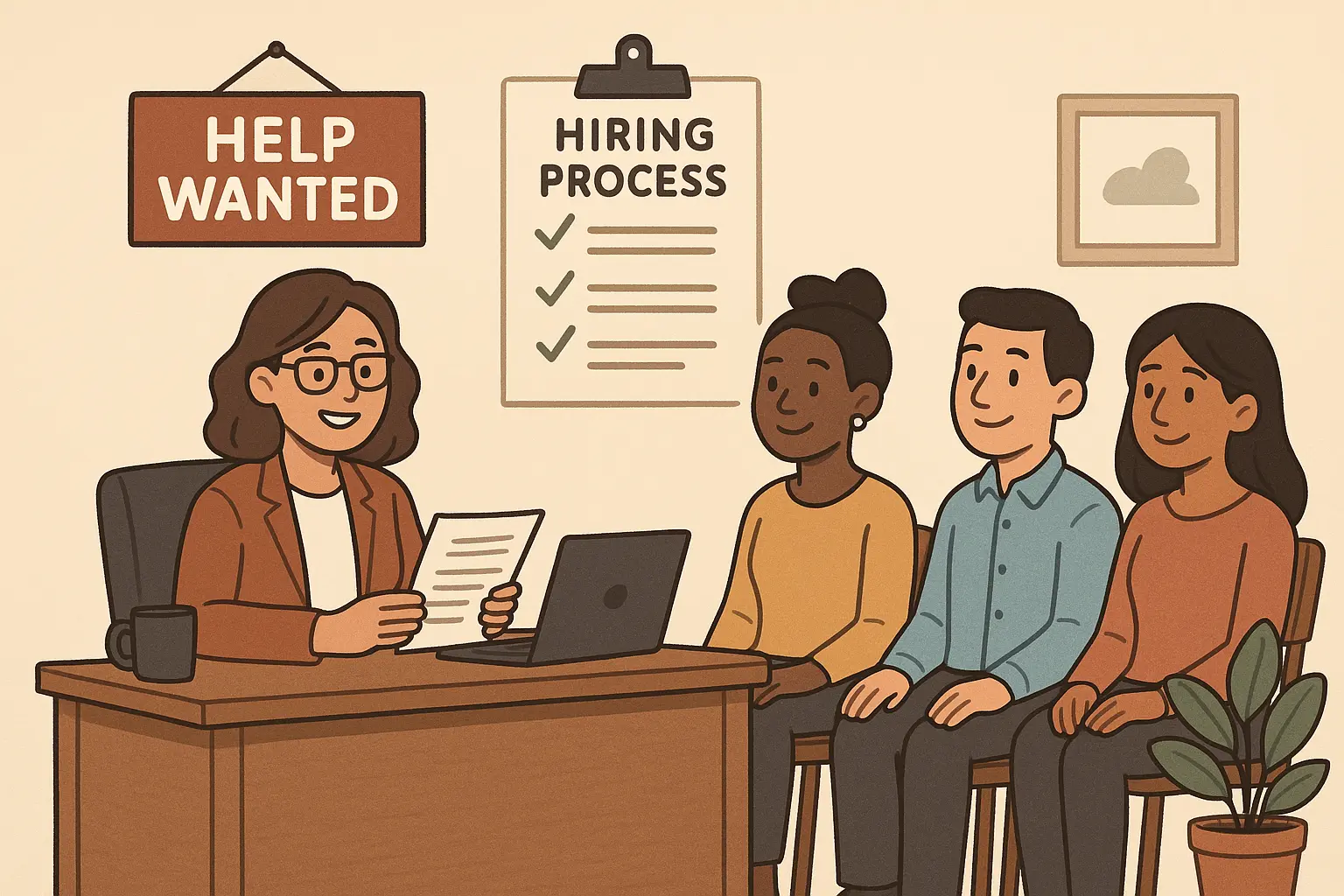
Hiring your first employee is a big step for any small business. It’s exciting to think about getting an extra set of hands to help your business grow, but the process can also feel overwhelming if you’re not sure where to start. According to the U.S. Small Business Administration, about 69% of small businesses in the U.S. are run by a single owner with no employees—so you’re not alone if you haven’t hired before.
Yet, bringing on the right person at the right time can make a huge difference, helping relieve your workload and allowing your business to serve more customers. In this guide, we’ll walk you through simple, practical steps for hiring your first employee (or adding another team member) so you can feel more confident about getting the help you need—without getting lost in paperwork or legal details.
Know When You’re Ready to Hire
Key signs your business needs extra help
Maybe you’re staying late to catch up, or you’ve started turning away new projects. When your existing team feels stretched, mistakes creep in, or customer wait times grow, it’s a clear signal you’ve outgrown your current setup. Missing out on opportunities that could grow your business is often the last straw—a smart nudge to start searching for help.

Determining your budget for a new hire
Hiring is exciting, but it’s also a financial commitment. To set your budget, look at the tasks you’ll offload and estimate a fair wage based on local rates and skill level. Don’t forget extra costs—payroll taxes, benefits, insurance, and equipment your new teammate might need. Weigh these against the revenue you expect to gain with more hands on deck. If the math works, you’re ready to take the leap.
Once you’re confident the timing fits and numbers add up, it’s time to make sure you’re prepared for the formal steps that come next.
Understand Legal and Tax Basics
Registering as an employer
The first step is to make your business official in the eyes of the government. If you haven’t already, register your business name and structure with your state. Some states ask you to register separately as an employer once you plan to pay workers. Check your state’s specific requirements before bringing on your first hire.
Filing for an EIN and required paperwork
Before you hire anyone, you’ll need a federal Employer Identification Number (EIN). This is like a Social Security number for your business. You’ll use it for tax forms and payroll. Luckily, getting your EIN is free and fast—just visit the IRS website. After that, double-check which new hire forms you’ll need: likely a W-4 (for federal income tax withholding) and I-9 (for verifying work eligibility).
Employee vs. contractor classification
Be clear on how you classify your hires. Employees and independent contractors are not the same in the eyes of the IRS. Employees usually work set hours, use your equipment, and follow your directions; contractors control their schedule and tools. Classifying someone incorrectly can mean tax penalties, so when in doubt, consult an accountant or the IRS guidelines.
Once you’ve set up these basics, you can focus on building a clear and attractive position for your future team member.
Define the Role Clearly
Essential elements of a strong job description
Before searching for candidates, take time to outline the specific tasks this person will handle. A practical job description lists daily responsibilities, such as answering customer calls, bookkeeping, or managing inventory. Include expected work hours and the kind of environment they’ll work in, whether that’s your busy storefront or a quiet office corner. Mention any tools, equipment, or software they’ll use. The more concrete details you share, the easier it is to attract someone who’s ready to do the job as it actually is.
Identifying must-have vs. nice-to-have skills
Every role comes with a list of skills, but not all of them carry equal weight. Separate your requirements: mark essential skills that someone needs from day one—like cash handling for a retail job or email communication for an office assistant. Then, make a second list with skills that would help, but are not deal-breakers, such as experience with a specific app or previous work in a similar business. Prioritizing helps you stay flexible when reviewing applications and ensures you don’t overlook talented candidates who can learn the extras on the job.
Now that you’ve defined who you’re looking for, it’s time to spread the word and start searching in the right places.
Find Quality Candidates
Best job boards for small businesses
Posting your job on the right board makes a huge difference in attracting people who fit your business. Instead of broad platforms where your listing can get lost, consider job sites tailored for small businesses or specific industries. Websites like Indeed, ZipRecruiter, and SimplyHired have easy posting processes and reach many local candidates. If you’re hiring for specialized roles, try sites like Dice for tech jobs or Culinary Agents for restaurant staff. Local community boards and your city’s chamber of commerce website can also help you get noticed by nearby talent.
Networking and employee referrals
Word-of-mouth still works wonders. Start by letting your current team and friends know you’re hiring—someone in your network might know a perfect match. Employee referrals often bring in candidates who understand your culture right from the start. You can also attend local meetups, business events, or virtual groups on platforms like LinkedIn and Facebook. These settings give you a chance to meet skilled people in a more relaxed environment, making it easier to find employees who share your values.
Once you have a pool of promising candidates, the next step is figuring out how to spot the right person through a simple and focused interview process—let’s make sure you choose well.
Screen and Interview Effectively
Simple ways to review applications
Start by listing the specific skills and experience your business truly needs. With this in mind, quickly scan each application for these essentials—don’t get bogged down by lengthy cover letters or excessive formatting. Sort your stack into three groups: yes, maybe, and no. Focus your attention on the “yes” pile and set the rest aside. This saves you time and keeps the process moving.
Top interview questions to ask
Instead of relying on canned questions, ask about real-life situations. For example: “Can you tell me about a time when you solved a problem at work with limited resources?” or “What would your process be if you had to learn something new for this job?” These questions help reveal how a candidate thinks, reacts, and adapts. Always give them a chance to ask their own questions, too—their curiosity tells you about their interest in your business.
Red flags to watch for
Watch for vague answers or stories that don’t quite add up. If someone can’t explain gaps in their resume, or gives answers that don’t match the skills you need, that’s worth investigating further. Also, attitude matters—negative comments about past employers signal potential trouble ahead. Checking for consistent professionalism, both in communication and punctuality, can help you avoid headaches down the road.
Once you’ve found someone who seems like a good fit on paper and in conversation, it’s time to dig a little deeper—after all, verifying their experience and setting clear terms helps set the stage for a smooth start together.
Thank you for reading EasyVC’s blog!
Are you looking for investors for your startup?
Try EasyVC for free and automate your investor outreach through portfolio founders!
Check References and Make an Offer
Calling references: what to ask
Before you hire anyone, take a few minutes to actually connect with their references. Instead of vague questions, zero in on what matters. Ask how the candidate tackled problems, how they handled feedback, and what stood out about their attitude. Find out if the reference would rehire them or trust them with extra responsibility. Jot notes during the conversation—you never know what detail will tip the scales in your decision.
How to draft a clear job offer
Once you’re confident in your choice, write a job offer that’s easy to read. Keep it direct: outline pay, start date, work schedule, core duties, and any benefits. Mention any paperwork or next steps. Send the offer via email (or in writing, if the candidate prefers). Be available to answer questions if your new hire wants to clarify anything.
Once your new team member accepts the offer, you’ll need to collect certain forms and make sure your payroll is set up the right way. This helps you stay organized and gets your new employee off to a smooth start.
Complete Required Forms and Set Up Payroll
Must-have documents on day one
Once your new hire is ready to start, there’s a stack of paperwork that can’t be skipped. Each employee must fill out a federal Form W-4, which lets you know how much tax to withhold from each paycheck. If your state has its own tax withholding form, get that filled out, too. You’ll also need a Form I-9 to verify identity and authorization to work in the U.S.—remember to check their IDs or work permits in person within three days of their start. Don’t forget any direct deposit forms, emergency contact info, and your company policy handbook (if you have one) for signatures. Keeping these documents organized up front helps avoid headaches later.
Simple payroll setup tips
Payroll can seem intimidating, but small businesses don’t need fancy software to get it right. Start by choosing how you’ll pay your employee—check, direct deposit, or both. You’ll need to track gross pay, taxes withheld, and other deductions each pay period. Consider using a simple payroll service that handles tax payments and filings automatically, so you can skip some manual calculations. If you’re handling payroll on your own, make a checklist with pay dates and all required withholdings—federal, state, Social Security, and Medicare. Always double-check pay rates, overtime rules, and withholdings before processing each pay period. A reliable system from day one means fewer surprises down the road.
With the paperwork handled and payroll ticking along, you’re ready to welcome your new team member and set them up for a smooth start on their first day.
Welcome and Onboard Your New Employee
Easy onboarding checklist
Before your new employee arrives, set up their workspace—whether it’s a desk, point-of-sale system, or laptop. Make sure they’ll have the basic supplies and access they need. Give them a list of key people to meet so they know who to go to with questions.
Walk them through your daily routines, safety measures, and any quirks of your business. Go beyond paperwork by taking a little time to explain how your team works together and what’s expected in their first week. A printed schedule or roadmap for their first days can help them feel grounded.
Tools to help new hires succeed
Help ease first-day jitters by showing them around, then introducing them to the software or tools they’ll be using. If you have training videos, a shared document folder, or checklists—share these and encourage questions early on.
If your business uses a messaging app or calendar, add your new team member right away. Assign a friendly coworker as a “go-to” person for their first week. Small things, like a welcome note on their desk or an invite to grab lunch with the team, go a long way to making someone feel included.

Once your newest hire feels at home, the next step is making sure your selection process keeps running smoothly for every new addition—starting with evaluating resumes and making the interview process count.
FAQ: Hiring Employees for Small Businesses
How soon do I need workers’ comp?
Most states require you to have workers’ compensation insurance as soon as you bring on your first employee. In some places, even part-timers trigger the requirement. Double-check your state’s rules so you don’t accidentally skip this step — penalties can be steep if you miss it.
Can I hire my first employee part time?
Absolutely. Part-time employees are a great way for small businesses to scale up gradually. Just remember, employment laws still apply, even if your new hire is only working a few hours a week.
What are basic labor law must-knows?
At a minimum, small business owners should know about rules on minimum wage, overtime pay, meal and rest breaks, and anti-discrimination. You’ll also want to post workplace rights notices and keep records of hours worked and wages paid. These basics help keep you compliant and avoid costly mistakes.
Feeling confident about the basics? Let’s move on to reviewing job applications—where you’ll really start to spot your best candidates.