
How to Build Trust Through Investor Feedback


Trust isn’t just a buzzword in investor relations—it’s the invisible thread that ties investors to an organization for the long haul. Recent research by PwC found that 87% of investors say trust is crucial when deciding whether to maintain or grow an investment. Yet, building this trust can be challenging, especially when communication feels one-sided or feedback is overlooked.
One of the most effective ways to nurture genuine trust is through a two-way conversation: listening to investor feedback and showing that their perspectives matter. Done right, this not only minimizes misunderstandings and skepticism but also creates a foundation for strong, long-term partnerships. In this article, we’ll explore how meaningful feedback can transform the relationship between companies and their investors—and what it takes to turn insights into trust.
Why Trust Matters in Investor Relations
The Impact of Trust on Long-Term Investment
Investors do more than inject capital into companies—they choose partnerships built on confidence. When trust exists between a company and its investors, the foundation forms for steady, long-term commitment. This kind of confidence gives investors the assurance to look past short-term headwinds and stay invested for future growth. Trust reassures investors that leaders will be transparent in tough times and honest about achievements and challenges alike.
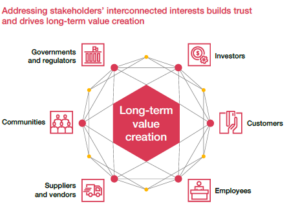
Consider the web of relationships companies navigate: employees, customers, suppliers, and investors all have skin in the game. When trust is present, these groups pull in the same direction—toward sustainable value creation.
Consequences of Broken Trust
When trust crumbles, so can investor support. Even a single misstep—misleading communication, unaddressed concerns, or inconsistent messaging—can fuel skepticism. Investors may scale back or walk away entirely, and it’s much harder to win back trust than it is to maintain it. Fallout goes beyond financials: lost trust can drive rumors, media scrutiny, and reputational damage that linger long after the initial breach.
Understanding these dynamics is the first step. The next is building mechanisms that show investors their perspectives truly matter and their voices are heard.
The Role of Feedback in Strengthening Trust
What Meaningful Investor Feedback Looks Like
When investors share their perspectives, they’re often offering more than a surface reaction. Valuable feedback points out both strengths and areas of concern with clarity—such as highlighting gaps in a company’s direction or praising clarity in communication. Investors who supply context for their concerns, ask thoughtful questions, or suggest alternatives are signaling they care about the company’s long-term trajectory, not just the next quarterly result.
Meaningful feedback also tends to address issues before they escalate. For example, an investor noticing growing operational risks might express these observations early, enabling management to investigate and respond proactively. Feedback that’s specific, forward-looking, and considerate of the broader business landscape deepens mutual respect and cultivates openness between investors and company leadership.
Distinguishing Constructive Input from Routine Updates
Not all communication qualifies as actionable feedback. Routine updates—such as “Thank you for the report” or “Looks good”—maintain courtesy but rarely offer insight. In contrast, constructive input delves below the surface: it identifies friction points, asks clarifying questions about strategic priorities, or provides informed assessments on decision-making. This kind of engagement isn’t just more memorable; it signals a partnership, rather than a passive, arm’s-length relationship.
When companies treat routine responses as feedback, they risk missing opportunities for real growth. By recognizing and seeking out substantive investor comments, organizations can better detect underlying concerns, spark dialogue, and show that every thoughtful contribution matters. This approach sets a foundation for candor and partnership—the essentials for genuine investor trust.
Establishing trust through feedback doesn’t stop with message exchanges; it grows stronger when systems are in place to ensure voices are heard and acted upon. Up next, let’s explore how setting up the right systems turns feedback into a true driving force for organizational improvement.
Setting Up Effective Feedback Loops
Choosing Feedback Channels Investors Actually Use
Investors aren’t all cut from the same cloth, and neither are their communication preferences. Instead of defaulting to quarterly surveys buried in emails, start by asking your investors how they want to interact. Some appreciate structured digital platforms, while others respond best to candid conversations at investor days or in one-on-one calls. Simplicity matters: if it takes more than a few clicks or minutes, most responses will vanish.
For international investors or those juggling multiple portfolios, consider asynchronous tools—like short, focused online polls or a secure feedback portal—so they can share insights on their own schedule. The key is to make feedback frictionless and easy to access, so every voice has a chance to be heard.
Clarifying Intentions and Expectations
Before inviting feedback, define why you’re asking. Is your goal to spot blind spots before they turn into landmines? Are you seeking guidance on strategy, or just looking to take the temperature of investor sentiment? Be upfront about what you do—and don’t—plan to do with their input.
Transparency goes both ways; explain how responses will be used and what investors can expect in return. For instance, say you’ll report back on common concerns at the next update, or let investors know if you’re collecting feedback to help decide on strategic moves. When the process feels purposeful and predictable, investors are far more likely to engage sincerely, knowing their opinions won’t disappear into a black hole.
With the mechanics in place, the next step is to ensure feedback doesn’t just gather dust—instead, it should drive open responses and visible action.
Thank you for reading EasyVC’s blog!
Are you looking for investors for your startup?
Try EasyVC for free and automate your investor outreach through portfolio founders!
Responding to Feedback With Action and Transparency
Closing the Loop: Communicating What Changes
When investors take the time to share their opinions, they’re looking for more than acknowledgment—they want to see their voices influence the trajectory of your business. After collecting feedback, don’t just file it away. Instead, pinpoint which ideas sparked meaningful change, then outline these changes clearly to your investors. Share concise updates about what was implemented, why these decisions were made, and how the improvements align with investor concerns. This direct line of communication proves you value their involvement, and reduces the risk of feedback fatigue—where contributors stop sharing because they never hear back.
Sharing Outcomes—Even When You Can’t Implement Suggestions
No company can act on every piece of feedback. Sometimes you’ll have to decline suggestions due to strategic constraints, regulations, or resource limitations. Rather than brushing these moments aside, be open about the reasoning. Offer a thoughtful explanation: acknowledge the validity of the idea, provide context on decision factors, and whenever possible, keep the door open for future reconsiderations. This candor doesn’t shut down the conversation; it establishes credibility and reassures investors that you’re genuinely weighing their input.
The art of responding with action and transparency lays the groundwork for a stronger partnership. It also paves the way for creating effective channels, so investor input keeps flowing and trust continues to grow.
Real-World Examples: Trust Built (and Lost) Through Feedback
Positive Example: Navigating a Challenging Quarter with Openness
During the global supply chain crisis, a mid-sized manufacturing company braced for a tough quarterly report. Instead of sugar-coating, the CEO invited key investors to a live Q&A call ahead of the official update. Investor questions were answered head-on, including those about margin pressure and revised forecasts. Instead of hiding setbacks, management explained the shortfalls, detailed their plan to address bottlenecks, and shared what measures had already been trialed, including what hadn’t worked. This open dialogue, underpinned by a genuine desire to listen, resulted in many investors upping their positions after the call. The willingness to acknowledge challenges—and to share honest feedback—transformed a rocky quarter into a trust-building moment.
A Missed Opportunity: What Happens When Feedback Is Ignored
Contrast that with a fintech firm that, for several quarters, received repeated questions from investors about escalating customer acquisition costs and an unclear roadmap for profitability. Rather than address these concerns, updates glossed over the data, focusing only on growth metrics. Investor emails and calls were met with templated replies or, worse, silence. Over time, the company’s largest shareholders began to scale back their involvement, citing a lack of confidence in management’s transparency. When an earnings miss finally forced leaders to address the issue, most investors had already lost faith, illustrating how neglecting feedback can quietly erode relationships that seemed solid.
Looking at these examples, it’s clear that trust isn’t built by mistake—it’s the deliberate outcome of how teams engage with investor perspectives. The next challenge is embedding this mindset deeper into daily practice, ensuring feedback becomes part of your organization’s DNA.
Embedding a Feedback-Driven Trust Culture in Your Organization
Training Teams to Value and Act on Investor Insights
Building a trust-centered culture starts with people, not policies. Teams need to see firsthand that investor perspectives are more than just data points—they are essential signals. Practical training can move the needle: use real investor comments in workshops, analyze key moments when feedback led to meaningful changes, and invite team members across functions to shadow investor calls. Instead of locking feedback in the IR department, make it part of everyday conversations so everyone understands how it shapes decisions and reputation.
Making Feedback a Continuous Habit
Feedback needs to feel as natural as regular reporting cycles. Create simple routines for regularly reviewing feedback—short monthly debriefs, dashboards with unfiltered investor quotes, or even quick surveys after major announcements. Celebrate moments when feedback leads to improvement, no matter how small. Encourage leaders to openly discuss how recent investor insights have re-shaped priorities, keeping the loop active and genuine. When employees see feedback consistently acted on, trust becomes a living part of your organization’s DNA rather than another box to check.
It’s one thing to lay the cultural groundwork for listening and action, but the most compelling lessons come alive through real stories. Let’s look at what happens—good and bad—when feedback is woven (or ignored) in day-to-day investor relations.