
How Sleep Can Improve Leadership Skills

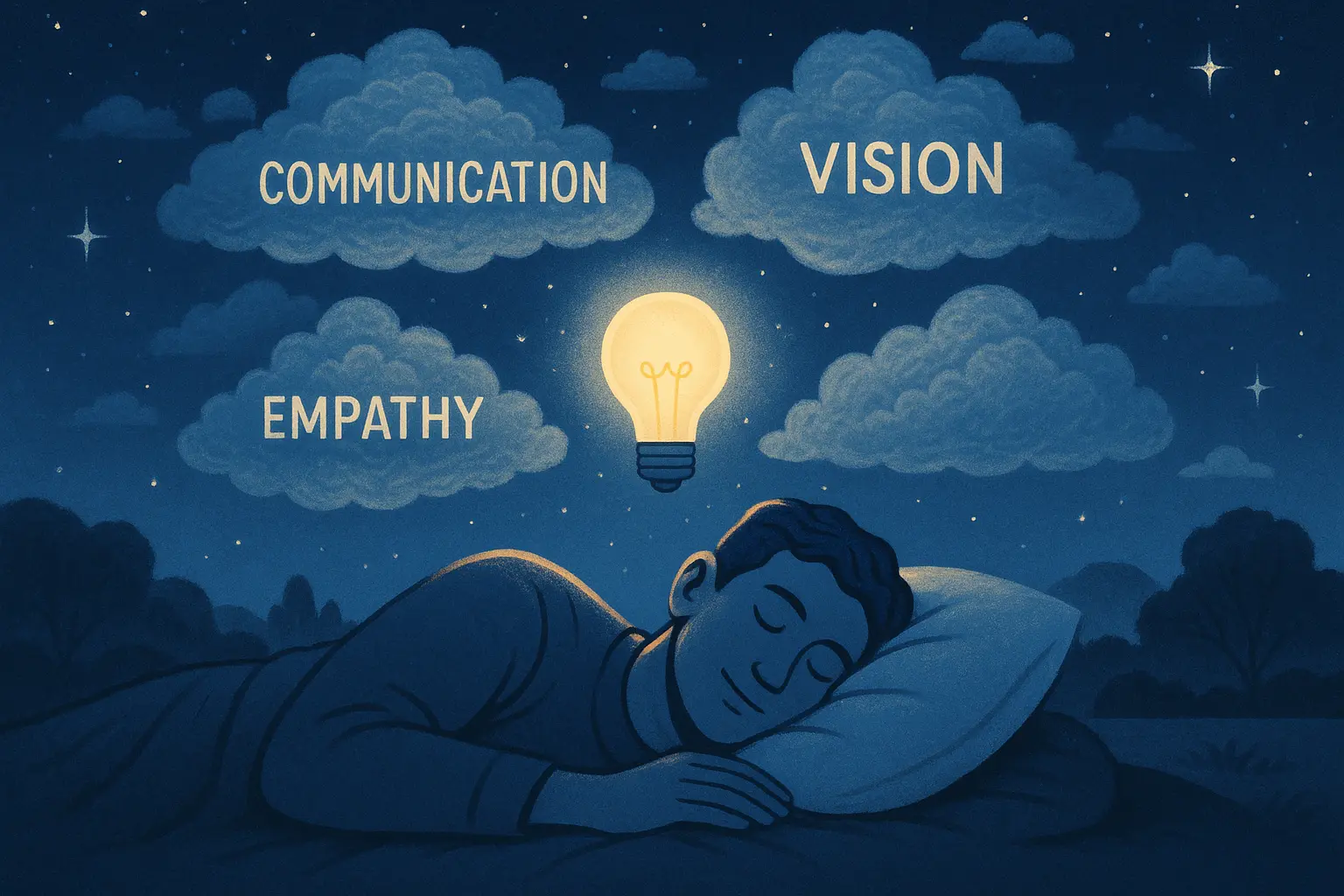
When was the last time you woke up feeling truly rested? For many of us—especially those in leadership roles—sleep often slips down the list of priorities. Yet, research shows that leaders who consistently get enough sleep make better decisions, manage stress more effectively, and inspire their teams with greater energy. In fact, a study from Harvard Medical School found that sleep-deprived leaders are twice as likely to struggle with problem-solving and emotional control compared to their well-rested peers.
We all know what it’s like to feel foggy or irritable after a night of poor sleep. What’s less obvious is how much those effects can shape our work, interactions, and the culture we create for our teams. If you’ve ever wondered whether getting a better night’s sleep could actually make you a stronger, more resilient leader, this article is for you.
Why Leaders Should Prioritize Sleep
Recognizing the signs of sleep deprivation in leadership roles
Missed details, lapses in judgment, and surges of irritability aren’t just bad days—they’re often signals that sleep is in short supply. Leaders who regularly skimp on rest may notice foggy thinking during meetings, slow reaction times when making decisions, and a tendency to forget important updates or commitments. These subtle shifts can sneak up, eventually shaping how a leader communicates, solves problems, and manages stress.
Consequences of chronic tiredness for team and culture
When fatigue creeps into leadership, it reverberates throughout the team. Persistent tiredness can undermine trust; moods shift, feedback becomes curt, and patience frays. Teams tend to mirror their leader’s energy, so when exhaustion is normalized from the top, productivity sags and morale dips. Over time, sleep-deprived leaders may lose sight of team dynamics, missing the warning signs of burnout or disengagement in others. Gaps start to open between intention and impact—leaving space for confusion, conflict, or even turnover.
Understanding just how deep the connection runs between rest and effective leadership will help reveal why those nightly hours in bed aren’t a luxury, but a foundation. Let’s take a closer look at what actually happens in your brain and body when you sleep—and how it powers your day-to-day performance as a leader.
The Science Behind Sleep and Leadership Performance
How sleep affects decision-making and strategic thinking
The brain processes information differently when well-rested. Quality sleep sharpens the prefrontal cortex, the region responsible for logic, planning, and analyzing complex scenarios. Leaders who regularly get enough sleep are more likely to weigh risks realistically, avoid snap judgments, and consider long-term consequences.
Research has revealed that even moderate sleep deprivation can lead to a notable decline in cognitive function and slower reaction times. In the business world, this often translates to second-guessing decisions or missing key details that could shape success or failure. Rested leaders, on the other hand, tend to sort priorities with confidence and adapt strategies more nimbly under uncertainty.
Sleep and emotional intelligence: staying calm under pressure
Lack of sleep heightens emotional reactivity, making it much easier to lose patience or become irritable during high-pressure moments. Well-rested leaders are better able to read a room, remain composed in challenging conversations, and respond thoughtfully instead of reacting impulsively. Studies show a direct link between restful nights and increased emotional intelligence scores, which are essential for leading diverse teams and building trust.
Rest and creative problem-solving
REM sleep, in particular, is when the mind makes unexpected connections—fueling innovation and helping leaders see beyond obvious solutions. Many breakthrough ideas are incubated overnight, as the brain sorts through information gathered during the day, finding patterns and insights that were previously overlooked. Proper rest enables leaders to approach obstacles with fresh eyes and foster creativity within their teams.
Understanding the link between rest and peak performance lays the foundation for identifying which leadership qualities stand out when sleep is truly prioritized. Let’s explore the specific strengths that emerge when leaders commit to getting enough restorative sleep.
Key Leadership Qualities Strengthened by Better Sleep
Clarity in communication and listening
Rested leaders process information with a sharper mind and greater patience. When your brain is recharged, it’s easier to listen carefully, pick up on nuanced feedback, and choose your words for maximum impact. Well-slept leaders notice the details in conversation that others miss, preventing misunderstandings before they grow.
Resilience and adaptability
Lack of sleep erodes emotional control, making it tougher to face setbacks or sudden change. With enough quality sleep, your stress response stays in check. You bounce back from challenges faster and make level-headed adjustments when plans shift. Adaptable leaders don’t just react—they steer the team smoothly through uncertainty, setting the tone for composure and confidence.
Motivating and energizing your team
Enthusiasm is contagious, but only if it’s genuine. Leaders who wake up refreshed bring positive energy into meetings and daily interactions. This boost in morale helps galvanize teams, encouraging creativity and persistence. When you show up alert and engaged, you inspire those around you to do the same.
The improvements you notice in these qualities don’t just benefit your own well-being—they ripple through your entire organization. Next, let’s explore how you can put these insights into practice to fuel lasting leadership growth.
Thank you for reading EasyVC’s blog!
Are you looking for investors for your startup?
Try EasyVC for free and automate your investor outreach through portfolio founders!
Imagine leading your team with a sharper mind, steadier temperament, and energy that sparks genuine motivation. These aren’t distant ideals—they’re the natural results of true rest. Better sleep isn’t a “nice-to-have” for leaders; it’s a backstage pass to your greatest potential.
You don’t need to overhaul your life overnight. Small, consistent changes in your sleep habits can set off a ripple effect that transforms how you connect, decide, and innovate each day.
Ready to see real-world strategies for boosting your rest—without sacrificing productivity? Let’s look at practical steps any leader can put into action, starting tonight.
[CTA-HOOK]Practical Steps to Boost Sleep for Leadership Gains
Evening routines to switch off a busy mind
Shutting down isn’t easy when your brain stays in work mode after hours. Creating a wind-down routine helps your mind and body disconnect. Try reading a few pages of fiction, taking a warm shower, or jotting down tomorrow’s top priority—anything that signals it’s time to rest. Avoid doom-scrolling or replying to messages late at night, as blue light and stressful content can delay deep sleep.
Setting boundaries and leading by example
Pushing through late nights may feel heroic, but it sets a tone others will follow. Block off time on your calendar for sleep, and let your team know you unplug after a set hour. Decline non-essential late meetings and avoid sending emails late at night—this empowers everyone to guard their own rest, too.
What to do when sleep is disrupted
Travel, stress, or looming deadlines can throw off the best sleep intentions. If sleep slips, focus on quality over quantity. A short walk in the morning sun can re-anchor your internal clock. Brief breathing exercises before bed can help relaxation return, even after a restless night.
Building healthy sleep habits isn’t a solo effort—when leaders prioritize rest, the ripple effect can transform teams. Next, discover answers to common concerns about balancing organizational demands with restorative rest, and learn how to address obstacles on the path to better sleep.
Frequently Asked Questions About Sleep and Leadership
Is there an ideal amount of sleep for leaders?
While everyone’s sleep needs vary slightly, research consistently points to 7–9 hours each night for optimal cognitive performance. Less than seven hours regularly can dull concentration, slow reactions, and sap your ability to inspire others. If you wake up groggy or find your patience thin by midday, it might be a sign you need more rest.
What if my organization glorifies long hours?
It’s common in many workplaces to treat all-nighters as badges of honor. However, studies show sleep-deprived leaders are less effective, more impulsive, and struggle to build trust. If possible, use your influence to model healthier priorities, such as taking evening breaks and respecting downtime—your example may inspire better habits throughout your team.
If you’re ready to put these concepts into practice, read on for actionable strategies to weave restorative rest into your leadership routine.
Making Rest a Leadership Priority
Leaders set the tone for their teams, not just through their decisions, but through the habits they model each day. Prioritizing rest is not about indulgence—it’s about responsibility. When leaders value rest, they create a healthier environment where everyone feels permission to recharge, instead of being caught in a cycle of exhaustion disguised as dedication.
Instead of rewarding constant busyness, innovative leaders actively protect their downtime. This could mean declining a late-night email chain or choosing not to glorify after-hours hustle. It sends a strong, quiet message: clear minds and steady energy matter more than burning the candle at both ends.
By placing rest at the heart of your leadership, you foster a culture where clarity and creativity thrive. This isn’t just about being less tired—it’s about being more present, more insightful, and more able to guide others through challenges without slipping into reactive habits or burnout.
Knowing why rest matters is only the first step. What comes next is finding concrete, practical ways to prioritize sleep in your own life and within your organization. Let’s explore how to create those everyday habits that turn rest into a real leadership asset.