
How Rolling Funds Impact Fundraising for Startups and Investors

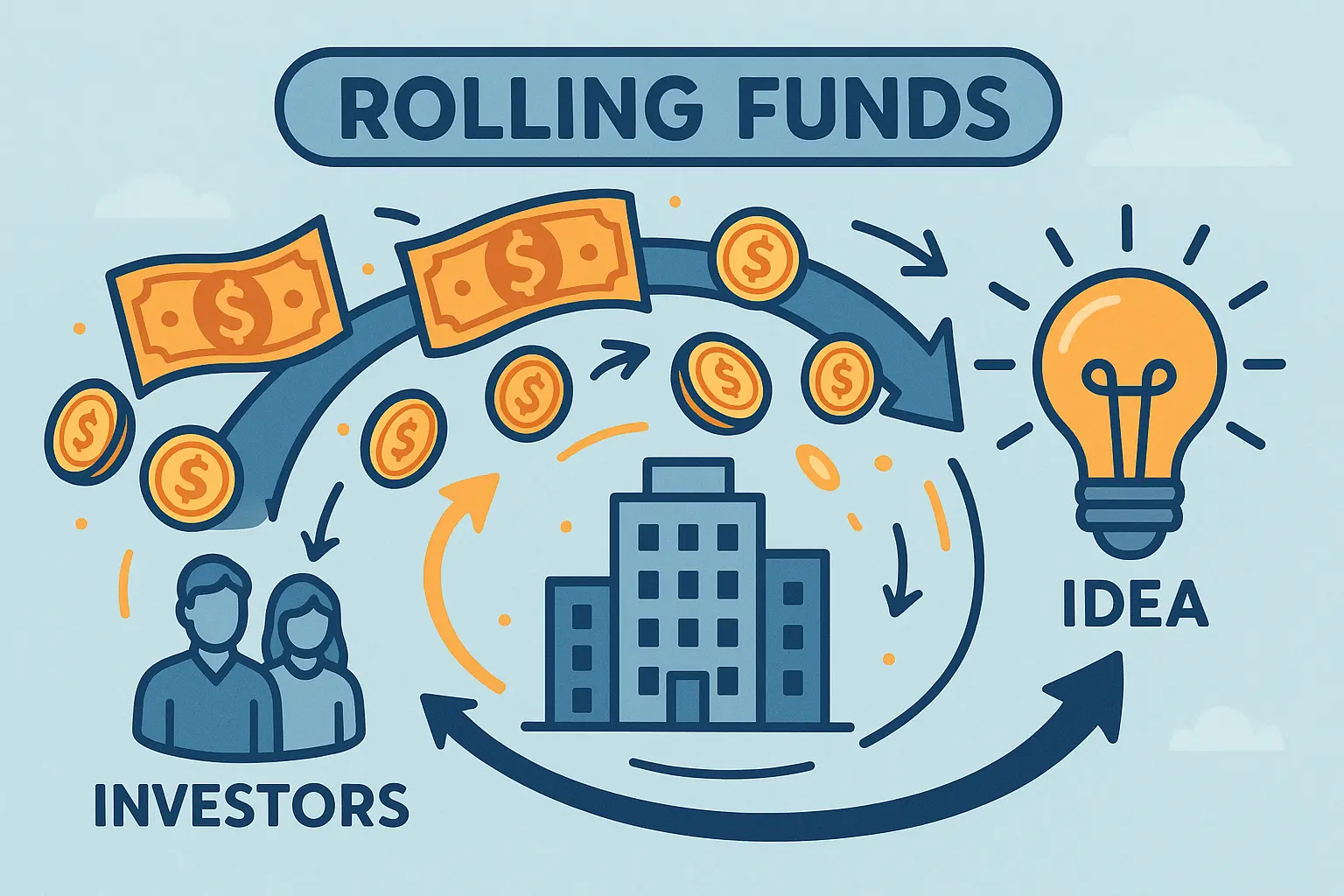
Fundraising can make or break a startup, yet the traditional venture capital model is often rigid and slow to adapt. That’s where rolling funds come in—a newer approach that’s quietly reshaping how startups and investors connect. Instead of waiting months or even years for a fund to open or close, rolling funds let investors subscribe on a quarterly basis, bringing much-needed flexibility for everyone involved.
Since AngelList launched rolling funds in 2020, over $1.5 billion has been managed through these vehicles, according to their reports. This fresh model has allowed more than 1,000 new fund managers to launch VC funds, many of whom would have struggled with the classic, all-or-nothing fundraising cycles. For founders, it means a steadier and more responsive stream of capital just when they need it; for investors, it opens up early-stage venture opportunities with lower minimums and easier access.
Whether you’re a founder tired of chasing one-off checks or an investor interested in smoother access to deals, rolling funds are changing the rules. Let’s explore how this innovation is impacting fundraising for both startups and investors.
Rolling Funds Explained: Structure and Mechanics
Key Differences from Traditional VC Funds
Traditional venture capital funds raise a single pool of capital upfront. Once raised, that closed-end fund is invested over years, with little chance for new investors to join until the next fund cycle begins. Rolling funds flip this model. Instead of bottling up all fundraising at the start, they invite limited partners (LPs) to subscribe on a quarterly or regular schedule, creating an ever-refreshing pool of capital. This structure means founders and fund managers don’t need a one-time fundraising sprint—they have continuous fundraising built in.
Unlike classic funds with rigid timelines, rolling funds provide adaptability. Managers access new capital as investor interest grows, and LPs can skip, increase, or reduce their commitment without waiting years for a new fund launch. The result: both sides bypass the pressure of “all or nothing” closings, and capital matches deal flow more naturally.
How Rolling Subscriptions Work
Rolling funds typically operate on a quarterly basis. Potential investors are invited to commit to the fund for at least four quarters, but after that, they can renew or withdraw as their interest or investment strategy evolves. This subscription model blends predictability—through committed capital per quarter—with dynamism, since the fund size morphs in sync with investor participation.

Every quarter, LPs’ contributions are pooled and allocated to new investments sourced by the fund manager. Each cohort of investor capital lives within its own quarterly fund, effectively creating a series of micro-funds under one umbrella. This modularity ensures returns and deal allocations are fairly distributed based on each LP’s actual capital and timing—no more missing out for latecomers.
This fresh, subscription-based structure sets the foundation for the changes rolling funds bring to the startup fundraising landscape. Next, let’s look at why this approach is gaining traction among founders and investors alike.
Why Rolling Funds Are Changing Startup Fundraising
Continuous Access to Capital for Founders
Traditional venture capital often hooks founders into a rigid schedule—raise a round, deploy capital, repeat. Rolling funds replace this stop-start fundraising pattern with a steady stream of investment. Founders can collect investment month after month, matching real-world growth instead of waiting for the next big round.
This flow gives startups the power to grab opportunities as they emerge. If a promising hire becomes available or a new idea proves traction, founders aren’t forced to delay or hustle for bridge rounds. Rolling subscriptions mean a fresh pool of capital arrives on schedule, offering operational agility that fits young companies’ unpredictable timelines.
Attracting a New Class of Investors
Rolling funds discard the high barriers of the past. Investors—especially emerging angels or operators—can commit smaller checks and start investing sooner. These funds let backers subscribe when it works for them, rather than being boxed out by timing or minimums required in traditional VC. As a result, rolling funds pull in a richer mix of LPs, from repeat backers to first-timers with sector expertise or an eye for early opportunities.
The constant enrollment and flexible allocation mean new perspectives come into the mix with each cohort. Startups not only raise money but also tap directly into active networks and fresh thinking from every wave of subscribers.
This dual advantage—steady cash for founders and broader participation for investors—ushers in a more responsive, open way to fuel new companies. Next, let’s unpack how these structural changes shape the investor experience and the ripple effects through the startup fundraising ecosystem.
Rolling Funds and Investor Experience: Flexibility and Engagement
Lower Barriers, Broader Participation
The arrival of rolling funds has cracked open the world of venture investing to a much broader set of participants. Unlike traditional VC funds—which often require high minimum commitments, closed fundraising windows, and invite-only access—rolling funds let investors come in with lower minimums and on their own timeline. This means angels, operators, and accredited individuals who previously sat on the VC sidelines can now join, learn, and diversify their portfolios, often with as little as a quarterly commitment.
This new model doesn’t just widen the pool of who gets to invest; it also fosters greater engagement. Rolling funds typically encourage more frequent communication and regular portfolio updates for LPs. Investors are not passive spectators. Instead, they get a front-row seat to how capital is being allocated, and sometimes even the chance to connect directly with founders and other LPs, creating a tighter-knit investing community.
Timing and Diversification Advantages
For investors, timing can be everything. Rolling funds allow LPs to enter at the start of any new quarterly “rolling” cycle, rather than waiting months or years for the next big fund to launch. This ongoing access is attractive to people hoping to spread their investments steadily and manage risk across economic cycles.
Even beyond timing, the structure itself encourages diversification over time. Instead of one large check locked into a single “vintage,” LPs can participate across multiple quarters—accessing different startups, sectors, and stages depending on when they join. For busy operators or new angel investors, this relieves pressure to “pick a moment” in an unpredictable market, and puts the emphasis on long-term exposure rather than one-shot bets.
As attractive as these features are for investors, they also herald a set of important considerations and trade-offs for both LPs and fund managers—complexities that anyone exploring rolling funds should weigh carefully.
Considerations and Risks When Using Rolling Funds
Regulatory and Compliance Landscape
Rolling funds are built for agility, but that flexibility can tangle founders and investors in a web of regulatory considerations. Rolling funds often rely on private placement exemptions, like Regulation D, which limit who can participate and what can be publicly advertised. If the fund’s marketing isn’t careful, or if an LP doesn’t meet qualification criteria, regulators might intervene. Also, since subscriptions renew quarterly, managers must constantly verify that all ongoing investors still meet qualified purchaser or accredited investor standards, which isn’t always straightforward.
Another wrinkle: rules evolve. What works today under SEC guidelines may shift next year, so compliance isn’t a box to check once—it’s an ongoing process. Fund managers need expert legal counsel, and LPs should read every document closely. No one wants to discover after the fact that their investment was non-compliant.
Potential Downsides for Startups and LPs
Startups may welcome frequent capital top-ups, but this system can make strategic planning tricky. When investment amounts fluctuate quarter to quarter, founders may struggle to forecast runway or plan large hiring pushes. There’s also a risk that taking dozens of small checks dilutes relationships—VCs who invest on a rolling basis might spread themselves thin, providing less hands-on help than a traditional lead investor.

For investors, rolling funds sound flexible but can also raise questions around portfolio construction. Since allocations reset each period, LPs jumping in late might miss out on early, high-performing deals, leading to “vintage risk.” Additionally, rolling funds charge management fees at the same cadence as new subscriptions; this can result in higher cumulative fees over time compared to a one-and-done closed-end VC fund. Less experienced fund managers may also launch rolling vehicles because of lowered barriers—so due diligence is just as crucial.
Understanding these uncertainties is key before diving in. The next section examines how these risks have played out in practice, revealing lessons from the earliest adopters and what they can teach those considering this path.
Thank you for reading EasyVC’s blog!
Are you looking for investors for your startup?
Try EasyVC for free and automate your investor outreach through portfolio founders!
Real-World Impact: Notable Success Stories and Early Trends
Emerging Data on Rolling Fund Performance
Rolling funds have only been around for a few years, but early reports hint at their momentum. Several platforms, including AngelList, reveal that rolling funds have consistently funneled millions into startups at an accelerating pace. This approach is also lowering the entry threshold for investors while enabling fund managers to deploy capital quickly—sometimes weeks, not months—after commitments are made.
Unlike traditional funds, rolling funds offer transparent quarterly performance reports. Recent disclosures from well-known rolling funds show promising returns; some funds launched between 2020 and 2022 have already distributed returns to LPs or marked up multiple portfolio companies within their first investment cycle.

Founder and LP Case Studies
Case studies offer a closer look at how rolling funds are changing outcomes. Take Sahil Lavingia’s rolling fund. LPs joined with modest checks and saw their capital deployed in high-growth deals like Clubhouse and Lambda School, all while keeping transparent communication lines with fund managers. Notably, Lavingia’s rolling fund quickly found portfolio startups benefiting from recurring rounds—a flexibility that static funds rarely allow.
On the founder side, recipients of rolling fund investments report faster access to capital and the ability to form long-term relationships with investors who routinely renew their commitments. This steady support has allowed some early-stage startups to accelerate hiring or product development ahead of their static VC-backed peers.
The growing body of success stories and performance numbers is reshaping expectations. With each quarterly update, more founders and LPs are taking notice—and considering this alternative for future fundraising strategies.
The real test, though, lies in how fund managers and startups weigh both the upside and the unique trade-offs of rolling fund models. Before jumping in, understanding the complexities and risks becomes essential.
Is a Rolling Fund the Right Option for Your Next Raise?
Evaluating Fit for Fund Managers and Founders
Rolling funds aren’t a one-size-fits-all solution. As a fund manager or founder, the first litmus test is your fundraising rhythm. If you expect capital needs to arise throughout the year, rather than in a single campaign, rolling funds can align perfectly with your timeline. They’re designed for managers who want ongoing commitments rather than closing a big fund all at once.
Transparency also matters. Rolling funds operate on regular disclosures and investor updates, which suits managers who value ongoing engagement with LPs. However, if your fundraising relies on a few large institutional backers, or your strategies require locking up capital for longer periods, a traditional VC fund structure might serve you better.
Rolling funds tend to work best for emerging managers building communities, founders with high public visibility, or investors who want to attract a larger base of individual LPs rather than a handful of institutions. If fostering a sense of ongoing participation excites you, the rolling model offers a strong, modern fit.
Strategic Tips for Maximizing Impact
To get the most from a rolling fund, consistency is everything. Communication routines—regular updates, portfolio highlights, and open Q&A—keep LPs engaged and signal professionalism. Be candid about deal flow pacing, since rolling funds demand a steady stream of investment opportunities to keep LPs interested.
Leverage the subscription model’s flexibility to convert interest into commitments quickly. Engage with potential LPs through your existing networks, social media, and content. Transparency about fees, deal selection, and performance builds trust fast, especially with untapped groups of investors drawn to rolling funds.
Lastly, ensure your fund’s infrastructure—legal, compliance, accounting—can handle the quarterly cadence of new LPs and allocations. Early administrative planning reduces friction down the line and keeps the focus on investing, not back-office surprises.
With a thoughtful approach, a rolling fund can unlock continuous capital and broaden your investor community. But before you leap, it pays to weigh the legal and logistical nuances—let’s walk through the important considerations and possible hurdles next.
FAQs on Rolling Funds and Fundraising Impact
Can startups raise from multiple rolling funds at once?
Yes, startups can secure investments from several rolling funds at the same time. This practice can help founders build a diverse cap table, engage with a broader group of supporters, and keep fundraising momentum going without locking themselves into a single investor or fund. However, it’s important to keep track of allocation sizes and coordinate communication, as the same transparency and updates will be appreciated across different fund backers.
What’s the minimum investment for LPs in rolling funds?
The minimum commitment for limited partners (LPs) varies widely, but it’s often lower than for traditional venture funds—sometimes as accessible as $5,000 to $25,000 per quarterly subscription. Some rolling funds set higher minimums to manage administrative burdens or attract a more experienced investor base, but others intentionally keep things flexible to allow more participation from emerging investors.
How do rolling funds handle follow-on investments?
Rolling funds are structured with the recurring quarterly subscription model, so they can participate in follow-on rounds when their LP capital is available during those periods. Unlike classic funds, where follow-on reserves are earmarked upfront, rolling funds may need to make allocation decisions based on fresh capital inflows. Founders considering rolling fund investors should clarify whether those investors have the appetite and liquidity to double down in later rounds.
This practical knowledge helps both founders and investors navigate the nuances of rolling funds. If you’re curious how these insights play out in real-world deals and want to see data and examples, keep reading—you’re about to discover how rolling funds are already shaping the startup fundraising landscape.