
How Marketing Efforts Enable Sales Performance

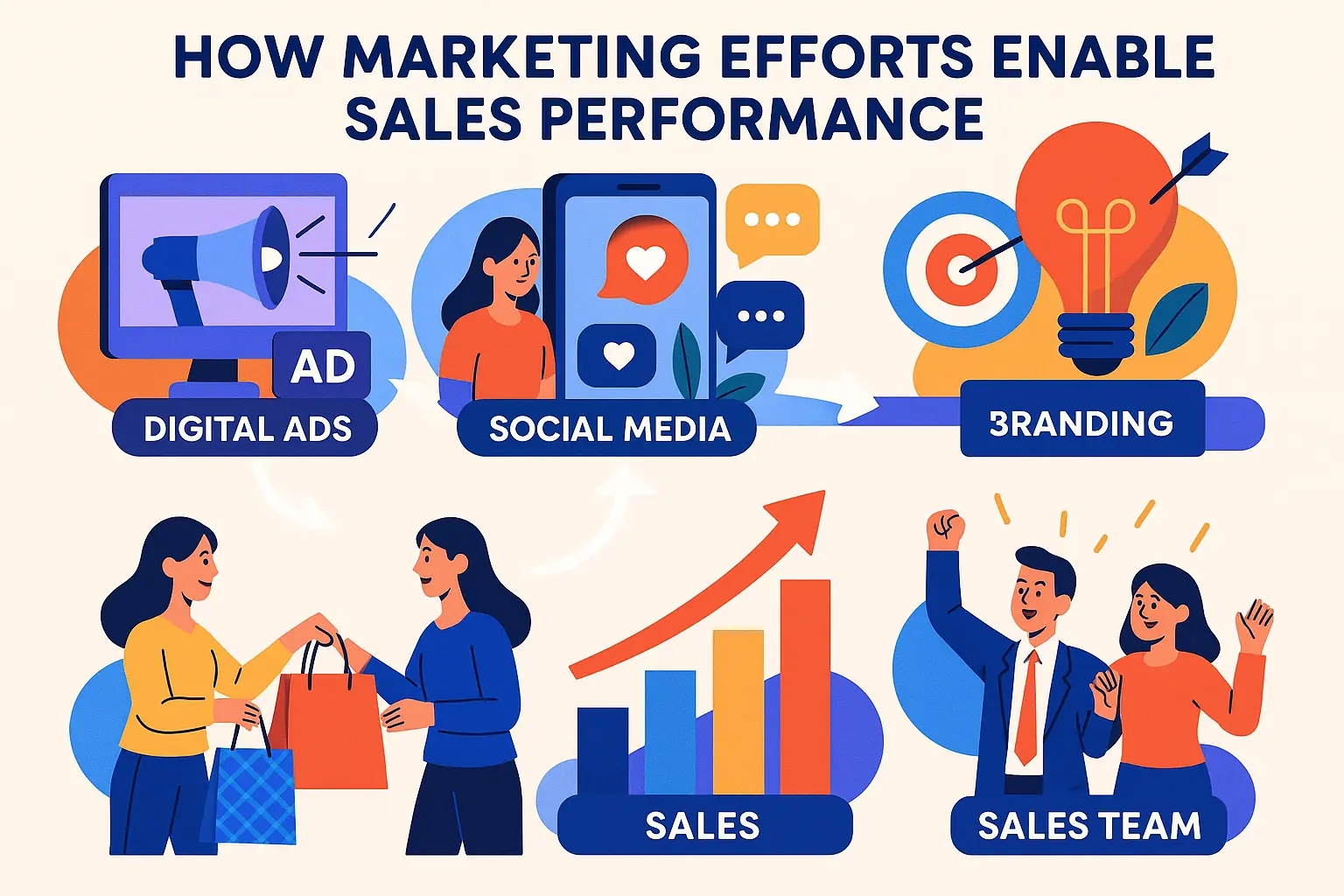
When you think about great sales results, marketing might not be the first thing that comes to mind. But imagine this: according to LinkedIn’s 2022 State of Sales report, more than 75% of top-performing salespeople say their teams work closely with marketing. In today’s crowded market, buyers are overwhelmed with choices and information. The way marketing and sales work together isn’t just nice to have—it’s essential for turning interest into actual revenue.
From building brand awareness to providing sales teams with helpful content and qualified leads, marketing efforts can pave the way for more meaningful conversations and stronger customer relationships. If you’ve ever wondered how these two teams can support each other better, or what practical steps make the biggest impact, you’re in the right place. In this article, we’ll break down the real ways marketing moves the needle for sales performance—and what that means for your business.
Understanding the Connection Between Marketing and Sales
Why collaboration matters
When marketing and sales work together, they become more than just neighboring departments—they become partners invested in the same outcome. Take, for example, what happens when sales teams share feedback about customer objections. Marketing can use those insights to adjust campaigns or resources, ensuring prospects receive answers before they ever speak to a salesperson. This back-and-forth leads to higher-quality leads and smoother customer conversations, cutting down wasted effort on both sides.
Defining roles and goals
Good collaboration starts with clarity. Marketing often owns the first interactions, making sure the right audience discovers the business and understands its value. Sales steps in to turn that interest into a real commitment, guiding the prospect through the final stages of a decision. Both teams need to agree on what makes a qualified lead and how to measure success. When everyone knows where their responsibility begins and ends, customers enjoy a seamless buying experience—and both teams are more motivated to succeed.
Once these connections are clearly understood, it becomes easier to see exactly how different marketing efforts can spark stronger sales outcomes. Let’s explore what those efforts look like in practice.
Key Marketing Efforts That Directly Boost Sales
Lead generation and qualification
Effective marketing starts with attracting the right people and knowing which prospects are actually interested in buying. Rather than collecting endless business cards or generic form fills, successful teams use targeted channels, optimizing their website landing pages and using data to filter out those who are “just browsing.” Highly qualified leads not only save time for sales teams, but they often bring higher conversion rates because their needs are already matched to the company’s strengths.
Content creation that supports the buyer journey
Helpful content—think product comparisons, how-to guides, and customer testimonials—can answer common questions before a sales rep even steps in. By the time someone speaks with sales, they’re often already convinced by the clarity and trust-building marketing content shared across the company blog, emails, or even short explainer videos. This level of preparation not only shortens the sales cycle but also gives buyers more confidence to commit.
Demand generation campaigns
The buzz created by demand generation campaigns—webinars, industry events, or creative social media initiatives—can quickly fill the sales pipeline. These efforts don’t just increase brand awareness; they generate real interest from buyers who might otherwise not have considered a solution. By using data-driven targeting and timely follow-ups, marketing turns curiosity into concrete opportunities for sales to pursue.
While these marketing efforts spark interest and warm up leads, the real test comes in how seamlessly information and tools flow between marketing and sales. Let’s look at practical ways marketing supports sales teams to close the deal faster and more efficiently.
Bridging the Gap: Sales Enablement Through Marketing
Sales collateral and messaging
Effective sales teams rely on more than a pitch—they need the right tools to back up their conversations. That means well-crafted product sheets, case studies, value propositions, and presentations. When marketing curates and updates these resources, sales can respond immediately to buyer questions and objections without fumbling. Even more, marketing fine-tunes the messaging so every outreach lands with consistency and relevance, regardless of which sales rep delivers it.
Insights from customer data
Customer behavior tells a detailed story. Marketing teams sift through analytics to spot trends in web traffic, content engagement, and buying signals. Sales teams use this intelligence to prioritize leads, personalize outreach, and anticipate objections. For example, if a customer spends extra time reading about a feature, sales can highlight specific benefits in their next call. By sharing these data-driven insights, marketing arms sales with a sharper, more informed approach.
Training and feedback loops
Collaboration doesn’t end with hand-offs. Marketing runs training sessions to brief sales on new campaigns and content, ensuring everyone is in sync. In turn, sales shares real-world feedback: which materials closed deals, which messages fell flat, and the pressing questions customers ask. This ongoing loop means marketing can continually refine resources and strategies to meet what’s happening in the field.
Building this connective tissue between teams sets the stage for efforts to really pay off—and opens the door to understanding how success is measured, tracked, and proven in real terms.
Thank you for reading EasyVC’s blog!
Are you looking for investors for your startup?
Try EasyVC for free and automate your investor outreach through portfolio founders!
Ready to turn your marketing into your sales team’s secret weapon? Your next move could be the game-changer you’ve been searching for. Imagine your campaigns not just sparking interest, but delivering sales-qualified conversations—fast.
Curious how the most successful companies align their efforts to land bigger deals, faster closes, and stronger relationships? Don’t let the power of coordinated marketing and sales efforts slip through your fingers. Start unlocking measurable results today.
Let’s dive deeper and see how you can spot the real impact of marketing on your sales, measure progress, and fine-tune your strategy with confidence.
Tracking and Measuring the Impact of Marketing on Sales Performance
Shared KPIs and reporting
Accurately gauging the contribution of marketing requires more than just monitoring website traffic or email open rates. Both marketing and sales teams need to agree on joint metrics—such as lead-to-opportunity conversion rate, marketing-sourced revenue, or average deal size traced back to specific campaigns. When everyone works from the same pool of data, it becomes possible to pinpoint exactly which marketing activities are moving the revenue needle. Regularly reviewing these metrics together uncovers opportunities for fine-tuning campaigns and realigning priorities.
Tech tools for unified analytics
Integrating customer relationship management (CRM) platforms with marketing automation tools takes the guesswork out of attribution. By connecting these systems, you can track every touchpoint a prospect has with your brand, from initial ad click to closed deal. Dashboards and live reports provide both teams with real-time insight, highlighting which initiatives accelerate the sales cycle—or cause drop-off. Modern analytics platforms also leverage AI to surface patterns humans might miss, revealing which content assets, offers, or channels generate the most pipeline.
Effectively tracking impact is not just about collecting more data, but connecting the right dots. As we explore next, real-world examples demonstrate how purposeful marketing efforts truly transform sales performance when measurement steers the strategy.
Real-World Examples of Marketing Efforts Enabling Sales
B2B case: Account-based activities
Consider the journey of a cybersecurity firm targeting enterprise clients. Their sales team struggled to engage decision-makers within a handful of large financial institutions. To help, marketing built custom landing pages tailored to each prospect’s pain points and regulatory challenges. These pages featured industry-specific case studies and a direct calendar link to book a demo. As a result, response rates shot up, and sales secured meetings that had previously been elusive. By swapping broad messaging for tightly focused assets, the marketing team opened doors that cold outreach alone never could.
B2C case: Integrated campaigns
A well-known sneaker brand saw sales stagnate in their flagship city. Instead of relying on discounts alone, the marketing team wove together a city-wide scavenger hunt, social media teasers, and in-store experiences. Influencers posted real-time clues, while participating stores hosted pop-up events. The buzz generated lines outside shops, social sharing soared, and sales outpaced expectations by 35%. This coordinated approach turned an ordinary product release into a local cultural moment—giving the sales team far more than just foot traffic: they gained genuine excitement and word-of-mouth momentum.
Seeing how these strategies deliver measurable results, the next step is to explore how any organization can adopt similar practices for ongoing growth and deeper alignment between teams.
Steps to Improve Alignment for Sales Growth
Regular communication routines
Consistent conversations between marketing and sales steamline information flow. Simple weekly check-ins, where teams share recent wins, challenges, and upcoming initiatives, help both sides understand evolving customer needs. Transparent dialogue about qualified leads, campaign effectiveness, and objections from prospects breaks down team barriers and builds trust.
Joint planning and strategy sessions
Bringing sales and marketing together to outline shared goals and tactics pays off. During quarterly planning sessions, both teams have the opportunity to align their pipeline targets, review audience data, and agree on content priorities. When each department sees where its activities influence the other’s outcomes, efforts become more targeted and productive.
Continuous feedback and improvement
Real alignment happens when teams create a cycle of reviewing results and optimizing their approach. Rather than setting plans in stone, marketing and sales should regularly discuss what’s working—and what isn’t. Lessons learned from campaign performance, lost deals, or surprising customer insights can quickly be turned into action steps that drive better results in the next cycle.
Improved alignment doesn’t just smooth team interactions; it creates the foundation for accurately measuring how shared efforts translate to sales outcomes. Let’s explore how collecting and analyzing the right data brings everything together.