
How Do Your Investors View You? Understanding and Improving Investor Perception


How your investors see your business isn’t just a matter of pride—it can actually shape your company’s future. Studies have shown that businesses with strong investor relationships raise up to 30% more funding over time and hold a market valuation that’s 20% higher on average than peers with weaker investor trust (Harvard Business Review, 2022). Investors won’t only write checks; their belief, or doubt, in what you’re building can open doors, shape your reputation, and affect how you face challenges down the road.
If you’ve ever wondered what your investors really think about your leadership, your updates, or your company’s direction, you’re not alone. Many founders and leaders quietly worry: “How do my investors view me? And what can I do if their perception isn’t quite what I hope?” Understanding and improving how investors see you isn’t about putting up a front—it’s about building real trust and making sure everyone’s rowing in the same direction. In this article, we’ll break down what shapes investor perception, signs to watch for, and simple ways you can strengthen these all-important relationships.
Why Investor Perception Matters for Your Business
Impact on Fundraising and Valuation
When investors believe in your business, fundraising becomes more straightforward. Their perception shapes whether they see your company as a promising opportunity or a risky bet. A positive image often leads to faster commitments, better terms, and even a premium on your company’s valuation. On the other hand, if doubts creep in—about growth, leadership, or strategy—you may face skepticism, tougher negotiations, or even doors quietly closing when you need resources most.
Trust and Long-Term Support
Beyond capital, investors offer wisdom, connections, and credibility. But this support is rarely automatic—it’s earned and reinforced by how you are perceived day-to-day. Trust builds gradually, based on how you respond to challenges, share news, and deliver on promises. When you have that trust, investors stick around for ups and downs; when it’s missing, even steady performance can feel precarious. Ultimately, positive perception is the foundation for enduring partnerships that outlast a single funding round.
Knowing why perception counts is essential. But to truly influence how investors see you, it’s valuable to understand the key factors shaping their opinions.
What Shapes How Investors View You
Transparency and Communication
Investors look for honesty, even when the news isn’t rosy. Avoiding sugarcoated updates or last-minute surprises goes a long way. When information is shared openly and on time, trust grows. If your updates are consistent and accessible, investors don’t have to guess what’s really going on—they know.
Performance Versus Projections
Numbers matter. Investors pay close attention to how actual results stack up against the forecasts you shared. If you miss targets, what matters most is how you explain the gap. Was it a strategic pivot? A market hiccup? Being clear about missed marks and quick with insights shows you’re steering the ship, not making excuses.
Management Team Credibility
People invest in people. Confidence in your team comes from more than fancy bios—it’s built by showing decisive action and learning from challenges. Investors notice if your team’s actions back up your words and whether you adapt fast when things don’t go as planned.
Market Position and Competition
Investors size up your standing in the market and how you respond to competitive threats. They’re watching if you’re growing, defending your niche, or getting squeezed out. How you describe your rivals—and your plan to stay relevant—speaks volumes about awareness and readiness for what’s next.
Understanding these factors not only helps you tune into what investors see, but also points to practical ways you can take the pulse of their sentiment—and course-correct before concerns turn into problems.
Practical Ways to Assess Investor Sentiment
Direct Feedback and Investor Updates
The most straightforward way to understand what investors think is to simply ask them. Set aside time for honest conversations—whether in one-on-one calls or small group sessions. Pay attention to what questions they ask and what concerns come up repeatedly. If they’re silent or offer only brief answers during updates, that might be a sign they’re not fully satisfied, even if they aren’t saying so directly.
Body Language and Unspoken Clues
Observing meetings—even virtual ones—can reveal more than words. Tune in to facial expressions, tone, and posture. Do investors lean in with curiosity, nodding in agreement? Or do they look distracted, check their phones, or avoid eye contact? Hesitation before responding, or prolonged silences, often signal uncertainty or skepticism.
Engagement with Reporting and Documents
Track how quickly investors open update emails, download reports, or respond to new documents you share. If few investors engage or they read only the summary, it could indicate dwindling interest or confusion. On the other hand, investors who ask follow-up questions and request more detail are usually more invested in your success—literally and figuratively.
Assessment is just the first step; understanding these signals puts you in a better position to respond and build stronger, more productive relationships with your investors. Let’s look at ways to deepen that trust and keep your investors aligned with your vision.
How to Build Strong Relationships with Your Investors
Setting Clear Expectations
Start your investor relationships with straight talk. Outline your goals, business milestones, and what success really means for your company. Don’t sugarcoat risks or hurdles—most investors spot glossed-over realities from miles away. Clarify how often you’ll share updates, when you expect results, and who will handle their inquiries. By setting the ground rules upfront, you make it easy for investors to know what to expect and when.
Consistency in Good and Bad Times
It’s easy to communicate when you’ve nailed a target or closed a big deal. The real test comes when things are uncertain. Share regular updates no matter the news, and offer context when results fall short. Investors appreciate hearing directly from you—especially when the story is tough. They’re far more likely to support you through rocky times if you’ve kept them informed all along.
Inviting Input and Involvement
Give investors a chance to weigh in before major decisions are made. Instead of treating updates as one-way broadcasts, ask specific questions or request advice. Many investors enjoy tapping into their networks to help you find customers, partners, or new hires. Small gestures, like showing that their insight is valued, go a long way toward building a lasting partnership. Offer opportunities for updates in person, not just over email, so relationships grow stronger than digital exchanges alone.
When you get these basics right, red flags from investors rarely show up unnoticed. Next, let’s look at the signs that something may be off in your investor relationships and how you can spot them early.
Thank you for reading EasyVC’s blog!
Are you looking for investors for your startup?
Try EasyVC for free and automate your investor outreach through portfolio founders!
Red Flags That Signal Negative Investor Perception
Delayed Responses and Missed Meetings
When investors start dragging their feet—taking days to answer a straightforward email or habitually skipping scheduled calls—it isn’t just a scheduling conflict. This lack of urgency suggests waning interest or growing doubt. Consistent delays are one of the earliest signs that an investor’s confidence is eroding.
Frequent Questions about Basics
Repeated questions about fundamental aspects of your business—like current revenue, burn rate, or customer pipeline—signal something deeper than curiosity. It hints that your updates aren’t clear, or worse, that investors don’t trust the information as presented. Rehashing the basics means investors have lost clarity or are double-checking your story.
Reduced Participation in Future Rounds
If previously collaborative investors begin to hesitate when new funding opportunities arise, take note. Limited or no participation in bridge rounds or follow-on funding is a strong indicator they’re questioning your trajectory. Active support quickly fades when investors don’t see enough promise for a future return.
Spotting these signals early isn’t enough—you’ll need a strategy to address and turn around negative sentiment. The next section explores practical steps you can take to repair and rebuild investor trust when you see these warning signs emerge.
Turning Around Investor Attitudes
Owning Mistakes and Sharing Solutions
Silence doesn’t erase setbacks—acknowledgment does. When things slip, bring your investors into the room, lay out what went wrong, and show them the work underway to fix it. Honest postmortems—root cause, measurable impact, and what you’re changing—help to rebuild confidence faster than defensiveness ever could. Investors often forgive unexpected bumps far more readily than they do half-truths or evasions. Make them partners in the recovery.
Using Third-Party Validation
It’s easy to say you’re on the right track, but hearing it from someone credible amplifies your case. Third-party validation can come from press coverage, analyst reports, noteworthy customer wins, or independent audits. These external signals reassure investors that your progress isn’t just rosy self-reporting.
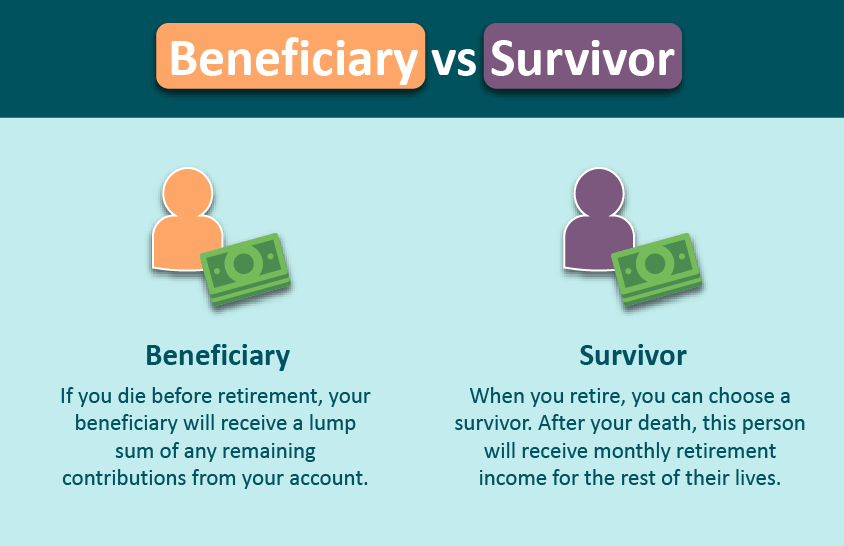
For example, just as beneficiaries and survivors are validated by independent rules and oversight (as shown in the infographic above), your business is strengthened when outsiders make the case for you. Seek out this kind of support and share it openly—investors notice the difference it makes.
Tracking Changes in Investor Engagement
Improvement isn’t a guessing game. Pay attention to small shifts: Are investor emails arriving quicker than before? Are questions more strategic, less skeptical? Are investors referring you to their peers, or volunteering introductions? Chart these details over time. A rising tempo of engagement signals a shift in perception—proof your renewed efforts are paying off.
If you sense the mood has shifted, now is the moment to build deeper trust and keep momentum on your side. The next steps are about turning progress into lasting loyalty.
Keeping Investors in Your Corner for the Long Haul
Celebrating Wins Together
When good news lands—a product milestone, a big sale, or industry recognition—loop your investors in early. This is more than formality. Sharing achievements, especially those born from their support or ideas, helps investors feel the pulse of your progress. Don’t just stop at big quarterly updates; a quick thank-you email or a shared customer testimonial can spark real enthusiasm. A sense of shared accomplishment translates into investors truly rooting for your ongoing success.
Making Investors Feel Informed and Valued
Investors don’t like surprises unless it’s good news. Routine updates, even when things are steady, reassure them that you’re on top of details. Go beyond spreadsheets—share brief context on how their insights shaped a pivot or decision. A sincere phone call or tailored message does more to build trust than any one-size-fits-all report. When investors know their input shapes outcomes, loyalty is a natural response.
Staying proactive in these ways ensures investors remain not just satisfied, but engaged. But even the best relationships can hit a rough patch—so recognizing early signs of shifting sentiment is just as crucial for keeping everyone committed over time.