
Fundraising Guide: Proven Steps to Boost Your Next Campaign

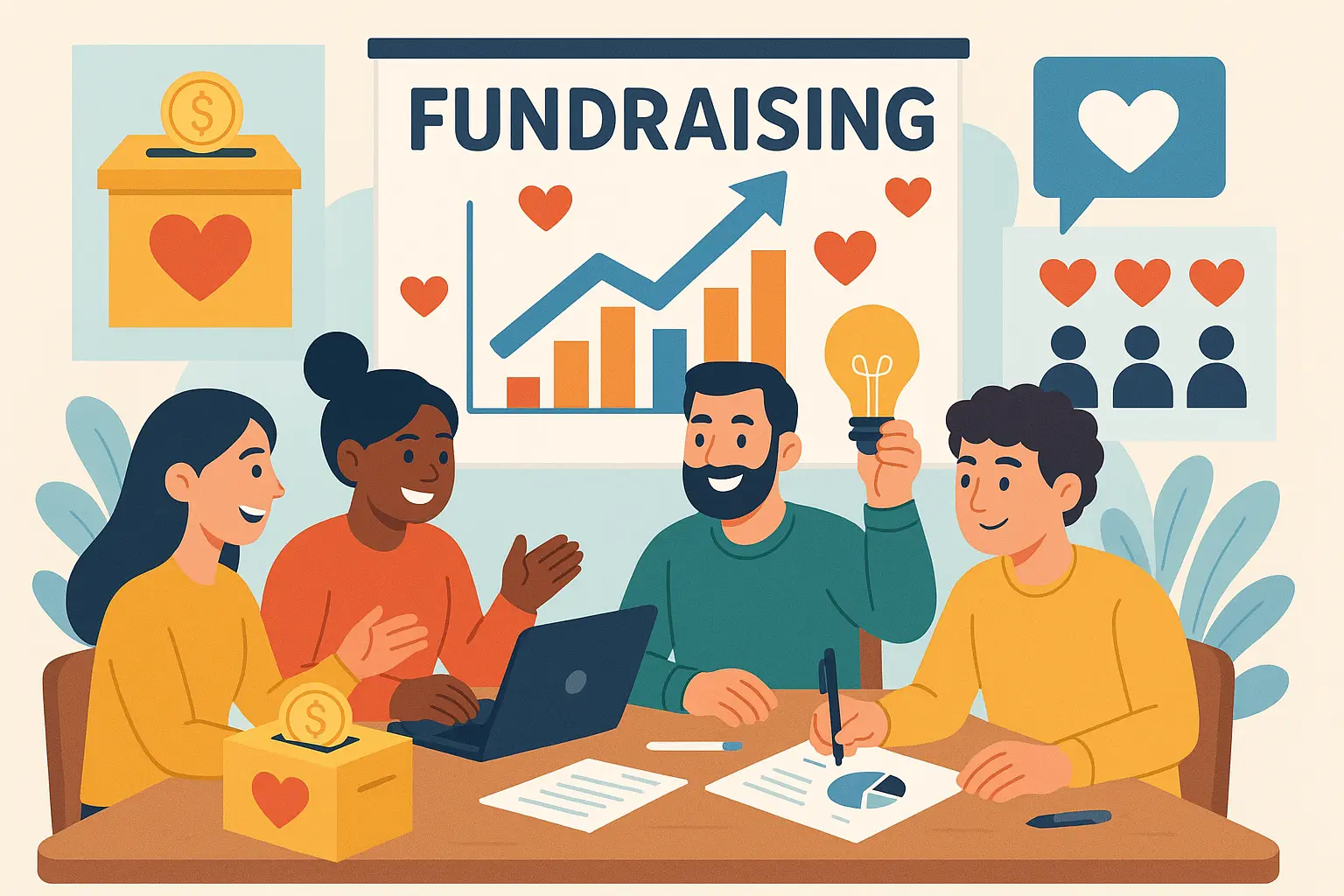
Whether you’re raising money for a school project, a local charity, or an ambitious nonprofit, fundraising often feels like a mountain to climb. In today’s world, with so many causes and organizations vying for attention, standing out and hitting your fundraising goals can be a real challenge. In fact, according to recent research, only about half of nonprofits meet their annual fundraising targets. The good news? With the right steps—and a clear plan—you can give your campaign a much better chance of success.
This guide covers proven strategies and simple, practical actions that can help you boost your next fundraising campaign, no matter its size or purpose. If you want to make a real impact, rally your community, and see real results, you’re in the right place. Let’s get started on making your fundraising campaign the best yet.
Understand Your Fundraising Goals
Set Clear Targets
Before asking anyone for support, know exactly what you need. Calculate your fundraising goal based on real numbers: project costs, platform fees, materials, and a financial cushion for unexpected expenses. Being precise keeps you focused and makes it easier to explain to others exactly what their gift will help you achieve.
Identify Your Audience
Picture your ideal supporter. Are they parents in your local community, former program participants, socially minded companies, or online donors from around the world? Understanding who is most likely to get behind your cause helps align your message and outreach. Get specific—think about their interests, values, and how they like to receive information or make donations.
With your goals crystal-clear and the right people in mind, it’s time to consider which fundraising approach matches both—so your next decisions are strategic, not just hopeful guesses.
Choose the Right Fundraising Methods
Every cause is different, and the way you raise money should reflect what makes your project—and your supporters—unique. Let’s dive into some fundraising methods that spark engagement and deliver results.
Events and Community Activities
Bringing people together creates energy and momentum you can’t replicate online. Think beyond the standard gala: trivia nights, walkathons, cook-offs, or neighborhood festivals can attract new faces and deepen loyalty among regulars. The best events don’t just raise money—they build community around your cause.
Online Fundraising Tools
Digital platforms expand your reach with just a few clicks. Crowdfunding pages, donation widgets, and peer-to-peer campaigns let supporters contribute anytime, from anywhere. Use personal stories and regular updates to create an emotional connection that goes beyond the transaction.

Corporate and Local Business Support
Don’t overlook the power of partnerships. Local businesses might sponsor an event, donate a percentage of sales, or host a fundraising night. Larger companies may match employee donations or provide grants. Approach them with a clear ask and a plan for highlighting their support.
Individual and Major Giving
Personal relationships matter. Identify potential champions—board members, past major donors, or community leaders—and invite them to be part of something meaningful. Tailor your approach to their interests, and show exactly how their gifts fuel your work.
Grant Applications
Grants can supercharge your budget but require careful research and targeted applications. Focus on foundations or agencies whose giving priorities align with your mission. Tell your story clearly, back it up with data, and follow up on every submission.
With your toolkit of fundraising methods ready, it’s time to weave those pieces into a focused, actionable plan that keeps your team moving together and your campaign on track.
Build Your Fundraising Plan
A strong fundraising plan keeps everyone focused and prevents last-minute scrambles. With the right structure, your team can invest its energy where it matters and keep your campaign on track from day one.
Develop a Timeline
Start by mapping out your campaign from kickoff to wrap-up. Mark key dates such as launch day, update cycles, and any in-person events. Set internal check-ins a week or two ahead of deadlines—this gives your team space to problem-solve before crunch time. You don’t need a fancy platform; even a shared calendar or a simple spreadsheet can do the trick.
Allocate Roles and Resources
Assign clear responsibilities. Who’s writing emails? Who’s handling social media replies? What about tracking donations or rallying volunteers? Break big tasks into manageable pieces and let each person own a chunk. Make sure everyone has the tools and support they need to shine—sometimes, that means a camera for event photos, or just a list of warm leads for phone calls.
Craft Your Messaging
Every word you share should sound like it comes from a real, passionate person—not a robot or a press release. Collect a few short anecdotes, stats, or inspiring quotes that quickly show why your cause matters. Keep the tone consistent across emails, flyers, and social posts: whether lively, heartfelt, or urgent, let your organization’s personality shine through.
With your plan in place, it’s time to rally people behind your mission. The next step is all about sparking genuine motivation and lasting support from everyone involved.
Engage and Motivate Supporters
Personalized Communication
Your supporters want to feel seen, not just counted. Ditch blanket emails for messages that speak directly to individuals. Use names, mention their past involvement, and let them know how they can make a unique impact now. If someone volunteers with logistics, invite them to join the planning meeting. For a monthly donor, share their specific impact with a short note or a behind-the-scenes photo. When supporters see that you know them, they’re more likely to respond and stay involved.
Volunteer Involvement
Let your volunteers steer the campaign with you. Handing them real responsibilities—like managing social media updates or leading a small event—gives them ownership. Share what your volunteers are achieving across your channels. This spotlights their work and encourages others to jump in. When people see that energy and recognition, they want to be part of the team.

Thank and Recognize Donors
Skip the cookie-cutter thank-you lines. Call out specific ways each donor’s support makes a difference—whether covering supplies for one family or funding a workshop. Snap a photo at your next event showing donors’ impact in action, and share it with a quick note. Feature donor shout-outs on your website and social stories when possible. Fast, genuine gratitude is what keeps donors coming back.
A campaign thrives on relationships, not just revenue. Next, discover how to keep your efforts effective by tracking your results and making smart, data-driven tweaks along the way.
Track Results and Adjust Your Approach
Monitor Progress in Real Time
Keep a close eye on your numbers as your campaign unfolds. Whether you’re tracking online donations, event sales, or volunteer hours, daily or weekly updates reveal trends—both the spikes and slow stretches. Use simple dashboards or spreadsheets to spot which channels are connecting with your audience the most.
Analyze What Worked
After each major push, pause and dig into your data. Did a particular email drive a wave of donations? Did social media shares translate to more sign-ups? Compare your efforts to your original goals. Look for patterns in what resonated with people, and don’t ignore the flops—they’re often your best teachers.
Apply Lessons Learned
Now, update your approach for the rest of the campaign. If an early tactic fell flat, shift your energy to what’s working. Adapt your messaging, try a different social platform, or tweak your event format to better match supporter preferences. Progress requires flexibility—adjust quickly, and you’ll avoid wasting time on dead-ends.
By staying alert to results and responding with smart changes, you’ll set yourself up for fundraising success. Up next, discover tools and resources that make planning and execution even smoother.
Top Fundraising Resources
Templates and Planning Worksheets
Skip the stress of starting from zero. Downloadable sample budgets, event checklists, and donor communication plans help you get organized fast. Use editable spreadsheets that calculate fundraising progress or customizable calendars to map out your campaign timeline. These templates remove guesswork and keep your team on the same page, so you can focus on inspiring your supporters rather than tracking details with sticky notes.
Further Reading and Toolkits
Actionable guides and digital toolkits from sector experts can spark fresh ideas when your campaign hits a plateau. Look for resources that offer proven storytelling tactics, donor stewardship strategies, and practical social media tips. Organizations like Classy, Nonprofit Tech for Good, and The Fundraising Authority publish free articles, eBooks, and webinars covering everything from running hybrid events to optimizing donation pages—no jargon, just battle-tested advice.
With these resources at your fingertips, you’re equipped to sidestep common pitfalls and launch a campaign with clarity and momentum. Next, let’s explore the simple steps for putting all these tools—and your creative ideas—into a plan that delivers tangible results.