
Evaluating Startup Team Risk: Key Methods and Red Flags

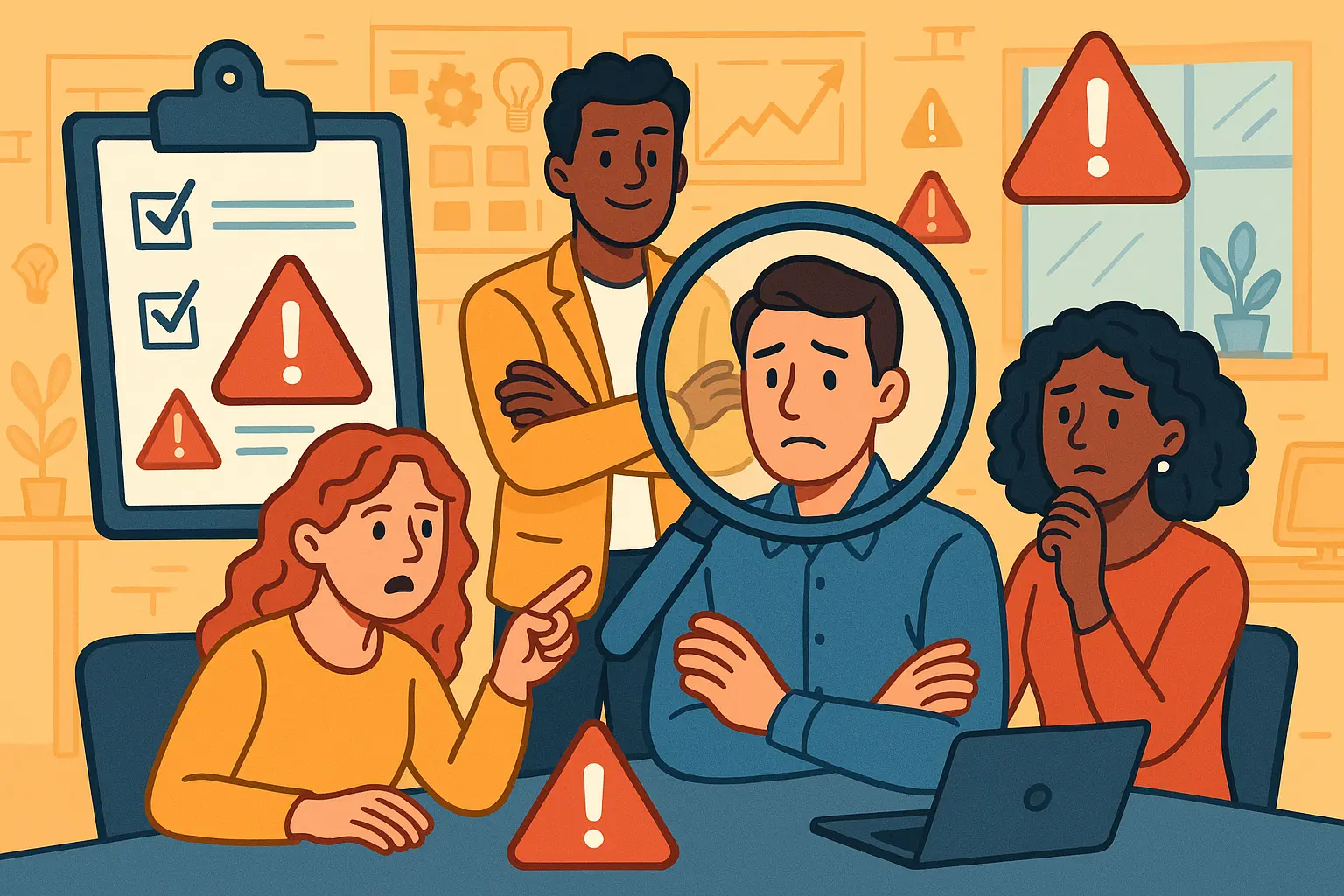
Launching a startup takes more than just an exciting idea or innovative product. Studies show that about 60% of startup failures can be traced back to problems within the founding team—issues like poor communication, mismatched skills, or unresolved conflicts. Investors and co-founders alike recognize that a team’s ability to navigate uncertainty and work well together is just as important as the business model itself.
So, how can you spot the signs of a high-risk team before it’s too late? By understanding the core methods for evaluating startup team risk and knowing which red flags to watch for, you can make more informed decisions—whether you’re investing, joining, or building a company from scratch. In this guide, we’ll walk through practical steps and key warning signs to help you confidently assess team risk and set your startup up for success.
What Does Startup Team Risk Mean?
Startup team risk refers to the possibility that a new venture’s team lacks the qualities needed to navigate challenges, execute effectively, and deliver on their vision. Unlike product or market risk, which focus on what a company makes or whom it serves, team risk zooms in on the people behind the operation—how they work together, adapt, and make critical decisions.
How Team Risk Impacts Startup Outcomes
The makeup and behavior of a founding team have an outsized effect on a startup’s fate. Even brilliant ideas stumble if team members can’t handle disagreements, misjudge how to adjust strategy, or falter under pressure. High team risk often surfaces as missed deadlines, unkept promises, or an inability to course-correct—problems that can spell disaster more quickly than a flawed product.
Why Investors Prioritize Team Risk
For investors, betting on startups means weighing uncertainty from every angle. But the team is the lever that moves everything else. Investors know that a cohesive, skilled team can reinvent the product or pivot when markets shift, whereas a team hampered by dysfunction or inexperience may not survive the inevitable storms. That’s why team evaluation sits at the top of most due diligence checklists.
Having a sharp sense of team risk is essential—not just for backers and advisors, but also for founders hoping to strengthen their company’s odds. Next, let’s explore the specific factors that signal whether a startup team has what it takes to thrive in unpredictable terrain.
Core Factors to Assess When Evaluating Startup Teams
Founders’ Backgrounds and Experience
Digging into the founders’ histories tells you whether they’ve navigated real challenges before. Look for experience that’s specific—not just “years in the industry,” but actual track records with launches, pivots, and setbacks. Evidence of having built or scaled something relevant usually says more than impressive but unrelated titles.
Team Commitment and Cohesion
Pay attention to the level of collective dedication. Is the team all-in, or do some key players seem half-committed? Signs of side gigs, unclear roles, or absentee founders can signal trouble. Strong startup teams often share sacrifice—a willingness to rally together, not just when it’s easy, but when it’s crunch time.
Relevant Skills and Domain Expertise
A promising idea needs more than passion; it requires skills that match the real challenges ahead. Assess whether the team can cover technology, customer development, sales, and operations—or if they’re just hoping to “learn fast” on the fly. Gaps are normal, but awareness and a plan to address them matter.
Decision-Making and Problem-Solving Styles
How a team responds to obstacles reveals a lot. Are they data-driven, thoughtful, ready to course-correct? Or do they double down on instinct and avoid frank discussions when things get bumpy? Ask for stories about when critical changes were made, especially under pressure.
Diversity and Perspective Balance
Teams with varied backgrounds spot blind spots and adapt quicker. If everyone shares the same mindset, network, and skill set, innovation usually stalls. Look for evidence of open debate, healthy disagreement, and mixed perspectives contributing to real decisions.
Getting a grip on these core factors puts you in a stronger position to identify both solid teams and ones primed for turmoil. The next step: moving from broad impressions to hands-on evaluation techniques that reveal what’s really under the surface.
Step-by-Step Process to Evaluate Team Risk
Interview and Observe Key Team Members
Start by talking directly with founders and core team members. Skip rehearsed pitches and dig into how they handle challenging questions or uncertainty. Watch for body language and group interactions. Are they collaborating or competing for attention? Genuine chemistry is hard to fake.

Analyze Roles and Gaps
Map out each person’s role and see where responsibility clusters—or falls through the cracks. Too much overlap? Expect power struggles. Critical gaps or “we’ll hire later” excuses? That’s a signal priorities aren’t aligned and risk is being ignored.
Review Track Records and Previous Exits
Pull apart resumes to find patterns, not just impressive logos. Look for proof of resilience—teams that have recovered from setbacks, learned, and come back stronger. A history of unfinished startups or drama-filled departures is worth noticing.
Assess Interpersonal Dynamics
Notice how disagreements are handled. Respectful debate is good. Dismissive tones, one dominant voice, or nervous silence? Those are friction points that tend to explode under pressure, hurting execution and morale.
Check Reference Points Beyond the Pitch
Don’t rely solely on what the team tells you. Reach out to former co-workers, partners, or even customers. Ask about integrity, adaptability, and follow-through. Authentic praise (not just a LinkedIn endorsement) is tough to earn and an excellent signal.
Understanding the evaluation process is only one side of the story. Next, keep an eye out for clear warning signs that might suggest serious trouble ahead—so you can spot team risk before it derails a promising venture.
Warning Signs of Higher Team Risk
Frequent Team Turnover
If early hires regularly depart, it isn’t just a HR headache—it’s a sign something may be wrong beneath the surface. Constant changes in team composition often disrupt momentum, erode trust, and signal instability to future members or investors. High turnover can hint at underlying culture issues or mismatched expectations around the company’s vision and direction.
Lack of Relevant Experience
Founders or critical team members lacking direct industry experience or knowledge of the problem they’re solving can leave major blind spots. When no one on the team has seen a product like this through to launch, mistakes are often repeated, and hard lessons take longer to learn. This gap can slow down execution and innovation, leading to missed opportunities.
Signs of Internal Conflict or Poor Communication
Clashing personalities and ambiguous communication are like small brushfires that threaten to spread through a startup. Watch for contradicting answers from different founders, missed follow-up points, or visible discomfort in meetings. Tensions seldom vanish on their own and often grow as stakes rise, dragging down productivity and morale.
Overreliance on a Single Founder
When one person is the heartbeat, brain, and backbone of the company, the startup’s fortunes are tied too closely to a single point of failure. A lack of distributed responsibilities creates risk for burn-out, bottlenecks, and decision paralysis if that leader is distracted or unavailable. A healthy team shares ownership and decision-making, building resilience instead of fragility.
No team is perfect, but noticing these warning signs early gives investors and founders a chance to ask hard questions and initiate the right changes. Up next, we’ll focus on concrete approaches teams can use to actively lower their risk exposure and build a stronger foundation for success.
Proactive Ways to Reduce Startup Team Risk
Foster Transparent Communication
Building trust within a startup starts with straightforward conversations. Set aside dedicated time each week for open feedback, sharing both successes and setbacks. Document decisions in plain language—no hidden agendas or unspoken expectations. Team members should always know who is responsible for what, and how to reach each other outside the core hours.
Support Ongoing Skill Growth
Team skills should expand at the same pace as the company’s ambitions. Schedule quarterly learning sessions—these could include attending external workshops, pairing senior and junior teammates on new projects, or even just swapping roles for a day. Make skill-building measurable: list new competencies, review progress monthly, and tie learning outcomes to real tasks the startup faces.
Balance Team Gaps Early
Identify capability blind spots before they hinder progress. If the founding team is heavy on engineering but light on customer acquisition, seek out advisors or hire for that gap early, even on a contracting basis. Use personality and skills assessments to spot overlap—then recruit for diversity of thought, not just credential lists.
Encourage External Mentorship
Invite seasoned industry veterans or exited founders to provide outside perspective. Schedule regular advisory calls and allow mentors access to team meetings so they can spot patterns insiders may miss. Their impartial, experience-based advice helps the team sidestep predictable missteps and accelerates problem-solving.
But risk signals aren’t always obvious at first sight. Next, let’s examine key patterns that reveal when a startup team might be on shaky ground.
Conclusion: Making Confident Decisions on Team Risk
Evaluating startup team risk isn’t about ticking boxes or trusting gut instinct alone. It’s about looking for substance—evidence of teamwork under pressure, adaptability in the face of change, and patterns of effective communication. Teams with honest dialogue, complementary strengths, and shared conviction stand up to scrutiny far better than those held together by surface-level polish.
By examining backgrounds, gaps, relationships, and warning signs methodically, you sharpen your ability to separate promising teams from partnerships that might unravel. When doubts arise, investigate further rather than hoping for the best. Ultimately, your confidence comes from asking deeper questions, seeking consistency across interactions, and recognizing that no single factor tells the whole story.
Up next, let’s dig into real examples of these principles in action—where careful team evaluation led to smart choices, or where overlooked warning signs drove trouble later on.