
Essential Metrics for Startup Founders to Propel Growth

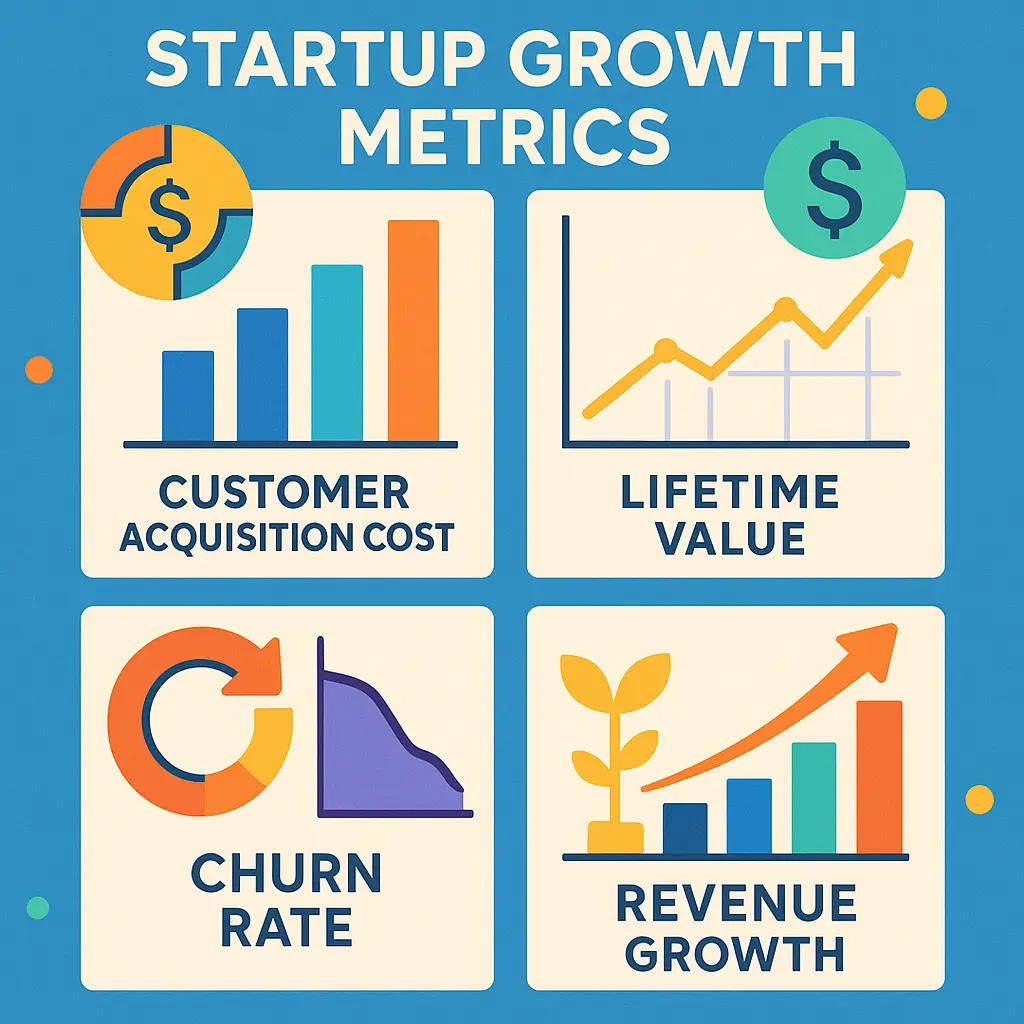
In the rapidly evolving landscape of startups, the ability to navigate through complex business challenges while maintaining agility and vision is paramount. For startup founders, understanding and harnessing the power of essential metrics can mean the difference between thriving success and unfortunate setbacks. Metrics serve as the vital signs of a business, providing critical insights that help founders make informed decisions, optimize performance, and identify opportunities for growth.
As you embark on your entrepreneurial journey, knowing which metrics to track and how to interpret them can enhance your strategic planning process, aligning your team towards common goals. Ultimately, these metrics are invaluable tools that offer a clearer picture of your startup’s health, drive accountability, and propel your growth in today’s competitive market.
Understanding the Importance of Metrics
Why Startup Metrics Matter
Metrics are not just numbers; they are vital tools that provide insights into how well a startup is performing and where improvements can be made. For startup founders, understanding and utilizing key metrics can be the difference between success and failure. Metrics offer a quantitative measure of a company’s performance, making it possible to monitor progress, identify trends, and make informed decisions. By focusing on relevant metrics, founders can align their team around clear goals, optimize their strategies, and drive sustainable growth.
Aligning Metrics with Business Goals
Every startup has unique objectives, and identifying the right metrics means tailoring them to these goals. By aligning metrics with business objectives, founders can ensure their efforts are focused on what truly matters. Whether the goal is increasing revenue, improving customer satisfaction, or expanding market share, the selected metrics should reflect these priorities. This alignment enables startups to measure the effectiveness of their strategies and adjust them as needed to stay on the path to success.
While understanding the importance of metrics is foundational, knowing which specific financial metrics to monitor is crucial for managing your startup’s economic health. In the next section, we will delve into key financial metrics that can help you ensure your startup’s financial success.
Key Financial Metrics to Monitor
Revenue and Profitability
Revenue represents the total income generated from the sales of goods or services. While it’s crucial to track revenue, profitability should not be overlooked. Profitability indicates how effectively a startup is managing its expenses relative to its income. Utilizing metrics like EBITDA (Earnings Before Interest, Taxes, Depreciation, and Amortization) can give a clearer view of operational health without the noise of accounting and financial deductions.
Burn Rate and Cash Runway
The burn rate indicates how quickly a startup is spending its cash reserves. A detailed understanding of your burn rate helps in forecasting longevity and planning for future fundraising rounds. Coupled with this is the cash runway, which identifies how long the company can sustain its current burn rate before exhausting funds. This metric is vital for proactive financial planning and determining the urgency of additional capital infusion.
Gross, Operating, and Net Profit Margin
Profit margins provide insights into different layers of a business’s profitability. The gross profit margin demonstrates what portion of revenue exceeds the cost of goods sold, offering a glimpse into basic financial health. Operating profit margin goes further, showing the percentage of revenue left after covering operating expenses. Finally, net profit margin quantifies what portion of revenue remains after all operating expenses, taxes, and interest are deducted. Monitoring these metrics can highlight efficiency improvements and cost management strategies.
Understanding these financial metrics can empower startup founders to not only keep a pulse on their current financial health but also make informed strategic decisions for future growth. However, financial metrics are just one part of the equation in understanding overall business performance. Moving forward, customer-centric metrics can offer critical insights into acquiring, retaining, and nurturing valuable clientele.
Customer-Centric Metrics for Growth and Retention
Customer Acquisition Cost (CAC)
The Customer Acquisition Cost (CAC) is crucial for startup founders to comprehend how much they are spending to gain each new customer. Calculating CAC involves dividing the total expenses associated with acquiring customers—such as marketing and sales costs—by the number of customers acquired during that period. By understanding your CAC, you can assess the effectiveness of your customer acquisition strategies and ensure they are sustainable over time.
Customer Lifetime Value (CLV)
Customer Lifetime Value (CLV) represents the total revenue a business can expect from a single customer account throughout their entire relationship. It helps startups prioritize resources by focusing on retaining valuable customers who contribute most to the bottom line. Optimizing CLV involves enhancing customer experiences, upselling, and cross-selling to increase the average revenue per customer.
Churn Rate and Retention Rate
Tracking the churn rate helps startups identify the percentage of customers who discontinue using the product or service over a specific period. A high churn rate indicates that a business may have issues with product satisfaction or market fit. In contrast, the retention rate focuses on the percentage of customers a company retains over time. Improving these metrics involves strategies to boost customer satisfaction and loyalty, ensuring long-term growth.
Net Promoter Score (NPS)
The Net Promoter Score (NPS) is a powerful metric that measures the likelihood of customers recommending a company’s products or services to others. It is an essential indicator of customer satisfaction and loyalty, and NPS surveys can provide invaluable qualitative insights into customer experiences and expectations. By regularly monitoring and enhancing NPS, startups can foster a strong base of loyal promoters, driving organic growth through word-of-mouth.
With a clear understanding of customer-centric metrics, startup founders can design strategies to improve acquisition, satisfaction, and retention. As we delve into the next critical area, understanding and utilizing product and marketing metrics will allow startups to make informed decisions for sustained growth and success.
Product and Marketing Metrics to Drive Decisions
Monthly Recurring Revenue (MRR)
Monthly Recurring Revenue (MRR) is a critical metric for startups that operate under a subscription-based model. It provides a snapshot of the predictable and consistent revenue your company expects each month from customers. Monitoring MRR helps founders understand growth trends, forecast financial performance, and make informed decisions on where to allocate resources effectively. As your business scales, observing MRR trends will allow you to identify opportunities for expansion and areas that may require attention or corrective action.
User Engagement and Retention Metrics
User engagement metrics, such as daily and monthly active users (DAU/MAU), track how frequently customers interact with your product. Retention metrics, on the other hand, focus on how well you keep your customers over time. Analyzing these metrics can identify patterns in user behavior that inform product development and enhancement strategies. By enhancing user experience and increasing the value offered to customers, startups can drive higher retention rates, ultimately leading to sustained growth. Understanding churn rate meaning is crucial for analyzing retention metrics.
Viral Coefficient and Adoption Rate
The viral coefficient measures how effectively your customers refer new users, indicating organic growth potential. A higher viral coefficient means that every user brings in additional users, facilitating exponential growth. Coupled with adoption rate, which measures how quickly new customers embrace your product, these metrics offer insights into market penetration and brand visibility. For startups aiming to expand rapidly, boosting these metrics can dramatically enhance growth trajectories.
Conversion Rate Optimization
Conversion rate optimization (CRO) involves improving the percentage of users who take a desired action, such as signing up or making a purchase. By analyzing user behavior through A/B testing and other techniques, startups can refine their marketing strategies and product features to optimize conversions. Effective CRO translates to better user onboarding, higher sales, and ultimately, increased revenue. This makes it a vital element in driving strategic marketing and product-related decisions.
While understanding and leveraging these product and marketing metrics is vital for growth, strategic decision-making demands a holistic approach to metrics management. As we explore leveraging metrics effectively, you’ll see how they fit into broader strategic efforts and contribute to robust business growth.
Leveraging Metrics for Strategic Decision-Making
Identifying Your North Star Metric
The North Star Metric is a crucial indicator that helps you measure the core value your business delivers to customers. This single metric should be actionable and directly aligned with your long-term business objectives. Identifying and focusing on this metric can help prioritize resources and align your entire team towards common goals. It is essential for startup founders to choose a North Star Metric that reflects the most meaningful impact of their product or service on their customers’ lives.
Regularly Analyzing and Adapting Metrics
Continuous analysis and adaptation of your chosen metrics are vital as market conditions, customer behaviors, and business environments evolve. Regularly scheduled reviews can ensure that your metrics remain relevant and actionable, allowing you to pivot when certain strategies are not meeting expectations. This practice prevents stagnation and stimulates innovation, keeping your startup agile and competitive.
Using Data to Inform Business Strategies
Data-driven decision-making empowers startup founders to move beyond intuition and make objective decisions that propel growth. By leveraging data, you can uncover insights that might not be visible through observation alone. These insights can inform strategic initiatives, optimize operational efficiencies, and uncover new markets or products. Trusting in data allows for a more nuanced understanding of your business landscape, minimizing risks, and maximizing opportunities.
With these strategic tactics grounded in data analysis and metric oversight, you lay a robust foundation for sustainable growth. Equally important to understanding and leveraging these metrics is the need to ensure your financial health and readiness for the future challenges. A thorough comprehension of financial metrics will further equip your startup to navigate through various growth phases successfully.