
Essential Blog Redesign Tips for a Modern, User-Friendly Experience

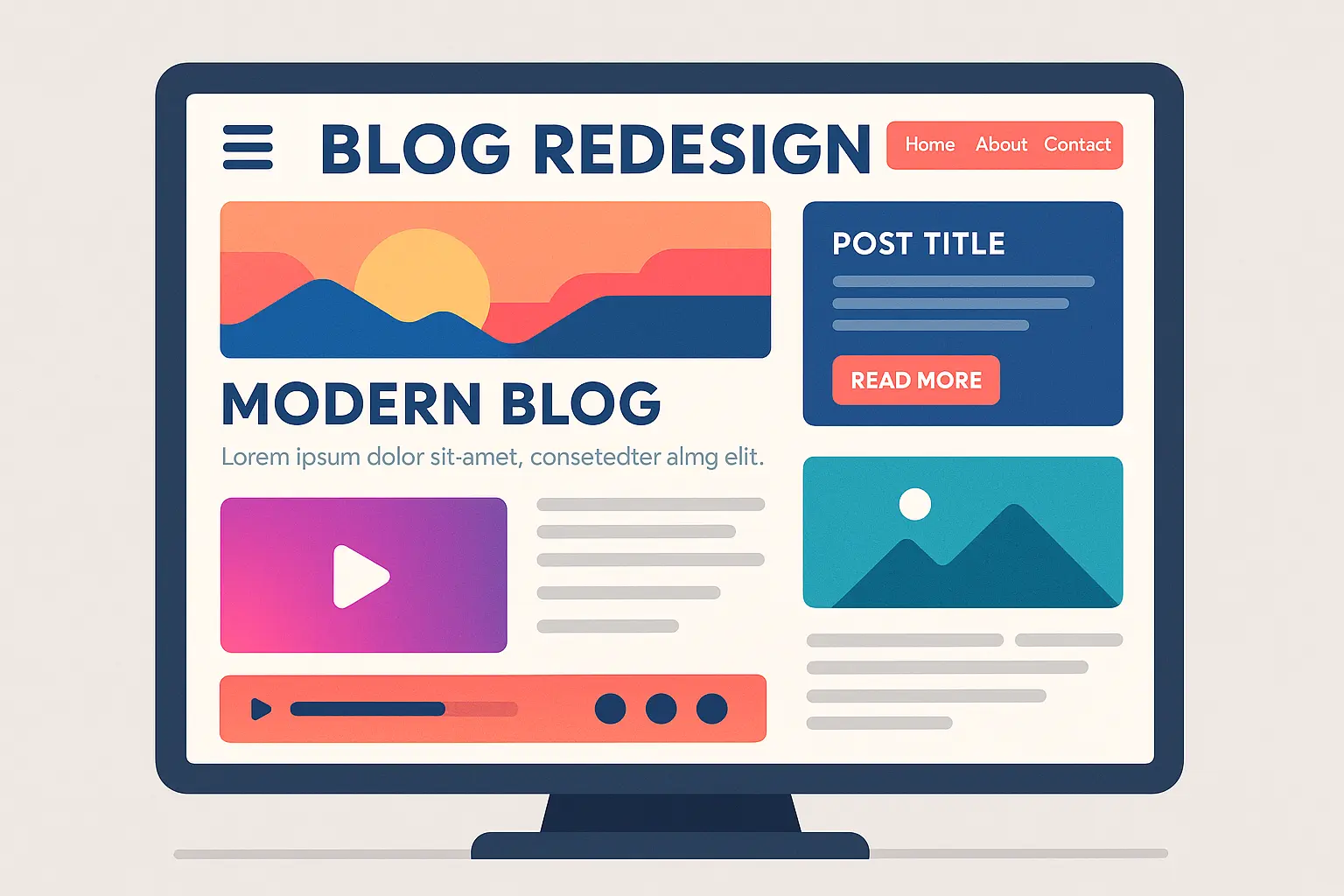
In today’s fast-paced digital world, it is essential for your blog to not only stand out aesthetically but also provide a seamless and enjoyable user experience. A blog redesign may seem like a daunting task, but it presents an invaluable opportunity to breathe new life into your online presence. By focusing on modern and user-friendly design elements, you can enhance user engagement, improve your SEO rankings, and keep pace with ever-evolving design trends. In this guide, we’ll explore crucial tips to ensure your blog’s redesign meets the demands of both form and function, paving the way for an engaging and successful digital platform.
Why Redesigning Your Blog Matters
Impact on User Experience
A blog redesign is fundamental because it directly influences user experience. A well-designed blog facilitates user interaction, making the content more engaging and easier to navigate. When visitors find your blog easy to use, they are more likely to stay longer, explore more, and become return visitors. An outdated or cluttered design can negatively impact your credibility and turn visitors away, which is why keeping your blog user-friendly is paramount.
SEO and Performance Improvements
Redesigning your blog also provides an opportunity to enhance its performance and search engine optimization (SEO). Factors such as page load speed, mobile responsiveness, and structured data are critical for SEO and can be significantly improved through a redesign. By addressing these technical aspects, you not only help search engines understand and index your content better but also ensure that visitors are not deterred by slow load times or unresponsive design elements. This optimization ultimately leads to better rankings and increased organic traffic.
Keeping Up with Design Trends
Just as with fashion, design trends evolve; what was considered modern and trendy a few years ago might now appear outdated. By redesigning your blog, you ensure that it keeps up with current design trends, making it visually appealing and up-to-date. Adopting a fresh design can reinvigorate your brand image and capture the attention of your audience. It also signals to visitors that your blog is active and cared for, encouraging them to trust and engage with your content.
As we’ve explored the many reasons why a blog redesign is vital, it’s crucial to move forward with a strategic approach. The next phase involves thoroughly planning your redesign to ensure success. From setting clear objectives to analyzing your current performance and user feedback, there are several steps you should consider to make your blog transformation effective and seamless.
Planning Your Blog Redesign
Setting Clear Objectives
Before diving into the redesign process, it’s crucial to set clear objectives that align with both your brand identity and audience needs. Determine what you aim to achieve with your redesign. Is it to enhance visual appeal, improve loading speed, boost SEO performance, or perhaps a combination of these? Clear objectives will guide your decisions throughout the redesign process, ensuring that the final product supports your business goals.
Analyzing Current Performance and User Feedback
A thorough analysis of your blog’s current performance and user feedback is essential. Use tools like Google Analytics to understand your blog’s current traffic patterns, bounce rates, and user engagement metrics. Additionally, gather qualitative data by asking your readers for their feedback through surveys or feedback forms. This data provides invaluable insights into what is working well and what areas require improvement, helping you prioritize features and design elements in your redesign strategy.
Researching Latest Design Practices
Stay ahead of the curve by researching the latest design trends and practices. This involves studying industry-leading blogs, attending webinars, and reading design publications to familiarize yourself with contemporary design aesthetics and functionalities. Elements such as minimalist design, mobile-first approaches, and innovative navigation techniques are some aspects that can make your blog feel up-to-date and relevant. By being informed about the latest trends, you can ensure your blog redesign not only looks modern but also delivers an exceptional user experience.
With a clear plan in place, you can now focus on identifying the key design elements that will bring your vision to life and ensure an engaging user experience. Let’s delve into the fundamental design elements that will make your blog stand out.
Key Design Elements to Focus On
Responsive and Mobile-Friendly Design
One of the foremost design elements to prioritize is ensuring your blog looks stunning on all devices. A responsive design adapts seamlessly to different screen sizes, whether it’s a desktop, tablet, or smartphone. This not only enhances the user experience but also boosts your search engine rankings as Google prioritizes mobile-friendly websites in its search results. Ensure that your buttons, images, and text are optimized for touch and easy readability, and that your layout remains intuitive no matter the device.
Improving Navigation and User Flow
Streamlined navigation is crucial for keeping readers engaged on your site and guiding them through your content effortlessly. Consider using a clear and concise menu structure that enables visitors to find information quickly. Implement features such as a sticky menu that remains visible as users scroll, breadcrumb trails to aid in visualizing their path, and a search function that supports efficient content discovery. These elements collectively enhance user flow, encouraging visitors to explore more of your blog.
Visual Hierarchy and Readability
Your blog’s visual hierarchy should guide readers naturally from one section of content to the next, highlighting key information along the way. Utilize headings, subheadings, and bullet points strategically to break up text and make content skimmable. Ensure ample white space to prevent visual clutter, and choose a readable font size and style that improves the overall reading experience. Complement these with striking visuals, such as images or infographics, to further engage and inform your audience without overwhelming them.
With these key design elements, you can transform your blog into a more accessible and visually appealing platform. As you refine the design aspects, it’s equally vital to delve into the technical elements to ensure a seamless experience. From load speed to SEO best practices, these considerations play a critical role in your blog’s performance.
Technical Considerations for a Seamless Redesign
Optimizing Load Speed and Performance
Fast load times are essential for keeping visitors engaged and improving your site’s search engine rankings. Prioritize minimizing the size of images, leveraging browser caching, and using content delivery networks (CDNs) to distribute your content efficiently. Additionally, consider implementing lazy loading for images and videos to enhance user experience further.
Ensuring SEO Best Practices
A successful blog redesign should preserve or enhance your SEO efforts. Make sure to maintain proper URL structures, use 301 redirects for any changed URLs, and update your sitemap. Additionally, it’s crucial to retain or improve metadata and alt text for images. Structured data implementation can also help search engines understand your content better, potentially leading to rich snippets and improved visibility in search results.
Testing Across Different Devices and Browsers
To deliver a consistent user experience, thorough testing on various devices and browsers is paramount. Ensure your redesigned blog is responsive and functions seamlessly across desktops, tablets, and smartphones. Test your site on popular browsers like Chrome, Firefox, Safari, and Edge, paying attention to layout quirks or functionality issues that may arise. Regular testing also helps identify potential bugs early, allowing for prompt fixes.
With a firm grip on these technical aspects, you set the stage for a blog design that is both robust and agile. However, a successful redesign doesn’t end at implementation; it’s crucial to focus on what follows. Next, we’ll delve into actions you can take immediately after your redesign to ensure your blog continues to thrive and evolve.
Post-Redesign Actions and Ongoing Maintenance
Gathering Feedback and Making Adjustments
Once your blog redesign is launched, it’s important to actively gather feedback from real users. Utilize tools such as surveys, comment sections, and social media interactions to understand how your audience is experiencing the new design. Be prepared to make necessary adjustments based on this feedback to ensure your blog meets the evolving needs and preferences of your readers.
Monitoring Analytics for Continuous Improvement
Closely monitor your blog’s performance using analytics tools like Google Analytics to assess key metrics such as bounce rates, user engagement, and conversion rates. Regularly review these metrics to identify areas for improvement and ensure your redesign is effectively contributing to your goals. Data-driven decisions can help fine-tune your approach and enhance user interactions with your content.
Regular Content and Design Updates
Maintaining a modern and user-friendly blog requires ongoing effort. Regularly update your content to keep it fresh and relevant. This not only attracts search engines but also provides value to your readers, encouraging them to return. Additionally, schedule periodic reviews of your design elements to ensure they align with current trends and technological advancements, retaining your blog’s appeal and functionality.
As you embark on your journey to a more engaging blog experience, remember that the end of a redesign is just the beginning of your efforts. To fully leverage your redesign, it’s crucial to focus on the strategic optimization of your blog, ensuring that every part of the user experience is aligned with your overall objectives.