
Emerging Fund Managers: Opportunities, Challenges, and Success Stories

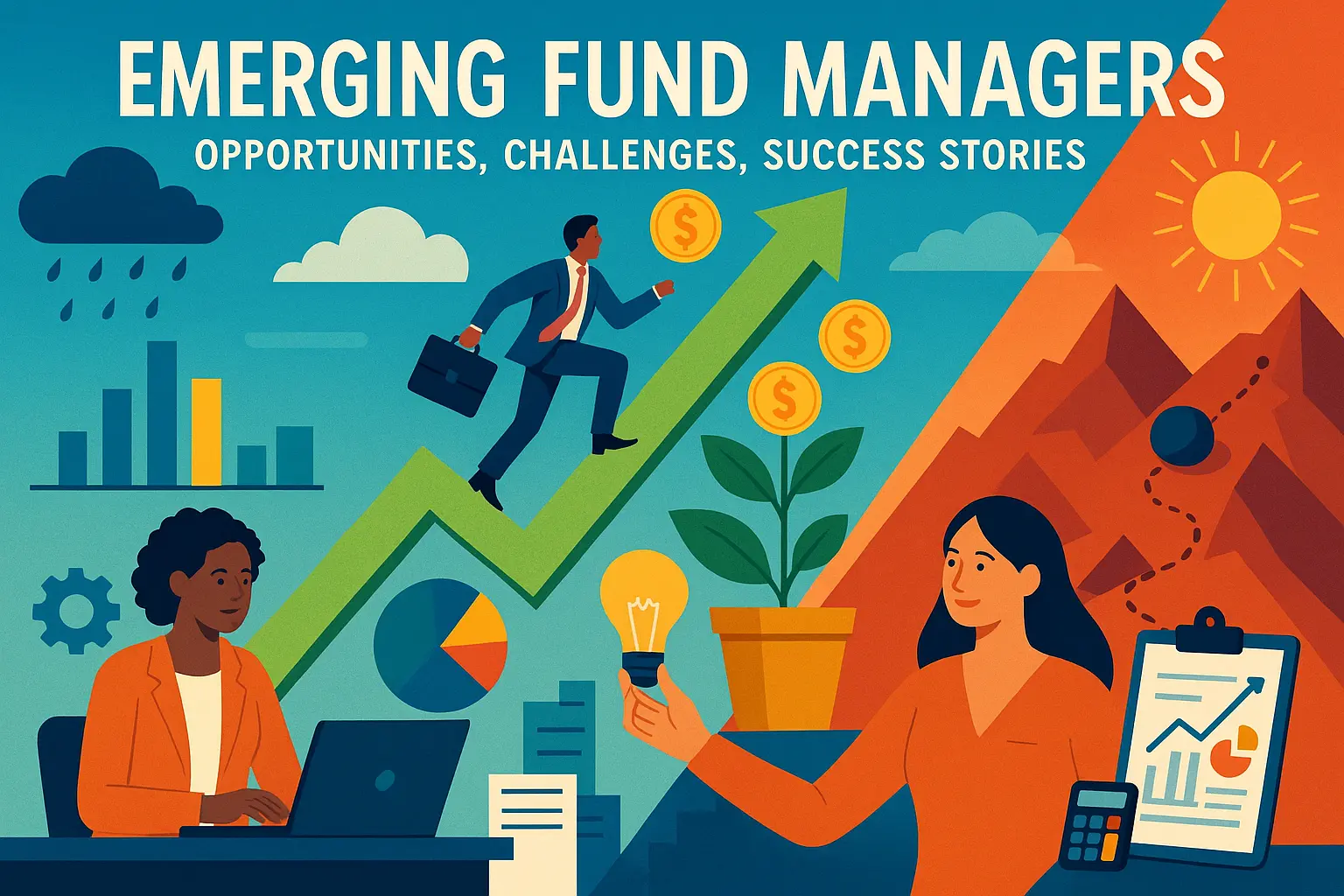
In the world of investing, new voices can spark fresh ideas, encourage smarter risk-taking, and drive change—but getting started is rarely easy. Emerging fund managers are those early-stage investors who are launching their own investment funds, often with limited resources and track records. Despite their size, these managers play a big role: according to Preqin, as of 2023, emerging managers represent nearly 25% of the private capital fund launches worldwide. They have been a source of innovative strategies, and sometimes become the birthplace of tomorrow’s top-performing investment firms.
But what sets them apart is not just what they invest in—it’s how they tackle challenges, build trust, and create success stories from the ground up. In this article, we’ll look at who emerging fund managers are, the opportunities and hurdles they face, and what their journeys can teach us about finding new growth in the investment world.
Who Are Emerging Fund Managers?
Defining Characteristics
Emerging fund managers are investment professionals launching or leading their own funds, typically operating with a limited track record or managing smaller pools of capital compared to established firms. These managers are often first- or second-time fund leaders who bring fresh perspectives, untapped networks, and unconventional strategies. They might have honed their skills at larger institutions or through entrepreneurial ventures, but are now seeking to establish an identity, prove their approach, and attract investor attention on their own terms.
The term “emerging” doesn’t refer to age, but rather to experience as a principal. Some may have decades of expertise but are only now stepping out from previous roles to build something new. Others distinguish themselves through focus—targeting overlooked asset classes, demographics, or geographies that legacy players might disregard. Agility, resourcefulness, and a hunger to demonstrate results often set them apart.
Why They Matter in the Investment Ecosystem
Emerging fund managers inject novelty and competition into the investment world. Their willingness to challenge norms enables them to spot trends and inefficiencies that larger firms may miss. By backing start-ups, supporting underrepresented founders, or adopting nimble strategies, these managers can uncover investment opportunities others overlook—potentially generating outsized returns and positive ripple effects for broader markets.

Additionally, emerging managers diversify the ranks of capital allocators. With varied backgrounds and networks, they can direct resources toward entrepreneurs and sectors otherwise left behind, promoting economic dynamism and inclusion. Their journeys are closely watched by investors hunting for differentiated growth and by institutions intent on evolving their portfolios.
To truly understand what sets these managers apart, it’s worth exploring how they devise and execute their investment strategies—a topic that reveals both their ingenuity and the ways they upend traditional investing approaches.
Investment Strategies Used by Emerging Managers
Private Equity and Venture Capital
Emerging managers often gravitate toward sectors or geographies overlooked by larger firms. In venture capital, they may target early-stage businesses in healthtech, fintech, or climate innovation—fields where specialized knowledge can give them an edge. Private equity newcomers might focus on growth-stage companies primed for operational improvements, building close relationships with founders and management teams to drive transformation. By emphasizing transparency and agility, these managers frequently spot high-potential opportunities before they become mainstream.
Hedge Funds and Alternatives
New hedge fund managers deploy fresh perspectives on quantitative models, derivatives, or event-driven tactics. They might exploit inefficiencies in smaller or less liquid markets, or introduce ESG overlays that challenge traditional risk models. Alternative asset strategies can also include distressed debt, secondary markets, or direct lending, with managers leveraging technology and alternative data sources to inform rapid investment decisions and uncover value missed by established firms.
Innovative Approaches and Niches
What truly sets many emergent managers apart is a willingness to experiment—sometimes investing in thematic portfolios like artificial intelligence, digital infrastructure, or decentralized finance. Others focus on impact-driven investments, using rigorous frameworks to measure both returns and social outcomes. Some embrace micro venture funds or syndicate models to capitalize on the pace of change in early-stage financing. The best emerging managers treat specialization as their superpower, staying nimble enough to pivot as market conditions shift or new trends emerge.
As these distinct strategies take shape, investors respond by forging new ways to evaluate, select, and support up-and-coming talent—reshaping not only portfolios but the industry itself. The next section explores just how these relationships between investors and emerging fund managers are built and sustained.
How Investors Engage with Emerging Fund Managers
Emerging Manager Programs and Platforms
Investors seeking access to fresh perspectives often turn to specialized programs and digital platforms that connect them with up-and-coming fund managers. Many institutional allocators create dedicated “emerging manager” mandates and organize pitch events or curated lists to spotlight new talent. Meanwhile, online investment platforms make it easier for new managers to showcase their strategies to a broader pool of limited partners.
Institutional and Public Fund Initiatives
Some of the world’s largest pension funds, endowments, and foundations run formal initiatives focused on deploying capital to first-time or diverse managers. These programs frequently provide coaching, co-investment opportunities, and sometimes more patient capital structures, recognizing the long runway needed for new funds to develop their edge. Successful engagement here depends on alignment—not just on returns, but also on shared mission or impact objectives.

Above: Collaborative meetings and clear communication help investors get comfortable with the unique approaches of emerging managers.
Key Diligence Considerations for LPs
Due diligence with emerging fund managers goes well beyond spreadsheets. Limited partners often spend extra time analyzing track record attribution, team cohesion, risk controls, and the personal motivations behind a manager’s investment philosophy. Without long-established portfolios to review, LPs may rely on reference calls, sample deal reviews, back-testing analyses, and even one-on-one interviews with portfolio company leaders.
While the process of engaging with new managers can be demanding, many investors find it rewarding—especially as they help shape the next generation of top-performing funds. Learning how new managers overcome resource limitations and build relationships is the focus of our next discussion, where we explore the paths these managers blaze to secure capital and credibility.
Access to Capital: Overcoming Barriers
Fundraising Hurdles
Raising a fund for the first time rarely follows a straight path. Emerging managers often face skepticism from potential investors—limited partners want assurance that their money is in experienced hands. Without an established history of delivering returns, standing out amid seasoned peers is a steep climb. Many asset owners, particularly institutions, have rigid criteria and long due diligence cycles. This can mean endless pitches and months of uncertainty before even a first close. Smaller managers must grapple with covering fund setup costs out-of-pocket and, in some cases, postponing salaries to ensure capital is available for investments.
Building Track Records and Trust
Most emerging managers do not have decades of audited performance to lean on. Sourcing early backers—often friends and family, angel investors, or boutique wealth offices—serves a dual purpose: it generates initial momentum and demonstrates belief in the manager’s thesis. Creative approaches, such as co-investments or sidecar vehicles, help managers show a tangible track record. Transparency—detailing not just successes but also lessons from setbacks—fosters credibility and allows LPs to gauge an authentic risk assessment style.
Tools, Partnerships, and Accelerators
Navigating structural barriers is easier with the right allies and resources. Emerging manager accelerators and fellowship programs offer more than just introductions to potential LPs; they provide operational support, mentorship, and shared technology platforms. Technology platforms now streamline compliance, reporting, and investor relations, freeing managers to focus on investment outcomes. Strategic partnerships—with established funds, service providers, or even fintech startups—can fill in gaps, enhance visibility, and sometimes offer capital injections on friendly terms.
Accessing capital remains the steepest slope for up-and-coming managers, but those who scale it signal resourcefulness and resilience—a key predictor of potential. As we turn the lens to those who have already sprinted up this path, their stories illustrate just how powerful new perspectives can be in transforming the investment world.
Success Stories: Notable Emerging Fund Managers
Profiles of Breakout Managers
The investment world is dotted with examples of individuals who started with little name recognition, unconventional backgrounds, and limited resources—yet still managed to make their mark. One such story is that of Monique Woodard, who launched Cake Ventures with a focus on demographic change and underserved markets. Her sharp attention to trends—aging populations, increased digital connectivity, and changing consumer behaviors—helped her into rounds at businesses that later caught the attention of larger firms, all while building a distinctive voice for inclusivity within venture.
In the hedge fund sphere, fund manager Ross Turner started Pelham Capital with just $10 million in seed capital in 2007, quietly growing it well past $1 billion through meticulous European equity picks. His success came from relentless fundamental research and an avoidance of showmanship—demonstrating that consistent discipline sometimes trumps marketing flash.
Other managers have made waves by pursuing niches. For example, Kristin Hull founded Nia Impact Capital with a portfolio focusing entirely on sustainability and social justice. Her early conviction around ESG—well before it became a buzzword—positioned her to capture the growing appetite for responsible investing among both retail and institutional clients.
Lessons Learned from Recent Fund Launches
Several common threads run through the journeys of standout emerging managers. First, capital raising rarely comes easy: early backers often want to see authentic conviction and skin in the game before handing over a first check. Next, clarity of strategy and storytelling—whether centered on market trends or personal experience—often attracts like-minded investors willing to commit for the long term.
Many breakout managers lean heavily on mentors and networks established before launch, leveraging every relationship and bit of feedback along the way. Transparency about mistakes, as much as triumphs, built trust—especially when experienced against volatile markets or the unpredictability of early-stage investing.

Above: A collaborative session between emerging managers; behind many breakout stories are hours of candid discussion and shared insights, not just headline-generating wins.
What distinguishes the most celebrated emerging fund managers isn’t just returns. Instead, it’s their ability to turn setbacks into learning opportunities and stay true to a clear vision, even when trends shift and challenges mount.
These stories are not just inspiration but also playbooks for those preparing their own next moves. If you’re seeking to chart a similar path, understanding where to find support and resources can unlock your next big step.
Resources for Aspiring Emerging Fund Managers
Mentorship, Education, and Networks
Learning the ropes as an emerging fund manager is more approachable when you have the right people and know where to look for specialized knowledge. Communities like ILPA’s Emerging Manager Institute offer practical sessions, while platforms such as Fund Manager Accelerator and NAIC provide structured mentorship—pairing newcomers with managers who have already blazed a trail. Industry events like SuperReturn Emerging Managers or Allocator Connect serve as fertile ground for building relationships that lead to capital introductions and deeper know-how.
For knowledge-building, the CFA Institute and CAIA Association deliver coursework tailored to fund management, including risk profiling, legal structuring, and emerging markets trends. Their discussions go beyond theory, often presenting actionable frameworks that you can use to build and refine your investment thesis.

Important Industry Lists and Databases
Access to up-to-date industry databases is invaluable. The Pension Fund Directory’s Emerging Managers roster lists active programs seeking new partnerships. Preqin and PitchBook both feature searchable datasets that spotlight fundraising windows, strategy breakdowns, and past performance—all essential for mapping out the competitive landscape or identifying peer benchmarks.
Don’t overlook government and nonprofit resources: the Small Business Administration’s SBIC Directory and Knight Foundation’s Diverse Manager Database bring visibility to managers from underrepresented backgrounds, connecting you to initiatives designed to widen industry access. Decoding these lists can be tedious, but they often hide the introductions and first-mover advantages that help break through fundraising noise.
As resources multiply, understanding how to translate access into opportunity becomes the differentiator. Up next, we’ll explore how visionaries navigated these early-stage hurdles and transformed potential into lasting impact.
What’s Ahead for Emerging Fund Managers?
Market Trends and Predictions
Emerging fund managers are navigating a landscape reshaped by shifting investor expectations and global economic transformations. Appetite for specialized and diverse strategies continues to climb, making room for new entrants focused on underrepresented sectors, geographies, and perspectives. Institutional investors are increasingly willing to carve out a portion of their portfolio for fresh talent and unconventional ideas, but expect discipline, transparency, and measurable impact from these managers.
The next few years may see cycles of heightened volatility and tighter capital markets. For emerging managers, this brings both competition and opportunity. Those who stand out will likely be adept in timing their investment themes—whether capitalizing on sustainable infrastructure, healthcare innovation, or digital transformation—and ready to capture value where established players might overlook.
As the investor base itself diversifies, interest in ESG and impact-driven mandates is likely to stay strong. Emerging managers with authentic alignment and credible results in these areas may find it easier to differentiate themselves in a crowded field.
Technology’s Impact on Fund Management
The evolution of technology continues to lower the barriers for launching and scaling funds. Cloud-native platforms make investor relations smoother; data analytics unlock smarter deal sourcing and risk assessment. Artificial intelligence is starting to inform everything from operational due diligence to portfolio monitoring, allowing managers to punch above their weight against larger incumbents.
At the same time, digital transformation is driving expectations higher. Limited partners want more frequent, customized reporting and faster responses. Emerging managers embracing automation and next-generation tech will be positioned to deliver experiences that feel both nimble and personal, making a strong case for continued backing.
Looking forward, the founders building tomorrow’s standout funds will need creativity, grit, and a willingness to experiment. But it’s not just about seizing a trend—the path to lasting success often begins with inspiration from those who’ve successfully blazed the trail.