
Dry Powder Funding: Meaning, Impact, and Today’s Market Dynamics


Imagine having money set aside, ready to jump on a rare opportunity or to weather a storm. In the world of investing, this is called “dry powder”—capital that hasn’t yet been put to work, but stands ready for use. The term has become especially important in recent years, as global uncertainty and fast-moving markets have made flexibility a powerful advantage.
Right now, there’s more dry powder in private equity and venture capital funds than ever before—over $2.5 trillion globally, according to recent industry estimates. This massive stockpile is shaping when and how investments happen, how businesses grow, and even the directions entire markets take.
To understand why dry powder matters so much—and how it can both help and hurt in today’s markets—let’s dive into its meaning, its impact, and the dynamics swirling around it. Whether you’re an investor, an entrepreneur, or just curious about what keeps markets moving, knowing about dry powder funding is one way to stay ahead of the curve.
What Is Dry Powder When We Talk About Funding?
Dry powder funding refers to money that investors or funds have set aside, ready but not yet used for investments. It isn’t invested—instead, it sits in reserve, waiting for the right opportunity or market moment. For private equity firms, venture capitalists, or even large corporations, dry powder is their investing ammunition: cash or liquid assets, untouched and easily accessible, enabling swift action when prospects arise.
Origin of the Term in Finance
The phrase “dry powder” comes from the gunpowder era, when armies literally kept powder dry so it could fire in battle. In finance, it means keeping some resources unused and on hand, so investors don’t miss out on emerging deals or unforeseen bargains. Just as a soldier with soggy powder couldn’t fight, a fund without reserves can’t take advantage of new investment opportunities.
How It Differs from Committed Capital
Dry powder is often confused with committed capital, but the two aren’t the same. Committed capital is the total money that investors have promised to a fund. Dry powder, by contrast, only includes what’s still available to invest. If a fund has already deployed half of its capital in active deals, its remaining dry powder is the cash left unused—fuel reserved for new investments, or to support current portfolio companies when more funds are needed.
Understanding the true nature of dry powder lays the groundwork for seeing where and how this reserve capital shapes strategies across investment sectors and personal finance. Let’s dive into the arenas where dry powder makes its presence felt the most.
Dry Powder For Investors
Private Equity and Venture Capital
In the world of buyouts and startup investments, dry powder is the fuel that keeps deal-making nimble. When markets shift or valuations drop, funds with uncommitted cash can move fast, acquiring assets or backing founders before rivals gather their paperwork. The presence of dry powder often determines which firms can take advantage of fleeting windows—think quick-fire secondary buyouts or early-stage funding rounds where speed is currency. It is not uncommon for the difference between a missed opportunity and a portfolio-defining win to come down to having this cash ready and waiting.
Corporate Reserves and M&A
Corporates with dry powder aren’t just sitting on cash for a rainy day—they’re positioning themselves to pounce on strategic acquisitions, fend off competitors, or weather shocks in the supply chain. In a heated merger and acquisition environment, the best-positioned buyers are the ones with flexibility and the funds to back up their intentions. Over the past decade, high-profile takeovers have often been clinched by firms that can deliver offers with little reliance on external financing, using reserves deliberately kept on hand for just such moments.
Personal Investment Strategies
For individual investors, keeping dry powder means holding back part of a portfolio as liquid assets—ideally, simple cash or cash-equivalents. This creates freedom to buy into market dips or new opportunities without selling existing holdings at inopportune times. It’s a way to stay agile: while others scramble to rearrange assets, those with prepared reserves can step in with confidence, often securing better terms simply because they are ready to act.
Clearly, dry powder isn’t just a financial footnote; it’s a strategic asset at every level of investing, shaping who can respond and when. Understanding just how much dry powder is out there—and where it sits—gives insight into the tempo of today’s markets and what could propel the next wave of investments.
How Much Dry Powder Exists Today?
Current Global Estimates
As of 2024, global dry powder—the unallocated capital waiting to be invested by private equity, venture capital, and other funds—stands at historic highs. Private market analysts estimate that total dry powder exceeds $2.6 trillion worldwide, with buyout funds alone holding close to $1.1 trillion, and venture capital funds amassing over $570 billion. Growth equity, real estate, infrastructure, and private debt funds make up the rest, each managing hundreds of billions.
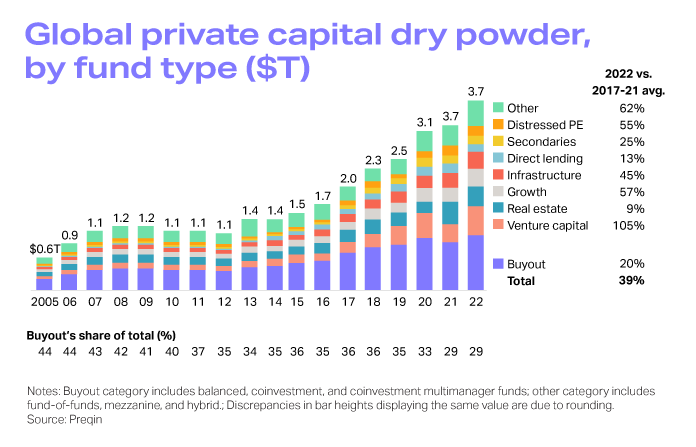
The image above captures the rise in available capital across different fund types since 2005, culminating in unprecedented levels through 2022. These figures continue to climb as funds raise new rounds and investors hold back from deploying capital too quickly.
Trends Over Recent Years
The accumulation of dry powder is not just a 2024 phenomenon; it has been steadily building over the past decade. After a brief dip in 2020 due to economic uncertainty, massive fundraising in 2021 and 2022 pushed available capital to record heights. Notably, thematic investment areas like climate and sustainability have drawn a surge of new dry powder. In the climate sector alone, investable dry powder topped $86 billion by 2024—a figure that has nearly doubled since 2021.
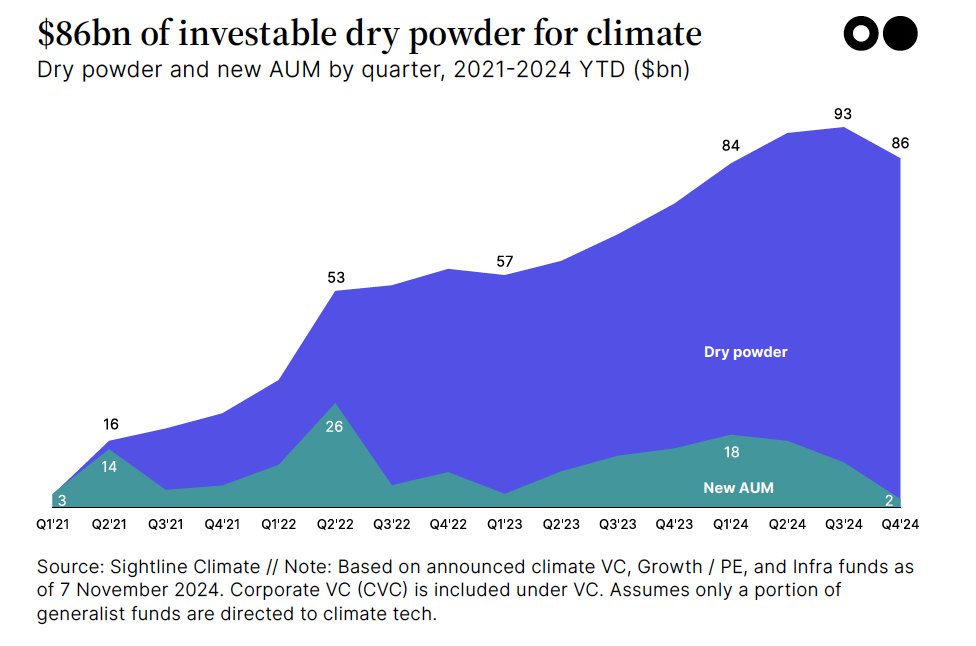
This persistent growth is fueled by both investor caution and optimism. While funds await the right opportunities, the sheer volume of dry powder shapes competitive dynamics in nearly every asset class.
But what makes this reserve of capital so appealing to investors and fund managers? To answer that, let’s explore the driving forces and practical advantages behind holding significant dry powder.
Why Investors Value Dry Powder
Capturing Market Opportunities
Dry powder gives investors an edge when the market landscape shifts suddenly. Sitting on unallocated capital means being able to act fast—whether it’s bidding on undervalued assets, taking advantage of dislocation, or backing breakout startups before competitors even mobilize. Markets don’t always notify you before they move. When opportunities arise, cash on hand lets investors pounce, often negotiating better terms as urgency tips in their favor.
Risk Management Advantages
Keeping a reserve of dry powder isn’t just about chasing deals—it’s also about insulation. Conditions change quickly: interest rates spike, valuations tumble, regulatory winds shift. With dry powder, investors don’t have to force decisions or overpay at the peak of a frothy cycle. Instead, they can step back, wait for clarity, and deploy capital when risk-reward tilts in their favor. For fund managers, reserves can even help support existing portfolio companies if the unexpected hits—providing a safety net that can mean the difference between survival and distress.
Of course, having cash is only part of the story. The way investors put dry powder to work, especially during volatile periods, can shape entire sectors and influence broader market sentiment. Understanding the potential pitfalls helps illuminate why strategy matters as much as reserves themselves.
The Downside: Risks of Excess Dry Powder
Return Dilution and Deployment Pressure
While mountains of dry powder can look reassuring on a balance sheet, they come with hidden dangers. When huge sums wait on the sidelines for too long, fund managers feel the itch to put that money to work—sometimes at the expense of quality. Chasing deals, they risk driving up valuations and lowering future returns. Deals that wouldn’t have passed muster in a less cash-rich environment suddenly find themselves funded, simply because there’s capital burning a hole in investors’ pockets. Over time, the pressure to deploy quickly can erode discipline, and the average performance of portfolios starts to slip.
This deployment rush can distort markets, too. Fierce competition for a limited number of worthy targets—especially in hot sectors—creates winner’s curse scenarios, where the victors regret overpaying. What began as an advantage, a ready war chest, can turn into a liability when it fuels bidding wars and speculative bubbles.
Excess dry powder doesn’t just haunt fund managers. Startups and companies backed at inflated valuations face higher expectations for growth and execution. When reality inevitably diverges from lofty forecasts, disappointment sets in. Down rounds and sharp corrections can follow, unsettling not just investors, but employees and customers as well.
But, in moments of market turbulence or uncertainty, having cash on hand can prove invaluable—if deployed with care. Understanding how managers handle this balancing act is key to understanding today’s investment landscape. Let’s explore how dry powder shapes decision-making in unpredictable markets.
Dry Powder Funding in Shifting Markets
Implications in Economic Downturns
Periods of economic volatility expose the true value—and dilemma—of dry powder. When markets cool, fundraising slows, and company valuations fall, investors with unallocated cash gain unusual leverage. They face less competition, better deal terms, and the chance to support startups or companies desperate for capital. This readiness can reshape deal-making; participants able to move fast often snap up undervalued assets others can’t touch.
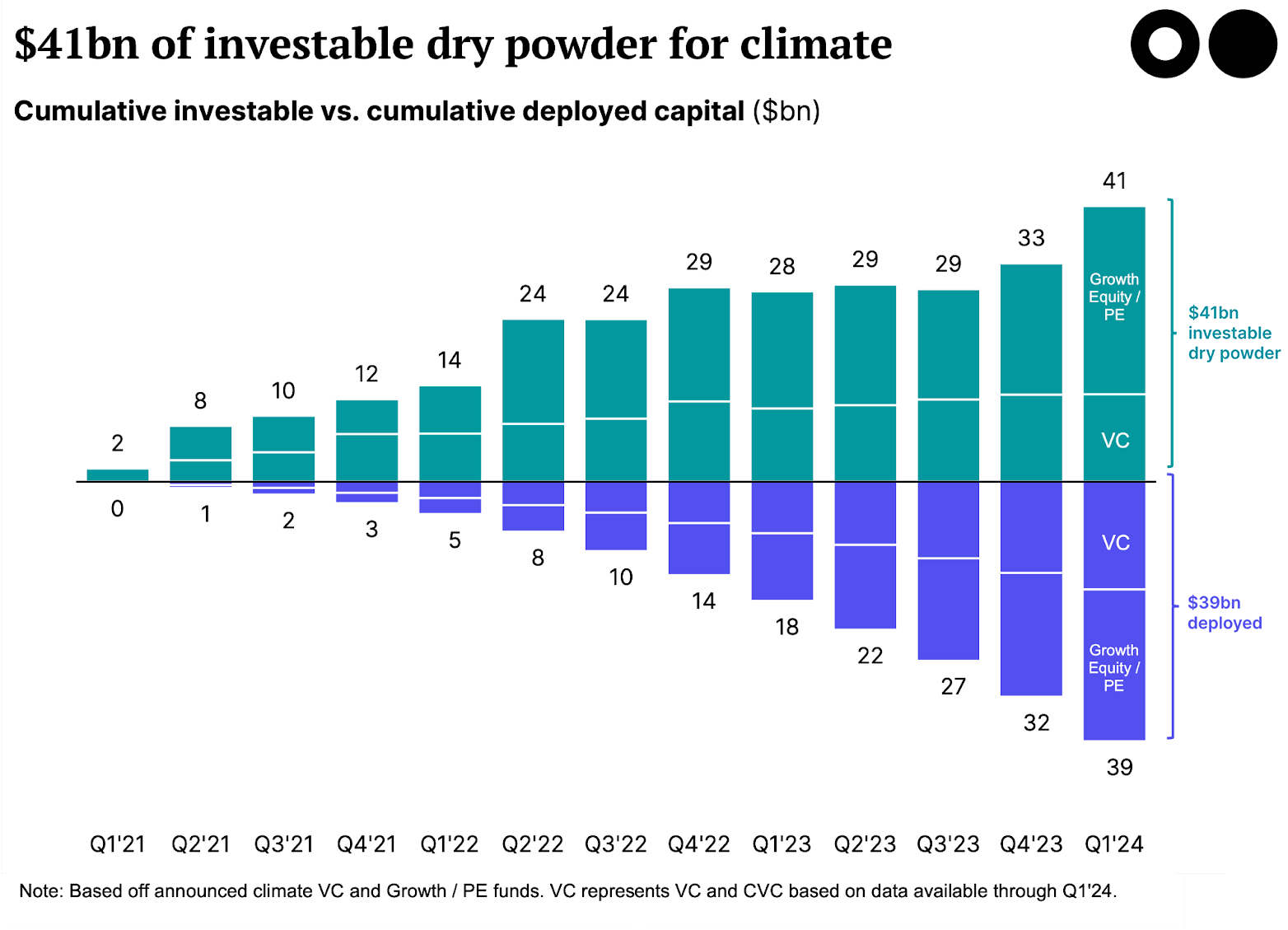
Yet, dry powder isn’t a magic bullet. Even with large reserves, hesitation creeps in. Unpredictable conditions can freeze decision-making, delaying deployments as managers wait for clear signals. Increased caution crowds the sidelines, prolonging periods of inactivity—and sometimes compounding risk when competition to invest resumes in force.
Emerging Sectors: Climate, Tech, More
Shifting markets also mean evolving targets for dry powder. Popular sectors rotate: climate innovation now attracts billions of reserved capital. Tech—after a turbulent 2022 and 2023—is seeing renewed action as valuations reset. Funds pivot and redeploy, moving away from saturated segments and into areas driven by fresh demand or policy shifts.
Agility becomes the name of the game. Managers and corporates must continuously reassess where their dry powder will have the most impact—not just where everyone else is looking. Today’s fluid landscape rewards those who react fast, spot underappreciated niches, and take calculated risks while others remain cautious.
Understanding how investment teams choose their moment to strike reveals much about how dry powder truly wields its influence—especially when markets feel unstable and opportunities are fleeting.
How Funds Decide When to Deploy Dry Powder
Deciding when to put dry powder to work is about more than watching the stock ticker or following market gossip. Successful fund managers treat cash reserves as a strategic asset, not something to deploy simply because it’s available or because everyone else is making moves.
At its core, the process is timing—waiting for the right mix of opportunity and value. This means managers study more than just company fundamentals; they gauge the level of competition for assets, market volatility, and shifts in valuations. In hot markets with sky-high prices, many hold back, preserving cash until they spot a good deal or signals suggest the market is normalizing.
The calculus also changes depending on each fund’s life cycle. Early-stage funds may feel pressure to deploy quickly to prove results, especially if their backers demand it. Others, particularly seasoned funds with patient investors, can afford a slower pace, focusing on quality over quantity. Early-stage funds are discussed in more detail in our early-stage startup funding guide.
Another key consideration is sector timing. For instance, funds eyeing cyclical industries—like tech after a sharp sell-off, or energy during regulatory shakeups—may deliberately wait for distress before investing, betting on lower entry prices and higher returns in the rebound.
Ultimately, deployment decisions are made in real time, balancing keen data analysis with experience. Each choice involves weighing the cost of waiting (missed opportunities) against the risk of pouncing too soon (overpaying or catching a falling knife). Funds must stay nimble and decisive, since fortunes can turn quickly in financial markets.
Understanding how and when capital reserves move from the sidelines is only part of the picture; it’s just as vital to look ahead and anticipate how the landscape for these reserves could shift in coming years.
Dry Powder: Future Outlook
Potential Rebalancing in Coming Years
An era of record-high dry powder may not last forever. As economic volatility gradually gives way to more stable conditions, investors and fund managers are facing mounting pressure to put sidelined capital to work. Rather than relying on blanket deployment, many funds are signaling a shift back toward disciplined investment—seeking quality over quantity and displaying more patience for the right opportunities. This cautious approach could lead to a gradual rebalancing, with dry powder reserves declining as deal flow returns and valuations recalibrate.
Interest rates and inflation trends remain pivotal. If borrowing costs hold steady or decrease, locked-up capital may be released at a faster pace. However, persistent uncertainty could keep ample reserves ready as a buffer, ensuring that investors retain strategic flexibility in a rapidly shifting world.
Key Metrics to Watch
Several indicators will shape the story of dry powder in the coming years. Watch the pace at which funds actually deploy capital, sometimes measured as “capital call velocity.” Track valuation multiples across sectors—if pricing adjusts downward, dry powder may be unleashed in a surge of activity. Deal size and volume can reveal whether investors are becoming more selective or moving back toward pre-boom freneticism. Lastly, regulatory and macroeconomic signals, like changes in monetary policy, often nudge institutional investors to rethink reserve levels.
With investor attention sharpening on these signals, the next phase for dry powder won’t just reflect market cycles, but also how nimbly capital is poised to move when new opportunities emerge. Understanding these drivers is key to anticipating who will benefit most—and who may fall short—as the market takes its next turn.
As the landscape continues to shift, investors and fund managers constantly weigh when, where, and how to put their reserves to best use, a process that demands both insight and agility.