
Creator Economy VCs: Who’s Backing the Next Generation of Creators?

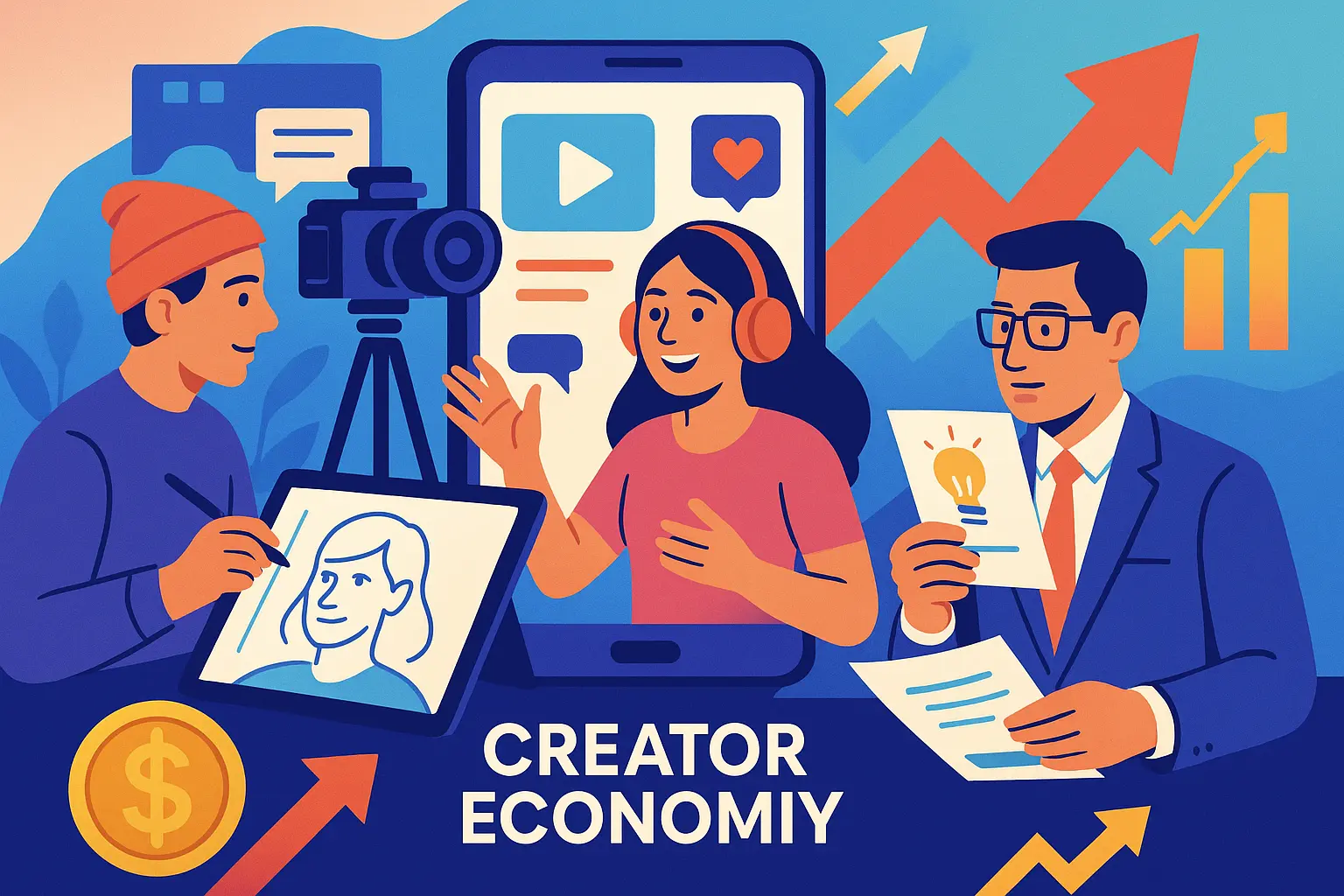
The creator economy is booming, and it’s not just influencers and independent artists feeling the impact—it’s investors too. In 2023, the global creator economy was estimated to be worth over $250 billion, with projections climbing as high as $480 billion by 2027. Venture capitalists have taken notice, pouring billions into startups that help creators make, share, and monetize their work. But not all VCs are the same, and a new wave of investor is backing the platforms and tools powering this next generation. Who are these creator economy VCs, why are they different, and what are their bets for the future? In this article, we’ll unpack who’s funding these creative entrepreneurs and why it matters more than ever.
What Makes Creator Economy VCs Different?
Unique Investment Strategies
Creator economy VCs aren’t hung up on traditional startup checklists. Instead of clinging to “monthly recurring revenue” as a North Star, they track creator engagement, fandom flywheels, and cultural pull. Their bets often back businesses that gain value one user—or superfan—at a time. Velocity isn’t measured by stale charts; they pay attention to virality, word-of-mouth, and the organic momentum creators spark.
Areas of Focus: From Tools to Platforms
Unlike legacy capital, creator-focused investors seek out the picks and shovels powering online work. Their portfolios stretch from infrastructure—like payment processors and legal platforms—to the hotbeds of innovation: community tools, content monetization layers, fan engagement engines, and more. They’re obsessed with lowering creative friction and with tech that helps creators move faster, grow audiences, and unlock creative revenue beyond sponsorship shoutouts.
How Creator VCs Add Value Beyond Capital
Check size is just a detail. What really sets these VCs apart is their hands-on playbook: They help connect founders with rising creators for pilots, bring marketing insights from the trenches, and often introduce collaborations that push startups into the spotlight. Many have alumni status as creators themselves, so they understand what makes digital audiences tick—and how to help companies earn creator trust in the long run. Whether it’s access to private beta testers or signals to top talent for early adoption, creator economy VCs open doors much bigger than a bank transfer.
Understanding these differences is key to recognizing why certain investors are blitzing into the space—and what recent shifts are driving funds to the creator world at record pace.
Trends Driving VC Investment in the Creator Economy
Shifting Monetization Models

The days when creators relied solely on brand deals and ad revenue are fading into the background. Now, subscription platforms, digital collectibles, tipping systems, and paywalled communities are turning followers into paying superfans. Investors are eyeing tools that help creators build recurring income streams and own their distribution—think SaaS layers atop platforms or direct-to-fan commerce. The rapid shift to diversified, more predictable earnings is fueling massive fundraising rounds as illustrated above.
Emergence of New Content Categories
The borders around “content” keep stretching. Gaming, audio, educational and niche micro-communities weren’t always thought of as creator-driven, but now they’re front and center for VCs. Platforms for short-form audio, interactive fiction, or hobby-based content are drawing new pools of talent—and capital. The result: whole new creator segments like live coding streamers, ASMR artists, writers launching newsletters, and even puzzle-makers are attracting investment once reserved only for mainstream video stars.
Why Traditional VCs are Joining the Space
It’s not just specialized funds anymore. Blue-chip firms who once overlooked creator startups are now writing sizable checks. Why? The answer is scale. Platforms like YouTube, Patreon, and TikTok have proven the economic staying power of creative entrepreneurs, and traditional VCs see the next wave of billion-dollar companies emerging from products that supercharge creator growth or directly enable audience monetization. The numbers and success stories are too striking to ignore, and the borderless, digital-first nature of these startups offers investors global upside.
As creators and investors flock to this evolving landscape, it’s worth taking a closer look at the funds leading the charge and which startups they’re placing their bets on. Let’s meet the major players fueling the creator economy’s next chapter.
Noteworthy Creator Economy VCs and Their Portfolios
SignalFire
SignalFire has emerged as an early believer in the creator economy, with a radar that consistently locks onto infrastructure startups and powerful creator tools. Their portfolio includes Patreon—the original membership powerhouse—and VSCO, the mobile photo-editing staple for creative professionals. SignalFire’s real edge lies in its proprietary talent network and analytics-driven investing, giving it a unique vantage point for spotting breakout creator platforms before the crowd.
Seven Seven Six
Founded by Reddit co-founder Alexis Ohanian, Seven Seven Six operates at the intersection of internet culture and empowerment. The firm’s bets on companies like Pearpop—a platform letting creators monetize shoutouts and collaborations—and Stir, which simplifies revenue splits and payments for creators, showcase a deep understanding of the gig-driven, collaborative creator landscape.
Night Ventures
Night Ventures, led by digital-first influencer managers and creators including the YouTuber MrBeast, doubles down on startups that let creators do more with their audience. Their portfolio includes Karat, the credit card for creators with tailored financial services, and Backbone, which turns smartphones into gaming consoles. They’re not just investors—they bring creator influence and distribution into every deal.
Forerunner Ventures
Forerunner has a reputation for backing consumer brands long before they’re mainstream—and they’ve applied the same vision to creator-focused platforms. Pinterest, one of their most famous early bets, was followed by investments in companies like Caden and Glow, tools aimed at democratizing creator earnings and ownership. Their team looks for startups blurring the line between commerce and content.
Behind Genius Ventures
Behind Genius Ventures seeks out “weird and wonderful” bets across the digital landscape, and the creator economy is a frequent stop. They’ve put capital behind platforms like Beacons, which gives creators customizable, mobile-first landing pages and monetization tools, and Zorro, a social network prioritizing authenticity and anonymity. Their founders aren’t afraid of risk or unconventional visions.
Other Active Funds to Watch
CRV, Greycroft, and Index Ventures each have a slate of creator-focused investments—from Cameo’s custom video shoutouts, to Substack’s indie publishing boom, to Figma’s democratization of design. Meanwhile, Next10 Ventures and Collab Fund hunt for new approaches to influencer marketing, creator banking, and community monetization, ensuring a steady flow of venture activity at every layer of the ecosystem.
With these investors setting the pace, it’s worth asking: What exactly are they scanning for as they choose the next breakout creator startup? Let’s break down the key traits that turn heads across the most active firms in the space.
What These VCs Look For in Creator-Focused Startups
Traction and Community Metrics
Forget vanity metrics like random follower counts. Creator economy VCs pay special attention to genuine engagement: think retention rates, repeat transactions, and direct fan-to-creator connections. They want living proof that your product or platform is more than a passing trend. Screenshots of Discord, user-generated testimonials, or even evidence of grassroots movement are far more compelling than a polished pitch deck.
Founder-Market Fit
This isn’t just about business acumen—it’s about obsession. Are you the creator who always spots the next tool creators need? Or someone who’s been in the trenches moderating a struggling subreddit? VCs gravitate toward founders who have lived the pain points and can speak the language of their target users. If you can finish the sentence, “I built this because I…” with a real story, you’re in good company.
Defensibility in a Fast-Moving Sector
Copycats are everywhere, so investors scan for the edge that will keep you ahead. They’re allergic to platforms that rely on one influencer or fleeting trend, instead favoring startups with strong network effects, proprietary data, or a brand creators swear by. If competitors can clone your idea over the weekend, it’s a red flag. Show what can’t easily be replicated—whether that’s your data, community stickiness, or creator evangelists.
Understanding what makes a startup irresistible to creator economy VCs is just the beginning. Next, let’s explore the alternative funding options that creators and founder-teams are leveraging outside of traditional venture capital.
Alternatives to Traditional VC for Creators & Startups
Revenue-Based Financing
For creators seeking capital without giving up ownership, revenue-based financing offers a practical route. Instead of trading equity, companies repay investors as a percentage of their future earnings, aligning incentives and keeping founders in the driver’s seat. This structure appeals to creators because repayment scales with actual business performance—there’s less pressure from fixed monthly bills, and no dilution. Platforms like Pipe and Clearco have made this model accessible, letting creators get funded based on hard data, not smoky boardroom pitches.
Creator Syndicates & Angel Investors
Not every backer needs an office on Sand Hill Road. Creator syndicates—groups of individual investors, often led by high-profile creators—pool smaller checks to fund new projects. For someone building in the creator economy, this can mean support from people who truly understand the ups and downs of the space, and are often eager cheerleaders as well as capital partners. Similarly, angel investors can move quickly and offer specialized mentorship, sometimes opening doors to collaborations or distribution opportunities that big VCs just can’t match.
As founders explore alternative funding models, they’ll still want to keep an eye on what attracts institutional backers when the time feels right. Up ahead, we’ll dig into exactly what these specialized investors are scanning for in the bustling world of creator innovation.
How to Pitch Your Creator Economy Startup to VCs
Standout Metrics to Highlight
VCs tuned into the creator economy aren’t just scanning spreadsheets—they’re hunting for visible signs of community momentum and monetization. Go beyond vanity numbers: highlight active user growth, recurring revenue per creator, or churn rates among your top power users. Showcasing average revenue per creator, retention at month three or six, and conversion rates from free users to paying fans will speak volumes. If your platform multiplies earnings for creators or dramatically increases fan engagement, quantify it. Data beats hype every single time.
Tailoring Your Pitch for Creator Economy VCs
Talking to creator-focused VCs? Skip the bland company overview and get specific: What part of the creator journey are you transforming? Who—content creators, editors, agencies, brands—truly feels the impact? Illustrate with concrete creator stories or testimonials to ground your pitch in real-world results. Show how your team has lived in creator spaces—maybe you’ve run a channel or built tools for digital communities before. VCs want to know you’re plugged into creator pain points and can move quickly in response to trends.
The best investors want pitches that match the speed and culture of the creator economy—a little less formal, a little more real. Short videos or product demos work better than slide decks alone. If you’ve attracted influential creators as early testers or evangelists, lead with it. Nothing impresses a creator VC more than social proof from their own network.
Ready to connect with investors? First, it helps to know who you’re actually pitching. Let’s dig into the VCs who are most active in the creator economy, and how their portfolios might just sync with your vision.