
Contributed Equity Management: How to Track and Optimize Ownership

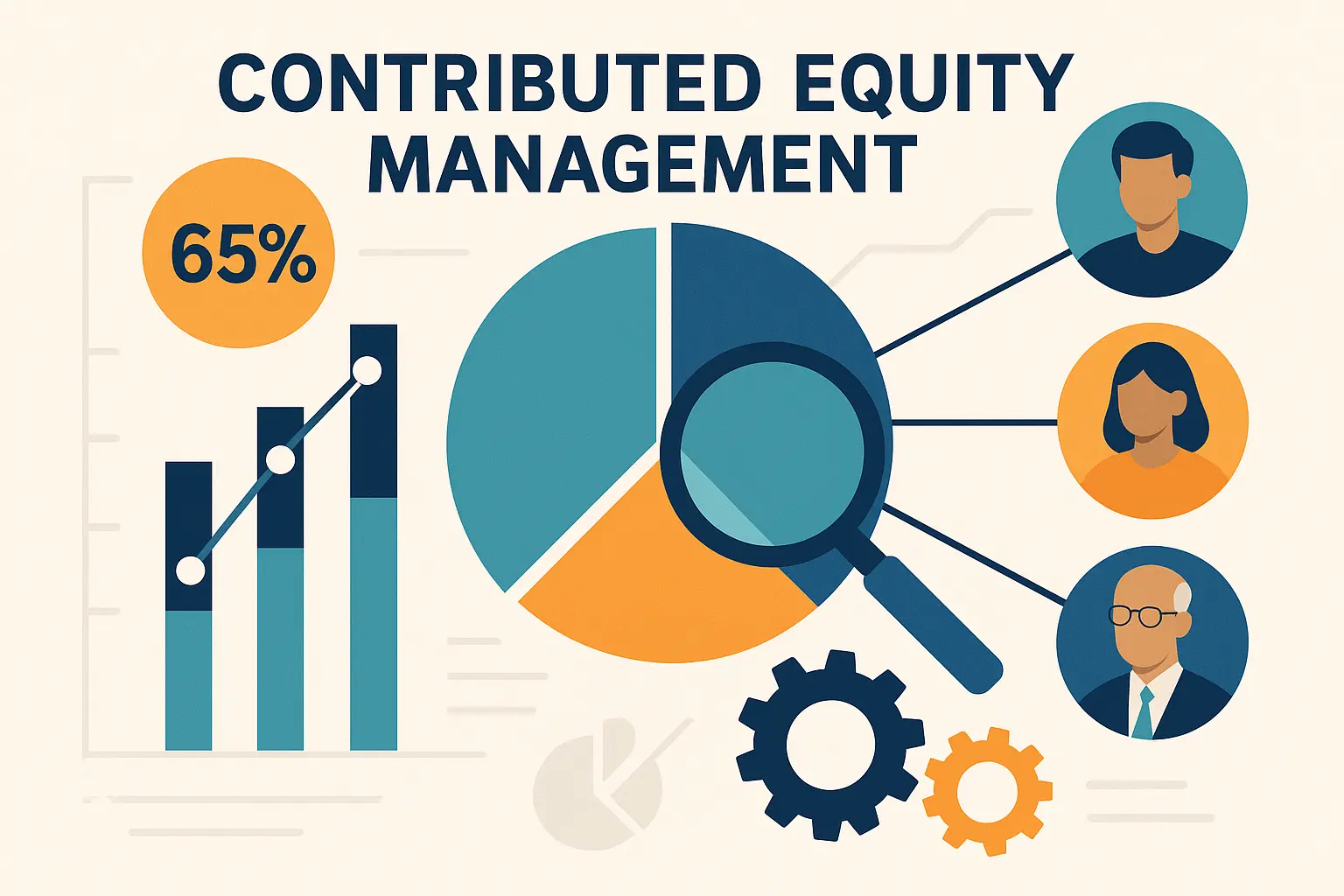
Keeping track of who owns what in a business might sound straightforward, but contributed equity—money or assets that people put into a company in exchange for ownership—can get complicated fast. Mistakes in equity records are more common than many realize. In fact, 29% of startups experience cap table errors that can lead to disputes or even lost investment opportunities.
Whether you’re part of a growing startup, a family business, or an established company, understanding how to manage contributed equity is crucial. It affects everything from shareholder relationships to legal compliance and future fundraising. This article breaks down what contributed equity really means, why managing it matters, and how you can track and optimize ownership with tools and tips that fit businesses big and small.
What Is Contributed Equity?
Definition in Plain Terms
Contributed equity represents the funds or assets a company receives from its owners—often shareholders—in exchange for ownership stakes. When individuals buy shares in a business or founders invest capital to get things started, they are injecting contributed equity. This financial input forms the backbone of a company’s ownership structure and directly connects each investor’s contribution to their proportion of control and claim on future profits.
Types of Contributions
Contributed equity isn’t limited to depositing cash. Owners might provide property, equipment, or even intellectual property in exchange for shares. For example, one founder might contribute funds, another might offer specialized machinery, and a third could transfer software rights. Each form of input is valued, tracked, and exchanged for a particular slice of the business’s ownership pie.
Understanding exactly what counts as contributed equity helps distinguish it from other sources of funding, like loans or earnings retained within the company. This distinction is key for clarity on both ownership and responsibilities.
With a handle on what contributed equity includes, you can pay closer attention to why managing it thoughtfully truly matters for business health and shareholder relationships.
Why Contributed Equity Management Matters
Shareholder Expectations
Shareholders don’t just invest money—they invest trust. They expect the value and percentage of their ownership to be recognized and protected. If a company loses track of contributions, misses record updates, or muddles the list of who owns what, it can quickly erode shareholder confidence. Precise management helps prevent disputes over promised ownership stakes or unintentional dilution, preserving relationships with both early supporters and new investors.
Financial Reporting Implications
Messy equity records make financial reporting unreliable. Contributed equity impacts key documents, including the balance sheet and statement of changes in equity. Inaccuracies create headaches during audits, scare off potential investors, and can even lead to compliance missteps. On the other hand, transparent equity management brings clarity—investors and authorities see exactly who owns each slice of the company and how capital moves within the business.
Understanding these stakes isn’t just about keeping numbers tidy; it’s about building a foundation for trust, growth, and smarter decisions. Now, let’s look at practical ways to keep contributed equity well managed from day one.
Key Steps in Managing Contributed Equity
Recording Capital Contributions
Each new investment or contribution needs prompt and accurate documentation. Log the date, contributor name, method of contribution, and amount. Whether funds are added in cash, assets, or through debt conversion, detail every entry with supporting documents. Proper records ensure contributors’ stakes are clear and disputes are minimized.
Issuing and Tracking Shares
Once a contribution is accepted, allocate the correct number of shares. Update the official register immediately to prevent inconsistencies. Employ visual tools to map out share distribution and its evolution over time, which aids transparency and prepares you for future audits and decision-making.
Handling Shareholder Agreements
Any equity management process should be anchored in clear, written agreements among stakeholders. Address rights, restrictions, deadlines, and obligations. Don’t overlook exit provisions or how additional fundraising rounds might impact current ownership. These rules avert misunderstandings and set expectations from the outset.
Once you have a reliable process for tracking and formalizing contributed equity, it’s time to explore which tools and methods make record-keeping both accurate and effortless.
Tools and Practices for Accurate Equity Records
Share Registers and Cap Tables
Maintaining precise share registers and cap tables is fundamental to tracking ownership stakes in any business. A share register lists every shareholder along with the quantity and class of shares they own, while a cap table provides a structured breakdown of your company’s entire ownership landscape—including shares issued, reserved options, and conversion rights.
Digital cap tables offer real-time updates, version history, and better accessibility than scattered spreadsheets or paper records. Using software for your register reduces errors and protects against accidental edits, ensuring a clear, trustworthy picture of who owns what.
Automated Equity Management Platforms
Manual tracking methods—spreadsheets, emails, or filing cabinets—can’t keep pace with growing businesses. Automated equity management platforms simplify everything from issuing new shares to exercising options or splitting stock. They integrate directly with bank and accounting systems, making audits straightforward and reducing human error.
These platforms can also alert you to vesting schedules, compliance deadlines, and regulatory obligations, taking pressure off your team and freeing up resources for growth initiatives. For expanding organizations with multiple funding rounds or employee equity programs, intelligent automation prevents costly mistakes and saves considerable time.
Mastering these tools paves the way to confidently handle more advanced equity challenges. Next, let’s look at how to troubleshoot discrepancies and address ownership changes without derailing your records.
Resolving Common Issues in Contributed Equity
Reconciling Discrepancies
Numbers in equity records don’t always match up. Maybe a transfer got lost in an email thread, a share certificate was misfiled, or the spreadsheet didn’t update after a new investment round. When figures between cap tables, financial statements, and physical records don’t align, suspicion and confusion follow.
Start by pinning down a single “source of truth”—typically, the official cap table or share register. Compare all documentation line by line, including bank records and board minutes that authorize equity changes. For lingering mismatches, reach out directly to affected shareholders with specific queries (“Did you receive share certificate #12 dated March 3?”). Keep a running log of every revision and its rationale. This audit trail speeds up future reconciliations and builds trust among stakeholders.
Managing Dilutions and Transfers
Equity rarely stays static. New funding rounds, employee share schemes, or business splits shift the landscape. The headaches start when updating multiple versions of ownership records, especially if founders rely on dusty spreadsheets or miss stakeholder communications.
To manage dilutions, update the official cap table immediately each time new shares are issued or transferred. Track both the number of shares and the percentage ownership before and after changes. Maintain signed agreements for each transfer, and be transparent about how every change affects everyone’s slice of the pie. Consider automated tools that instantly reflect modifications, removing the risk of manual errors and outdated files.
Sorting out discrepancies and tracking dynamic share changes set the foundation for confident equity management. With these pitfalls under control, you can move on to strategies that make record-keeping smoother and decision-making more accurate.
Practical Tips for Streamlined Equity Management
Clear Documentation Practices
Don’t rely on memory or scattered files. When a capital contribution comes in or shares are allocated, immediately record the transaction with supporting evidence—think signed agreements or bank receipts. Consistency matters: use the same naming conventions for documents, and store files where the entire finance team can access them without hunting down folders.
Regular Ownership Reviews
Set a calendar reminder to review your share register and cap table at least once a quarter. During these check-ins, verify that all recent changes—whether new investments or transfers—are accurately reflected. Cross-reference records against legal documents and bank statements to catch discrepancies early, before a minor error becomes a shareholder dispute.
By tightening up your documentation habits and making regular reviews part of your routine, you reduce the risk of mistakes and confusion. These steps lay the foundation for more complex equity management strategies—which we’ll explore next.
FAQs: Contributed Equity Management Explained
What is contributed equity in simple terms?
Contributed equity is the total amount shareholders have invested in a company by purchasing its shares. This amount usually appears on the company’s balance sheet and represents the owners’ actual stake in the business.
How is contributed equity different from retained earnings?
Contributed equity refers to money put in by shareholders through buying shares, while retained earnings are profits the company keeps instead of paying out as dividends. They serve different purposes in a company’s financial structure.
Why is tracking contributed equity important?
Tracking contributed equity ensures everyone knows who owns what, prevents disputes, and helps meet legal and financial reporting requirements. It also provides clarity when issuing new shares or transferring ownership.
How can companies keep accurate records of contributed equity?
Maintaining a detailed share register and up-to-date cap table is vital. Increasingly, businesses use digital platforms to automate ownership tracking, making updates and transparency easier for all stakeholders.
What issues can arise if contributed equity isn’t managed well?
Poor management can lead to confusion over ownership, missed regulatory filings, accidental dilution, or even legal challenges. Keeping records clear and current helps avoid these pitfalls.
Is it possible to correct historical errors in contributed equity records?
Yes, but it can involve detailed reviews with legal and accounting experts, especially if changes affect shareholder rights or past financial statements. Timely fixes are usually smoother and less costly.
Understanding these core concepts sets the stage for actionable strategies and daily practices that help protect and grow your business’s ownership structure. Let’s move from the essential questions to smart, practical tips you can apply right away.