
Climate Tech Startups: Innovators Powering a Greener Future

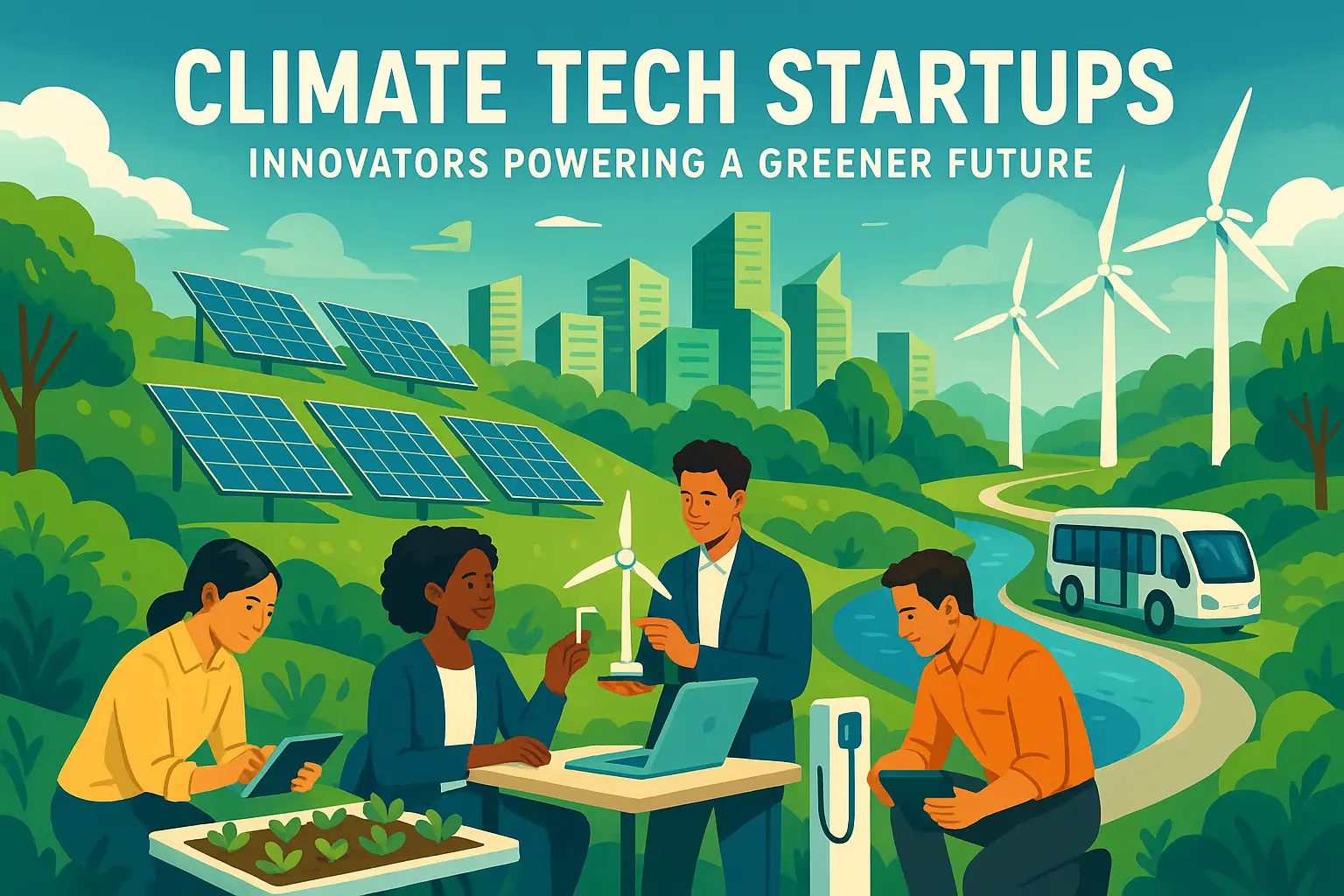
If you’ve ever worried about how our world will cope with the climate crisis, you’re not alone. The good news is, while the challenges are big, innovation is happening at an incredible pace—and much of it is coming from climate tech startups. In just a few years, investment in climate tech has more than quadrupled, with over $70 billion poured into these startups globally between 2020 and 2023. These young companies are rethinking everything from how our food is grown, to how we power our homes, travel, and even remove carbon from the air.
The heart of climate tech isn’t just science or finance—it’s a wave of people everywhere asking, “What if we tried something different?” This article will explore what climate tech startups are, how they work, and why their ideas might reshape the world we all share.
What Defines a Climate Tech Startup?
Climate tech startups are young companies built to tackle the ever-growing challenges of climate change. Their aim goes beyond mere efficiency—they want to reshape entire industries for a low-carbon world. Instead of quick fixes, these innovators seek out root causes, designing bold, scalable technologies that shrink environmental footprints.
Sectors and Solutions: Energy, Food, Circular Economy, and More
Climate tech isn’t limited to solar panels or electric cars. It’s a broad, inventive ecosystem where founders might reinvent everything from how cement is made to the way crops are grown. Some target clean energy, building batteries that store the sun’s power overnight. Others attack food waste by upcycling leftovers into new products, or develop AI that optimizes city transport to cut emissions. Water management, regenerative agriculture, decarbonizing supply chains—if it cools planet Earth, it counts as climate tech.
How Climate Tech Differs from Cleantech and Greentech
There’s plenty of overlap between climate tech, cleantech, and greentech, but climate tech is more sharply focused. Cleantech and greentech broadly promote environmental benefits, from recycling to renewables. Climate tech’s north star, by contrast, is slashing greenhouse gases and building resilience against climate impacts. While a greentech startup might make biodegradable straws, a climate tech startup aims for game-changers—a new process that transforms carbon dioxide into useful materials, or breakthrough sensors that predict and prevent wildfires.
As you explore the world of climate tech, the next step is to look at the powerful trends driving this fresh wave of problem-solvers—uncovering the innovations that are reshaping our path to a sustainable future.
Breakthrough Trends in Climate Tech
Carbon Capture and Storage
Direct air capture systems are moving beyond prototypes and now draw measurable amounts of CO2 straight from the sky, not just smokestacks. Startups mix engineered minerals with captured carbon to lock it away, while others reinvent concrete as a permanent vault for climate pollution. These approaches aren’t just for heavy industry—some target greenhouse gases from farms and even oceans, broadening what we mean by “carbon neutrality.”
Next-Gen Batteries and Energy Storage
Traditional lithium-ion batteries are only part of the story. Climate tech startups are engineering iron-air batteries that “inhale” and “exhale” oxygen to store energy for days rather than hours. Others are designing solid-state cells that promise rapid charging and minimal fire risk. Flow batteries filled with organic liquids let cities and solar farms bank excess power and keep the lights on during cloudy stretches and windless nights.
Decarbonizing Industry and Buildings
Startups are tackling the hard-to-clean sectors: cement, steel, chemicals, and the buildings we live and work in. Some swap fossil fuel combustion for electric furnaces powered by renewables. Heat pumps controlled by sensors deliver warmth with a fraction of the usual emissions. Meanwhile, bio-based building materials—think mycelium bricks or carbon-negative insulation—are quietly reshaping skylines.
Digital Solutions and AI for Climate Impact
Machine learning curates satellite data to spot methane leaks from space or flag surprising inefficiencies in supply chains. Platforms powered by artificial intelligence model entire power grids to make them nimbler during blackouts or severe weather. Other startups use AI to optimize irrigation, fertilizer use, and shipping logistics, slicing both energy use and emissions with each algorithmic tweak.
Sustainable Agriculture and Food Innovation
Fermentation tanks brimming with precision-engineered microbes are producing proteins rivaling meat, minus the methane. Insects are being upcycled into animal feed and soil amendments. Soil carbon monitoring tech reveals whether farming shifts are working, while vertical farms bring year-round greens to city neighborhoods using LED lights and a trickle of recycled water.

New climate technologies keep multiplying, but the real game-changers often emerge where sectors intersect—think AI-powered batteries or carbon-negative materials for new foods and buildings. As we look closer at the startups blazing these trails, some names and ideas are already shaping the months ahead.
Startups to Watch: Noteworthy Climate Tech Companies in 2024
Energy and Storage Innovators
Quino Energy burst onto the grid with batteries based on organic molecules extracted from plants, sidestepping the supply chain crunches and toxic waste issues typical of conventional lithium-ion cells. Their modular storage systems stabilize wind and solar, keeping lights on during peak demand.
Meanwhile, Fourth Power uses the age-old simplicity of sand—superheated and stored in insulated columns—to release steam and provide clean electricity after sunset. This startup is piloting its first mega-installation in Texas, promising round-the-clock renewables without battery banks.
Future of Food: Agtech and Land Use
Origen Carbon Solutions transforms agricultural residues into biochar, a stable form of carbon that also boosts soil health. By partnering with farmers in the Midwest, they turn crop waste into a climate solution—locking carbon in fields rather than sending it skyward.
Nourish Ingredients sidesteps livestock entirely by crafting animal-free fats through precision fermentation, perfecting plant-based meats that actually taste like the real thing. Their mission? Cut food emissions without forcing bland veggie burgers on consumers.
Transportation and Mobility Pioneers
Ampersand rolls out low-cost electric motorcycle batteries across East Africa, letting drivers swap out depleted packs in minutes at solar-powered stations. This overhaul of ‘boda boda’ taxis cleans up urban air and makes a real dent in city emissions.
Meanwhile, ZeroAvia is making hydrogen-powered flight possible, with successful test flights of midsized passenger planes. With hydrogen on board instead of jet fuel, air travel could get a whole lot cleaner without cutting out the human urge to explore.

Carbon Removal and Tracking
CarbonCapture Inc. deploys direct air capture machines in the Nevada desert, stripping CO₂ out of the sky for permanent storage beneath ancient rock layers. Their modular “reactors” promise scalable solutions—no sci-fi here, just fans, filters, and geology.
On the digital front, NCX uses satellite data to reward forest owners for letting trees grow instead of cutting them. Their climate marketplace brings transparency, auditing, and a steady stream of new carbon credits to buyers trying to erase their footprints.
Each of these startups offers a unique answer to the climate challenge, but their journeys are far from straightforward. Next, we’ll dive into the obstacles that threaten to slow climate tech’s momentum—and where signs of opportunity are starting to appear.
Challenges and Opportunities for Climate Tech Startups
Overcoming Funding Barriers
Securing capital for climate tech ventures often requires a different playbook compared to traditional tech. Demonstrating commercial viability can be tough when climate innovations are hardware-heavy, have longer R&D cycles, or need infrastructure changes. Many startups face a gap between early grants and the scale of funding needed for growth. Yet, there’s a growing pool of specialized investors and government programs hungry for credible solutions in climate and energy, opening doors that barely existed a decade ago.
Scaling from Pilot to Commercial Impact
Proving a technology in the lab or through small pilots is only half the battle. Taking it to market at industrial scale comes with distinct challenges: supply chain bottlenecks, manufacturing hurdles, and aligning with customer procurement cycles. Partnerships with established players and deeply engaged early adopters often become lifelines at this stage. Novel business models—like hardware-as-a-service or energy buyers’ clubs—are helping some to leapfrog scaling barriers.
Navigating Regulations and Policy
Climate startups operate within a regulatory maze shaped by local, state, and international rules. In some cases, favorable policies like tax credits, emissions pricing, or green procurement mandates create a tailwind. In others, outdated permitting laws or slow-moving bureaucracy can quickly stall deployment. The savviest startups stay agile—adapting business models or forging alliances to turn shifting policy into advantage rather than obstacle.

As climate tech startups navigate these interconnected challenges, they’re also unlocking fresh opportunities for growth and impact. Next, we’ll dig into the funding landscape and the investors helping to accelerate climate solutions from concept to market.
Climate Tech Investors and Funding Resources
Key VCs Backing Climate Tech
Silicon Valley is no longer the only hotbed for climate tech money. Specialized venture capital firms are breaking the traditional mold, deploying patient capital, and opening new doors for net-zero innovation. Lowercarbon Capital, run by Chris and Crystal Sacca, has seeded carbon removal giants, fueling moonshot technology from direct air capture to methane-eating enzymes. Breakthrough Energy Ventures, catalyzed by Bill Gates and a diverse group of global investors, pours billions into high-impact startups that can gigaton-scale carbon savings. Energy Impact Partners connects utilities and industry incumbents with founders working on grid resilience, heat pumps, and greener chemicals—bridging commercial validation and rapid scaling.
The landscape is increasingly global. Berlin’s World Fund champions European inventions, while Singapore’s Tin Men Capital backs climate solutions for tropical megacities. Startups aren’t just chasing dollars—they’re seeking smart partners who understand hardware timelines, science-based milestones, and the multidecade transitions required for planetary change.
Grants, Accelerators, and Non-Dilutive Funding Options
Equity funding isn’t the sole path. Visionary founders tap into an expanding world of grants and accelerators that offer both cash and invaluable technical support. The Department of Energy’s ARPA-E program pushes early-stage science out of the lab and into prototypes with non-dilutive awards. The European Innovation Council backs blue-sky research and scaling projects with substantial grants. In the US, CalSEED and NYSERDA propel climate hardware through pilot phase, helping startups overcome “valleys of death.”
Accelerators like Elemental Excelerator, Plug and Play’s Sustainability vertical, and The Clean Fight deliver hands-on mentorship, access to testbeds, and introductions to first customers—all often without taking a cut of the company. With climate tech increasingly multidisciplinary, founders can mix and match funding, blending patient equity, government grants, and even advanced market commitments from anchor buyers. The result: startups have more creative runway than ever to focus on tough, meaningful problems.
Funding is just the opening chapter—getting involved in this fast-moving field unlocks even more ways to shape climate solutions, from hands-on careers to grassroots innovation communities.
How to Get Involved with Climate Tech Startups
Career Paths: Joining or Founding a Startup
Working in climate tech goes far beyond engineering solar panels or coding energy apps. Startups need scientists, marketers, designers, policy experts, operations pros—anyone with a willingness to tackle stubborn sustainability challenges. If you’re ready to leap in, keep an eye on company values and mission fit—these early-stage teams thrive on purpose-driven people who ask hard questions. For the founders-at-heart, many universities and incubators like Third Derivative or Greentown Labs offer founder programs, mentorship, and pitch opportunities tailored to climate breakthroughs.
Open Roles and Hiring Trends in the Sector
Climate tech hiring often happens at breakneck speed. Roles in software development, data science, life cycle analysis, and supply chain strategy are in especially high demand. Unique to climate tech? Titles like “carbon accountant” or “director of impact measurement”—positions that barely existed a few years ago. Look to specialized climate job boards such as Climatebase, Terra.do, and Work on Climate, where founders and mission-led teams are always sharing new opportunities.
Communities and Events to Watch
Getting a foot in the door is easier if you get plugged into the right circles. Online hubs like My Climate Journey and Work on Climate open doors for mentorship, project collaboration, and honest advice. In-person, events like Verge or the ClimateTech conference pack rooms with passionate founders, investors, and talent. Don’t underestimate the power of a local climate meetup—you never know which kitchen-table idea might turn into the next big breakthrough.
Ready to dive deeper? Up next, we’ll untangle some of the most common questions about working with and building climate tech startups so you can move forward with clarity.
FAQs on Climate Tech Startups
What is a climate tech startup?
A climate tech startup is a company focused on creating solutions that reduce greenhouse gas emissions or help us adapt to climate change. These startups work across areas like renewable energy, smarter agriculture, clean transportation, and carbon removal.
How do climate tech startups make money?
Many climate tech startups sell products, technologies, or services to businesses, governments, or directly to consumers. Revenue can come from selling hardware, software platforms, or even earned carbon credits—depending on the focus.
Are climate tech startups only about energy?
No. While clean energy is a huge sector, climate tech encompasses startups tackling waste, agriculture, supply chains, water, transportation, and more. Anything addressing the drivers or effects of climate change fits under the umbrella.
Do I need a technical background to join a climate tech startup?
Not always. Technical talent is important, but these companies also need people in operations, marketing, finance, and policy. Keen interest and a willingness to learn often matter most.
What are the biggest challenges for new climate tech companies?
Building and scaling a climate tech company is tough. Challenges include securing funding, passing regulatory hurdles, and finding customers willing to try new technologies. Market timing can be especially tricky with climate solutions.
How can I support climate tech startups if I’m not a founder or investor?
Use their products, share news about their work, or join their communities. Many also welcome volunteers or advisors. Even spreading the word can help these startups grow their impact.
Curious about how you might play a part in this fast-growing sector, whether through your career or by building your own venture? Let’s dive into practical ways to get involved, regardless of your background.