
Clean Tech and Climate Tech: Unpacking the Differences, Overlaps, and Real-World Impact

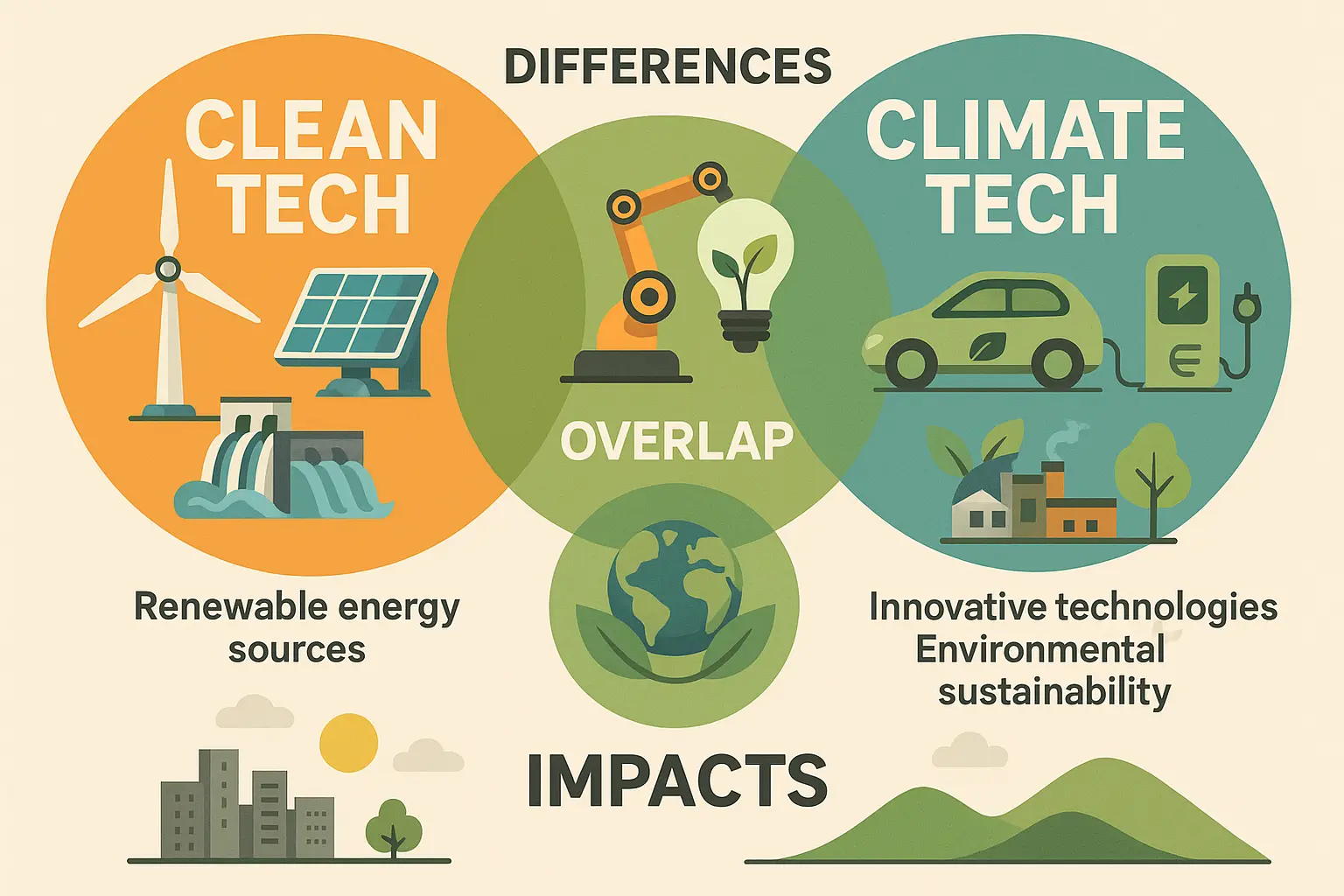
Every day, we hear about record-breaking temperatures, extreme weather events, and urgent calls to reduce our environmental impact. As more people search for solutions, the terms clean tech and climate tech pop up everywhere—from news stories about solar panels to discussions about capturing carbon from the atmosphere. But what do these terms really mean, how do they differ, and why are they so important right now?
The scale of the challenge is massive: according to the UN, global greenhouse gas emissions must fall by 43% by 2030 to limit warming to 1.5°C, a target we’re currently not on track to meet. In response, investment in climate and clean technologies is surging, with over $70 billion flowing into climate tech startups globally in 2022 alone. These innovations range from renewable energy and electric vehicles to emerging areas like carbon removal and sustainable agriculture.
Understanding where clean tech and climate tech overlap—and where they don’t—matters to everyone, whether you’re a business leader, policymaker, or just someone concerned about the future. In this article, we’ll break down the differences, highlight the real-world impact, and explore how these technologies are shaping everyday life and entire industries.
What Is Clean Tech?
Defining Clean Technology
Clean tech, short for clean technology, refers to products, services, and processes designed to reduce or eliminate negative impacts on the environment. Unlike traditional manufacturing or energy sources that pollute air, water, and soil, clean tech aims to work with nature rather than against it. Imagine electric cars replacing diesel engines or factories that recycle their own waste water — these are clean tech in action. It’s less about inventing new life on Mars, and more about improving how we live on Earth today.
Main Sectors: Energy, Water, Air, and Materials
Clean tech covers a range of sectors and innovations, tackling some of the planet’s most pressing challenges. Renewable power like solar panels and wind turbines grabs headlines, but the field reaches much further:
Why Clean Tech Matters
Clean tech is not just about protecting nature for its own sake; it tackles pollution, resource scarcity, and public health. Cities with cleaner air see fewer respiratory diseases. Farmers using water-efficient irrigation grow more food with less waste. Even power grids bolstered with batteries can bounce back faster after storms. Clean tech’s promise is to decouple economic growth from environmental harm, ensuring that progress doesn’t come at the planet’s expense.
Understanding clean tech lays the groundwork for digging into the broader landscape of environmental innovation — one that builds upon these advances and pushes even further into our response to a changing climate.
What Is Climate Tech?
Defining Climate Technology
Climate tech is all about tackling the root causes of climate change. Unlike a broad category like clean tech, which typically focuses on reducing environmental harm, climate tech aims squarely at slashing greenhouse gas emissions or helping communities adapt to the impacts already underway. It’s a toolbox of solutions ranging from carbon-cutting innovations to strategies for preparing cities and industries for more extreme weather, rising seas, or shifting agricultural zones.
Key Areas Tackled by Climate Tech
Climate tech spans a surprising range of sectors, all zeroing in on climate action. Some startups are developing new energy sources, but just as many are reimagining how we move around, grow our food, build our cities, and manufacture essential goods. Technologies like carbon capture are designed to pull emissions out of thin air, while others use satellites and sensors to track carbon footprints in real time. There’s action happening underground too, using soil or geology to store carbon for centuries.
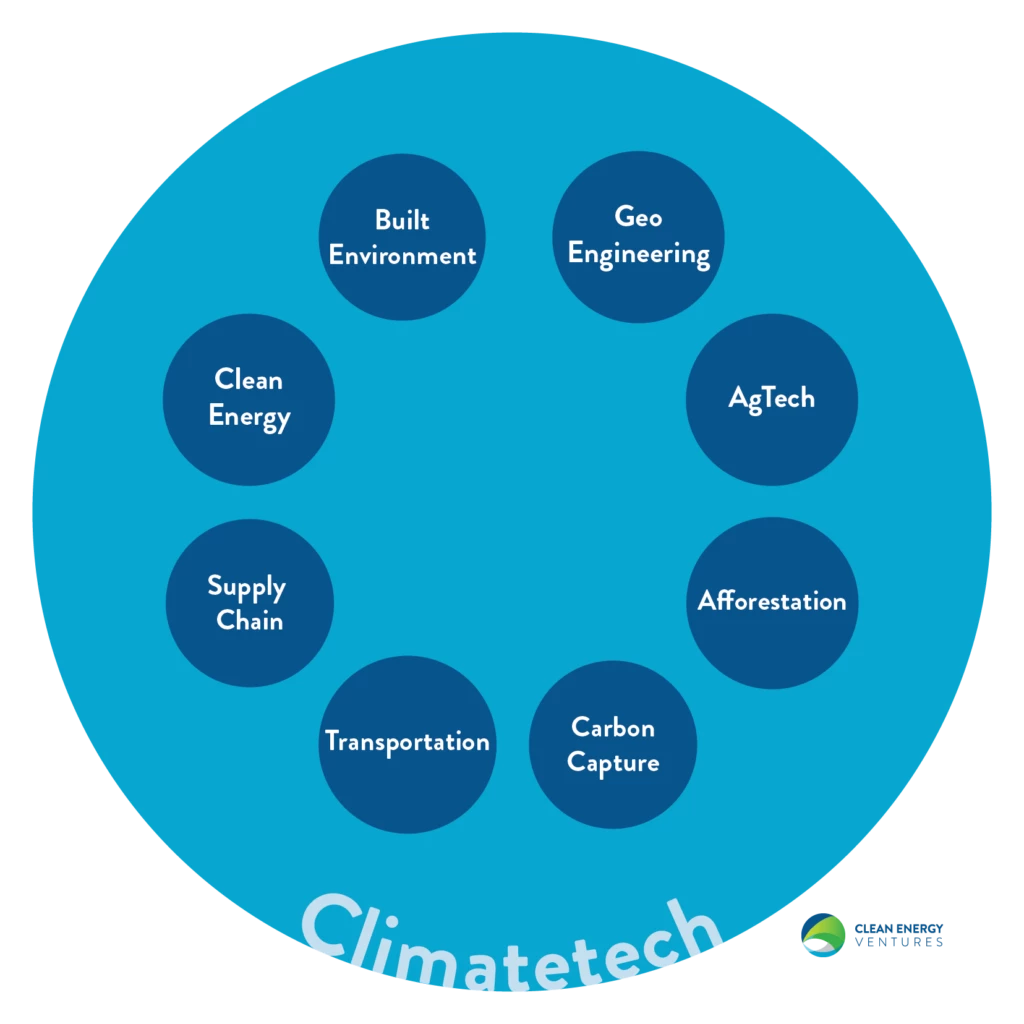
For example, some climate tech companies work on resilient crops for drought-prone regions. Others design cooling materials for buildings that push back against sweltering heat. In transportation, the innovations aren’t just electric vehicles, but also smart logistics that cut waste and optimize routes to avoid unnecessary emissions. The breadth is staggering, but the mission is unified: rapidly reduce the world’s contribution to climate change, and help us adapt to what’s already here.
Who’s Leading the Charge in Climate Tech?
It isn’t just one industry or region setting the pace. Climate tech innovation is coming from deep-tech research labs, scrappy new startups, and established companies pivoting in response to a warming world. New global players like Singapore, the Nordics, and parts of Africa are stepping up, bringing fresh perspectives and urgent local problems to solve. Universities and research institutes are turning curiosity into deployment, spinning out ideas that leap from research papers to real-world pilots. Venture capital, once hesitant, is now fueling this engine with funds, believing that chemistry, software, biology, and hardware each hold a piece of the puzzle.
As we dig deeper, it becomes clear that climate tech shares some DNA with clean tech—and, at times, paths cross and even blur. Understanding how these categories differ (and where they merge) helps make sense of the innovation landscape ahead.
Clean Tech and Climate Tech: Key Differences and Where They Meet
Core Goals and Approaches
Clean tech and climate tech often get mentioned in the same breath, but their core missions diverge at the root. Clean tech focuses on reducing negative environmental impacts—think technologies that curb pollution, save water, or slash waste. The main drive is to be less harmful and more efficient with resources. Climate tech, meanwhile, zeros in on the climate crisis itself. Its underlying question is: Will this help limit or reverse climate change?
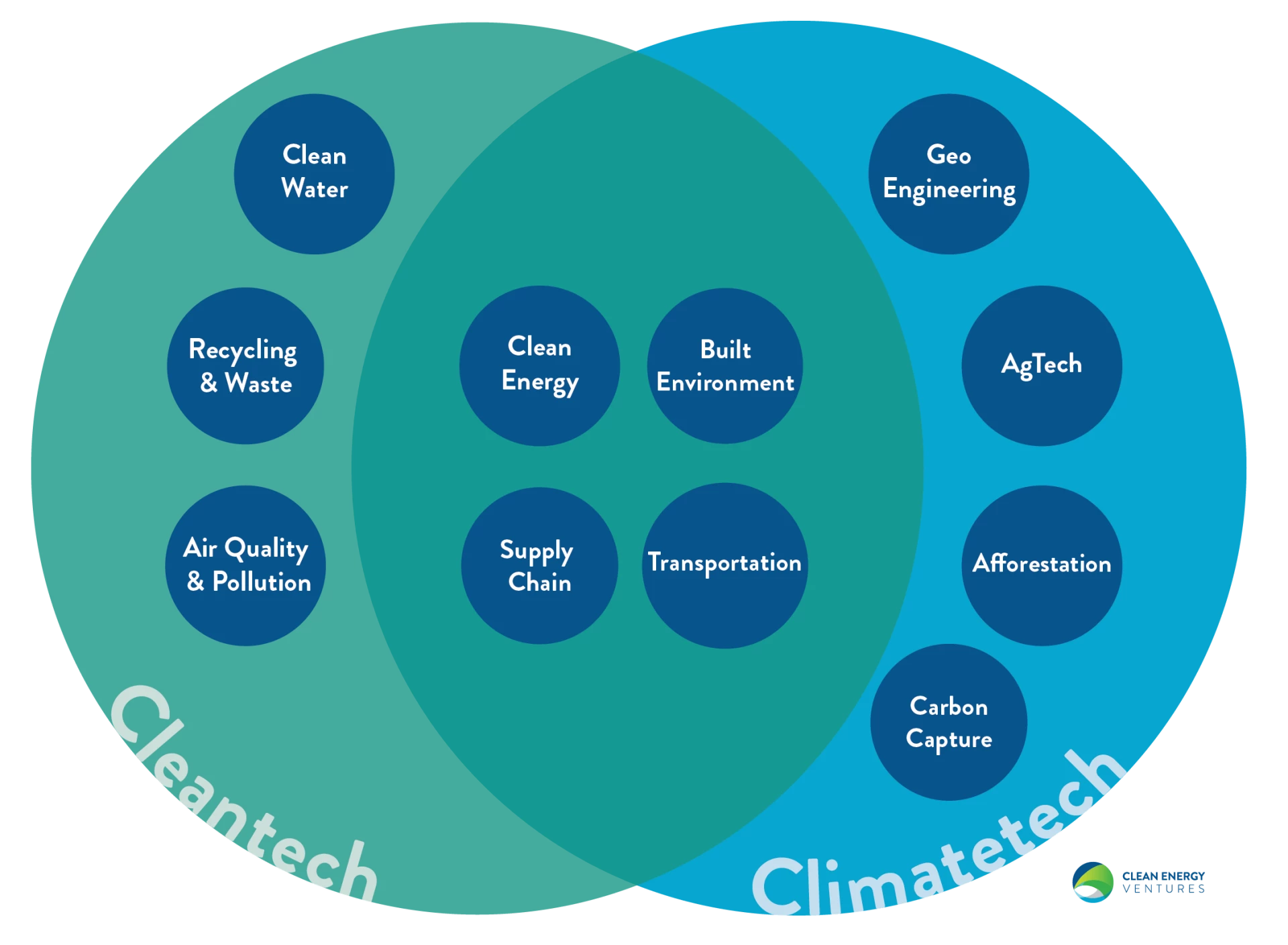
In short, clean tech can cover water purification, air filtration, or energy storage, which may or may not directly affect the climate. Climate tech specifically targets sectors tied to greenhouse gas emissions or carbon removal—tools like direct air capture, regenerative agriculture, or satellite-based methane tracking.
Examples: Where the Lines Blur
Some innovations easily belong to both worlds. Solar panels lower pollution and reduce CO₂ emissions—a perfect overlap. Electric vehicles might be developed under a clean tech label but are central to any climate tech plan for decarbonizing transport. Tech that boosts energy efficiency (from windows to motors) has both environmental and climate benefits.
There’s also a gray zone. Water-saving tech could be “clean tech,” but only climate tech if substantial emissions are tied to freshwater supply. The overlap is growing as climate change drives fresh thinking on resource use, circular economies, and resilience.
Understanding these subtle but important distinctions sets the stage for exploring how these technologies make an impact where we live and work. The next section dives into how these ideas shape our daily realities—sometimes in surprising ways.
How Clean Tech and Climate Tech Are Shaping Our Lives
From Solar Panels to Carbon Removal: Technology in Action
Headlines often spotlight giant wind farms or massive battery banks, but the true influence of clean tech and climate tech quietly unfolds all around us. Rooftop solar panels turn sunlight into daily electricity for millions, shrinking utility bills while cutting emissions. Electric buses now hum down city streets, replacing noisy diesel engines with clean, quiet rides. Buildings cool and light themselves using smart systems that save both energy and money.
In parallel, climate tech delivers tools that pull carbon from smokestacks, restore forests, or protect coastlines from rising seas. Companies capture carbon dioxide and use it to make useful products, from synthetic fuels to building materials. Scientists turn organic waste into biochar, locking away carbon while enriching the soil. Whether it’s cleaner air, restored ecosystems, or simply fewer disruptions from extreme weather, these technologies quietly rewrite what’s possible for daily life.
Everyday Solutions for Households, Businesses, and Cities
At home, induction stoves cook food faster and safer without emitting gas fumes. Smart thermostats learn our routines and control heating and cooling to curb unnecessary energy use. Apartment buildings use heat pumps for warmth even on the coldest days. On the road, electric vehicles (EVs) outnumber gas pumps at some highway stops, charging up as drivers break for lunch.
For businesses, automation and data-driven analytics cut down energy waste, optimize logistics, and reduce production footprints. Urban planners are blending climate tech into infrastructure—like permeable pavement that cools streets, or city-wide sensor networks tracking air quality. Even small changes—LED streetlights, green rooftops, or local bike programs—add up to measurable improvements in livability.
While these changes often happen in the background, their cumulative result is hard to miss: more efficient homes, resilient communities, and greener cities. But behind every new technology lies a story of resources, risk, and investment. Next, we peer into the forces fueling this revolution—and the hurdles innovators face along the way.
The Investment Landscape: Trends, Returns, and Risks
Why Investors Care About These Sectors
Clean tech and climate tech stand out as two of the most dynamic areas for investment in the 21st century. Investors aren’t just seeking high returns—they’re looking for sectors with lasting impact and resilience in a changing world. From energy storage to carbon removal, these innovations offer paths to decarbonization, regulatory compliance, and long-term market relevance. As extreme weather and climate policies reshape the global economy, portfolio managers increasingly view clean and climate tech as hedges against obsolete assets and regulatory risk.
Recent Funding Surges and What They Mean
After a bust in the early 2010s, venture funding for climate and clean technologies has raced upward. In 2022, global climate-tech investment exceeded $70 billion, with over a third going to energy and mobility startups. Notably, climate tech now attracts money from unlikely players—major oil companies, sovereign wealth funds, and corporate giants—which signals mainstream validation. However, investments are unevenly distributed: while sectors like electric vehicles and battery tech bask in funding, harder-to-tackle fields such as decarbonizing cement or agriculture remain undercapitalized, creating both risk and room for unexpected breakthroughs.
Challenges for Startups and Investors
Despite momentum, this landscape is littered with pitfalls. Hardware-heavy startups face long development times, high capital needs, and the hurdles of scaling in heavily regulated industries. Investors wrestle with forecasting market readiness—will carbon capture become profitable before policy mandates kick in? Can hydrogen infrastructure mature fast enough to outcompete fossil fuels? The path to exit can be murky, with fewer quick IPOs or acquisitions than in traditional software. Success often hinges on policy shifts, infrastructure spending, and unpredictable consumer adoption, making patience and adaptability just as critical as capital.
As we follow the money and monitor risk, it’s clear that technological progress and market fundamentals are only part of the story. New innovations on the horizon—and the factors that could turbocharge their adoption—are already reshaping the roadmap ahead.
What’s Next: Future Directions in Clean Tech and Climate Tech
Tech Breakthroughs on the Horizon
The next wave of clean tech and climate tech innovation is all about moving beyond incremental improvements. Quantum computing could supercharge battery research, shrinking development timelines for next-generation energy storage. Direct air capture—machines that pull carbon dioxide straight from the atmosphere—is moving from science fiction to field tests, while fusion energy claims new milestones each year, promising a potentially limitless clean energy source if technical hurdles are overcome.
Agriculture is primed for change, too. Molecular farming—using plants as mini-factories to produce proteins—may cut the carbon footprint of food production. Meanwhile, electrified heavy industry, like zero-emission steel and cement, is showing early prototypes with real potential to rewrite the rules of construction. Smart grids powered by AI are being tested worldwide to balance huge influxes of wind and solar, tackling intermittency without relying solely on large-scale lithium batteries.
How Policy, Consumers, and Industry Can Accelerate Change
Regulations are already shaping the path forward: stricter emissions caps, carbon pricing, and bold mandates for zero-emission vehicles nudge corporations to innovate faster. But individual choices matter, too: more people are evaluating products based on full lifecycle impact, not just upfront cost or style. This demand-side pressure encourages companies to adopt materials that are easier to recycle, packaging that vanishes harmlessly, or business models that prioritize re-use.
Industries once viewed as stubbornly high-carbon—shipping, aviation, agriculture—are seeing unlikely alliances between startups and legacy players. Airlines are testing sustainable aviation fuels sourced from waste, while shipping giants experiment with sails, hydrogen, and electric propulsion. A patchwork of emerging regional standards (think carbon labeling or digital product passports) will reward those ready to adapt and push laggards to catch up.
As powerful new technologies converge with shifting public attitudes and tougher policy landscapes, momentum is building. But technology on its own doesn’t bring about a more sustainable world—real impact depends on what happens when these innovations hit the streets, fields, and factories. The next part of our journey explores exactly how these technologies are being put to work, shaping environments from solar-lit rooftops to carbon-neutral city blocks.