
{archive_title}
Category: Fundraising
-
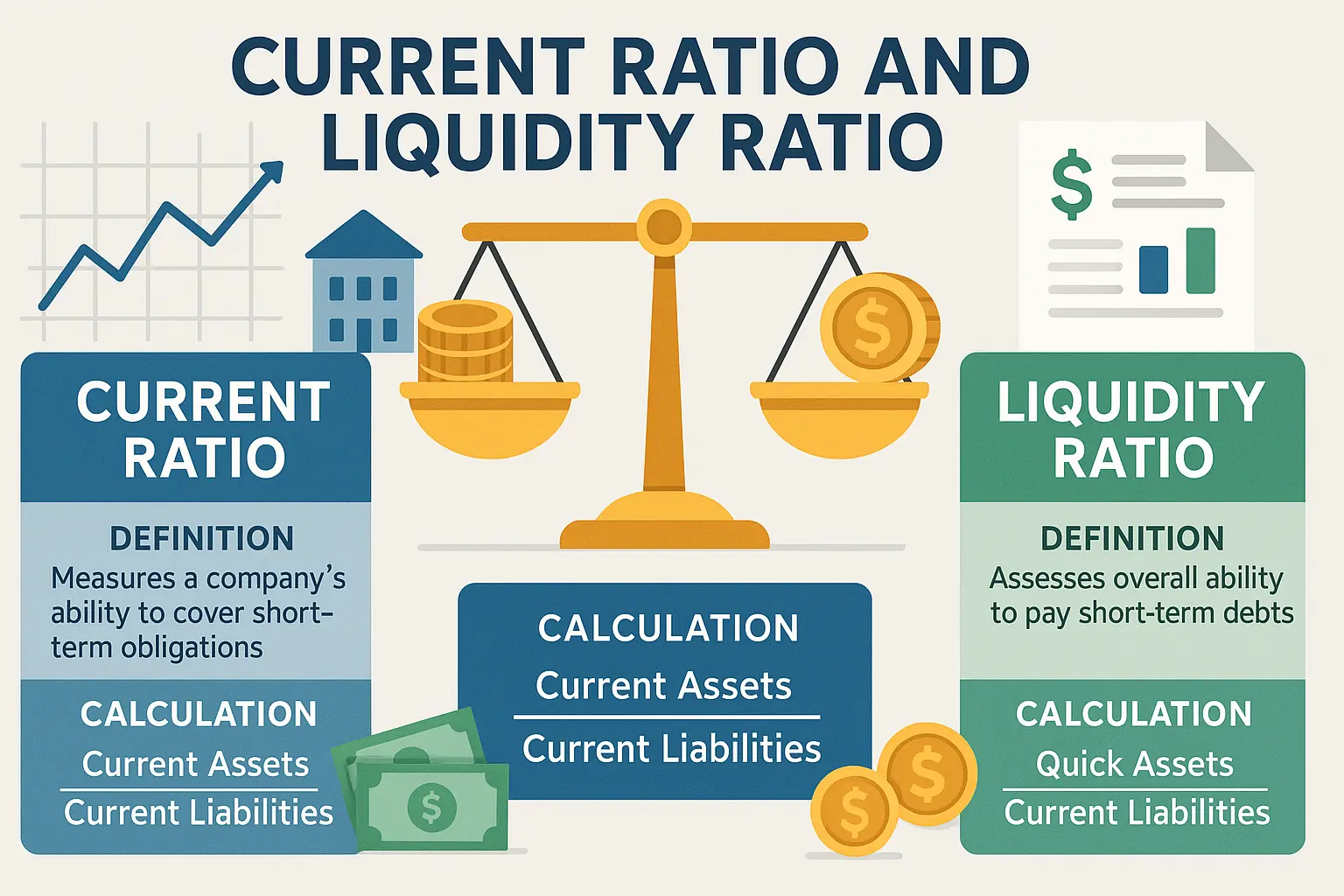
Current Ratio and Liquidity Ratio: What They Mean and How They Work
Understanding how much cash or liquid assets a business has on hand isn’t just for accountants—it’s something every business owner, investor, or manager should know. That’s where the current ratio and other liquidity ratios come in. These numbers act like a snapshot of a company’s ability to pay its short-term bills. In fact, a 2023…
-

CRM for Fundraising: How to Choose and Use the Right Platform
If you’ve ever managed a fundraising campaign, you know how important it is to keep track of donors, organize campaigns, and build lasting relationships. As the world of nonprofit fundraising grows more competitive, organizations are turning to CRM (Customer Relationship Management) platforms to streamline their efforts. In fact, according to a Nonprofit Tech for Good…
-

Convertible Notes: How They Work for Startups and Investors
Raising money is a big hurdle for most startups, and choosing the right way to do it can shape a company’s future. That’s why convertible notes have become such a common tool in early-stage funding. In fact, according to NVCA data, convertible notes and similar instruments are used in over half of U.S. seed financings.…
-

Convertible Debt: How It Works, Examples, and Startup Uses
Raising money is one of the biggest challenges for startups, especially in the early days. Traditional bank loans are hard to get, and giving away equity can get complicated fast. That’s where convertible debt comes in—a way to get funding now, with the promise that the debt will turn into shares later on. According to…
-
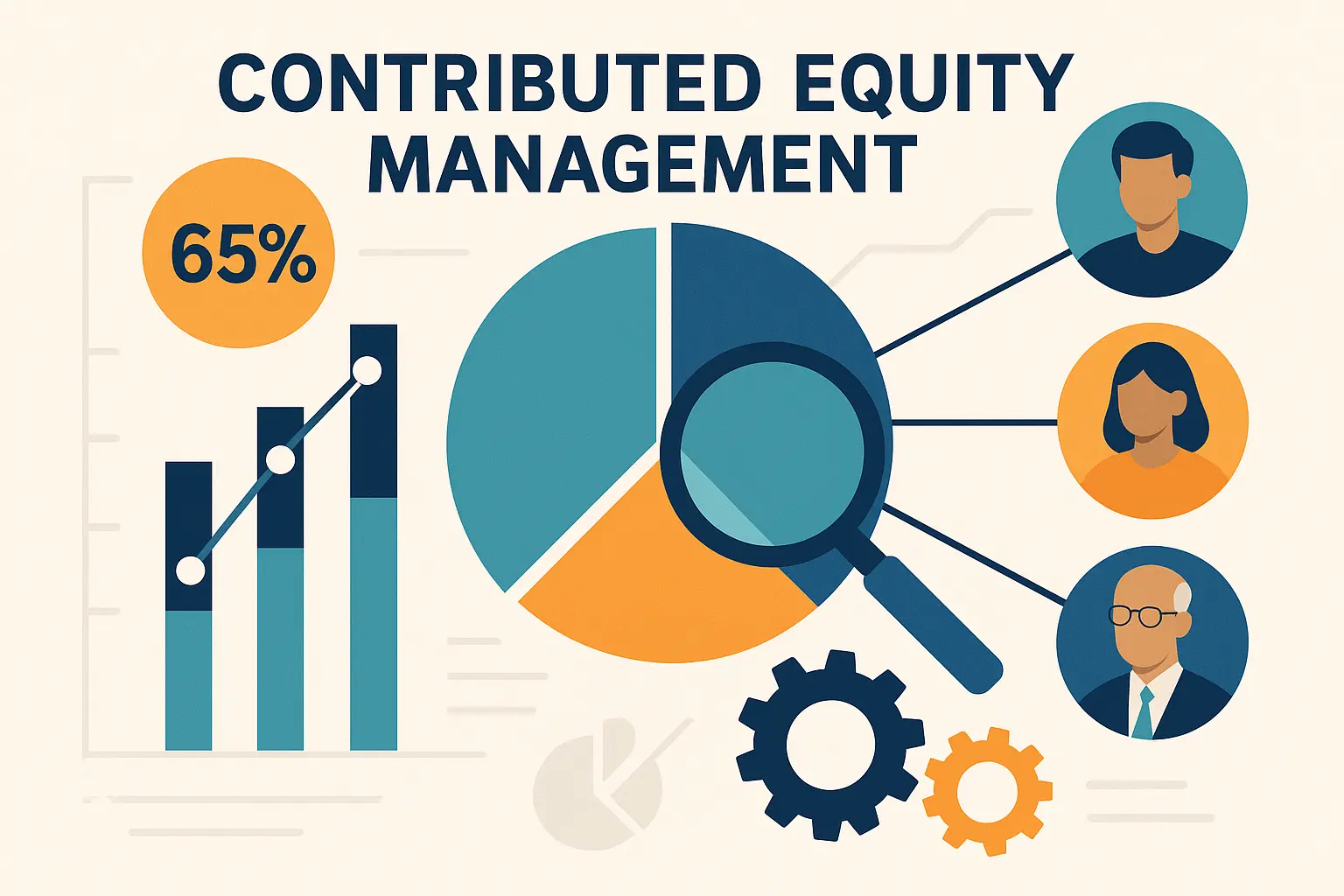
Contributed Equity Management: How to Track and Optimize Ownership
Keeping track of who owns what in a business might sound straightforward, but contributed equity—money or assets that people put into a company in exchange for ownership—can get complicated fast. Mistakes in equity records are more common than many realize. In fact, 29% of startups experience cap table errors that can lead to disputes or…
-

Contributed Capital Formula: Meaning, Calculation, and Examples
Understanding where a company’s money comes from is essential for anyone interested in business or investing. One of the most telling clues is how much shareholders have directly invested, known as contributed capital. This figure isn’t just a technical accounting term—it helps paint a clearer picture of a company’s financial backbone and signals the level…
-

Connecting Dots to Tell a Story: Turning Moments into Meaning
Think back on the moments that have shaped your life—the ones that seemed insignificant at the time, but years later, looking back, form a clear line leading you to where you are now. This is the essence of connecting dots: it’s about finding meaning in the scattered events, details, or data points that make up…
-

Climate Tech Startups: Innovators Powering a Greener Future
If you’ve ever worried about how our world will cope with the climate crisis, you’re not alone. The good news is, while the challenges are big, innovation is happening at an incredible pace—and much of it is coming from climate tech startups. In just a few years, investment in climate tech has more than quadrupled,…
-

Chief of Staff for Startups: The Role, When to Hire, and How to Succeed
Startups move fast. Founders juggle dozens of priorities, from fundraising to hiring to building the actual product. As teams grow, it’s easy for key projects, decisions, or even the company culture to fall through the cracks. That’s where a Chief of Staff can make a huge difference. More and more startups are hiring Chiefs of…
-

Capital Raising Software: Streamlining Fundraising for Modern Businesses
Raising capital has always been a big challenge for businesses, whether you’re starting out or looking to grow. The process can be slow, complicated, and full of paperwork. But now, capital raising software is making things much easier. In recent years, over 60% of startups have started using software tools to manage their fundraising processes,…