
Cannabis Startups: Innovative Companies Shaping the Industry

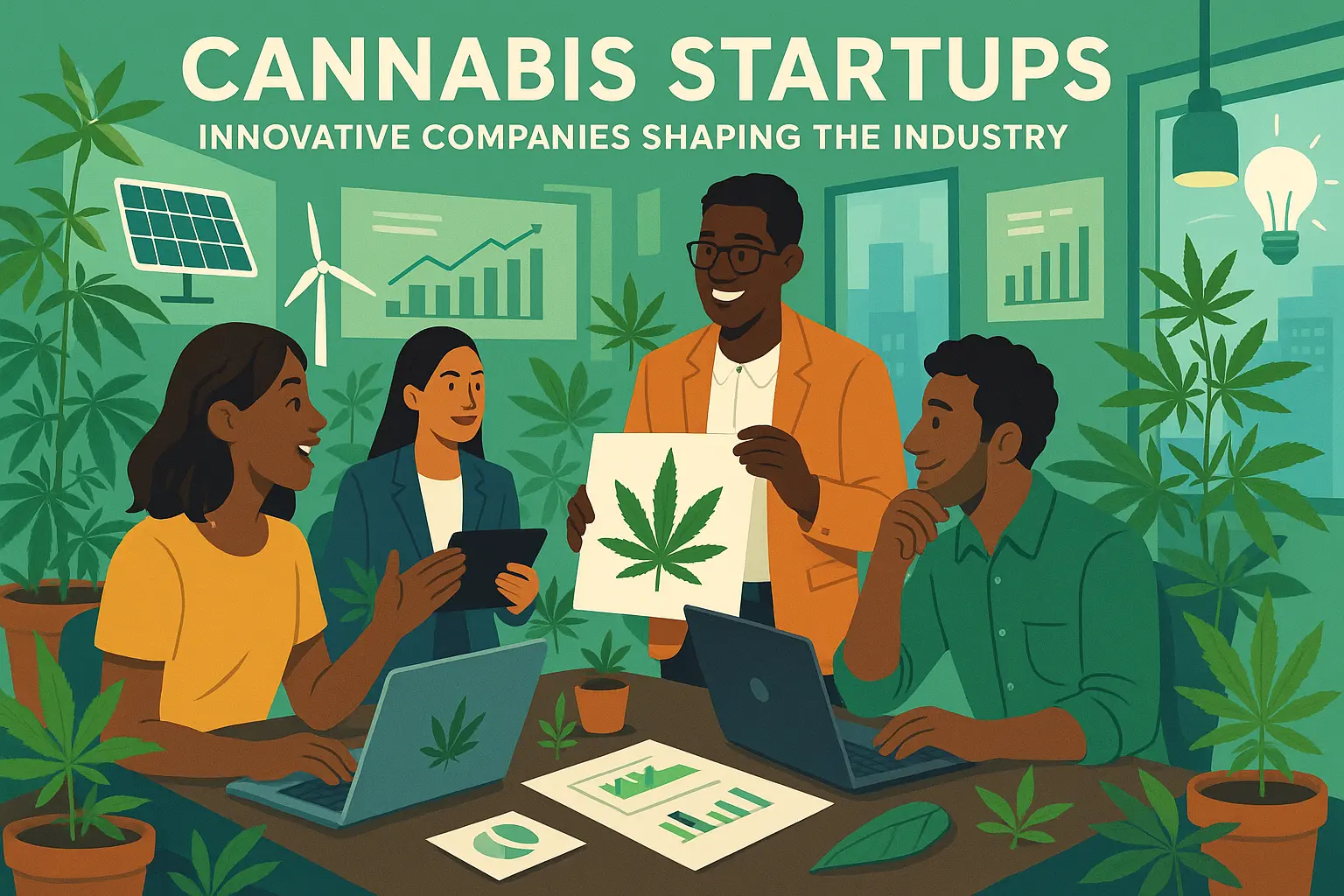
The cannabis industry has undergone a transformation over the last decade, going from a tightly restricted market to one of the fastest-growing sectors in North America and beyond. In 2023, the global legal cannabis market was valued at roughly $27.7 billion, and it’s projected to surpass $90 billion by 2028. Behind this surge are startups: small, inventive companies rethinking everything from cultivation and tech to delivery and sustainability.
For anyone curious about how cannabis has shifted from the fringes to the mainstream—or for those looking to understand where the industry is headed—watching these startups is key. They’re at the heart of the change, turning new regulations, consumer needs, and technological advances into innovative products and solutions. In this article, we’ll explore the companies pushing boundaries, the trends fueling their growth, and the unique challenges they face in a complicated and fast-changing industry.
Why Cannabis Startups Are Booming
Legalization and Market Growth
Cannabis laws are evolving rapidly around the world, unlocking fresh markets and reducing historic barriers. In places where regulation has relaxed, entrepreneurs are racing to fill gaps left ignored by traditional businesses. New legislation means previously underground demand now has legal outlets, and sales numbers are skyrocketing as a result.
Consumer Trends Driving Innovation
Cannabis users are more informed and discerning than ever. Today’s consumers seek precise dosages, unique product formats, and experiences that extend beyond a simple high. Startups are pushing boundaries, offering everything from artisanal edibles to high-tech vaporizers and wellness products targeting specific needs. Social stigma is fading, and brands are responding with creative marketing and elevated design, catering to everyone from medical patients to curious newcomers.
Challenges Unique to the Cannabis Space
Despite the boom, the cannabis market is not without its hurdles. Banking remains complicated due to federal prohibitions in certain regions, making even basic transactions tricky. Compliance is an ongoing puzzle, with regulatory frameworks often shifting overnight. Supply chain limitations and advertising restrictions force startups to invent new ways to reach audiences—spurring even more out-of-the-box thinking.
The combination of fresh opportunities, demanding consumers, and constant regulatory challenges is setting the stage for a new generation of inventive companies—but who, exactly, is leading this charge? Let’s explore the trailblazers reshaping the landscape right now.
Top Cannabis Startups Making Waves in 2024
LeafLink
LeafLink has become the backbone for cannabis distribution, connecting thousands of brands and retailers through its marketplace. By streamlining wholesale ordering and providing robust analytics for the supply chain, LeafLink continues to pave the way for more transparent and efficient cannabis commerce.
Dutchie
Dutchie stands out as a user-friendly e-commerce solution for dispensaries. Its sleek online ordering experience, real-time menu updates, and contactless payment integrations have made it a trusted platform for both retailers and customers seeking convenience and speed.
Jane Technologies
Jane Technologies is redefining online cannabis shopping with its AI-driven menus and inventory tools for dispensaries. Their platform offers real-time product availability, verified reviews, and advanced product matching, making cannabis discovery and purchasing easier than ever.
Cresco Labs
Cresco Labs blends cultivation with retail presence, operating dispensaries and producing branded products available across multiple states. The company’s emphasis on education and responsible use—combined with consistent product quality—keeps it at the forefront of the market.
Holistic Industries
Holistic Industries takes a wellness-first approach to cannabis, focusing on premium products and thoughtfully designed dispensary spaces. Their hands-on cultivation and vertically integrated operations enable them to maintain high standards from seed to sale.
Eaze
Eaze is revolutionizing cannabis delivery. The platform connects licensed retailers with customers, offering a seamless, discreet, and reliable delivery experience in legal markets. Eaze’s focus on accessibility and compliance has helped broaden access to safe cannabis products.
FlowHub
FlowHub provides software that simplifies point-of-sale, compliance, and inventory management for dispensaries. Its intuitive interface reduces time spent on regulatory paperwork and streamlines day-to-day operations, freeing up staff to focus on customer service.
Canix
Canix offers a comprehensive enterprise resource planning system that helps cultivators, manufacturers, and distributors run their businesses efficiently. With barcode scanning, automation, and detailed reporting, Canix is a powerful ally for scaling cannabis operations in a tightly regulated industry.
This new generation of startups is setting higher standards for convenience, compliance, and creativity in the cannabis industry. But with all this rapid change, new niches are also emerging, fueling even more innovation across the startup ecosystem. Let’s take a closer look at some of the most exciting areas gaining momentum.
Emerging Niches in the Cannabis Startup Scene
Cannabis Tech Solutions
Smart sensors that adjust greenhouse climates, blockchain systems tracking every flower from seed to sale—cannabis tech startups are turning old-school farming and sales into a connected, data-driven enterprise. Automated compliance software, for instance, scans barcodes and updates inventory for regulators in real time, freeing up small growers to actually grow. On the retail side, AI-driven recommendation engines are helping dispensaries learn what each customer might need, creating the kind of personalization you’d expect from a boutique wine shop.
Health and Wellness Brands
Gone are the days when the cannabis aisle meant choices limited to smokables and edibles. Brands are now launching botanically infused tinctures, nano-emulsified beverages for faster effects, and carefully dosed softgels targeting sleep, pain, or stress. Science-backed formulations are giving rise to startups focused on functional wellness, complete with rigorous lab testing and transparent sourcing. Some companies focus on unique cannabinoids beyond THC and CBD—think CBN for sleep or CBG for focus—catering to a wider crowd seeking precise wellness outcomes.
Sustainable Cultivation and Packaging
Environmental impact has become a rallying cry among new cannabis ventures. Startups are experimenting with recycled ocean plastics for pre-roll tubes, biodegradable pouches that decompose within months, and even carbon-negative cultivation systems using vertical farming and renewable energy. These eco-minded companies are proving that responsible practices aren’t just possible—they’re profitable, as conscious consumers and retailers seek out green alternatives.
Retail and Delivery Platforms
Ordering cannabis online now feels as seamless as buying a pizza. Startups are building platforms that let users browse products, read lab reports, and schedule home delivery within hours—all while navigating labyrinthine local laws. Some apps even use geo-fencing to ensure compliance across city boundaries. On the backend, logistics partners are figuring out cold-chain delivery for fresh edibles and integrating identity verification directly into the purchase flow, smoothing out the rough edges that once made cannabis e-commerce daunting.
As new entrants carve out territory in everything from plant genetics to packaging, it’s clear that the cannabis startup ecosystem is broadening far beyond what early trailblazers could have imagined. But while creativity drives the scene, capital is still its lifeblood. Let’s dig into how today’s founders are raising funds to power these ambitious ventures.
Funding Opportunities for Cannabis Startups
Venture Capital Trends
Despite hurdles like federal illegality and banking restrictions, cannabis startups have caught the eye of a growing number of venture funds. Dedicated cannabis VCs such as Poseidon Asset Management and Casa Verde Capital are leading the charge, drawn by the industry’s expansion and its potential for scale. These investors are no longer limiting themselves to plant-touching businesses—companies building software, financial services, or supply chain solutions are also attracting significant interest. In recent years, multi-million dollar rounds have become less rare, signaling maturation and growing confidence from private capital.
Alternative Funding Platforms
Not every cannabis startup fits the traditional VC mold, and banks remain cautious. That’s where crowdfunding and private lending platforms step in. Equity crowdfunding via platforms like SeedInvest and MicroVentures allows companies to raise capital directly from supporters. Revenue-based financing, often offered by newer cannabis-focused firms, gives startups flexibility—paying investors back as the business grows. And for those in ancillary sectors, mainstream fintech lenders may open doors that are still closed for their plant-touching peers.
What Investors Look For
Cannabis investors are seeking more than just a novel product idea. They want evidence of compliance strategies, a path to sustainable growth, and a clear understanding of regulatory risk. Investors typically prioritize teams that blend industry expertise with broader business acumen. Startups leveraging technology to solve industry bottlenecks—or those addressing overlooked consumer needs—often make the strongest pitch decks.
As startups secure their funding and map out their growth strategies, there’s one obstacle looming larger than any fundraising round: understanding and navigating the shifting legal landscape. Up next, we’ll dig into what every cannabis startup must know to stay on the right side of the law.
Regulatory Hurdles Every Startup Should Know
Licensing Requirements
Turning an idea into a cannabis business isn’t possible without the proper paperwork. Licenses aren’t a one-time checklist—they’re a maze of local, state, and sometimes federal requirements. Some cities limit the number of dispensaries or production facilities, while others require extensive background checks on everyone from founders to key employees. The process can take months and is often expensive, with fees that eat away at initial capital. If you skip a step or miss a document, your application might get rejected, setting you back months or longer.
Key Differences by State and Country
No two states regulate cannabis the same way. In California, vertically integrated operations are allowed, while in Washington, you can’t own both a grow and a retailer. Rules about advertising, packaging, and even payroll can look completely different as you cross state lines—or national borders. In Canada, for example, federal rules dominate, but provincial details still shape what’s allowed where. For startups hoping to grow quickly, these patchwork laws require a flexible playbook and local expertise.
Staying Compliant as Laws Change
What’s legal today might not be tomorrow. Local moratoriums, shifting testing protocols, and federal debates keep startups guessing. Compliance isn’t a box to tick—it’s a habit. Companies need to monitor legal updates, retrain staff, and adjust operations before inspectors pay a visit. Many invest in compliance software or work with specialists dedicated to reading the fine print. The price of neglect? Fines, product recalls, and in worst cases, a suspended license.
As the regulatory landscape shifts and sharpens, founders who pay close attention to compliance are better positioned to benefit from new opportunities—and avoid surprise pitfalls. Up next, let’s dig into what the future holds for those daring enough to shape the cannabis industry.
Future Outlook: What’s Next for Cannabis Startups?
Global Expansion Possibilities
The cannabis movement is no longer bounded by state or national borders. As more countries soften regulations and global attitudes shift, ambitious startups are eyeing international markets. Latin America and parts of Europe are experiencing waves of legalization, unlocking new supply chains and customer bases. Companies nimble enough to navigate these regulatory patchworks can establish themselves as household names far beyond North America. The next few years may see cannabis brands and platforms shifting into worldwide operations, blending local expertise with global reach.
Technologies Set to Disrupt the Industry
Innovation isn’t slowing down. AI-powered cultivation tools, blockchain traceability, and data-rich retail platforms are maturing rapidly. Automation now extends well beyond seedlings—robotic trimmers, packaging solutions, and sophisticated logistics reduce costs and boost consistency. Meanwhile, genetics and biotechnology are rewriting what’s possible, from tailor-made strains to precision dosing. As these tools become mainstream, the startups wielding them will leave traditional competitors in the dust.
Where the Biggest Opportunities Lie
Fresh ground looms for those unafraid to take risks. Personalized cannabis (think DNA-based product recommendations or customizable blends) could redefine the customer experience. Social consumption venues, long delayed, may finally get off the ground, catering to community-oriented users. On the supply side, sustainable cultivation and eco-friendly packaging remain wide open for innovation. For investors and founders with foresight, the intersection of cannabis and wellness, sustainability, and global logistics holds the greatest potential for outsized returns.
Just as the landscape is constantly shifting, so too are the companies determined to innovate within it. To better understand who’s rewriting the rules, let’s dive into some standout examples that are already making bold moves.