
Best Practices for VC Portfolio Data Collection

Venture capital is built on more than just instinct and big ideas—it’s grounded in data. For every fund manager or analyst, having accurate, up-to-date information about portfolio companies isn’t just helpful; it’s essential. According to industry surveys, over 70% of VCs say that poor portfolio data has led to missed opportunities or slower decision-making. But collecting this data isn’t as simple as sending out a spreadsheet—it’s a complex process shaped by fast-moving companies, inconsistent reporting methods, and a mountain of metrics to track.
Whether you’re managing your first fund or looking to tighten up a mature operation, setting up smart, thoughtful portfolio data practices can make the difference between reacting and staying ahead. In this article, we’ll explore simple steps—drawn from real-world VC workflows—to help you collect, organize, and use your portfolio data so you can make better decisions, report confidently, and build stronger relationships with founders.
Why Accurate Portfolio Data Matters for VCs
For venture capital firms, precise portfolio data is the compass that guides every decision. When you can trust the numbers, portfolio reviews dive deeper, not just skimming the surface. Accurate figures reveal which companies are quietly thriving, which are teetering, and where you should intervene before small issues snowball into crises.
Investors rely on up-to-date, well-organized data to spot trends and benchmark progress. With rigorous accuracy, it’s easier to identify outliers—both success stories and candidates for course correction. That kind of insight isn’t just useful for quarterly reports; it shapes real-time decisions like capital allocation, follow-on investments, and exit timing.
The impact reaches outside the firm too. Precise reporting breeds confidence among limited partners, whose trust is built on transparent, factual updates rather than assumptions or estimates. When presenting performance, fundraising, or responding to surprise information requests, strong data is your firm’s strongest argument. It’s also essential in high-stakes moments—like M&A or IPO readiness—where data discrepancies can sink a deal.
Lastly, credibility depends on consistency. Portfolio companies are more likely to keep founders engaged with reporting cycles when they see their numbers are handled with care—not distorted by inaccuracy or delay. This ensures VCs and founders stay aligned, nurturing a productive, collaborative relationship.
To build those habits from day one, the next step is setting clear expectations with founders—so everyone knows exactly what to collect, when, and why.
Laying the Groundwork: Set Clear Data Expectations with Founders
Agree on Metrics and Definitions Upfront
Before the first report lands in your inbox, get precise about what data you’ll be tracking. Don’t assume that “revenue” or “user growth” means the same thing to everyone. Sit with founders, walk through each metric, and clarify definitions. For instance, does revenue mean gross or net? Are churned users counted after a failed payment, or after 30 days of inactivity? The more you zoom in on these details now, the fewer headaches you’ll have reconciling numbers at year-end.
Establish Reporting Timelines
Founders juggle countless competing demands, so defining when—and how often—data is expected avoids confusion later. Some venture firms want monthly updates, others settle for quarterly. Make the cadence explicit and stick to it. Outline not just the deadline, but the format—whether that’s a Google Sheet, a portfolio dashboard, or an email template. Setting up a reminder system on both ends keeps everyone aligned and dramatically reduces “just checking in” emails.
By building these shared rhythms and eliminating ambiguity upfront, you set the stage for a smoother data collection process. Next, let’s tackle which metrics actually deserve their place on your reporting checklist.
Deciding What Data to Collect
Clarity at the outset saves everyone headaches later. Before spreadsheets or portals enter the picture, take a step back and pinpoint exactly which data points justify regular collection. The goal: avoid data bloat while capturing key signals that reveal how each company—and your overall portfolio—are tracking.
Core Financial Metrics Every VC Needs
Cash runway, monthly burn, annual recurring revenue, and gross margin—these numbers tell more than any deck. They distinguish actual traction from storytelling and are vital for assessing if a founder’s plan matches their burn and revenue curve.
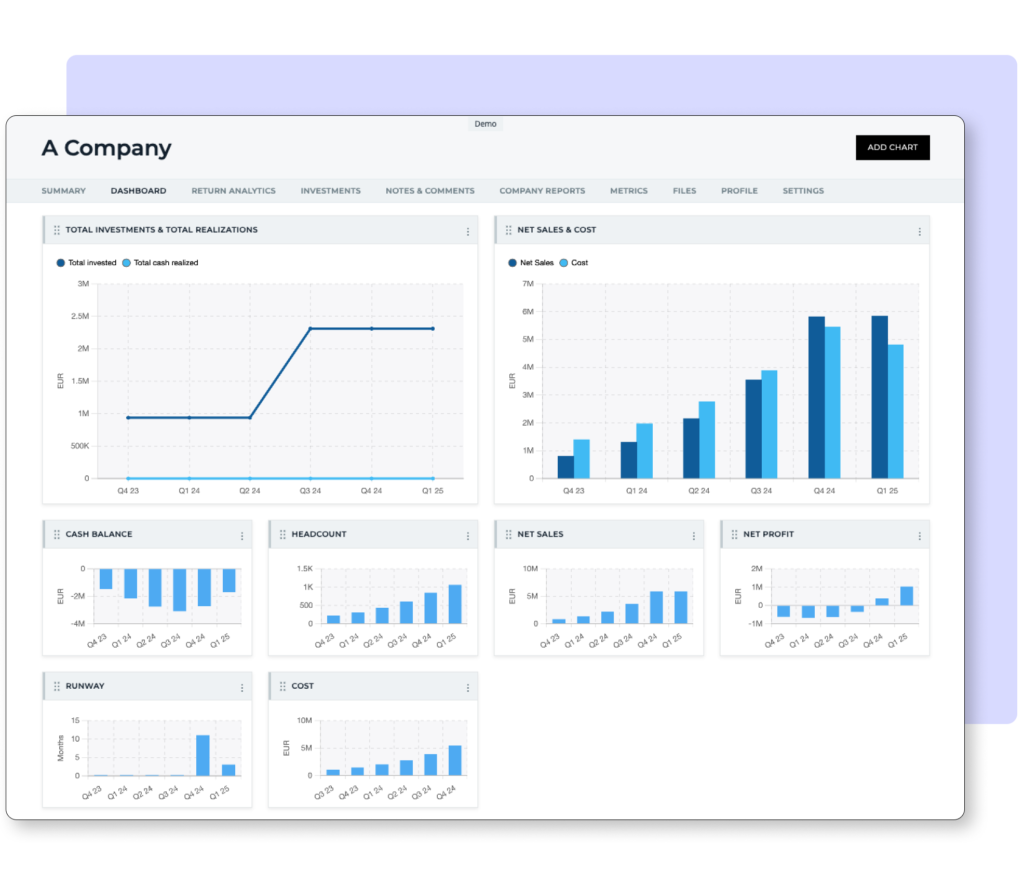
Reviewing a consolidated financial metrics dashboard, like the sample above, uncovers both strengths and warning signs within your portfolio with a single glance.
Operational and Growth KPIs
After the basics, think about metrics that capture the pulse of business health and scaling: active users, customer retention rates, gross logos churn, pipeline value, or MRR growth. Invest the time to adapt KPIs to each company’s stage or sector, rather than expecting one-size-fits-all answers.
Qualitative and Contextual Information
Not every insight fits neatly into a cell. Context matters. Narratives around new product launches, hiring plans, or unexpected regulatory changes bring numbers to life and clarify why metrics look the way they do. Encourage founders to note inflection points or major setbacks alongside quantitative data.
Once you’ve drawn those lines and defined which signals to surface, the next challenge is collection itself: picking the right tools, streamlining the process, and reducing friction for founders.
Collecting Data Efficiently: Tools and Systems
Choosing the Right Portfolio Monitoring Platform
Purpose-built portfolio monitoring platforms cut out unnecessary complexity and eliminate scattered spreadsheets. These platforms provide a centralized view, custom dashboards, and instant updates when a portfolio company submits new data. Features like shared metric definitions, permissions management, and visual performance snapshots help VCs understand portfolio health at a glance.
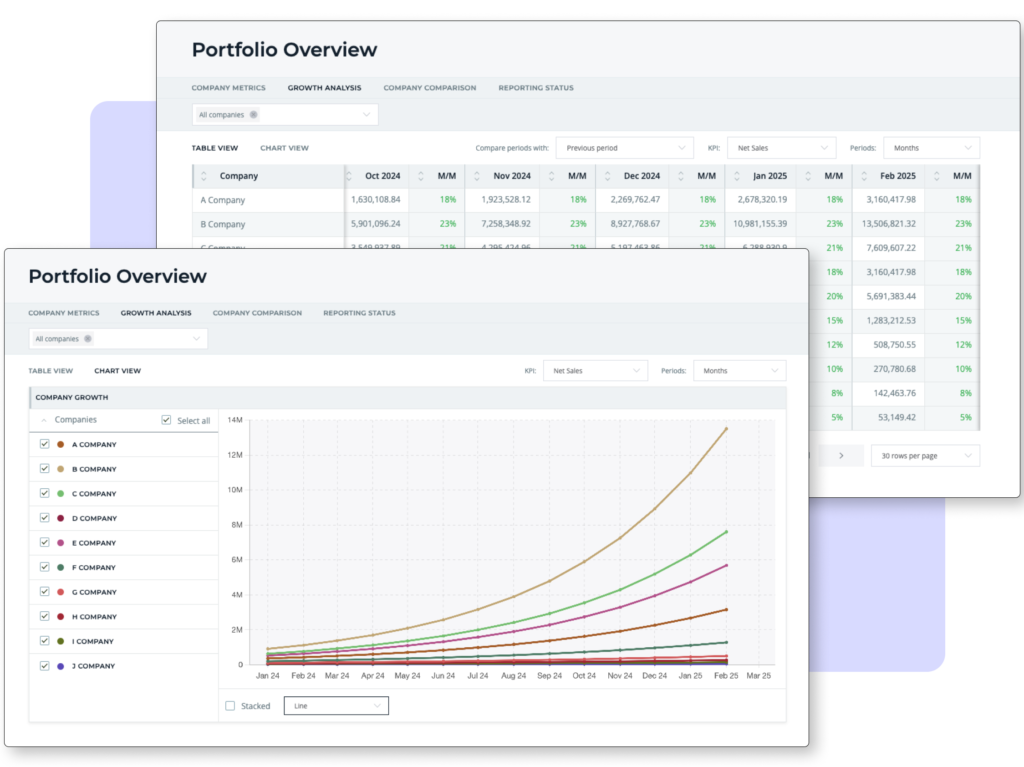
Some platforms integrate directly with accounting tools and CRMs, so investors don’t have to chase down numbers or do manual data entry. Evaluate systems for notification features, data export options, and how easily founders can use them without extra support.
Automation for Recurring Data Flows
Setting up automation is essential to avoid chasing monthly updates or manually compiling reports. Automated data requests, recurring reminders, and direct integration with APIs streamline the process for both investors and founders. For instance, setting up scheduled reminders for founders to submit their data can cut typical collection cycles by days or even weeks. Tools that automatically pull data from trusted sources, such as accounting platforms or standard-form reporting emails, deliver timely updates while minimizing errors.
Integrating Data from Different Sources
Portfolio data often arrives from various platforms — accounting software, HR systems, sales tools, and product analytics. Robust integration capabilities make it possible to consolidate this information in one place, so VCs see the full picture without toggling across apps. Zapier, custom APIs, and built-in connectors can feed updates into your portfolio management platform in real time. The goal: reduce manual merges and let the team focus on interpreting trends, not data wrangling.
The right tools and streamlined systems enable more than just time savings—they free up brainpower to focus on what matters in the data. Next, let’s look at how to ensure this data is trustworthy and reliable, laying the groundwork for confident decision-making.
Ensuring Data Quality and Consistency
Consistent, accurate data is not a happy accident—it’s the result of thoughtful processes tailor-made for your investment landscape. Once you’ve established what you’re collecting and how, it’s time to make sure that every data point can actually be trusted. Without this step, even cutting-edge dashboards or sophisticated models can lead you astray.
Setting Validation Checks
Build in guardrails as close to the data source as possible. Automated validation checks can catch missing values, inconsistent date formats, or calculations that don’t add up. Think of these safeguards as your early-warning system: flagging when something looks off, whether it’s a revenue number outside expected ranges or a sudden spike in headcount that doesn’t match hiring plans.
Avoid relying on manual spot checks alone. Most modern reporting platforms allow you to customize field requirements and set up rules for numeric ranges or logic-based relationships (like EBITDA cannot exceed revenue). The more you can make these checks part of the regular submission process, the less time you’ll spend cleaning up later.
Training Team and Portfolio Companies
Even the smartest collection tools rely on human input at some point. Regular, hands-on training sessions—especially when new founders join your portfolio—help clarify expectations and prevent misinterpretations of what each field or metric actually means. Use real examples from your own portfolio to show what “good” and “bad” data entries look like, and document examples of common errors for quick troubleshooting.
Keep lines of communication open. Encourage your team and founders to flag confusing definitions or workflow challenges as soon as they emerge, rather than letting silent errors pile up unnoticed.
Getting these foundational details right makes the rest of your data-driven workflow actually work. With your data quality playbook in place, it’s time to consider how you keep sensitive information protected every step of the way.
Maintaining Security and Confidentiality
Complying with Data Privacy Regulations
Collecting sensitive portfolio data means navigating a maze of privacy laws, from GDPR in Europe to CCPA in California. Always ask: what data is necessary, and does our process respect founder and company privacy? Review data collection points to ensure compliance—especially when storing investor updates, serving documents, or handling cap tables that include personal details.
Secure appropriate consent from all involved parties before storing or processing any data. Maintain an accessible privacy policy and ensure every vendor or tool in your data workflow is also compliant. Unintentional mishandling may not just cause regulatory headaches—but could erode trust with founders and LPs alike.
Common Security Measures for VC Data
Even the most robust data collection process can fail if security is an afterthought. Encrypt all sensitive information both in transit and at rest. Limit access—only team members directly involved in portfolio monitoring should touch raw data. Implement strong authentication, such as multi-factor authentication, to protect dashboards and reporting tools.
Consider regular reviews of user permissions across all internal software. Audit logs should track access and changes, deterring misuse and speeding up investigations if needed. When collaborating with portfolio companies, use secure portals or encrypted email for data exchange, not ad-hoc spreadsheets sent as attachments.
In today’s threat landscape, even routine actions can introduce vulnerabilities. Invest in ongoing team training so everyone recognizes phishing attempts and common vectors for breaches. The integrity and security of portfolio data is not merely a technical concern—it’s fundamental to maintaining trusted VC-founder relationships.
With security and privacy under control, the next crucial step is putting collected data to work—translating insights into smarter investment decisions and timely, effective reporting.
Using Portfolio Data for Decision Making
Internal Reporting
Effective internal reporting starts with drilling into specifics rather than drowning in summaries. Instead of monthly charts that vaguely suggest progress, focus on comparing company-by-company performance, burn rates, and deviations from forecasted cash flow. Timely snapshots—such as quarterly liquidity positions or updated runway estimates for each startup—help surface not just what’s happening, but who needs support or intervention this quarter.
Preparing for LP Requests
Limited partners expect clarity and credibility. Structured portfolio data makes it easy to answer questions about sector exposures, follow-on allocation, or portfolio concentration at a moment’s notice. Using regularly validated data reduces the need for last-minute data hunts or error-prone spreadsheets, so LP decks reflect reality, not wishful projections. Always be ready with metrics like cumulative value creation, capital deployment pace, and realized versus unrealized returns—these are the touchpoints LPs scan first.
Spotting Red Flags Early
Early warning depends on patterns, not hunches. Analyze portfolio data for signals: weeks of decreasing user activity, repeated missed revenue targets, or steeper-than-average churn. Spotting a negative trend before it balloons can mean the difference between an urgent founder call and reading about a shutdown on social media. Visual analytics, like dashboards showing sudden cash burn spikes, put the important outliers front and center and keep surprises to a minimum.
Understanding the signals in your portfolio’s data is just the start. Continually refining your approach ensures you’re not only catching issues but also discovering new opportunities for improvement.
Continuous Improvement: Reviewing and Updating Data Practices
Strong portfolio data habits can quickly become stale if they’re left unchecked. Venture investments evolve, reporting methods shift, and founders start tracking new KPIs. To stay ahead, set routine checkpoints—quarterly is a good baseline—to assess what’s working and what’s slowing your team down.
Start by auditing the data you’ve collected: Are certain fields always blank? Do teams spend too much time fixing data import errors? Use these pain points as a roadmap. Trim unnecessary metrics, tighten data entry instructions, or switch up tools if your stack is causing headaches. Don’t be afraid to drop a process that’s no longer practical or to add in new data points that shine a light on portfolio trends.
Feedback is gold. Check in regularly with both your investment team and founders: What questions do they struggle to answer using your dashboards? Are any important updates slipping through the cracks? Collect specific examples and use them as catalysts for change. This collaborative approach surfaces blind spots and ensures your data strategy supports everyone’s needs—not just the fund’s template.
Document every change clearly and share updates promptly. This avoids confusion, especially when onboarding new portfolio companies or adding fresh team members. Along the way, keep an eye on new data privacy guidelines and portfolio company preferences, so nothing gets lost in translation.
The most reliable VC data systems are built on a willingness to adapt. Small, frequent improvements keep your reporting sharp and your team confident. And as you refine your practices, you’ll be better equipped to unlock deeper insights from your portfolio data—turning metrics into meaningful action.
Next, let’s look at transforming these refined data practices into robust reports and valuable insights for your investment decisions.