
Accelerator vs Incubator: A Definitive Comparison for Startups

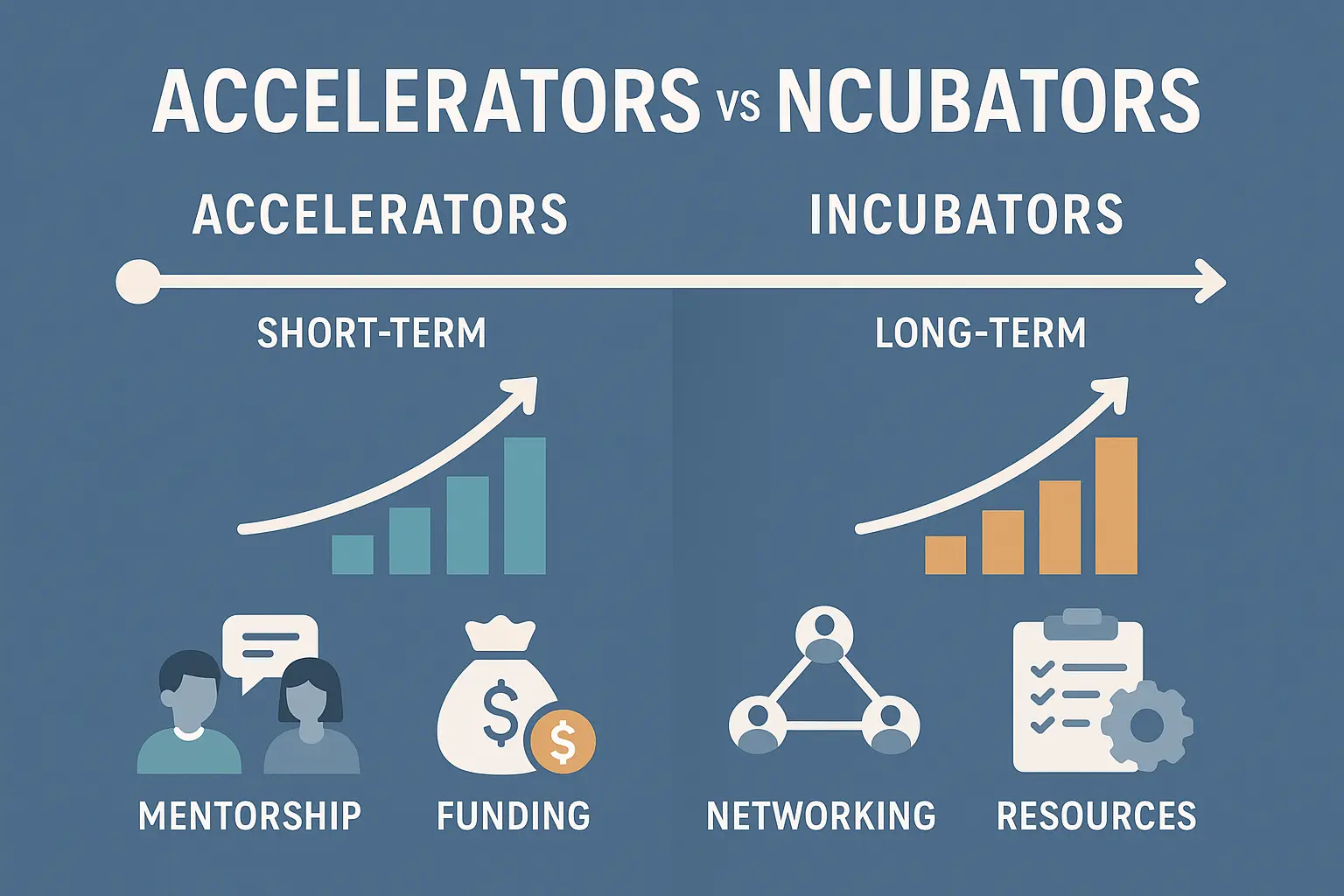
In the fast-paced world of startups, finding the right support system can be the key to success. While many entrepreneurs are familiar with angel investors and venture capitalists, two other critical types of support programs are often considered: incubators and accelerators. Each offers unique benefits and caters to different phases in a startup’s journey. But which program is the right fit for your budding business? Understanding the distinctions between these two options can help you make an informed decision and propel your startup to new heights. In this article, we delve deep into the world of startup incubators and accelerators, providing you with a comprehensive comparison to guide you in choosing the ideal partner for your entrepreneurial venture.
Understanding Startup Incubators and Accelerators
What is a Startup Incubator?
Startup incubators are organizations designed to nurture fledgling businesses by providing a protective environment conducive to growth. These programs typically offer a variety of resources including office space, networking opportunities, mentorship, and access to investors. Unlike accelerators, incubators do not focus on graduating startups within a fixed timeframe. Instead, they provide a continuous supportive framework tailored to the unique requirements of growing businesses, often accepting startups at the ideation or earliest stages of development. For more insights on how incubators can support early-stage startups, check out our ultimate guide to startup incubators.
What is a Startup Accelerator?
A startup accelerator, in contrast to an incubator, is an intensive and structured program specifically tailored to rapidly grow a startup over a fixed period, usually three to six months. Accelerators focus on speeding up the scale-up phase by providing startups with small seed investment, strategic advice, mentorship, and the opportunity to pitch to potential investors at a demo day. Typically, startups join accelerators during a more advanced stage, when the core product or service is ready to be pushed into the market.
With an understanding of what startup incubators and accelerators entail, let’s delve into the ways they differ fundamentally across several criteria. This examination will illuminate the essential factors you might consider when choosing between the two for your business venture.
Core Differences Between Incubators and Accelerators
Stage of Development
Incubators typically cater to startups in their earliest stages. These programs focus on developing a viable business model, refining the concepts, and providing resources and mentorship to bring an idea to life. On the other hand, accelerators are designed for more mature startups that have a minimum viable product (MVP) and are ready to scale. Accelerators help startups grow rapidly through focused guidance, networking, and support.
Funding and Equity Considerations
Incubators often provide resources like office space, mentoring, and sometimes a small amount of seed funding, but they usually don’t require an exchange of equity. This lower financial involvement allows startups to develop without the pressure of equity loss too early. Conversely, accelerators often invest capital in exchange for equity, usually taking a stake ranging from 5% to 10%. This investment structure is geared toward scaling the business and gaining a quick return on investment .
Timeline and Commitment
Incubator programs are typically open-ended with a flexible timeline, providing long-term support as the startup develops its product and business model. Accelerator programs, however, are short-term and intense, ranging between a few weeks to six months. They are structured with fixed deadlines to boost rapid growth and prepare startups for the next round of funding.
Application and Acceptance Criteria
Admission into an incubator program often involves a more straightforward application process, focusing on potential and the team’s capability to develop a viable business. Accelerators, however, have a competitive selection process as they look for startups with proven concepts and traction, aiming to scale rapidly. This process often includes interviews, pitch decks, and clear indicators of the startup’s growth potential.
With a clear understanding of the core differences between these programs, let’s explore the unique benefits and potential drawbacks each offers to startups in the next section.
Benefits and Drawbacks of Each Program
Advantages of Joining an Incubator
Startup incubators offer a nurturing environment for fledgling ventures to develop their ideas without the intense pressure of rapid scaling. Entrepreneurs benefit from access to shared workspaces, mentorship, and often reduced overhead costs. Incubators provide a collaborative community, fostering networking opportunities and partnerships that can prove invaluable in the early stages.
Advantages of Joining an Accelerator
Accelerators, on the other hand, are designed to catapult startups into market readiness and scaling phases. Participants receive intensive mentorship, a structured program, and often seed funding in exchange for equity. This environment suits startups aiming for rapid growth and product refinement. The accelerator’s network of investors and advisors can significantly enhance a startup’s visibility and credibility, offering a potential springboard into markets and further funding opportunities.
Potential Downsides to Consider
Despite their benefits, both incubators and accelerators come with potential drawbacks. Incubators might advance a slower growth pace, which might not align with some startups looking for swift market entry. On the other hand, accelerators demand equity shares and a commitment to an intense program tempo, which might not be feasible for all. Entrepreneurs must weigh the trade-offs of equity for funding and mentorship and assess if the program’s timeline fits their strategic vision.
Choosing between an incubator and an accelerator ultimately hinges on a startup’s specific needs, goals, and current stage of development. As we explore the following section, we’ll guide you through the process of determining which program aligns best with your startup’s unique requirements.
Choosing the Right Option for Your Startup
Assessing Your Startup’s Needs and Goals
Before deciding between an accelerator or an incubator, it is vital to thoroughly assess your startup’s unique needs and long-term vision. Start by analyzing which stage your startup currently occupies. Are you in the process of forming a business concept and need community and resources to nurture your idea? In this case, an incubator may better align with your objectives. Alternatively, if you aim to scale an existing business model, a structured and intensive accelerator might be the pathway to rapid growth.
Moreover, consider the type of support your startup desires. An incubator offers a sustained nurturing environment ideal for businesses that need formative mentorship. In contrast, an accelerator is structured to provide quick exposure to potential investors and advisors, ideal for startups ready to scale quickly.
Evaluating Program Requirements and Fit
Not all programs will suit your startup, so evaluating the requirements and overall fit is essential. Examine the financial implications of both options since accelerators typically require some equity in exchange for funding and mentorship. This might suit startups looking to sacrifice a portion of ownership for quick capital and growth opportunities. However, if retaining equity is crucial, an incubator, which generally doesn’t demand equity, may be a better fit.
Additionally, consider the cultural fit of the program. Review their track record, mentor quality, alumni network, and location. Connecting with alumni can provide valuable insights into each program’s culture, successes, and pitfalls. Understanding these aspects can be pivotal in making an informed choice.
With a clear grasp of your startup’s positioning and the nuances between incubators and accelerators, you stand at a crossroads where your decision will influence your startup’s trajectory. As you move forward, exploring success stories can offer inspiration and practical insights into how each program can propel startups toward achieving significant milestones.
Case Studies of Successful Startups
Success Stories from Incubator Programs
One of the shining examples of a startup that thrived in an incubator program is Airbnb. Initially supported by the Y Combinator incubator in 2009, Airbnb leveraged the guidance and resources to grow into the global lodging giant it is today. The program helped Airbnb refine its business model, understand its target market better, and secure critical seed funding that catalyzed its early expansion.
Another remarkable success is Dropbox. Before becoming a household name, Dropbox participated in the Y Combinator incubator. The mentorship and structured environment provided by the program allowed it to focus on product development and user acquisition strategies. This foundation was fundamental to its success, positioning Dropbox at the forefront of cloud storage innovation.
Success Stories from Accelerator Programs
The journey of fintech innovator Stripe began to gain momentum when it joined an accelerator program at Y Combinator. The intensive mentorship and networking opportunities allowed Stripe to secure crucial partnerships and refine its core offerings. As a result, the company rapidly transformed into a leading payment processing platform.
Another notable example is ClassPass, which found its footing through Techstars’ accelerator program. By gaining access to a diverse mentor network and intensive growth bootcamp, ClassPass was able to pivot its business model to meet market demands effectively. The accelerator’s support helped it scale globally, connecting fitness enthusiasts with thousands of workout studios worldwide.
These case studies illustrate how incubator and accelerator programs can catalyze startup success by providing the necessary resources, mentorship, and network. As we explore further, it’s essential to consider how these programs differ and what each offers to aspiring entrepreneurs. Understanding these nuances ensures startups can make informed decisions when selecting the best pathway for growth and innovation.