
Press Strategy for Startups: Getting Noticed and Building Trust

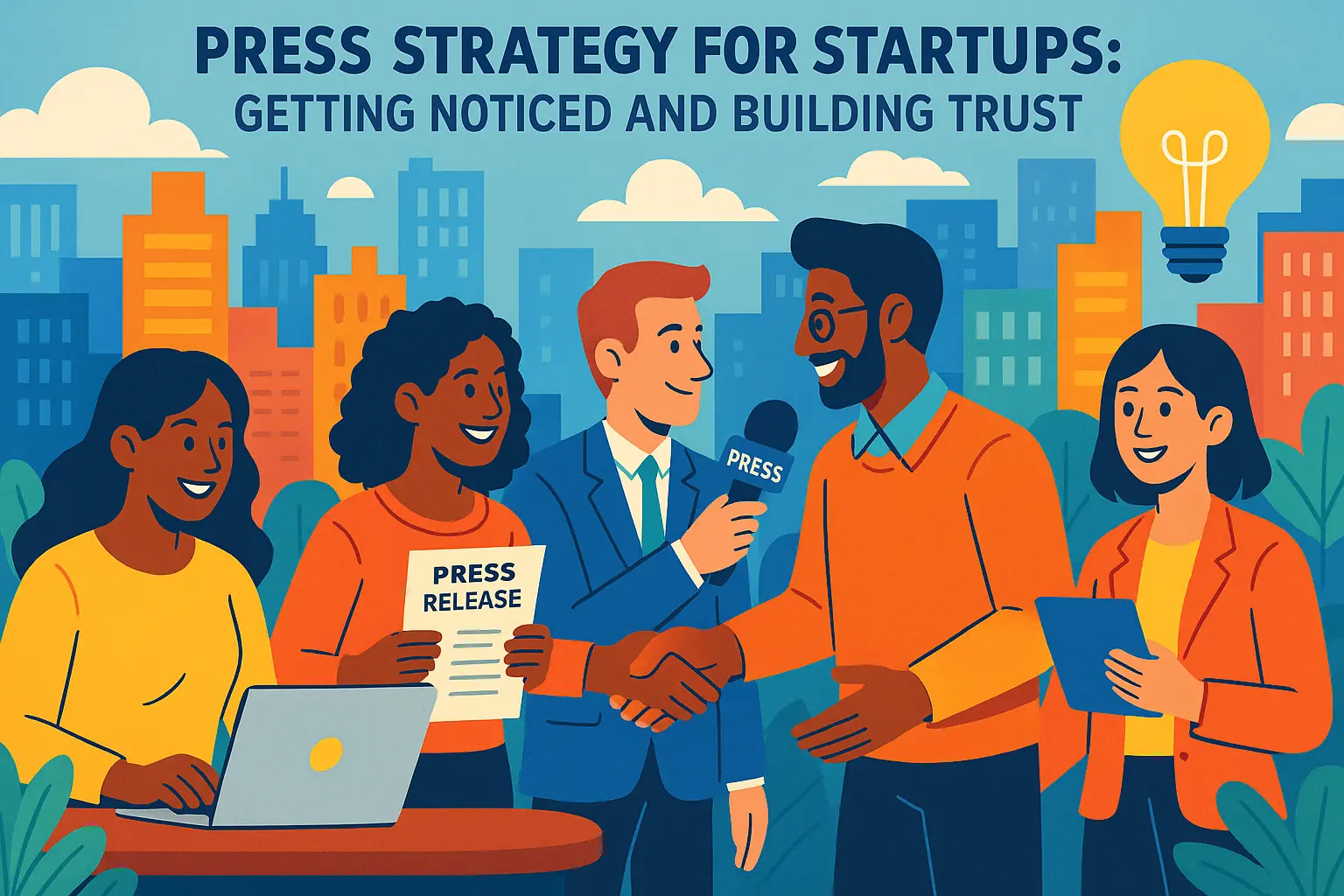
Getting people to notice a new startup can feel like shouting into the void. With thousands of startups launching every day, earning attention from journalists and building trust with your audience is harder—and more important—than ever. In fact, according to Edelman’s Trust Barometer, 65% of people say trust in a brand is influenced by how it’s covered in the media. But where do you even start if you’re a small team with limited resources?
This guide is designed to help founders and early teams cut through the noise. We’ll explore practical steps for getting media coverage, building credibility, and turning press attention into lasting growth. Whether you’re preparing for your first funding round or just want people to know your story, a thoughtful press strategy can open doors that paid ads simply can’t.
What Makes Press Strategy Essential for Startups?
Media Credibility vs. Advertising
Startups face an uphill battle when it comes to convincing the world they’re more than a website and a pitch deck. Press coverage delivers what ads simply can’t: credibility earned by an outsider’s stamp of approval. While consumers have trained themselves to tune out sponsored posts, a story in an established publication validates a startup’s legitimacy. Readers sense the difference between someone getting paid to make noise, and a journalist who’s dug deep enough to find a real story worth sharing.
Early-Stage Growth Leverage
When every sale, customer signup, or partnership can tip the scales for survival, visibility matters. Strategic press accelerates word-of-mouth beyond a founder’s own network. Getting featured early—before your marketing budget exists—lands your brand in front of thousands who’d never stumble onto your homepage. This kind of attention can spark a growth surge, drawing users, partners, and even talent for your team.
Securing Investor and Customer Attention
Startups aren’t just competing for customers—they’re also vying for investor dollars and industry partners. A well-timed feature in the right outlet changes the dynamic of a pitch meeting or a sales call. Press acts as social proof, signaling to investors and customers that your mission is making waves and your team can execute. For many, seeing your name in the media is the difference between ignoring your email and replying with interest.
Press strategy isn’t just about “getting mentioned”; it’s about tapping into the momentum only third-party validation can offer. But before you start pitching, you need to know exactly what you’re aiming for and how it fuels your next phase of traction.
Laying the Groundwork: Defining Your Press Objectives
Aligning PR Goals With Startup Milestones
Getting media attention isn’t about chasing headlines—it’s about fueling your journey as a startup. Before you fire off your first pitch, take stock of where you are and where you’re headed. Are you gearing up for a product launch, raising a funding round, or targeting your first thousand customers? The press can help amplify each of these turning points, but only if your objectives are clear from the start.
Start by mapping out the key milestones for your venture. If you’re pre-launch, focus on building credibility and teasing your story. If you’re scaling, target coverage that highlights traction and growth. For fundraising, the goal shifts to visibility with potential investors and industry insiders. With your milestones in hand, choose media goals that will push you closer to each next step, not just generate buzz for its own sake.
Key Metrics and Setting Measurable Targets
Intuition doesn’t cut it. Concrete metrics are your allies. Decide upfront how you’ll judge the success of your efforts—be it the number of quality media features, inbound interview requests, traffic spikes from news coverage, or an uptick in investor calls after a big story hits. Rather than fixating on “press mentions,” track outcomes tied to your real business aims, like app downloads, demo signups, or user growth after a feature runs.
Create a simple dashboard where you log your targets and progress: this keeps your team accountable and lets you spot what’s working. Even modest coverage, if directed at the right outlets, can win early adopter trust or investor interest—much more valuable than a scattershot approach.
With your objectives and metrics in place, you’re ready to shape a message that gives journalists—and their audiences—a reason to care. The next step is to discover what makes your story irresistible and relatable.
Crafting Your Story: Messaging That Resonates
Identifying Your Unique Angle
Every startup wants attention, but only those who offer something genuinely distinctive stand out. Examine what sets you apart: Are you solving a problem no one else tackles? Do you have an unusual founding story, or have you cracked a challenge that’s tripped up bigger names? Dig beyond surface claims like “disruptive” or “innovative” and pinpoint specifics—maybe it’s your unusual user base, your open-source roots, or the data your product uncovers. Anchoring your messaging in genuine, concrete difference is what catches a journalist’s interest.
Translating Technical Jargon Into Newsworthy Insights
Startups often lean into technical language, but even the most talented journalist can’t write a story if they can’t understand your pitch. Strip away acronyms and inside baseball. Instead, focus on the real-world impact: How does your tech change a daily routine? What can users now do that wasn’t possible before? Use analogies, stories, or visual examples that make your message unforgettable. Remember, if your neighbor can’t explain what you do after a one-minute conversation, neither can a reporter.
Consistency Across Touchpoints
Your story has to thread through all points of contact—from your website to social media to your pitch emails. Inconsistencies confuse journalists and erode trust. Build a core set of messages and vocabulary, then stick to them. This doesn’t mean parroting the same sentence everywhere; rather, it’s about ensuring the spirit of your story remains recognizable, whether someone reads your About page or hears your founder on a podcast.
With a clear, compelling story ready, you’re primed to assemble materials that make journalists’ lives easier and your message impossible to ignore.
Building Your Media Toolkit
Creating a Startup Press Kit (What to Include)
An effective press kit is a shortcut for journalists: it gives them the right details, fast. Start with a concise company overview—just enough to explain what your product solves and why it matters. Include founder bios that go beyond titles; highlight each founder’s quick backstory and expertise. Make sure to provide high-resolution logos, product screenshots or photos, and a one-sheet outlining recent milestones, launches, or significant partnerships. Press mentions, awards, and quotes from customers or industry experts work as instant credibility builders. Always add up-to-date contact information—don’t let interested journalists hit a dead end.
Gathering Visuals and Data to Support Your Pitch
Journalists hunt for interesting visuals and data points because they bring stories to life. Equip your press kit with charts, images, and infographics that illustrate traction or market potential. For a product demo, include a short explanatory video or animated gif. Avoid clutter; only include visuals and data that would genuinely interest your target publication’s readers.
Having a strong media kit not only saves journalists time but gives your startup a polished, trustworthy face. Now that your toolkit is in hand, it’s time to start building relationships that get you in front of the right audience.
Connecting With Journalists: Outreach That Works
How to Build and Research Your Media List
Startups often waste time blasting emails into the void, hoping someone notices. Skip the spray-and-pray approach—precision beats volume every time. Start by identifying writers who already cover your industry, your business stage, and even your direct competitors. Dig into publication archives, LinkedIn profiles, and Twitter bios. Create a focused list of journalists with a demonstrated interest in your space, then keep notes on their recent stories, style, and favorite topics.

One pro tip: Add a column in your spreadsheet for ‘personal connection’—did you shake hands at a meetup, or just admire their latest analysis? Details like these make your future outreach friendlier and more relevant.
Personalized Pitches vs. Mass Emails
Editors can spot a cookie-cutter pitch a mile away. Instead of flooding inboxes, invest real effort into your message. Reference the journalist’s previous stories and show why your startup genuinely fits their beat. Skip the jargon and elevator pitch—offer a data nugget, a bold opinion, or a customer story that lines up with their interests. Attach just what they need: a direct quote, killer visual, or a short, newsworthy hook. Journalists want scoops, not spam.
Following Up Without Burning Bridges
Press outreach is a long game, not a one-shot deal. If you don’t get a reply, wait a few days before following up—then keep it brief, polite, and useful. Offer a new angle, a timely update, or a resource they genuinely might use. Never guilt-trip or double-text in the same day. Think of it like planting seeds. The no today could become an eager ‘yes’ a month from now, simply because you respected the relationship.
Once you’ve mastered outreach, it’s time to turbocharge your media momentum by thinking beyond the classic press release—and making your story part of bigger, ongoing conversations.
Thank you for reading EasyVC’s blog!
Are you looking for investors for your startup?
Try EasyVC for free and automate your investor outreach through portfolio founders!
Maximizing Coverage: Beyond the Press Release
Newsjacking and Trending Stories
Jumping into conversations as news breaks can put your startup in the spotlight reporters are already searching. Scan headlines or set alerts for industry happenings. If your team spots a story connected to your product or mission, offer original insights quickly to journalists covering the topic. Being fast and relevant gets you quoted and remembered. Just be sure your commentary actually adds value—forced connections or opportunistic pitches rarely land well.
Leveraging Thought Leadership for Ongoing Visibility
Establishing your founders or team members as go-to voices means the press turns to you, not just the other way around. Contribute opinion pieces to sector publications, host LinkedIn Live sessions, or share data-driven stories on your blog. Building a track record of smart, actionable advice in public spaces builds trust—and signals you’re a credible source. Media and potential customers notice thought leaders who consistently shed light on industry challenges rather than just selling their product.
Collaborations, Podcasts, and Event PR
Your brand story grows stronger when told alongside other respected voices. Collaborate with other founders for joint commentary. Volunteer for guest interviews on industry podcasts—where journalists often go hunting for stories—or offer insights at well-attended webinars and conferences. These platforms let you tap into existing audiences and strengthen your startup’s credibility by association.
While these strategies get you beyond the confines of a basic press release, their real value becomes clear only when you can track their impact and refine your efforts. Up next, let’s delve into how to actually measure what’s working—and what’s not—in your press strategy for ongoing improvement.
Measuring Impact and Iterating Your Press Strategy
Tracking Earned Media and Key Outcomes
Press attention is only as valuable as the results it generates. Rather than focusing on vanity metrics like “impressions” or “mentions,” start by tying your press coverage to actions that matter: site visits, signups, demo requests, and even direct inquiries from potential partners or investors. Track these moments around each media mention—did you see a spike in web traffic when the article went live? Did newsletter signups triple after that podcast interview? Use simple analytics dashboards to monitor these milestones and connect them back to specific press activities.
Gathering Feedback From Journalists and Audiences
A thoughtful follow-up with journalists can reveal what worked—and what fell flat. Ask reporters if your materials were clear, or if there’s information they wish they had upfront. Listen closely on social platforms or in email replies for recurring questions or confusion. Was your messaging misunderstood? Did your story land the way you hoped? Honest, direct feedback helps you fine-tune both your approach and your content for future outreach.
Adapting Your Approach as You Scale
Early press strategies rarely stay relevant forever. As your startup grows, you’ll need to experiment and adjust. Try fresh story angles, switch up your spokesperson, or move beyond the written press into video interviews or industry podcasts. Watch for patterns: what channels bring qualified leads, and which journalists become ongoing champions for your narrative? Keep iterating—every press cycle is a chance to refine, double down on high-impact tactics, and let go of what’s no longer serving your brand.
By understanding where your coverage leads, seeking candid feedback, and remaining flexible, you’ll lay the groundwork for press wins that matter—not just noise. Next, let’s answer some of the most common questions that trip up startup founders when navigating press outreach and PR strategy.
Press Strategy FAQs for Startups
When to Bring PR In-House or Hire an Agency
Consider hiring in-house if your startup is scaling fast, needs rapid response capability, or has specialized PR needs (like complex tech storytelling). If your story needs fresh angles, broader networks, or you only need coverage for major launches, agencies provide access and agility. Many early-stage startups start with founders or early team members handling PR before moving to an agency when stakes or coverage ambitions increase.
How Long Does It Take to See Results?
Media attention is rarely instant. Small “mentions” might come in weeks, but landing feature stories or consistent coverage usually takes three to six months of steady pitching and relationship building. If you’re gunning for major tech or business press, set realistic timelines—news cycles move fast, but trust with journalists grows slowly.
What Are the Top Press Metrics for Startups?
Forget vanity metrics. Count actual stories (not just press releases published), traffic spikes linked to coverage, brand searches, and journalist engagement. Track which stories drive investor interest, inbound leads, or newsletter signups. Tools like Google Alerts, Mention, or even manual tracking can be enough at first; what you want is quality, not just quantity.
Now that common press strategy questions are cleared up, it’s time to look at the numbers: how you can measure what’s working, learn from feedback, and adjust your media game for stronger results ahead.