
How to Measure Customer Experience Better


Think about the last time you had a great experience with a company—maybe someone went the extra mile, or the process was just blissfully smooth. Now think of a bad one, where everything felt like a hassle. Those moments stick with us, and they shape if we buy again, tell friends, or look elsewhere. Measuring customer experience means getting a handle on what’s really happening in those moments, not just guessing. That’s more important than ever: according to PwC, 32% of consumers will walk away from a brand they love after just one bad experience.
But knowing how to measure customer experience isn’t always straightforward. Metrics like NPS, CSAT, and Customer Effort Score can tell part of the story, but the real value comes from connecting the dots—understanding not just the numbers, but what’s hiding beneath them. In this article, we’ll break down the ways you can get a clearer picture of your customers’ experiences, so you can improve what matters most.
Why Better Customer Experience Measurement Matters
Linking CX to Business Outcomes
Customer experience isn’t just a feel-good metric—its impact plays out in revenue, reputation, and long-term loyalty. When a business tracks customer experience well, it can connect the dots between how people feel and what they do, such as repeat purchases, positive reviews, or even recommending you to others. Miss the signal, and you risk losing customers not to loud complaints, but to silent disappointment that never gets recorded.
What Effective Measurement Reveals
When customer experience measurement goes beyond surface numbers, it uncovers more than just average satisfaction. Smart metrics expose pain points in your process, highlight what earns you trust, and point to moments where things start to fall apart. Effective measurement means uncovering specific opportunities where a small fix could lead to a significant boost in customer loyalty or spend. Without clear measurement, it’s like navigating a maze blindfolded: you don’t know why you’re losing people or what actually works.
As you start to refine your measurement approach, it’s crucial to look beyond buzzwords and understand what each popular customer metric actually tells you—and what it hides. Let’s break down the core metrics in customer experience and decode their real value.
The Core CX Metrics and What They Actually Tell You
Net Promoter Score (NPS): Beyond Loyalty
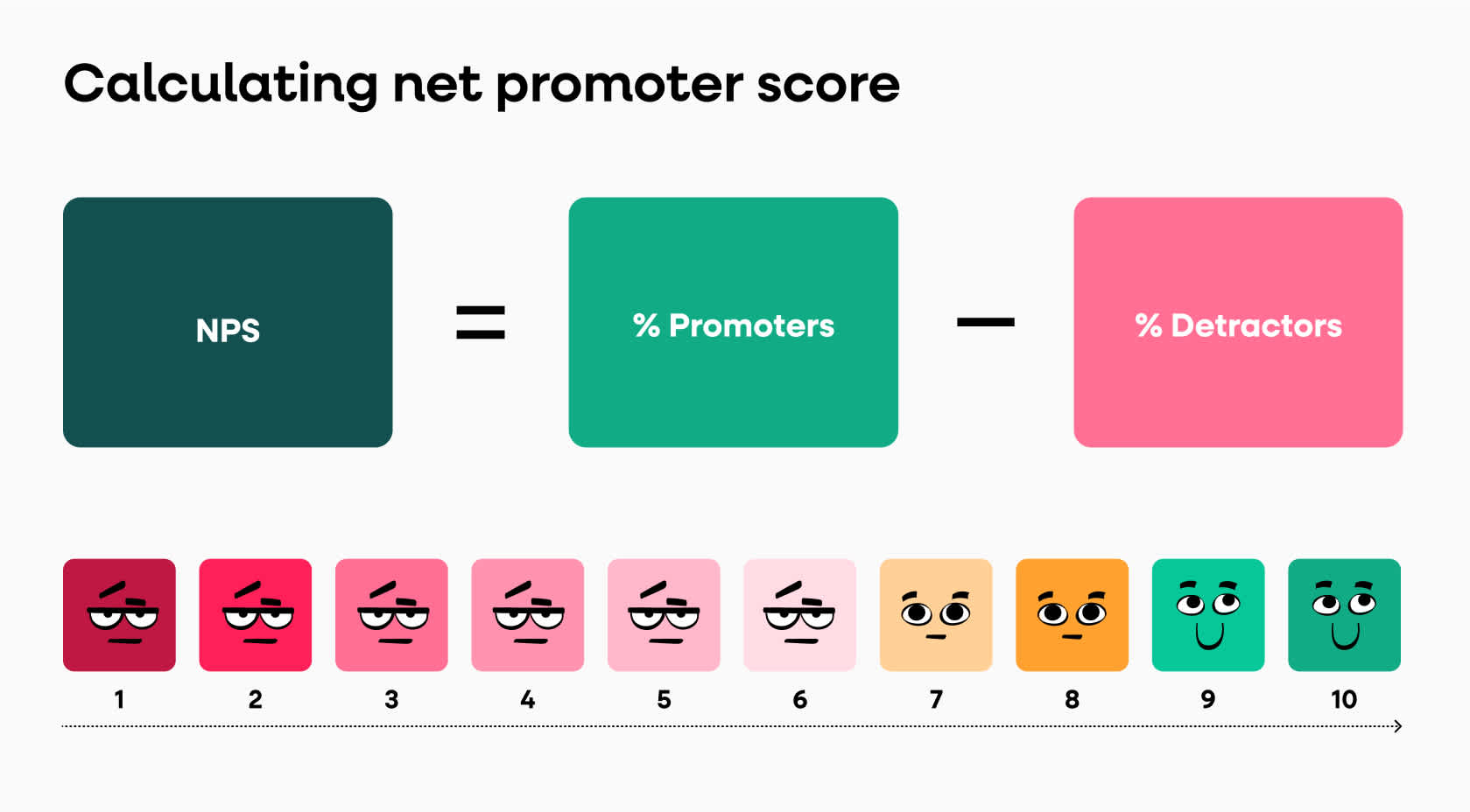
NPS asks customers how likely they are to recommend your company to others. It’s a quick shortcut to gauge sentiment, but it tells you more than “loyalty”—it gives early warning if people would steer their friends away, revealing both advocates and detractors. Don’t stop at the score: the reasons behind the rating will tell you where trust is gained or lost.
Customer Satisfaction (CSAT): Short-Term Pulse
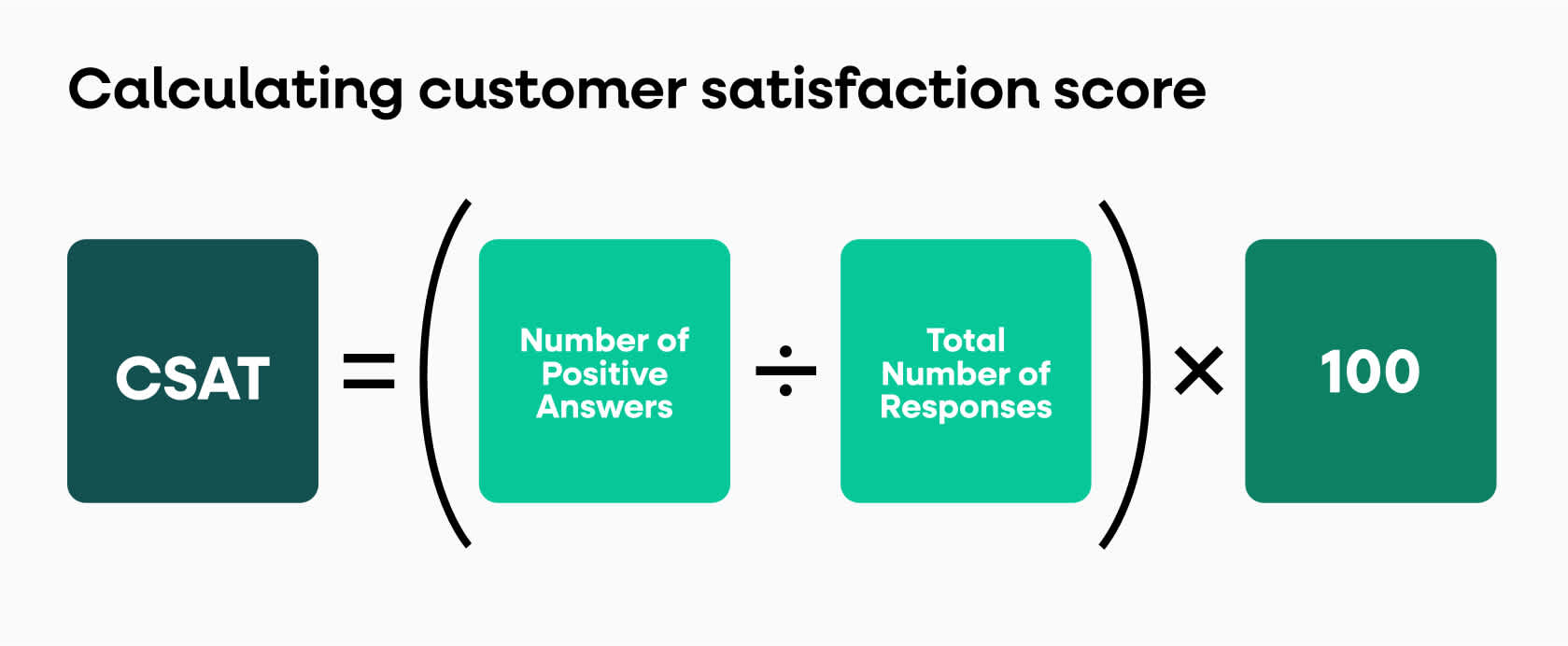
CSAT is your instant check-in after a specific interaction—a support call, a purchase, a delivery. Customers indicate how satisfied they are, typically on a five-point scale. You can track satisfaction at every touchpoint along the customer journey, but keep in mind this score can swing up or down day-to-day.
Customer Effort Score (CES): Friction Fixer
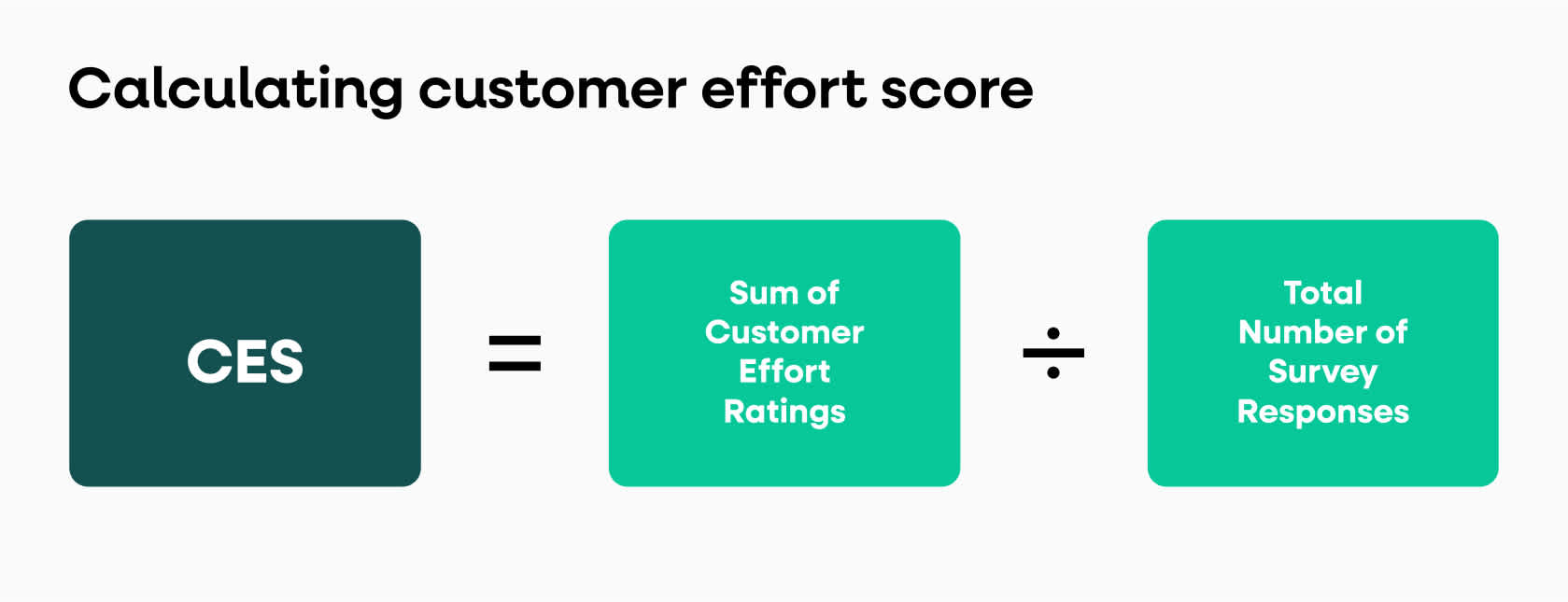
CES measures how easy it is for customers to get what they need, be it solving a problem or completing a purchase. The lower the effort, the more likely customers stick around. High-effort experiences drive people away, fast—CES shines a light there.
Customer Lifetime Value (CLV): Long-Term Health
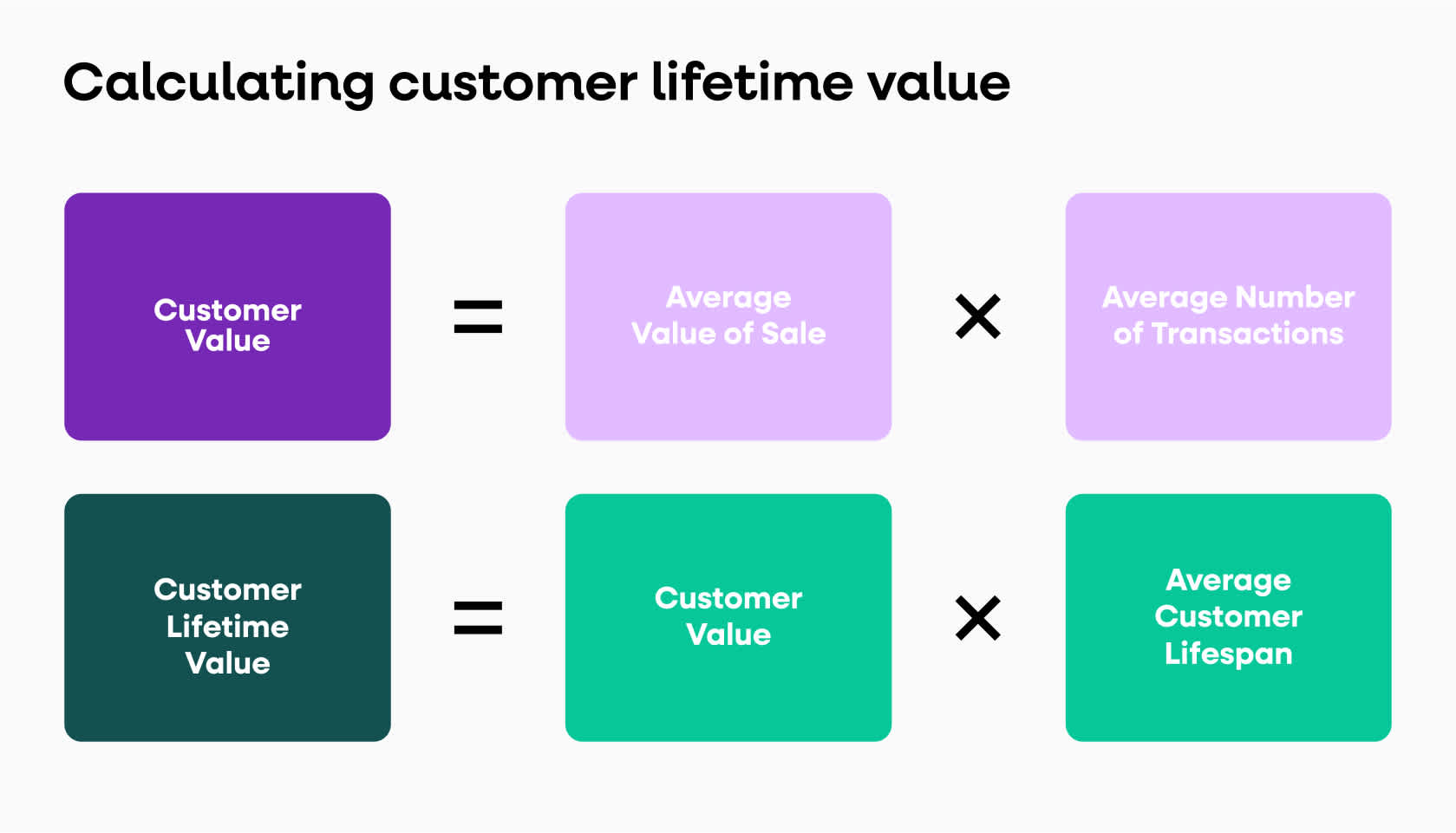
CLV predicts how much revenue you can expect from a single customer across their entire relationship with you. This number isn’t just about profit; it highlights which customers find enough value to stick around, and where you should invest more attention.
Retention & Churn Rate: Signs of Trouble or Triumph
Retention shows you how many customers keep coming back, while churn tells you who’s leaving. Taken together, these metrics provide real-time evidence of your customer experience—good or bad. Sudden dips? That’s a wake-up call it’s time to dig deeper.
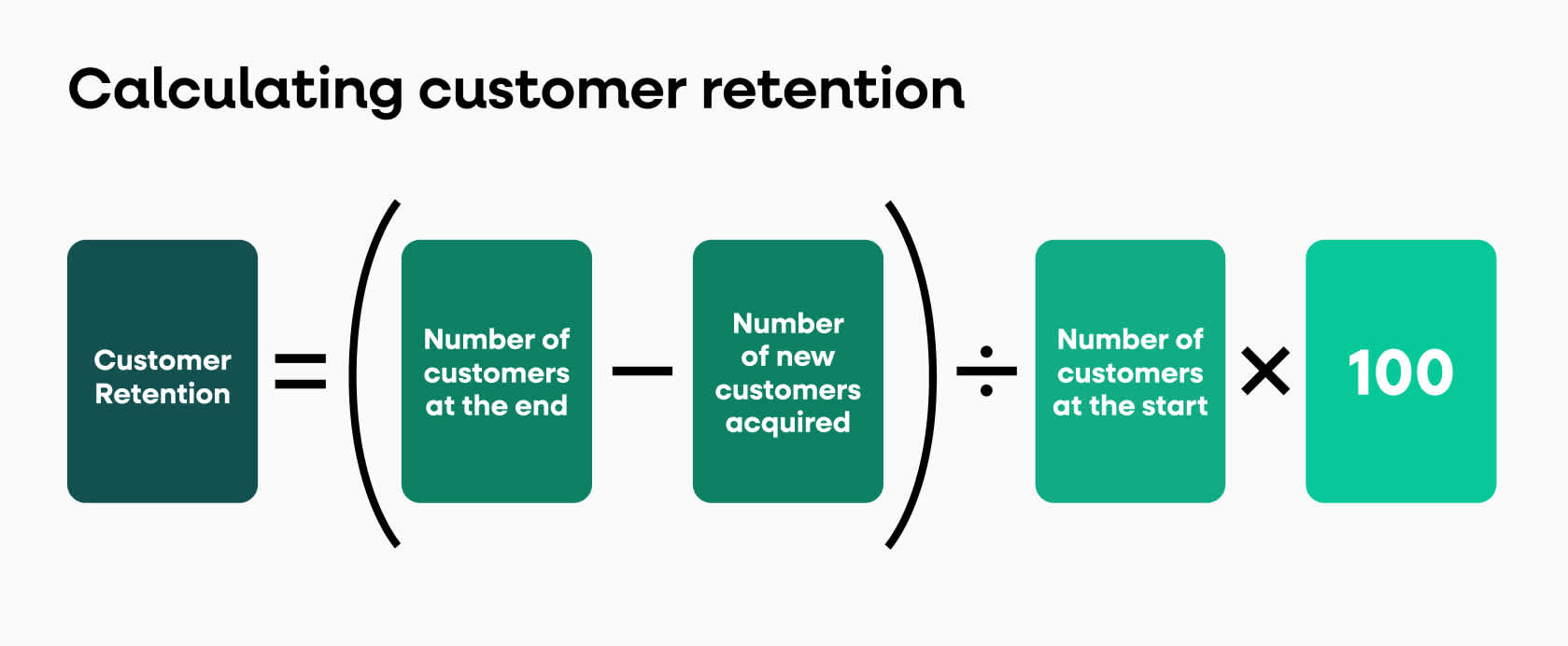
Metrics are powerful, but numbers alone can’t explain the full story behind customer experience. To get a deeper, clearer picture, it’s essential to pair these metrics with methods that reveal the real reasons driving those scores up or down.
Gathering Deeper Insights: Methods that Go Further
Direct Feedback: Surveys that Get Real Answers
Thoughtful surveys are a classic tool, but really useful only when crafted with care. Ditch yes-or-no checkboxes for targeted questions that invite stories and specifics. Short open-ended questions surface details you would otherwise miss. Timing also matters: ask users for feedback when their experience is fresh, not days or weeks later. And never hide the survey at the end of a lengthy process—immediacy sparks honesty.
Behavioral Data: Actions Over Words
Numbers don’t lie. Track where customers click, which features they use most, and the points where they drop off entirely. Session recordings and heatmaps reveal confusion or frustration long before it appears in a survey. These patterns show intentions, hesitations, and genuine pain points—even when customers don’t say a word.
Social Listening and Sentiment Analysis
Real opinions live outside your own website. Monitor what customers say about you in the wild—on forums, review sites, and social media. Automated tools can sweep through mountains of posts, highlighting emerging themes or common complaints. But go further: sentiment analysis can pick up sarcasm or subtle frustration, pointing to issues you might otherwise gloss over.
Customer Journey Mapping for Experience Gaps
Create a detailed map of each customer’s path, from first glance to post-purchase. Note every touchpoint and emotion. This approach uncovers the stages where confusion, delay, or disappointment crops up—spots that pure numbers rarely identify. It helps you visualize not just what’s happening, but why those patterns exist, turning scattered feedback into focused improvements.
Knowing how to dig into these layers is only useful if you know what to avoid along the way. Up next: the most common tripwires that can make even the best metrics lead you astray.
Thank you for reading EasyVC’s blog!
Are you looking for investors for your startup?
Try EasyVC for free and automate your investor outreach through portfolio founders!
Insights mean nothing if they stay hidden in a spreadsheet. Are you ready to see what your customers really feel—so you can act while it actually matters?
The next step is to transform those insights into a plan that dodges the most common mistakes and puts tangible improvements front and center.
Avoiding Common CX Measurement Mistakes
Focusing on Vanity Metrics
It’s tempting to celebrate high Net Promoter Scores or rising customer satisfaction rates. But if these numbers aren’t driving real changes—or aren’t linked to actual behaviors—you’re just chasing feel-good statistics. A spike in scores doesn’t always equal happier, more loyal customers or fewer complaints. Look past snapshot numbers and dig into what’s driving them.
Ignoring Qualitative Feedback
Numbers only tell part of the story. Open-text survey responses, call transcripts, and anecdotal feedback reveal frustrations, desires, and emotions that scores alone can’t. Skipping comments or ignoring recurring complaints means missing the “why” behind the scores. Qualitative insights can pinpoint issues you’d otherwise overlook.
Measuring in Silos instead of Holistically
Tracking satisfaction for each touchpoint separately—Billing, Support, Website—creates a fragmented view. Customers move between channels and remember their entire experience, not isolated steps. Measuring only by department can hide problems that happen between handoffs or during the whole journey. Bring different data sources together for a complete picture.
Avoiding these pitfalls helps your customer experience data become truly usable. Next, let’s see how you can move from measurement to action, making sure every insight leads to meaningful change.
Turning Customer Experience Data into Real Improvements
Identifying Pain Points With Precision
Instead of getting lost in rows of numbers, focus on where your data consistently flags trouble. Analyze patterns—perhaps a spike in complaints happens after checkout, or customers frequently drop off during onboarding. Layer in open-ended feedback: specific words and recurring themes will often reveal root causes faster than survey scores alone. High effort scores after support interactions? Dive deeper to uncover which step frustrates people the most.
Prioritizing Changes with Customer Impact in Mind
Not every issue demands immediate attention. Rank pain points based on frequency, severity, and how many customers they touch. Listen directly to customer voices: if many mention a complicated return policy, that’s an easy win. Sketch a simple cost-benefit table: will a tweak help lots of people, or just a few? Prioritize changes that make the biggest difference to the widest audience.
Embedding CX Insights Into Everyday Actions
Real progress comes when insights turn into habits. Share findings beyond the CX team—give product managers and designers a say in improvements. Use customer stories and real examples to explain why changes matter. Adjust processes: if late deliveries cause frustration, set up alerts for shipping delays, or empower frontline teams to resolve simple issues on the spot. Make “how does this affect the customer?” part of every decision.
With targeted improvements in motion, it’s vital to keep tracking their effects and stay agile. The next step: establishing practical routines for reviewing CX progress and adapting as customer needs evolve.
Measuring Customer Experience Better: Next Steps
Improving how you measure customer experience doesn’t end with choosing the right metrics—it’s about putting insights into motion. Once you have a clearer picture of what’s working and what needs fixing, it’s time to establish a routine. Start by regularly reviewing your data, not just when numbers dip or spike. Look for emerging patterns across channels and customer segments.
Share findings with all teams who influence the customer’s journey—from product design to support. The more hands you have on deck, the quicker issues get addressed and innovations take shape. Use visual dashboards to keep progress transparent and actionable.
Small tests pay off. When you spot a potential improvement, roll it out to a subset of customers, track the impact, and compare results. Quick wins motivate teams, while early warning signs prevent bigger setbacks.
If you’re not sure where to focus first, work backwards from customer complaints and compliments. These direct signals are often the fastest route to changes that matter.
Now that you have the tools to collect richer feedback and the habits to act on what you learn, it’s time to make sure you aren’t falling into the traps that can undermine your measurement efforts. Let’s look at where well-intentioned CX programs often go wrong—and how to avoid these pitfalls.