
Leadership Skills That Set You Apart


It’s often said that great leaders aren’t born—they’re made. In today’s fast-changing world, leadership isn’t just for managers or CEOs; studies show that 77% of organizations report a leadership gap, and people at every level are expected to step up, solve problems, and help others succeed. But what truly makes someone stand out as a leader?
Leadership skills go far beyond giving orders or having the loudest voice in the room. They’re about building trust, navigating uncertainty, and inspiring people—even when things get tough. Whether you’re leading a project, helping teammates, or guiding yourself through daily challenges, certain skills can make all the difference. Let’s explore which leadership skills really set people apart, and how you can start building them—no matter where you are today.
Understanding Leadership Skills
What Counts as a Leadership Skill?
Leadership skills go far beyond giving orders or holding a job title. They are qualities and behaviors that help you influence, inspire, and guide people—whether you have direct authority or not. These skills include the ability to listen closely, make thoughtful decisions under pressure, and rally a group around a shared goal. Creativity, empathy, and self-awareness are just as essential as setting direction or solving problems. What truly sets someone apart is how they bring out the best in others and create an atmosphere where collaboration and growth happen naturally.
Why Leadership Skills Matter for Everyone
You don’t need to be a manager to use leadership skills. Anywhere people work together—classrooms, community groups, or project teams—strong leadership makes a difference. When you communicate clearly, take initiative, or encourage input from others, you help your group adapt and succeed. These qualities can open doors in your career, deepen relationships, and boost overall confidence. Real leadership isn’t limited to a title; it’s about how you support and empower those around you.
With a clearer view of what leadership skills truly involve, let’s take a closer look at the qualities that define standout leaders—and how you can adopt them yourself.
Core Leadership Skills Explained
Communication You Can Trust
Genuine communication means saying what you mean and backing it up with action. Instead of overpromising or sugarcoating, strong leaders choose candor. They share updates—even the tough ones—before staff start guessing. The result? Others trust, respond openly, and follow through, because they know where things stand.
Taking Initiative and Owning Decisions
The leaders who stand out aren’t waiting for perfect conditions. They spot an opportunity or a challenge and step forward, willing to be responsible for the outcome. When things don’t work out, the best leaders don’t deflect blame or make excuses—they course-correct and show what real accountability looks like.
Motivating People—Not Just Managing Them
True motivation isn’t achieved through pep talks or perks alone. It’s the result of noticing genuine effort, recognizing individual strengths, and making people feel their contributions matter. Effective leaders align tasks with team members’ interests and show how each role fits into the bigger purpose.
Adaptability in a Changing World
Markets shift, plans collapse, and disruptions are inevitable. A strong leader doesn’t just react—they scan the horizon, spot trends, and adjust quickly. This readiness to pivot not only keeps projects on track but gives teams permission to be creative instead of anxious in the face of uncertainty.
Thinking Critically and Strategically
Critical thinking is about asking sharp questions: What are we missing? How does this decision impact the long term? Strategic leaders connect the dots, seeing not just the next step but the steps after that. They encourage their teams to weigh evidence—not just gut feeling—when making decisions.
Conflict Resolution with Lasting Results
Disagreements are inevitable, but unresolved tensions stall progress. Effective leaders address issues quickly, guiding conversations so everyone feels heard. Instead of patchwork solutions, they foster win-win outcomes, dissolving resentment and clearing the path for stronger collaboration.
With these core skills in your toolkit, leadership is more than a title—it’s about shaping real change with your team. Next, let’s see what these skills actually look like in action through real stories and examples.
Examples of Leadership Skills in Action
Story: Turning Around an Unmotivated Team
When a small group of designers lost steam after a key project failed, their new team leader didn’t step in with lectures or punishment. Instead, she scheduled one-on-one conversations and listened to frustrations. She then set up quick-win design challenges, allowing the team to regain confidence. Within weeks, participation climbed and fresh ideas surfaced, setting a new energy for their next campaign.
Story: Guiding Through Uncertainty
During a company-wide software migration, unexpected bugs caused confusion and halted progress. Rather than blame or avoid the issue, a project manager gathered the team for a short huddle. He admitted what wasn’t working, shared a clear plan for troubleshooting, and updated everyone on next steps each morning. This transparency helped the group stay calm, focused, and resilient—pivoting together until the migration was successful.
Story: Building Trust from Day One
On her first week as a restaurant manager, Mia spent time working every station, from kitchen to front of house. She joined staff meetings not to direct, but to ask questions. By sharing positive feedback and inviting ideas for improvement, she established a rapport with her team. Staff felt seen and valued, which translated into better service and a noticeable boost in morale.
These real-world stories show that leadership shines brightest when put into practice. If you’re inspired to try these approaches yourself, understanding how to build such skills is the natural place to start next.
Thank you for reading EasyVC’s blog!
Are you looking for investors for your startup?
Try EasyVC for free and automate your investor outreach through portfolio founders!
Ready to see real changes in how people respond to your ideas? Every leader begins with simple steps that build into something bigger. If you’re curious what you can do right now to grow, you’re on the brink of practical progress.
In the next section, you’ll find clear actions and real tips—no guesswork or generic advice. Let’s break down the path from aspiring leader to confident action-taker, one simple move at a time.
[CTA-HOOK]How to Develop Leadership Skills—Step by Step
Assess Your Current Skills Honestly
Strong leadership starts with knowing where you stand. Instead of glossing over your weak spots, take a close look at how you manage tasks, talk to teammates, and handle stress. Write down what you do well and what you tend to avoid. Keep this list handy—it will shape your growth.
Simple Ways to Practice Leadership Every Day
You don’t need big projects to flex your leadership muscles. Volunteer to lead a small team meeting, mediate during a minor disagreement, or organize a group lunch. Small actions teach you how to communicate, coordinate, and take responsibility, all without waiting for a formal title.
Finding Feedback That Actually Helps
Feedback is a shortcut to growth when it’s specific and honest. Ask a colleague to observe you in action and pinpoint what you nailed and what fell flat. Make it clear you want practical advice, not empty praise. Over time, these insights turn into targeted improvements.
Learning from Real-World Leaders
See how proven leaders operate by shadowing them, reading their stories, or watching interviews. Pay attention to what they do in tough situations, not just their big wins. If you spot a tactic or mindset that resonates, experiment with it yourself.
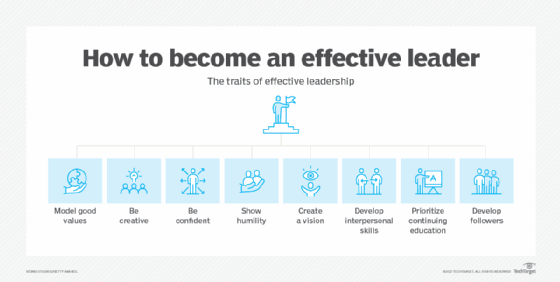
Genuine leadership growth isn’t about ticking boxes—it’s about setting up an environment where self-reflection, practice, feedback, and real-world observation become regular habits. As you move forward, you’ll want to put these skills to work in a meaningful way, making leadership an everyday reality—one step at a time.
Moving Forward: Applying Leadership Skills
Setting Personal Growth Milestones
Progress in leadership doesn’t happen overnight—it’s the result of clear goals and consistent reflection. Start by pinpointing one specific skill you’d like to strengthen, such as giving clearer feedback or navigating high-pressure conversations. Determine what “better” looks like in practice and jot down some markers for success. This might be something concrete, like receiving unprompted positive feedback from a colleague, or feeling less anxious during meetings. Regularly review these milestones so you stay aware of your progress and adjust your path as you learn more about yourself and your team.
Making Leadership a Habit, Not a Buzzword
Leadership isn’t a title—it’s how you behave when others are watching and, just as importantly, when they aren’t. Build leadership into your daily routine by asking thoughtful questions, volunteering solutions, and recognizing the wins (big or small) in others. Over time, these habits begin to shape the environment around you. Before long, leading by example feels natural, not forced.
Every step you take towards real, practiced leadership builds a foundation for deeper impact on your work and on those around you. Next, you’ll discover how to take your growth from theory and reflection into practical, everyday action that propels not just yourself, but your whole team, forward.