
Investor Net Promoter Score: What It Is and Why It Matters

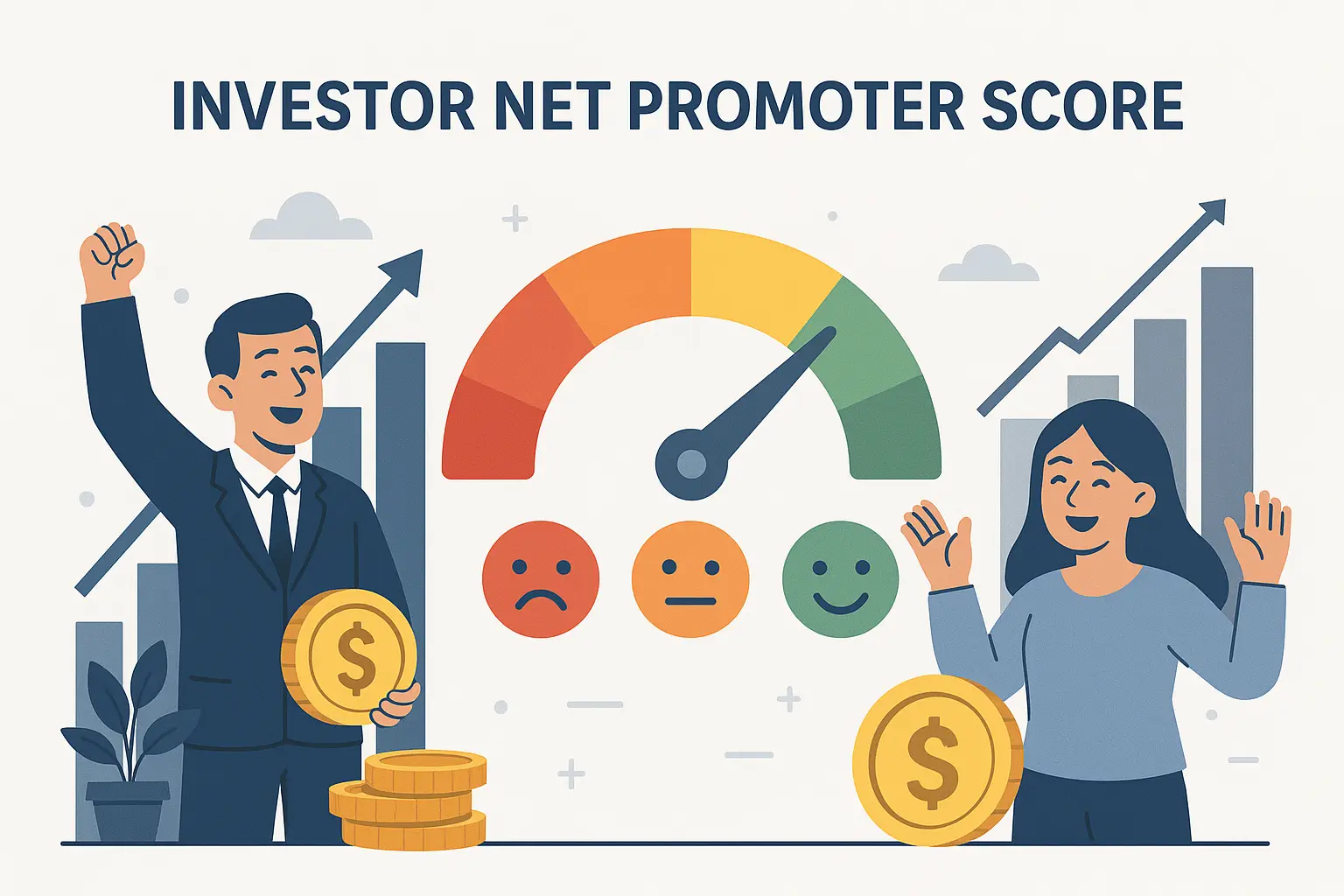
When it comes to building strong relationships with investors, your gut feeling isn’t enough. Investor Net Promoter Score (NPS) gives you a real, measurable way to find out if your investors would actually recommend your fund or startup to others. Why does this matter? A recent study by Bain & Company showed that companies with higher NPS scores grow over twice as fast as their competitors. The same applies when it comes to investors: a genuinely satisfied investor isn’t just more likely to reinvest—they may also send new opportunities your way.
Understanding what investor NPS is, how to measure it, and what those numbers tell you can reveal hidden strengths or pain points in your communication and transparency. In this article, you’ll learn what makes investor NPS different from the regular customer NPS, why it’s increasingly important in today’s startup and fund management world, and how you can start gathering meaningful feedback from the people who finance your vision.
Understanding Investor Net Promoter Score (NPS)
How Investor NPS Differs from Customer NPS
Net Promoter Score, or NPS, typically measures customer loyalty by asking, “How likely are you to recommend our business to a friend or colleague?” When it comes to investors, however, the context shifts. Investor NPS asks investors how likely they are to recommend a fund, startup, or firm to other potential backers. Rather than focusing on product satisfaction or customer service, Investor NPS pinpoints how investors feel about their partnership, the transparency they experience, and, crucially, their trust in the leadership team.
Unlike customer NPS, where users often judge based on direct product experience, investor NPS scores reflect deeper factors: confidence in financial stewardship, the effectiveness of communication, and the perceived ability of founders to deliver on promises. This subtle but important difference means that raising Investor NPS hinges less on flashy launches and more on long-term value creation and honest relationships.
Why Investors’ Feedback Should Matter to Founders
Investors are more than a source of funding—they are advocates in your network. A high Investor NPS means your current backers are not only satisfied, but willing to put their name on the line for you. Their willingness to refer new investors, participate in future rounds, or offer support during challenges speaks volumes about your reputation in the investment community.
Ignoring investor sentiment can have real consequences. Disengaged investors may hesitate to provide introductions, or worse, dampen your reputation through candid feedback to their peers. On the other hand, collecting and acting on investor feedback strengthens partnerships and lays the groundwork for future fundraising success.
Now that you’re familiar with what sets Investor NPS apart and why this score carries weight, let’s dive into the nuts and bolts of how to accurately measure it for your own investor base.
Measuring Your Investor Net Promoter Score
Designing Investor-Focused NPS Surveys
Start by building a survey that speaks directly to your investors’ unique experiences. Traditional NPS surveys ask, “How likely are you to recommend us to a friend or colleague?”—but the context matters. Instead, use language investors relate to: queries about their confidence in your team, the clarity of your communications, or their satisfaction with your reporting cadence. Keep the survey short and specific, respecting your investors’ time and experience.
Sample Survey Questions for Investors
One core question does the heavy lifting: “On a scale from 0 to 10, how likely are you to recommend investing with our fund/startup to another investor?” Augment this with targeted follow-ups. For example, ask: “What’s the primary reason for your score?”, “How do you feel about the transparency of our updates?” or “What would improve your experience with our investor relations?” Open-ended responses reveal what your investors care about most.
Interpreting Investor NPS Results
The final step is turning scores into insight. Calculate your score by subtracting the percentage of Detractors (0-6) from Promoters (9-10). Passives (7-8) simply maintain your current reputation but don’t actively refer. Take note: investor NPS results can be more nuanced than those from customers. Look for comment trends—do investors mention trust or communication more than returns? Use this detail to pinpoint both strengths and priorities for change.
Now that you know how to measure your investor NPS, the logical next step is turning that data into meaningful change—so you can build even stronger relationships and outperform the status quo.
Ready to Turn Your Investors into Raving Fans?
Your investors’ opinions can signal strengths to build on or cracks to repair. Actively measuring and acting on their feedback doesn’t just help retain capital—it sparks deeper trust and advocacy, opening doors to new opportunities (and introductions).
If you’re curious whether your investor relationships are truly thriving or simply “fine,” a focused approach to Net Promoter Score can reveal the honest answers hiding in plain sight.
Curious how to actually implement Investor NPS in your next round or board update? Let’s explore practical steps you can take right away. For more insights on engaging investors effectively, check out our investor update engagement tips.
Thank you for reading EasyVC’s blog!
Are you looking for investors for your startup?
Try EasyVC for free and automate your investor outreach through portfolio founders!
Best Practices for Improving Investor NPS
Turning Feedback into Relationship-Strengthening Action
Every NPS response is an opportunity, not a performance review. Don’t just track scores—dive into the handwritten comments and specific points investors share. Where a low score signals disappointment, treat it as a starting line for dialogue. Respond personally to critical feedback, even if it’s uncomfortable. Ask clarifying questions and follow up with updates on how you’re addressing concerns, whether it’s about reporting, communication cadence, or portfolio transparency.
For high scores, don’t settle for thanks. Invite your biggest promoters to share advice with your team, participate in closed Q&As, or test new investor updates before you release them more broadly. Turning advocates into active partners tightens trust and encourages more candid input down the line.
Real-World Examples from Startup and Fund Manager Perspectives
One early-stage startup noticed its quarterly investor updates generated lukewarm NPS results—investors wanted more concrete metrics, not just stories. The founder started sending a detailed one-pager with key KPIs alongside the regular update. Within two cycles, NPS scores rose, and investor follow-up questions doubled, sparking fresh strategic conversations.
A venture fund, after receiving feedback that their fund performance dashboards were difficult to interpret, worked with two of their most engaged investors to redesign the interface. The result: a cleaner dashboard and higher NPS, but also an ongoing feedback loop that drove product improvements far beyond the original complaint.
Improving investor NPS is less about chasing a number and more about putting voices into action. In the next section, we’ll look at the habits of firms that use this metric to sharpen their competitive edge and earn long-term loyalty from their partners.
How Top Firms Use Investor NPS to Stay Competitive
Sharing Results Internally and Externally
Leading investment firms take investor Net Promoter Score seriously, using it as a temperature check on their relationships. But it’s not just about gathering scores—they act on the insights. Internally, NPS results become a talking point during decision-making, especially when shaping communication strategies. Teams analyze recurring themes, whether it’s feedback about reporting clarity or desire for more proactive updates. The most responsive firms share these findings across investor relations, leadership, and operations, ensuring everyone’s aligned not just on numbers, but on the specific investor concerns behind them.
Externally, some firms go a step further by sharing distilled NPS insights with their investors, showcasing which areas they’re improving and what actions they’ve already taken. This transparency builds trust, reinforces accountability, and signals a commitment to investor satisfaction far beyond quarterly returns.
Investor NPS Benchmarks: What Good Looks Like
Knowing your NPS is only the beginning; context is everything. Top-performing firms don’t just compare their score to last year—they measure themselves against industry benchmarks. In private equity and venture capital, for instance, NPS scores above 60 are considered excellent, while anything below 40 is usually a red flag. These benchmarks help firms understand where they truly stand: are they setting the standard or lagging behind?
Some firms even participate in anonymous industry surveys or collaborate with investor associations for up-to-date NPS data. This allows them to spot trends, adapt to changing expectations, and even identify new opportunities for differentiation. Rather than chasing an arbitrary number, they focus on continuous improvement, always seeking fresh ways to surprise and delight their investors.
By examining how leading firms turn investor sentiment into a strategic advantage, it becomes clear that effective use of NPS is less about the score itself and more about how you respond. Next, let’s explore practical steps to move the needle—and, more importantly, turn investor feedback into lasting loyalty.
Frequently Asked Questions on Investor Net Promoter Score
What is an Investor Net Promoter Score?
It’s a simple metric that reveals how likely your investors are to recommend you to other potential investors, founders, or partners. The score is based on direct feedback and is a quick health check for your investor relationships.
How do you calculate Investor NPS?
Ask your investors, “How likely are you to recommend us to another investor?” on a scale from 0 to 10. Subtract the percentage of detractors (scores of 0–6) from promoters (scores of 9–10). The result is your Investor NPS.
Why should founders care about Investor NPS?
A high Investor NPS means your investors trust you—and investors talking positively can open doors to future capital and connections. A low NPS can reveal issues early, before they threaten your fundraising or board dynamics.
Can NPS help attract new investors?
Yes. A strong NPS acts like word-of-mouth for your cap table. Prospective investors often ask current backers about their experience, and an impressive NPS shows you value transparency and trust.
How often should Investor NPS be measured?
It’s best to check in at least once a year, or after significant company milestones. This routine keeps you tuned in to investor sentiment and signals that you take feedback seriously.
What’s a “good” Investor NPS score?
Scores can vary by industry and stage, but generally, anything above 30 is positive. Elite startups and funds may score 50 or higher, signaling a truly loyal investor base.
Ready to dive deeper? Let’s explore real-life strategies to turn feedback into stronger investor relationships—and see how top firms act on what they learn.