
Investor Matching: How to Connect Your Startup With the Right Investors

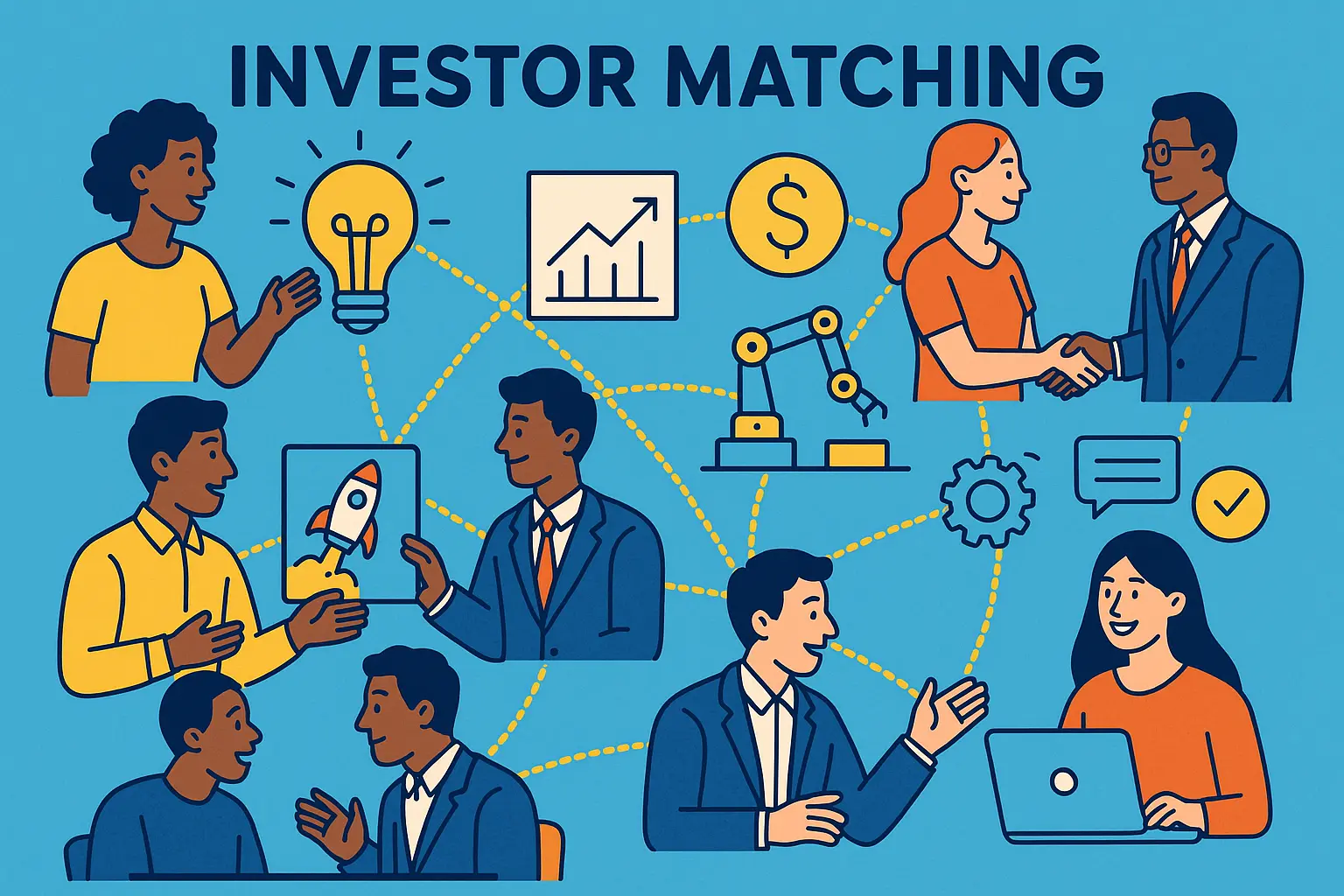
But with so many funding options and platforms out there, figuring out where to start—and how to stand out—can feel overwhelming. This article breaks down the basics of investor matching, so you’ll know what to expect, how to prepare, and how to find those investors who genuinely fit your goals and values. Whether you’re starting out or looking to scale, knowing how to make the right connections can shape the journey ahead.
What Is Investor Matching and Why Does It Matter?
Investor matching is the process of connecting startups with investors who align with their goals, stage, and industry. Instead of pitching to an endless list of contacts, founders receive introductions to people who actually have an interest in projects like theirs. This approach replaces the frantic, one-size-fits-all outreach with something far more targeted and efficient.
How investor matching platforms work
Investor matching platforms operate like dating apps, but for startups and investors. Founders create detailed profiles, sharing information about their company, traction, and fundraising needs. Investors do the same, listing their interests, deal sizes, and preferred sectors. Algorithms or search filters then connect compatible parties, serving up matches that save everyone hours of guesswork and research.
The best platforms also provide insights into investors’ backgrounds and past investments, letting founders tailor their approach before even sending a message. Some tools even track communication, so both parties know where things stand in the process. It’s not just about finding capital; it’s about finding the right capital.
Investor matching vs. cold outreach
Cold outreach often feels like shouting into the void, with low odds of response and little feedback to guide you. Investor matching flips the script: you target people who already want to hear from founders in your space. This means fewer wasted emails and less time spent combing LinkedIn or spreadsheets for relevant angels and VCs. When you connect through a platform designed for matching, your pitch is more likely to land in front of someone who genuinely fits your startup’s needs—and is ready to engage.
Understanding how founder-investor matchmaking operates sets the stage for comparing the many different formats this connection can take. Up next, you’ll discover the varied routes—from tech-automated platforms to personal introductions—that startups can use to spark those critical first conversations.
Types of Investor Matching: Platforms, Networks, and Personal Introductions
Automated investor databases
If you want scale and speed, automated investor platforms are often the first stop. These tools—think Crunchbase, Gust, or AngelList—let you filter thousands of investors by sector, ticket size, or location. You upload your details, and in some cases, algorithms will suggest matches based on your startup’s profile. It’s high-volume, low-touch, but efficient for building a shortlist or getting early traction.
Community-driven introductions
Sometimes, direct access isn’t enough. Community or cohort-driven networks like Y Combinator, Techstars, or founder Slack groups focus on connections built on trust and experience. Here, intros usually come through fellow founders, mentors, or industry insiders who have a vested interest in your success. Warm intros from these channels tend to get a more thoughtful response from investors because there’s real social credibility behind each introduction. For more on this, see our post on warm intros startup funding.
Niche, industry-specific options
Some sectors move fast and require specialized knowledge. For deeptech, climate, or healthcare startups, there are bespoke networks—often run by accelerators, trade associations, or even LinkedIn groups—organizing pitch days, investor roundtables, or curated email lists. These highly targeted communities can mean fewer matches, but the alignment and expertise of participants are usually spot on. If your company doesn’t fit the usual molds, this route can open doors that algorithms or broad matchmaking sites rarely reach.
Each approach offers its own mix of reach, relevance, and relationship-building. As you decide where to invest your energy, it’s also worth considering how to stand out in these channels—a topic we’ll dive into next.
How to Prepare for Investor Matching Success
Making your pitch stand out
Startups get only seconds to grab an investor’s attention—so your pitch needs to instantly communicate both the problem and your edge. Avoid buzzwords and focus on clarity. Show exactly why your solution matters, who needs it, and how you’re different from the noise. Pair your story with numbers: a crystal-clear traction metric, an audacious but defendable growth vision, and a founder “why” that feels authentic. This isn’t the place for laundry lists; let every sentence earn its spot.
Key information to share with investors
Investors have pattern-matching radar—they look for credible signals fast. Don’t send them hunting: provide a one-page summary with team background, market size, business model, revenue (or users), milestones, and existing investors (if any). Highlight customer wins, notable advisors, and concrete evidence of your product in the wild—screenshots, testimonials, or a live demo link do wonders.

If you’re in regulated spaces or have defensible tech, mention your unique assets, IP, or regulatory status up front. The more friction you remove from their review, the faster you move to a real conversation.
Choosing the best-fit investors for your stage
If you’ve just launched, skip the mega-funds and focus on angels or early-stage groups known for backing your sector. Study investor portfolios for recent, relevant deals; flag any that have previously funded near competitors (they’ll likely pass, and you risk leaking insights). Some investor groups share industry theses—reference these and explain how you fit. At each stage, a tailored list beats a scattershot blast every time: being selective signals confidence in your vision and discipline as a founder.
Getting your pitch and investor list in order is just the start—making the most of the actual matching process will determine how fast doors open and real conversations begin.
Thank you for reading EasyVC’s blog!
Are you looking for investors for your startup?
Try EasyVC for free and automate your investor outreach through portfolio founders!
Your dream investor isn’t just a check-writer—they’re your startup’s future champion. Ready to stop guessing and start connecting with people who believe in your mission? Explore smart, targeted investor matching channels designed for ambitious founders, not just another name in a database.
By making a few intentional moves now, you can open doors to investors who resonate with what you’re building—without drowning in cold emails or inefficient networking. Let’s break down concrete strategies that help you stand out and maximize your chances of landing the right partnership for the next vital stage of your company.
[CTA-HOOK]Tips for Maximizing Results From Investor Matching Tools
Crafting a compelling company profile
Your company profile is the first handshake with potential investors—it must spark curiosity and communicate credibility. Don’t just copy-paste your elevator pitch. Highlight real problems you’re solving, quantifiable traction, and what sets you apart—whether it’s groundbreaking tech, rapid customer growth, or a unique insight about your market. Use high-quality visuals and graphics if the platform allows.
Personalized outreach strategies
Investor platforms may surface suggested matches, but blasting the same generic message rarely works. Take the time to understand each investor’s focus—past deals, industries, regions, check size—and craft a short, direct message that references this. “I noticed you backed X company in fintech; we’re tackling a similar challenge for Y market.” This shows you’ve done your homework and value their time.
Following up and tracking investor engagement
Once you’ve initiated contact, don’t let messages fall into the void. Track who opens your profile or responds, and follow up thoughtfully—no spammy reminders. Instead, briefly share new milestones or updates every few weeks to keep the conversation warm. Most platforms have analytics dashboards; use these insights to refine your approach and focus your efforts on investors showing real interest.
With these techniques, you’ll stand out in a crowded field and make the most of any investor matching tool. As you take these efforts further, it helps to understand exactly what investors themselves care about when evaluating new opportunities.
Beyond Matching: What Investors Look For in Startups
Signals of strong founders
When investors look through pitches, one thing stands out above all: the team running the show. It’s rarely about having the perfect résumé. Instead, investors pay close attention to founders who show grit, quick learning, and a relentless drive to solve problems. They look for leaders who can adapt when things zig and zag—those who’ve shown resilience by pivoting when an initial idea didn’t pan out or by executing an MVP with very limited resources. Communication matters, too: being able to clearly articulate the company vision and answer tough questions speaks volumes about a founder’s leadership potential.
Business model and traction
Ideas are everywhere, but investors seek startups with a roadmap to sustainability. They pay careful attention to how you plan to make money—and if customers actually want your solution. Simple, realistic business models tend to win trust more easily than overcomplicated projections. Reliable, honest traction numbers will outshine lofty, speculative claims. Even small wins, like early users or pilot partnerships, show that your startup exists beyond a pitch deck. If your metrics are tracking in the right direction (users, revenue, retention), highlight that clearly.
Building lasting investor relationships
Investors don’t want to simply write a check; they want a constructive partnership. Responsiveness, openness to feedback, and an ability to build rapport all play a role in shaping their impression. Trust grows over multiple interactions—not just the first meeting. Many investors also value founders who update them regularly and keep lines of communication open, especially during tough moments. Demonstrating that you treat investors as long-term allies, not just sources of capital, can set your startup apart from others.
Understanding how investors evaluate startups is just the first step. Next, it’s time to look at leading platforms that can help you put those strengths on display and connect with the right backers.
Popular Investor Matching Platforms: Features, Pros & Cons
AngelList
AngelList stands out as a go-to platform for startups seeking their first or follow-on investors. The site connects founders with thousands of accredited angels and micro VCs, making it a huge digital rolodex for fundraising rounds.
Features: AngelList offers fundraising profiles, job boards, and access to syndicates—where multiple investors pool funds to back a startup. It also provides tools for sharing updates and compliance management.
Pros: Massive network; streamlined fundraising; direct messaging to investors; trusted brand among angels.
Cons: Profiles can get buried among thousands of startups; limited investor filters; real traction often needed to stand out; most active for early-stage, not later growth rounds.
Gust
Designed as a one-stop resource for early-stage companies, Gust matches startups with a global network of investors and accelerators. The platform is especially popular with founders looking for structure as they begin fundraising.
Features: Gust guides founders through profile creation, document uploads, and investor-targeting. Startups can apply to angel groups, accelerators, or respond to targeted investor interest.
Pros: Intuitive onboarding; access to curated investor groups; robust application management; offers legal templates and resources.
Cons: Less dynamic investor communication than competitors; slower process compared to direct outreach; not all listed groups are highly active.
Visible
While known for its investor update tools, Visible also connects startups with relevant investors through its free Match tool. The focus is on nurturing ongoing investor relationships, not just pitching once.
Features: Personalized matching based on company profile; in-app messaging; tracking investor engagement; tools for regular performance updates.
Pros: Excellent for founders who value transparency and regular communication; actively surfaces investor interest; updates build trust with current and potential backers.
Cons: Investor pool is smaller than some larger platforms; performance updates require consistent attention; less effective for cold pitch blasts.
Other notable options
Several niche and emerging platforms aim to fill specific gaps. SeedInvest caters to US-based startups seeking equity crowdfunding and has strict vetting criteria. Crunchbase lets you research investors but requires manual outreach. VC4A focuses on African startup ecosystems and early-stage investment.
Pros: Niche focus can mean more targeted investor matches; global reach for certain geographies or industries; some offer highly engaged communities.
Cons: May require application fees; network size varies widely; success often depends on founder proactivity.
Knowing the best platforms is just the start—how you present your company has a major impact on attracting investor interest. Let’s look at proven ways to craft a magnetic startup profile and boost your visibility to the right backers.
Frequently Asked Questions About Investor Matching
How do I know if an investor is right for my startup? The best investor for your startup is someone who understands your business model, has experience in your market, and is comfortable with your stage of growth. Look for alignment on values, vision, and the level of involvement you want. Don’t just focus on capital—the right investor brings advice, connections, and credibility.
Will using a matching platform guarantee funding? No platform can guarantee funding—investor matching tools help you get introductions and visibility, but whether you secure investment depends on your pitch, traction, and fit. Think of these tools as doors; it’s up to you to walk through them prepared.
What should I include in my investor profile? Share your unique value proposition, market opportunity, traction to date, founder backgrounds, and funding requirements. Being specific helps the right investors find you and evaluate your potential quickly.
Is investor matching only for tech startups? Not at all. While many platforms started with tech focus, there are now options for consumer products, social enterprises, biotech, retail, and more. Just look for platforms or communities aligned with your sector.
How do I avoid bad actors or scams? Research investors before sharing confidential info. Look for verifiable track records, check references, and ask for introductions from mutual connections when possible. Legitimate investors will never ask for personal payments to review your pitch.
Now that you have clarity on common questions, let’s dive into hands-on strategies to get the most from these tools and connect with the right investors faster.