
Startup Funding Stages: A Practical Guide to Every Step

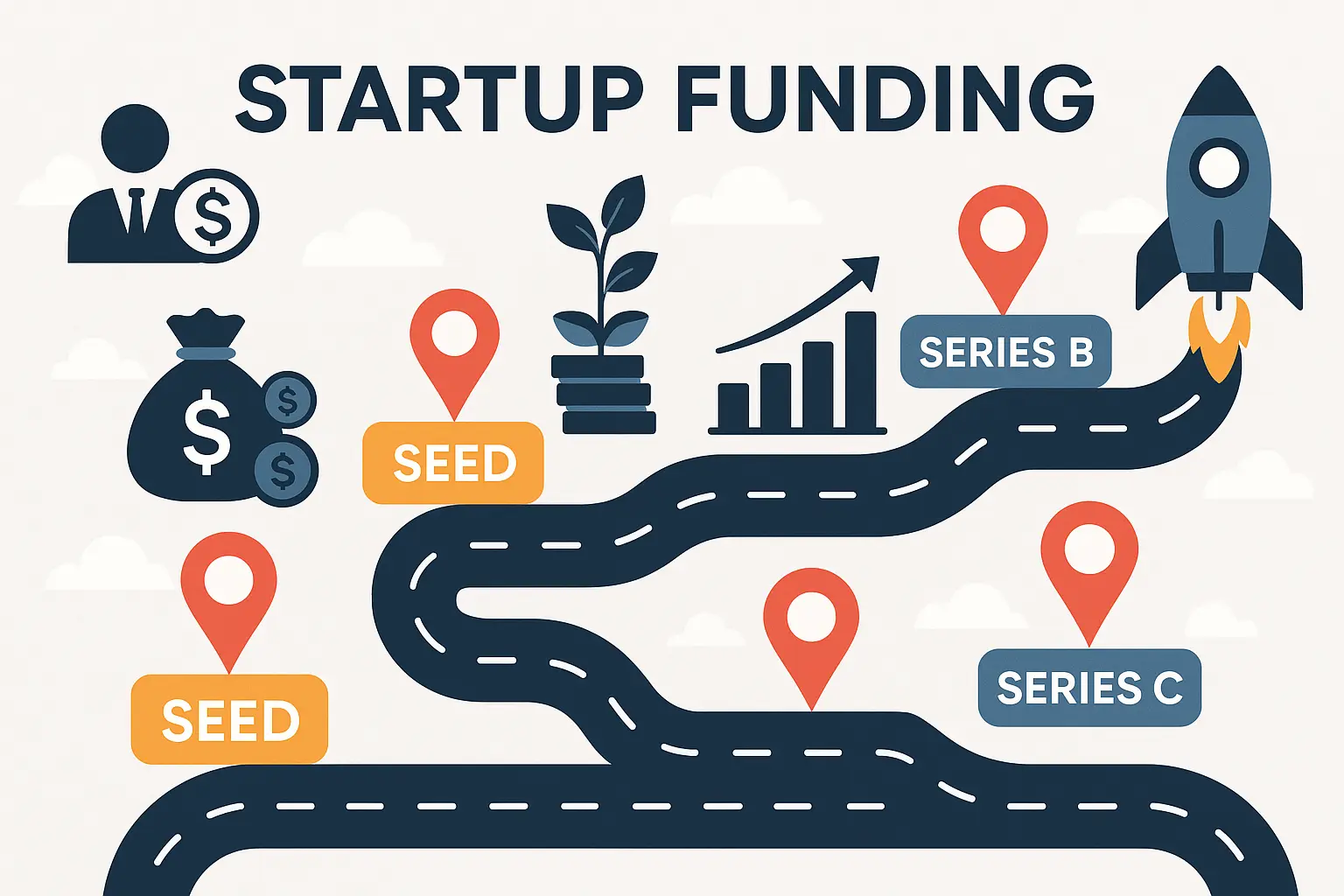
How Startup Funding Stages Work
Why funding is broken into stages
Raising money in stages gives startups and investors a way to control risk and reward. Instead of handing over a mountain of cash at once, funding is divided into phases, each tied to specific milestones. This approach lets founders prove what they can do before moving on to larger investments, and investors get a chance to check progress before committing more money. As a startup grows, its needs change—and so do the expectations of those backing it.
How funding shapes startup growth
The amount and type of funding a startup raises at each stage influences almost everything: team size, product development, go-to-market plans, and even who gets a seat at the table. Early rounds might fund research or prototypes, while later stages can fuel hiring sprees or major marketing pushes. This step-by-step support means a startup can evolve as it proves its concept, finds customers, and ultimately aims for scale. Each round builds on the last, creating pressure to hit new targets and opening doors to new possibilities.
Understanding this stepwise journey is key for any entrepreneur: it sets the tempo for growth and determines what’s possible at each point on the roadmap. Next, let’s look closely at what each stage involves and how founders can navigate the checkpoints that define the startup funding path.
Breakdown of Startup Funding Stages
Pre-Seed: Testing the Waters
This is where founders chip away at their vision with their own savings or support from close friends. The business idea is raw—maybe a prototype, maybe just brainstorming. Risks are highest here, and funding amounts tend to be modest, just enough to get early validation or basic development off the ground.
Seed: Turning an Idea Into a Business
With a prototype or early user feedback in hand, founders look for their first outside investors. Seed funding helps shape the jump from concept to operating business—hiring a team, building out the product, landing the first customers. Investors want to see potential, but not necessarily proof.
Series A: Finding Product-Market Fit
Series A marks the leap beyond experimentation. At this stage, the startup needs to demonstrate real traction—a growing, engaged user base or at least clear signs that people want the product. The aim: build repeatable processes and confirm there’s a real market out there. Series A investors fund bigger teams and ramp up marketing spend. Equity changes hands, and expectations get real.
:max_bytes(150000):strip_icc()/privateplacement.asp-finalv2-f8327aa785bd4295a67657a04765e829.png)
Series B: Growing the Business
Here, the foundation is built and the focus turns to scale—hiring sales teams, expanding into new markets, and developing the technology further. Revenue should be growing steadily. Series B funds pour fuel on the fire to speed up progress and outpace competitors.
Series C and Beyond: Scaling Up
By now, the startup is recognized in its niche. Series C and later rounds bring in bigger checks from institutional investors to fund major expansion. This could mean launching internationally, acquiring other companies, or rolling out new product lines. The end goal: become a dominant player or prep for an exit.
IPO or Exit: Going Public or Getting Acquired
This final step is about cashing in. An IPO offers public shares, letting the company raise significant capital and allowing early investors to sell. Alternatively, an acquisition can provide a payoff if a larger company sees strategic value. Both mark the final phase of the funding journey.
Each funding stage not only unlocks new resources but attracts different types of investors. Next, let’s explore who typically writes the checks and partners with startups as they scale.
Who Invests at Each Startup Funding Stage?
Friends and family
In the earliest days, startups often raise small amounts from people who already believe in them: friends, family, and sometimes colleagues. This round isn’t about spreadsheets or market size. Instead, it’s a leap of faith—close connections backing an entrepreneur based on trust and shared dreams. These early believers help founders test the waters before the business takes formal shape.
Angel investors
Once an idea begins to look like a real business, angel investors step in. These are experienced entrepreneurs, domain experts, or high-net-worth individuals using their own money. Angels often fill the gap between informal support and institutional money, wiring funds into startups in exchange for a stake. Alongside the cash, angels usually bring advice, introductions, and the occasional reality check.
Venture capitalists
When startups show strong promise—often after achieving traction or a minimum viable product—venture capital firms enter the scene. VCs invest pooled money from limited partners, chasing high growth. Their investment gets bigger, the due diligence gets tougher, and expectations rise. VCs look for startups that could one day yield returns big enough to pay off an entire fund, so their bets are bold and selective.
Institutional investors and public markets
At later stages, successful startups attract attention from institutional investors: mutual funds, pension funds, and even investment arms of large corporations. These players can write very large checks, fueling expansion, acquisitions, and global reach. When the business matures enough to go public, everyday investors can finally buy a piece, as shares trade in public markets. At this stage, the range of backers is broader than ever, from Wall Street funds to individual stock buyers looking for the next big story.
Understanding the different types of investors is just one side of the funding journey. To plan your own path, it’s critical to know what milestones you’ll need to hit—and how much funding you’ll likely require at each step.
Typical Amounts and Startup Milestones by Stage
How much is raised at each stage?
The capital raised at each funding stage varies, but a few patterns emerge. In the pre-seed stage, founders usually gather between $10,000 and $250,000, often from their own savings, friends, or family. This covers basic expenses: developing a prototype or running initial tests.
Moving into the seed round, startups typically raise anywhere from $250,000 to $2 million. This amount is used to build the first version of the product, hire a small team, and start searching for paying customers. Seed funding bridges the leap from idea to something people can actually use.
By Series A, the focus shifts to growth and proving that people want what you’ve built. Investment sizes here jump to $2 million-$15 million, helping companies refine their product, expand their customer base, and show early market traction.
Series B funding is where things get serious — rounds often range from $10 million to $50 million or more. These funds are put to work scaling operations, boosting sales, building out customer support, and strengthening the brand. At this point, the startup knows its product works, and now it’s all about growing quickly but sustainably.
Series C and beyond are reserved for scale-ups aiming to capture larger markets or make acquisitions. These later rounds often see investments upwards of $50 million, sometimes reaching $100 million or more, from major venture funds or strategic investors.
Traction and proof required before moving forward
Investors expect different kinds of progress at each stage. For pre-seed, founders may need little more than a promising idea and a rough prototype. At seed, expect investors to want proof you can make something people use, like a working product and some engaged beta users.
Series A expects a working business model: steady user growth, initial revenues, and measurable engagement. Investors want evidence of product-market fit—signs your solution clicks with a real market. Series B requires stronger metrics: clear revenue streams, repeatable sales processes, and healthy unit economics. Series C onwards? Investors look for dominance in your niche, fast-growing revenue, and a plan to expand into new markets or products. For more on this, check out our guide on product-market fit.
With those milestones and targets in mind, founders can better judge where they stand, and prepare the materials and mindset required to secure the capital for the next stage on the journey.
Building a compelling case for investors means more than showing nice graphs—next, we’ll dig into what founders should have ready before fundraising, from spotless financials to convincing pitch materials.
What Founders Should Prepare for Fundraising
Financial documentation
Before reaching out to investors, organize your financial records with care. Your cash flow projections shouldn’t be wishful thinking—they should reflect your real burn rate and realistic revenue estimates. Keep your cap table clean and up to date, showing exactly who owns what. Investors expect to see historical financials (even if brief), detailed expense assumptions, and plans for how any new funding would be spent.
The pitch and the story
Your pitch deck is your roadmap, not just a collection of slides. Explain what your startup does, why it matters, and where you’re heading. Build your story around clear milestones—product launches, traction, and upcoming goals. Avoid buzzwords and let data and customer wins speak for you. Investors want to see the founder’s conviction and clarity, not just a glossy presentation.
Answering due diligence questions
Expect scrutiny on your product, your market, and your team. Common questions might probe how you acquired customers, why your solution is different, and what the biggest risks are. Be transparent about setbacks and show how you plan to overcome them. Make sure contracts, incorporation documents, and intellectual property registrations are ready, as investors will want to review them before signing any checks.
Once you’re armed with the right materials and mindset, it’s easier to understand your choices when exploring the many ways startups can secure support beyond the usual funding rounds.
Thank you for reading EasyVC’s blog!
Are you looking for investors for your startup?
Try EasyVC for free and automate your investor outreach through portfolio founders!
Alternatives to Traditional Startup Funding Stages
Not every founder travels the well-trodden path of seed rounds and venture capital. Many startups thrive by sidestepping conventional funding steps. Let’s dive into four common alternatives that help founders keep momentum and control.
Bootstrapping
Bootstrapping means building your company with little or no outside investment. Founders rely on personal savings, revenue from early customers, and an ability to stretch every dollar. You own your business completely, but also shoulder all the risk. Some founders never raise a cent, and that independence brings both freedom and limitations—growth can be slower, but you retain decision-making power. For more insights, see our guide on startup vs bootstrap.
Crowdfunding
Crowdfunding invites early supporters—often future customers—to chip in small amounts toward your goal. Platforms like Kickstarter or Indiegogo let you test the market before launch. Success isn’t guaranteed, but feedback is instant, and a passionate crowd can double as your first loyal customers. Crowdfunding works best for compelling products with mass appeal and a clear, tangible vision.
Revenue-based financing
Unlike loans or equity, revenue-based financing gives you upfront cash in exchange for a percentage of future revenue. No dilution, no debt—just a portion of your sales until the agreed amount is paid back, often with a modest premium. It’s most common for startups with predictable income, offering flexibility to match repayments to your growth curve.
Grants and competitions
Innovation grants, business plan competitions, and accelerator programs can jumpstart a startup without giving up any equity. Governments, universities, and industry groups often sponsor such opportunities. They’re competitive, but win one and you may get not just money, but mentorship and valuable credibility. The application process takes time, yet for some, this effort pays off many times over.
These funding alternatives don’t just offer different routes—they reshape how a founder approaches growth, risk, and ownership. As you consider which path fits, it helps to know what to have ready before seeking support from any source.
Common Questions About Startup Funding Stages
How many funding rounds do successful startups go through?
There isn’t a set number of funding rounds that guarantees success. Some companies flourish after just a seed round. Others burn through Series A, B, C, or even more before finding their stride—or their ideal exit. Each startup’s pathway is shaped by industry trends, growth speed, and how much capital their ambitions demand. While many well-known tech giants have evolved through multiple rounds, plenty of solid businesses grow big on much less.
Can you skip stages or raise out of order?
You might hear stories about startups jumping from a bootstrapped phase straight to a huge Series A, but these are exceptions, not the rule. It’s possible to skip a stage—or to blend two together—if there’s serious traction or a compelling backstory, but most investors want startups to progress logically. Each stage serves as a milestone, proving something crucial: the idea works, users want it, and the team can deliver. Skipping a step means you need to show you’ve nailed those milestones already.
What happens if a round fails?
If a round doesn’t come together, it can be a nerve-wracking test for founders. Sometimes, it means going back to the drawing board: tweaking the business model, cutting costs, or finding alternative funding sources. In many cases, failed rounds push founders to rethink their strategy and return stronger—or pivot completely. Not every funding story unfolds in a straight line, and resilience is often as important as capital itself.
Now that you have a better sense of what to expect along the fundraising journey, let’s take a closer look at what founders should have ready when preparing to approach investors.