
Investor Due Diligence: What To Look For Before You Invest

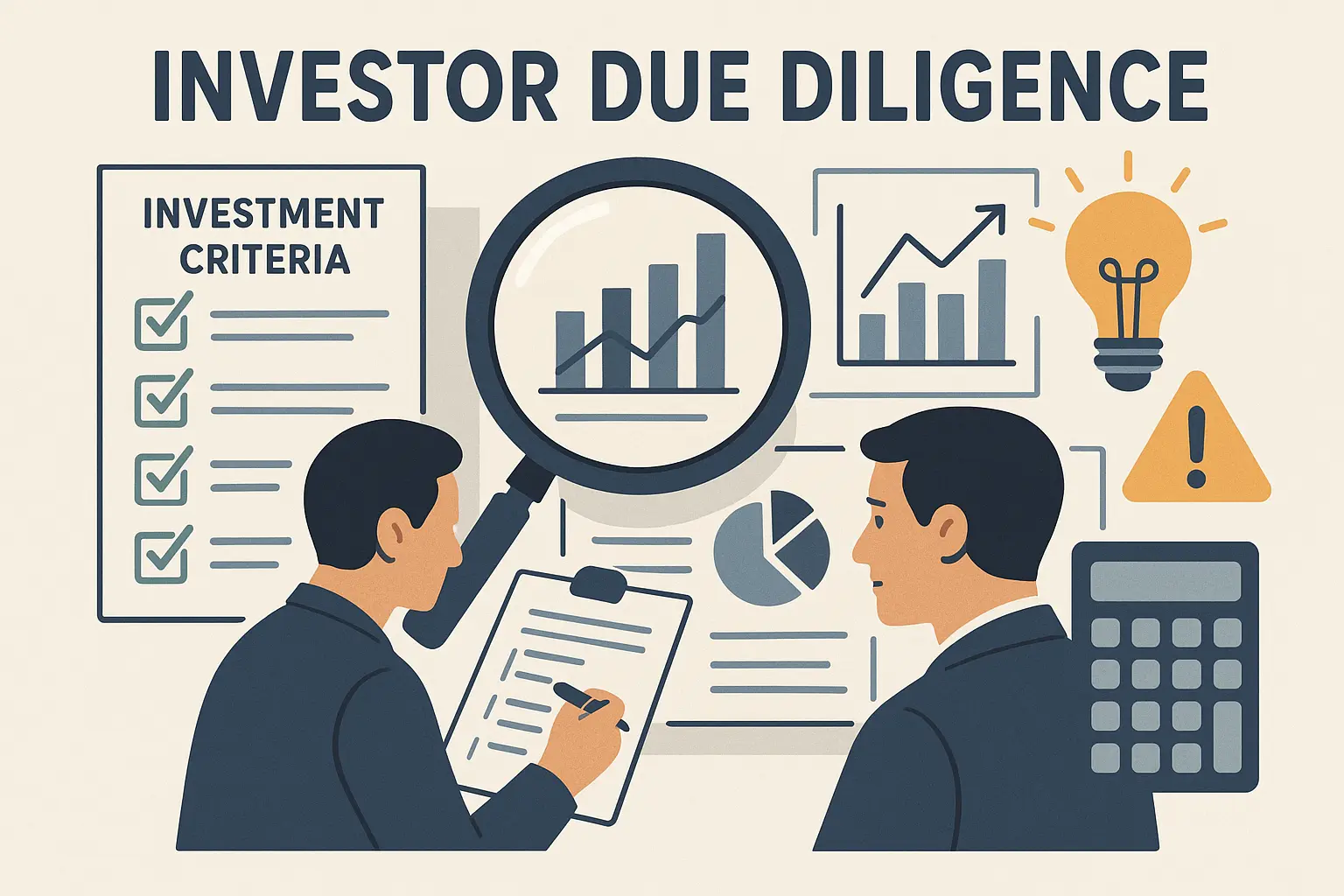
Before you part with your money, it pays to pause and take a good look at where you’re investing. That extra bit of effort is called due diligence—simply making sure you really understand what you’re getting into. In fact, according to a 2022 survey by PitchBook, more than 60% of investors admitted they had overlooked serious risks because they didn’t dig deep enough during due diligence.
Whether you’re thinking about backing a promising startup or buying into a well-established company, doing your homework up front can help you avoid painful surprises down the road. This doesn’t require a finance degree—it just takes a careful look at things like finances, the team behind the business, and future risks. In this article, we’ll walk through what every investor should check before saying yes to an opportunity—so you can make decisions with fewer regrets and more confidence.
What Does Investor Due Diligence Mean?
Investor due diligence is a hands-on investigation into a business before you commit your money. It goes beyond glossy pitch decks and sales talk—this process is about opening the hood and looking at every moving part.
How the Process Works
Once you spot an interesting investment, due diligence kicks in. You’ll ask for documents, meet with the team, and verify the information you’ve been shown. The goal is to confirm that the business matches what’s been promised, from financial data to customer traction. Sometimes it’s fast and simple; other times, it means weeks of reviewing contracts or even talking to past employees and clients.
Why Investors Do It
Skipping due diligence is like buying a house without checking the foundation. Investors do it to make sure there are no hidden surprises—undisclosed debt, weak leadership, lawsuits, or even signs the business is more hype than substance. This hands-on homework protects you from costly mistakes and helps you invest with confidence, no matter if you’re backing a bold new startup or a steady, established company.
Understanding the meaning behind due diligence sets the stage for knowing exactly what steps to take once you’ve found a promising opportunity. Next, we’ll walk through the concrete actions and checks that can make or break an investment decision.
Essential Steps in Investor Due Diligence
Screening Opportunities
Start with a wide lens. Filter investment options based on industry, business stage, location, and minimum requirements. This narrows focus, so you only investigate prospects matching your interests and expertise. It’s about working smart, not hard.
Evaluating the Business Model
Dive into how the company actually makes money. Does the business have a clear path to revenue and profit? Map out revenue streams, cost structure, and customer acquisition strategy. Question assumptions—an opaque or overly complicated model is a red flag.
Assessing Financial Health
Review revenue, margins, cash flow, and past financial performance. Scrutinize debts, burn rate, and runway for early-stage firms. Ask for historicals and projections. Don’t just take numbers at face value—understand the story behind them.
:max_bytes(150000):strip_icc()/money-weighted-return.asp-final-75a2d5f9d5f443fb853f776c9e871318.png)
Metrics like money-weighted return help visualize actual capital efficiency and risk in the business, not just its potential.
Founders and Team: The Human Factor
People drive results. Check founders’ experience, track record, and commitment. Assess the chemistry among team members and the depth of their talent pool. Ask how they handle setbacks and major pivots—resilience is priceless.
Market and Competition
Know the battlefield. Estimate market size, growth prospects, and barriers to entry. Map out direct competitors and substitutes. What makes this company’s solution stand out? Look for data that backs up market claims—not just theoretical projections.
Legal and Regulatory Review
Confirm that the company operates within the bounds of current laws and industry standards. Check for pending lawsuits, regulatory fines, or missing licenses. Overlooking compliance can turn a promising investment into a headache overnight.
Getting these basics right lays a foundation for more targeted investigation. Next, let’s explore the documents and warning signs that deserve your closest attention before making a commitment.
Key Documents and Red Flags
Financial Statements and Projections
Start by combing through the last few years of audited financial statements. Reliable companies don’t hide their books—look for clarity in revenue, margins, and cash flow. Skimmed-over or missing footnotes can cloak unsustainable expenses or debts. Projections should be more than high-flying numbers: question their assumptions and look for evidence that the business can actually meet them. Unusually rosy forecasts or major discrepancies with industry benchmarks flag wishful thinking rather than a real growth plan.
Ownership Structure and Cap Table
Request a clear, up-to-date capitalization table. If key figures are missing, or names don’t match what you know about founders and early investors, press for answers. Watch for complex webs of subsidiaries or preferential shares that could dilute your stake or limit your voting rights down the line. Changes to the cap table right before fundraising are a warning—there could have been messy ownership disputes or quiet departures.
Customer Contracts and Pipeline
Stable revenues come from strong contracts, not just handshake deals or impressive one-off clients. Scrutinize the largest contracts—who are they with, how long do they last, and are there tricky opt-out clauses or dependencies on single buyers? If a business touts a “pipeline,” ask for details. Vague claims about pending deals or inflated client lists with no signed agreements are easy to spot, and should set off warning bells.
Intellectual Property
IP is a moat only when it’s actually protected. Ask for a list of patents, trademarks, and copyrights, and check their registration status. Watch for patents stuck in application limbo, or products that might infringe on others’ IP. If the company depends on code or data, make sure ownership is clear—contractors and former partners can sometimes hold hidden rights that undercut the company’s position. A lack of documentation or unresolved disputes around IP is a major risk.
With the paper trail in hand, your next focus should be on reading between the lines—not everything essential shows up in a spreadsheet or legal brief. Understanding the people behind the numbers can reveal risks and opportunities traditional documents can’t capture.
Balancing Hard Data with Soft Signals
Founders’ Track Record and Transparency
Numbers tell one side of the story, but founders reveal the other. A founder’s past actions—both wins and stumbles—say more than credentials alone. Look for authenticity in their stories. Have they owned up to mistakes? Did they demonstrate grit when it mattered? True transparency shines through when founders share what went wrong, what they learned, and how it shaped their approach today. If answers feel too polished or evasive, make a note: trust is earned in the details.
Culture and Communication
Culture doesn’t appear on a balance sheet, but it impacts everything—retaining talent, navigating challenges, and achieving growth. Listen carefully to how teams talk about setbacks. Are they open to critique, or do they gloss over problems? Observe how leadership communicates inside the company, not just with you. Subtle misalignments, such as dismissive tones or unspoken tension, can foreshadow bigger issues down the line. Culture leaks out in unexpected ways, and attentive investors pick up on these signals early.
Combining hard numbers with these human clues creates a fuller, truer picture of the opportunity. Next, let’s delve into how these signals might shift depending on the type of business you’re considering.
Thank you for reading EasyVC’s blog!
Are you looking for investors for your startup?
Try EasyVC for free and automate your investor outreach through portfolio founders!
Specifics for Startups vs. Mature Companies
Startup Due Diligence Focus Areas
Startups are fueled by vision, not track record. When looking at an early-stage business, focus on how well the founders understand the problem they are solving and whether they’ve achieved any meaningful product-market fit. Customer validation—letters of intent, beta users, or glowing testimonials—carries more weight than glossy pitch decks. You should also delve into the underlying technology or IP, making sure that the core value isn’t easily duplicated.
Pay close attention to the capitalization table: too many splits or unexpected early-stage investors could mean headaches down the road. While financials are rarely polished, check for clarity in projections and a basic handle on cash burn and runway. Regulatory awareness and flexible, honest communication often matter more than seeing years of profit.
Mature Business Red Flags
With mature companies, patterns in historical performance reveal more than future forecasts. Look for consistency in revenue, profit margins, and customer retention—erratic numbers can hint at hidden issues. Unusually high revenue growth that outpaces industry benchmarks may deserve scrutiny: Is it being propped up by one-time contracts, or are there looming receivables that won’t convert?
For older businesses, legacy problems such as unresolved legal disputes, outdated technology, or employee turnover can erode long-term value. Examine how transparent management has been about past setbacks or strategic pivots. If key documents like audited financials or third-party valuations are missing or delayed, take caution. A reluctance to explain material changes in ownership, customer base, or leadership often signals deeper trouble.
No matter the stage of the business, understanding these distinctions sharpens your ability to separate promise from risk. Next, let’s turn to the practical documents and warning signs that provide tangible signals during your review.
Investor Due Diligence Checklist
There’s a lot to examine before committing your money to a new investment. Pinpointing the most important areas can focus your efforts and reduce the chances of overlooking major issues. Use this practical checklist to guide your due diligence process:
With your checklist in hand, you can navigate each opportunity with greater confidence, avoiding costly surprises. But checklists alone aren’t enough—digging deeper into critical documents and patterns will round out your understanding and sharpen your decision-making for the next steps.
Protecting Yourself: Questions Every Investor Should Ask
Even after reviewing financial statements and market data, what you ask can reveal more than what you’re shown. The right questions don’t just protect your money—they can uncover risks you’d otherwise miss, or confirm that opportunity others overlook. Here’s how to dig beneath the surface.
Dealbreaker Issues
A few core questions can stop a deal in its tracks—for good reason. Start with the basics: Does the company have any unresolved legal issues or pending litigation? Ask for full disclosure here, including past lawsuits or regulatory problems. Ask if all shareholder and board agreements are in writing and up-to-date, and request proof. The absence of clear IP ownership or any history of founder disputes are major warning lights. Finally, ask how and when investors get their money back: demand clear exit plans, not just hopes and dreams. For more details on exit strategies, see startup exit strategy.
Signs to Proceed with Caution
Some answers aren’t immediate red flags but should slow your enthusiasm. If founders are evasive about financial details—or cannot explain major assumptions behind revenue forecasts—take note. If team dynamics appear tense or if key hires haven’t vested significant equity, ask why they’re staying and what incentivizes them. Press for details on failed partnerships or customer churn rates. Are founders up-front about past business failures, or do they shift blame? Genuine transparency is more useful than polished pitches.
By pressing for clear, specific answers—and paying attention to what’s unsaid—you lower your downside. Next, let’s connect these questions with a practical approach you can use every time you assess an opportunity.