
Investor Development: What Is It?

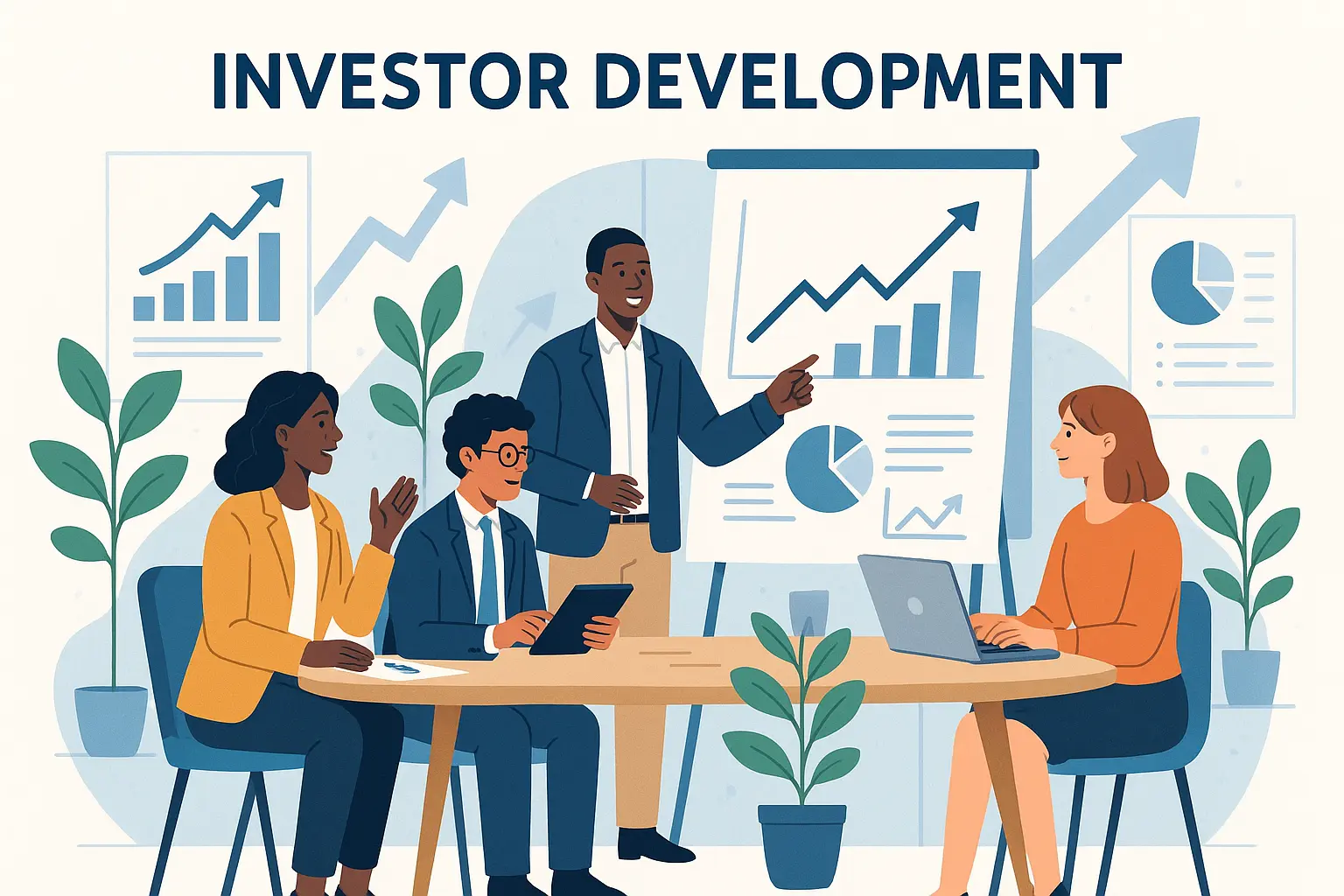
Bringing investors into your business isn’t just about raising funds—it’s about building genuine, lasting relationships that drive growth and confidence on both sides. This is where investor development comes in. Rather than a one-time pitch or meeting, investor development is an ongoing process of connecting, understanding, and nurturing the people who have a stake in your success.
In today’s landscape, having strong investor relationships is more important than ever. In fact, studies show that companies with proactive investor engagement are up to 2.5 times more likely to secure follow-on funding compared to those who treat investor outreach as a one-off activity. Whether you’re a founder, work in a growing business, or are just curious about how startups and organizations navigate fundraising, understanding how investor development works can be a game-changer—not just for getting capital, but for building trust and unlocking new opportunities over the long term.
Understanding Investor Development
Definition and Core Concepts
Investor development is the deliberate process of building, nurturing, and strengthening connections with current and potential investors. Rather than just viewing investors as a source of funding, investor development treats them as valued partners—engaged early, updated often, and included in a company’s growth journey.
This approach combines research, personalized outreach, and genuine relationship-building. It requires understanding the motivations of different investors—what excites them, what concerns them, and why they might back one opportunity over another. Successful investor development is about finding shared interests and building trust through transparency and meaningful interactions.
Investor Development vs. Investor Relations
Though the terms might sound similar, investor development and investor relations serve distinct purposes. Investor relations traditionally focuses on keeping existing investors informed through reports, updates, and regulatory communications. It’s reactive and compliance-driven: making sure shareholders know what’s happening and following disclosure rules.
Investor development is more proactive. It goes beyond updates and reporting, fostering new connections and deepening engagement with potential backers. Where investor relations manages information flow, investor development actively seeks alignment, feedback, and new opportunities—often long before any capital is exchanged.
Grasping the key differences and recognizing the role of investor development in the wider funding landscape sets the stage for understanding how its process unfolds, step by step.
Key Stages in the Investor Development Process
Identifying and Engaging Prospective Investors
Finding the right investors isn’t about casting a wide net—it’s about seeking those whose interests, values, and portfolios align with your vision. This stage involves market research, studying investor backgrounds, and reaching out with tailored messaging that resonates with what truly matters to them. Engaging isn’t just sending an email; it’s about starting a genuine conversation and piquing real interest.
Validating Investor-Fit
Once there’s a spark of interest, the next step is validation. This means diving deeper to ensure alignment beyond the surface. Do your long-term goals intersect? Does their past investment behavior reflect the type of support you need? Validation is a two-way street—just as investors vet opportunities, organizations assess if an investor’s involvement will create meaningful value beyond funding.
Cultivating Meaningful Relationships
After making the initial connection and confirming mutual fit, building trust takes center stage. This is not a transactional phase—relationship-building is ongoing. It means communicating transparently, being proactive with updates, listening to feedback, and showing investors how they make a difference. Over time, these connections grow into true partnerships that can weather uncertainty and drive shared success.
Having mapped out the core stages of this lasting process, let’s look at why organizations that invest in nurturing investors tend to fare better—not just financially, but strategically and reputationally as well.
Why Investor Development Matters for Organizations
Benefits for Startups and Growing Businesses
Startups and expanding ventures are defined by uncertainty, ambition, and rapid change. Navigating this landscape without strong investor support can mean missed opportunities or stalled growth. A proactive approach to investor development goes beyond chasing the next infusion of capital; it helps founders build genuine connections with people who believe in their journey. This often leads to supportive mentorship, sharper feedback, and introductions to new markets or talent. For many early-stage teams, the right investor relationship can be the difference between a breakthrough and a breakdown.

Impact on Long-Term Capital Strategy
Thinking long-term, investor development shapes how organizations prepare for sustained growth. Those who nurture investor networks steadily are less likely to scramble for funding or make hasty decisions when the next round approaches. Carefully cultivated investor relationships can lead to better deal terms, ongoing follow-on investment, and the flexibility to pursue new directions or weather downturns. More importantly, it opens doors to strategic partnerships that may never appear if organizations only focus on transactional fundraising efforts.
Understanding these advantages sets the stage for a more intentional approach—one where organizations can actively build out processes and programs to develop these investor relationships from the ground up. In the next section, we’ll explore how to start putting these principles into practice.
Thank you for reading EasyVC’s blog!
Are you looking for investors for your startup?
Try EasyVC for free and automate your investor outreach through portfolio founders!
Actionable Steps to Build an Investor Development Program
Laying the Foundation: Internal Readiness
Before reaching out to investors, make sure your team is aligned on your growth strategy and financial vision. Compile a clear set of materials: recent financials, growth metrics, and an honest account of key challenges. Prioritize transparency — tried-and-true investors prefer working with teams that are open about both strengths and risks.
Assign specific roles for outreach, follow-ups, and data gathering. Set up a simple tracking system for investor communication. Preparation at this stage prevents confusion and ensures consistent messaging as conversations begin.
Effective Communication and Ongoing Engagement
When approaching investors, skip the generic pitch decks. Craft personalized messages that show you understand each investor’s priorities. Highlight milestones and address setbacks candidly. Share regular updates, even when no funding round is imminent. These small gestures help you stay on their radar and build credibility over time.
Remember: relationships don’t thrive on transactions alone. Invite investors to company events, webinars, or product launches. Ask for feedback or industry insights — not just capital.
Leveraging Technology and Tools
Use a CRM or even a well-organized spreadsheet to keep track of investor interactions, key contacts, and meeting notes. Automation tools can help schedule regular updates or invitations. Make it effortless to retrieve conversations, documents, and follow-up reminders when needed.
Secure document-sharing platforms allow you to provide due diligence materials seamlessly. Protect sensitive information, but make access smooth for serious prospects. Efficient processes signal professionalism and make your venture more attractive to discerning investors.
With these practical steps, your team will be ready to find, connect with, and nurture the right investment partners. Next, let’s see how these strategies translate into successful outcomes through stories from the field.
Investor Development in Practice: Real-World Examples
Case Study: Startup to Scale-Up
In 2017, a tiny fintech team in Berlin set out to disrupt personal banking. Early on, they mapped out potential investors whose track records matched both the company’s stage and its industry focus. Instead of blasting out pitch decks, the founders spent months getting on investors’ radar through industry meetups and low-key coffee chats.
As trust grew, these investors provided more than funding—they shared due diligence tips, connected the founders to compliance experts, and challenged assumptions about the product roadmap. By the time the startup closed its Series A, the cap table reflected not just the deepest pockets, but individuals who could open doors and offer guidance at critical junctures. Two years later, the same investors played a pivotal role in preparing the company for rapid expansion into new markets.

Lessons Learned from Established Firms
Insurance giant Aviva is no stranger to investor relationships. But when shifting strategy to emphasize sustainability, the company’s executive team didn’t just announce their intentions at the next quarterly update. Instead, they welcomed a handful of key investors behind the scenes months ahead of the pivot, seeking candid feedback on metrics and disclosure approaches.
Armed with this insight, Aviva tailored its disclosures and set up periodic working groups, rather than passive Q&A calls. Investors responded by increasing their support and even advocating the company’s approach to the broader market. Aviva’s experience underlines that investor development is not a one-time event—it’s an ongoing dialogue that can shape both financial outcomes and corporate direction.
As we’ve seen, investor development works differently across companies, but a thread runs through each story: sustained engagement pays dividends. In the next part, discover practical ways to bring these lessons into your own organization’s journey.