
Updated Investment Tracking: Stay Ahead of Your Portfolio

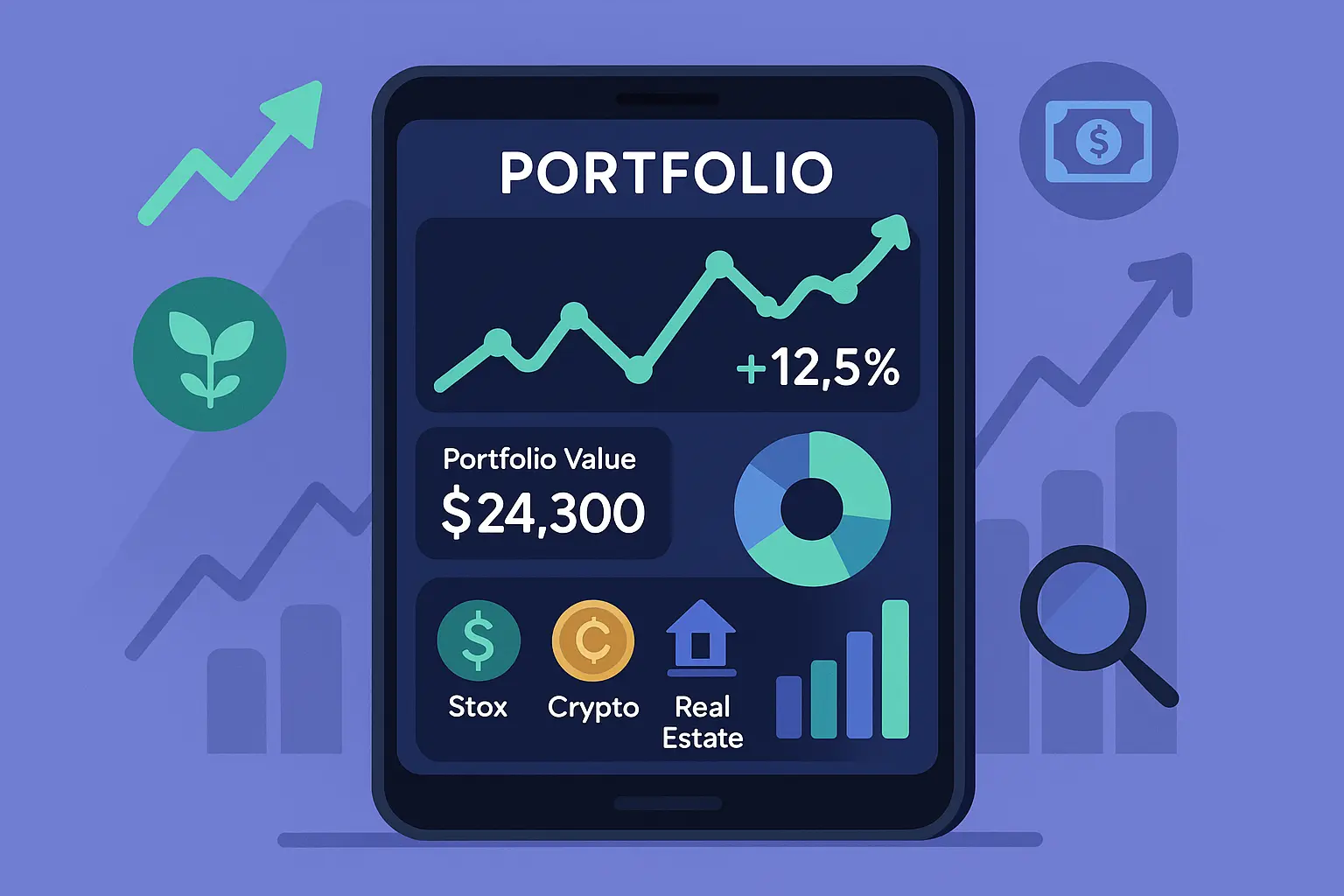
Managing investments used to mean the occasional spreadsheet update or sifting through monthly brokerage statements. But with markets moving faster than ever and portfolios spread across multiple platforms, it’s easy to miss important changes. In fact, a 2023 survey found that over 54% of individual investors felt uncertain about their portfolio’s real-time performance, simply because their tracking methods were out of date.
If you’ve ever wished you had a clearer, up-to-the-minute picture of your investments, you’re not alone. Reliable, updated investment tracking doesn’t just bring peace of mind—it can help you make better decisions, spot opportunities, and avoid costly mistakes. In this article, we’ll look at why keeping your investment tracking updated matters more than ever, what features to look for in modern tools, and how to make the switch to a smarter system without losing your historical data. Let’s dive in to stay one step ahead of your portfolio.
Why Updated Investment Tracking Matters Now
Risks of Outdated Tracking Tools
Relying on old spreadsheets or legacy tracking apps to monitor investments often creates blind spots. Asset values, currency conversions, and market fluctuations happen by the minute, but outdated tools miss these shifts. Investors end up reacting too late, exposed to losses and missing new opportunities because the picture they see is never quite current.
Stale information isn’t just annoying—it can be costly. Decisions based on yesterday’s numbers or incomplete records increase the risk of missed dividends, inaccurate tax reporting, and a portfolio that quietly drifts away from your intended path.
How Accurate Tracking Supports Better Decisions
With real-time updates, patterns emerge that help reveal when to rebalance or spot an underperforming holding before it drags down returns. Granular data lets investors respond to market events quickly, tweaking allocations or capitalizing on trends with confidence. The peace of mind from knowing the information is up-to-date makes it easier to act decisively, rather than second-guessing whether the numbers can be trusted.
Tracking your investments accurately isn’t just about keeping score—it’s about seeing the road ahead more clearly, adapting to change, and ensuring every decision is grounded in reality.
Understanding why modern tracking matters sets the stage for a closer look at the features that actually make a difference when choosing a tool.
Essential Features for Modern Investment Tracking
Real-Time Data Integration
Instant updates are now the baseline for effective investment tracking. Real-time data means you see every deposit, market swing, and dividend as it happens. This immediate insight lets you react swiftly to sudden market changes or take advantage of an unexpected opportunity. No more outdated snapshots—modern tools connect directly to your accounts and fetch the latest figures automatically.
Multi-Asset and Multi-Account Support
No investor sticks to just one asset class. The best trackers accommodate everything: stocks, bonds, ETFs, crypto, real estate, and even alternative holdings like collectibles or private equity. Seamless switching between multiple brokerage and bank accounts in one place saves time and reveals your whole financial picture at a glance. The more interconnected your accounts, the clearer your strategy becomes.
Security and Privacy Considerations
Money matters require ironclad protection. High-quality platforms use end-to-end encryption, multi-factor authentication, and strong privacy controls to guard your data. You should be in command of what’s visible and what remains private, with every login and data request kept under your lock and key. Peace of mind comes standard when your portfolio information stays strictly yours.
As you explore tools built for today’s demands, you’ll see how each one powers your investment process differently. Let’s compare the top options available in 2024 to help you decide which tracker fits your style and needs best.
Top Tools for Updated Investment Tracking in 2024
Best Apps and Platforms
This year, tools like Kubera, Sharesight, and Morningstar Investor have redefined the standard for portfolio tracking. Kubera stands out with its seamless sync across global brokerages, collecting data from crypto wallets, real estate, and alternative assets—all in a single dashboard. Sharesight excels at detailed performance analytics, making it easy to break down historical returns and factor in dividends and currency swings. Morningstar Investor leverages deep research and portfolio X-Ray insights, helping users drill into allocations and fees with forensic detail.
Altruist and Personal Capital continue to innovate—Altruist wins points with hands-off automation for financial advisors, while Personal Capital connects your entire financial life, from investments to retirement planning, in one sleek interface. For those prioritizing privacy, Delta and Portfolio Performance remain popular; both run offline and don’t require sharing sensitive credentials.
Comparing Key Functions
Not all platforms are equal. Sharesight’s edge is in its smart tax reporting and extensive multi-currency support, a must for international investors. Kubera covers the broadest asset base and delivers net worth tracking alongside traditional portfolio metrics. Personal Capital is invaluable for its holistic view—linking investments, spending, and retirement projections—while Delta’s customizable alerts and widgets make it a top mobile pick.
For data integration, Kubera and Altruist are agile, updating in near real-time with external feeds. Morningstar’s portfolio analysis tools are unmatched for deep dives, but require some manual tweaking to unlock their full power. Factor in cost—many offer free tiers, but key features often sit behind premium paywalls, so it pays to review your needs against the tool’s strengths.
Choosing the right tool can transform how you interact with your portfolio, but making the switch requires a thoughtful approach. Next, discover how to migrate your investment history and set up automations that keep your records as accurate as your ambitions.
Thank you for reading EasyVC’s blog!
Are you looking for investors for your startup?
Try EasyVC for free and automate your investor outreach through portfolio founders!
How to Transition to an Updated Investment Tracking System
Transferring Historical Data
Your investment journey spans more than a day or a week—migrating your past data is essential for meaningful analysis and performance review. Start by exporting transaction history and balances from your old tool; most platforms support CSV or spreadsheet formats. Before importing, review entries for errors or duplicate transactions—this one-time diligence prevents a mess later.
Once you’ve prepped your records, check your new system’s import function. Upload the files and spot-check by running simple calculations or summaries. If you held international or alternative assets, double-check date formats and currency codes to avoid surprises in your new dashboards.
Setting Up Automations for Ongoing Accuracy
Manual data entry belongs in the past. Connect your bank accounts, brokerage logins, and crypto wallets via secure APIs or data feeds if available. Most modern trackers walk you through linking these sources securely. Enable automatic refresh schedules—weekly or daily—depending on how actively you trade or rebalance.
For accounts that don’t support automated sync, set reminders to upload statements monthly. Some tools let you set custom rules for tagging, categorizing, and even flagging suspicious or duplicate entries, which can save you hours during tax season and quarterly reviews.
Each step you complete makes your investment tracking not just more accurate, but genuinely valuable. Now that your updated system is ready, it’s time to explore what features truly set the best tools apart and how to pick the right match for your approach.
Frequently Asked Questions About Updated Investment Tracking
Do I really need to update my investment tracking system?
If your current setup misses transaction details, can’t handle multiple asset types, or requires manual data entry, you’ll probably benefit from something fresher. The market moves fast, and last year’s tools might not keep up with your current financial needs.
Can I track more than one investment account in the same tool?
Absolutely—you don’t have to juggle spreadsheets or apps for every account. Most modern platforms allow you to sync all your brokerage, retirement, and even crypto accounts in one dashboard.
Will I have to re-enter all my investment history?
Switching platforms usually feels daunting, but leading trackers help import past transactions automatically, or let you upload files from your previous system. Look for platforms that handle this for you to save time and reduce the risk of errors.
How is my investment data protected?
Security matters—a lot. Robust trackers use encryption and offer two-factor authentication. It’s wise to pick a tool that prioritizes privacy and complies with established regulations.
How often is my portfolio information updated?
Many new tracking apps refresh your holdings throughout the day, some even in real time. This steady stream of updates offers a much clearer view compared to tools that only update at day’s end.
Choosing the right tracking solution often means exploring a few options to see which fits your workflow. Next, let’s see what the top tools in 2024 actually offer—and how they stack up where it counts.