
How to Find Your Company’s Storytelling Framework


Every business has a story, but surprisingly few know how to tell it in a way that truly connects. In fact, according to a 2022 Edelman Trust Barometer report, 63% of people need to hear a company’s story several times before they believe it. With so much information and competition, it’s not enough to just share what you do—you need to share who you are and why it matters.
That’s where a storytelling framework comes in. It helps you clarify your purpose, define the heart of your message, and communicate with authenticity. Whether you’re a small team or a growing organization, understanding how to build and use your own framework is what turns scattered facts into stories people want to remember—and even retell.
In this guide, we’ll walk you through practical steps to find your company’s unique storytelling framework, using proven methods and simple exercises you can start today.
Understanding the Purpose Behind Your Story
Why Every Company Needs a Storytelling Framework
A company’s story isn’t just background noise—it’s the reason people pay attention. When you shape your story intentionally, you help others see what makes your business different. Storytelling frameworks give structure to your narrative, clarifying why you exist and where you’re heading. They keep you from getting lost in random facts and ensure your message actually means something to the people listening.
Framing Objectives With Story
A story without a purpose is like a journey without a destination. Before sharing what you do, pause to ask: what are you hoping to change, inspire, or challenge? Defining your objectives anchors your storytelling, turning vague ambition into clear direction. A purposeful story turns company goals—like gaining customer trust or sparking internal motivation—into moments that feel human and memorable.
Now that you understand how purpose grounds your company story, it’s time to dig deeper and uncover what truly lies at the heart of your business narrative.
Pinpointing Your Core Message and Values
Defining the Heart of Your Company
What makes your company tick? To discover this, step beyond mission statements or value lists. Ask: When people talk about us behind closed doors, what do they truly admire—or critique? The soul of your company lies in honest answers to these questions. Whether you’re passionate advocates, relentless problem-solvers, or champions for change, the constant pulse beneath your daily work reveals the message at your core.
Aligning Message With Audience Needs
Once you unearth that core, test it against your audience’s world. If your story answers their hopes or aches, you’re in sync. For example, if you believe in empowering small businesses and your audience is hustling to be heard, your story resonates. The key isn’t to echo what you think sounds good but to make your values relevant in real terms to those listening. Clarity here focuses your narrative and ensures your message hits home.
With your message and values clearly mapped, it’s time to explore tried-and-true storytelling structures that can carry those ideas further and give them lasting impact.
Exploring Proven Storytelling Frameworks
Overview: Hero’s Journey, Golden Circle, and More
When searching for a storytelling framework, you don’t have to start from scratch. Several classic models have guided brands for years, helping them turn abstract ideas into memorable narratives. The most iconic of these is the Hero’s Journey, a structure familiar to anyone who’s ever watched a blockbuster film or read a legendary novel. This narrative arc follows a protagonist who leaves their comfort zone, faces trials, overcomes crisis, transforms, and returns wiser. Its universal appeal lies in its progression from challenge to change.
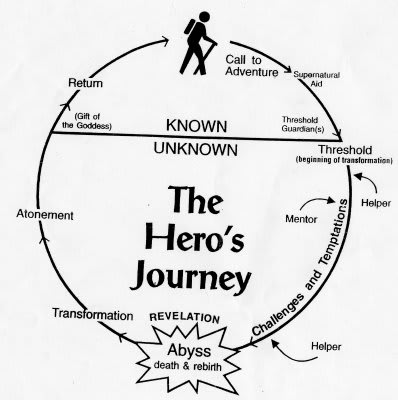
Another approach is the Golden Circle, made popular by Simon Sinek. Here, the journey starts with “Why” (your purpose), then moves outward to “How” (your process), and finally to “What” (your product or service). Companies using the Golden Circle captivate with belief, not just features.
There are other frameworks too. Pixar’s story spine stitches together short, punchy sentences—“Once upon a time… Every day… Until one day…”—to structure brand journeys in a simple, compelling way. Meanwhile, the Mountain and the Three-Act structures can highlight turning points and overcoming adversity.
Choosing the Right Structure for Your Brand
No two organizations share the same story. The right framework isn’t just the most famous—it’s the one that resonates with your journey and audience. Tech startups building disruptive tools might thrive with the Hero’s Journey, placing their customers as the protagonists who conquer obstacles with innovative solutions. Value-driven brands might prefer starting with the Golden Circle, inspiring loyalty through a strong sense of “why.”
Instead of copying a model, use these frameworks as templates. Test them against your brand’s history, purpose, and aspirations. The most effective storytelling structures aren’t surface-level—they align deeply with what your company stands for and how you want to be remembered.
Armed with an understanding of these frameworks, you’re better prepared to look inward and map your company’s unique journey. Next, let’s explore how real stories from within your organization can shape an authentic narrative structure.
Mapping Your Unique Company Journey
Gathering Stories From Within the Organization
Every company’s story is hidden in everyday experiences—product launches, customer wins, hard-fought failures, late-night brainstorming sessions, and unexpected moments of insight. Authentic stories rarely come from official presentations; they linger in conversations, emails, and even company chat threads. To map your journey, start by listening: hold informal interviews, create safe spaces for people to share memories, and sift through internal communications for tales overlooked in the rush of daily work. Invite team members from every level. A frontline employee’s anecdote can reveal as much about your company’s heart as the founder’s origin story.
Spotting Recurring Themes and Transformation
After you’ve gathered a tapestry of stories, look for patterns. Are there moments when your company repeatedly responded to adversity with an unconventional solution? Do your people share a sense of adventure, or is resilience their silent thread? Notice where emotional energy gathers—the customer you helped when no one else could, or the pivot that pulled you through a tough quarter. These are not random details. They are hints to your brand’s unique path of transformation. By tracing these moments, you’ll uncover the recurring motifs that set your journey apart from competitors, while also charting how your internal culture has grown over time.
With your company’s defining storylines mapped, the next step is to select a narrative framework that can give these threads a clear, memorable structure.
Thank you for reading EasyVC’s blog!
Are you looking for investors for your startup?
Try EasyVC for free and automate your investor outreach through portfolio founders!
Ready to put your company’s story to work? Imagine the moment your team’s conversations shift from “What should we say?” to “Here’s the story that fits.” Your narrative belongs in boardrooms and lunch meetings, not locked away in a dusty playbook. Unlock it now—your next chapter starts with action.
But before you rush in, let’s break down practical steps to transform ideas into a repeatable, tailor-made framework. Here’s how to move from inspiration to structure—without getting stuck.
[CTA-HOOK]Building Your Framework: Step-by-Step
Identify Key Characters: Your People and Customers
Begin by listing the faces at the heart of your company’s narrative. Spotlight founders, team members, or customers with stories that illustrate your values in action. Gather real anecdotes—moments that reveal passion, creativity, or grit—rather than vague descriptions. Think of these scenes as the backbone of a memorable story.
Define Challenges, Turning Points, Solutions
Pinpoint the hurdles your company and its people have overcome. Outline specific moments when uncertainty or obstacles shaped a crucial decision. Be clear about the stakes: why did these moments matter? Then, describe the actions your team took and the impact each decision had on your company’s direction. This is where your story gains tension and meaning.
Create a Repeatable Story Map
Structure your findings into a simple template you can use for future storytelling. Map out typical arcs—a beginning that sets the stage, a middle where challenges arise, and a resolution that highlights transformation or success. Keep the framework flexible, so new achievements and setbacks can become part of the ongoing narrative. A strong story map makes it easy for anyone in your company to craft stories that feel authentic and unified.
With your framework assembled, it’s time to put it to the test. The next step ensures your story truly connects with audiences and resonates inside and outside your company walls.
Testing and Refining Your Framework
Live Testing With Real Audiences
The real measure of your storytelling framework is how it lands with the people you want to reach. Instead of debuting your story in a polished campaign, start simple. Share elements in a newsletter, present them at a team meeting, or publish a blog post and see what sparks conversation. Watch, listen, and keep notes. Which moments make eyes light up? Which phrases get repeated? When do people seem confused or tune out?
Collecting Feedback and Sharpening the Narrative
After sharing your story live, invite honest feedback—preferably unfiltered. Ask questions such as: Which part feels most relatable? Where does it drag? Does anything feel off or misaligned with your company’s character? You can use short surveys, one-on-one chats, or even group discussions. Look for patterns, not perfection. Use what you hear to tweak the story map or refine the way you introduce key characters and turning points. The goal isn’t just accuracy—it’s resonance and clarity.
Storytelling should always be evolving. Tightly track reactions and update your framework as your company, and audience, grow. With every lesson you absorb, your story gets sharper—and more powerful for the next time you share it.
Now, with a robust, field-tested story in hand, it’s time to embed it so thoroughly that it becomes second nature to your marketing, culture, and daily conversations.
Bringing Your Storytelling Framework to Life
Embedding Stories in Marketing and Culture
Once you’ve shaped your storytelling framework, the real magic happens when narratives escape strategy documents and show up everywhere your company does. Start with your website, social media, and presentations—these are the obvious touchpoints. But don’t stop there. Consider onboarding materials, pitch decks, packaging, and even product manuals. When every corner of your organization echoes core stories, customers and employees start to recognize what your brand stands for without being told directly.
For stories to truly become part of your culture, make them visible internally. Share anecdotes of small wins in team meetings. Display customer testimonials around the office or in newsletters. Celebrate moments reflecting your framework, whether it’s a bold innovation or someone simply living out your company values. Over time, these stories do more than inform—they spark belonging and pride.
Training Teams for Consistency and Authenticity
Stories can’t live or grow if only a few know how to tell them. Hold workshops where employees practice sharing your core narratives in their own words. Roleplay customer interactions. Develop a shared vocabulary—short phrases or guiding questions—to keep stories on track but never robotic. Encourage teams to personalize stories so they feel natural, not rehearsed.
Consistency matters, but so does sincerity. Equip your teams with real examples, not just templates. After all, authenticity builds trust faster than perfection. Recognize employees who demonstrate storytelling instincts in action, and invite feedback to refine the framework as your company evolves. When everyone understands the story and can tell it confidently, your message travels further, faster—and feels real to those who hear it.
Fully activating your framework is only half the journey. Next, let’s explore how to measure what’s working and fine-tune your stories, so they keep resonating as your business grows.