
Gaming Blog: Fresh Perspectives, Hidden Gems, and Real Community

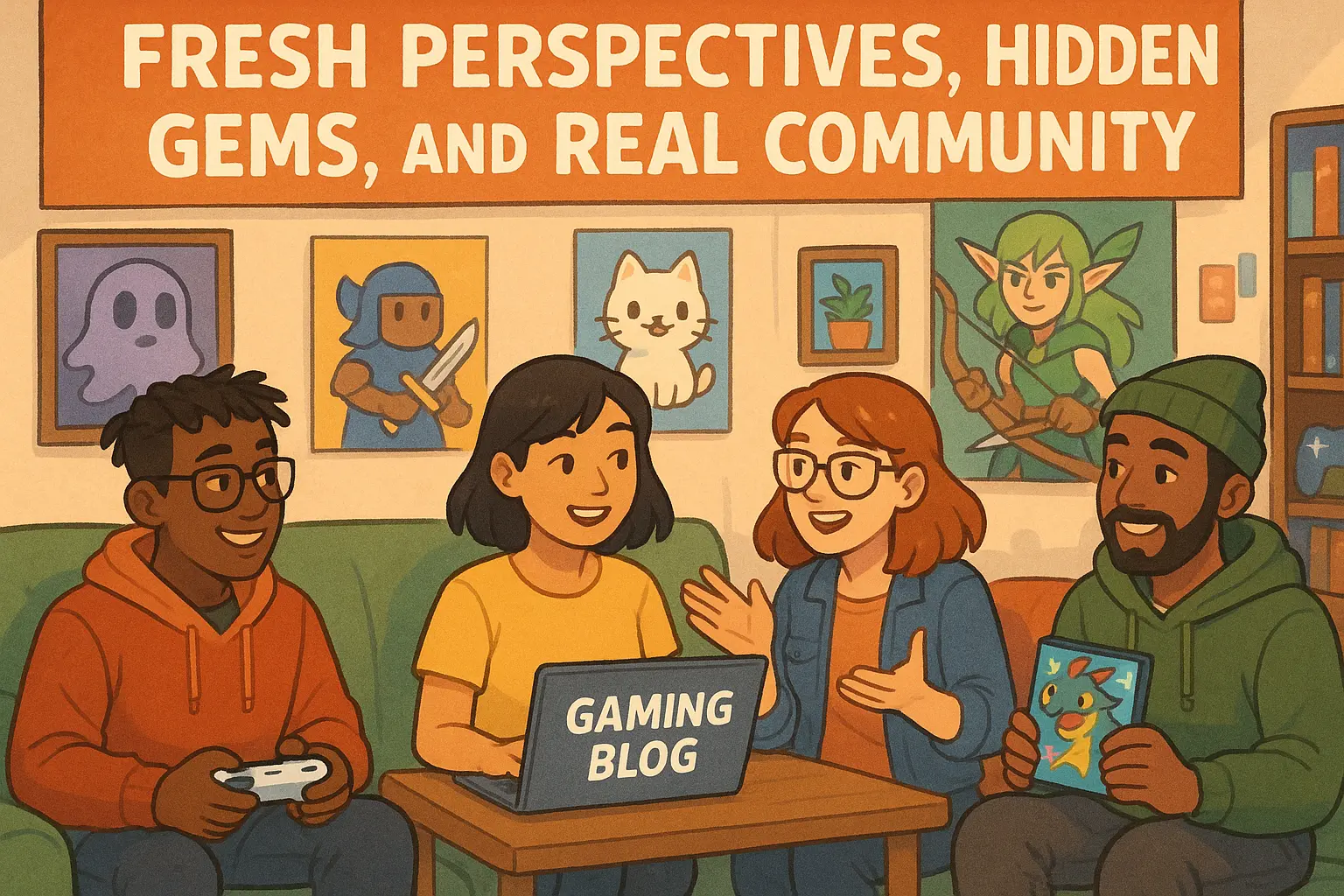
It’s no secret that gaming is bigger than ever—last year, over 3 billion people played video games worldwide. But with so many reviews, forums, and influencers out there, it’s easy to feel lost in the crowd. Sometimes, it feels like everyone’s playing—and talking about—the same titles, while truly unique voices and lesser-known games get drowned out.
This blog is about more than just headlines and hot takes. It’s for gamers who want honest perspectives, personal stories, and real community. Whether you’re searching for hidden gems missed by the mainstream, looking for stories you can actually relate to, or just want a place where every kind of gamer feels welcome, you’re in the right spot. There’s a lot more to gaming than the latest blockbuster, and discovering it together is half the fun.
What Makes a Gaming Blog Stand Out Today?
Finding a unique voice in a crowded space
The internet is awash with gaming blogs, yet the ones that linger in memory do something different. They blend unexpected humor with sharp insights or tackle topics most shy away from. Maybe it’s the blogger’s willingness to admit when they’re terrible at a game, or their affection for unloved genres. That spark of individuality — whether it’s a retro obsession, a knack for storytelling, or offbeat picks — carves out a distinctive place in the noise. Memorable blogs don’t echo press releases; they write from genuine curiosity and passion, building a recognizable signature across every post.
How authenticity engages readers
Readers don’t want varnished, PR-friendly talk. They crave honesty: the awe of discovering brilliance in an overlooked indie, or the letdown when a hyped sequel fizzles. When bloggers share real triumphs, frustrations, or gaming quirks, it breaks down barriers. Authenticity pulls readers in, feels relatable, and invites them to join the discussion, not just stand on the sidelines. This honest approach creates lasting connections that keep communities coming back.
Of course, finding those fresh perspectives is only step one. The real challenge — and reward — lies in unearthing unknown games that surprise and delight your audience. Let’s venture beyond the mainstream and see what discoveries await.
How to Discover Games Beyond the Mainstream
Indie releases worth your attention
The world of indie games is an endless labyrinth, and that’s what makes the hunt rewarding. Instead of waiting for splashy trailers, start by exploring crowdfunding sites, game jams, or platforms like Itch.io and Steam’s under-the-radar releases. Dive into developer forums, subreddits, or Discord communities where new projects get shared before the hype wave. You’ll unearth titles that dare to experiment—games made with passion and curiosity rather than marketing spreadsheets.
Don’t ignore smaller studios at festivals like LudoNarraCon or Day of the Devs, where narrative-driven and experimental gems quietly shine. If you’re ever feeling stuck, spin a digital roulette: let a random suggestion from a gaming podcast or a tweet from a developer lead you somewhere unexpected. These stories are still fresh, untouched by endless think-pieces or meme compilations, waiting for a player like you to champion them.
Hidden gems from past generations
Sometimes the freshest discoveries are relics buried under layers of nostalgia. Dust off your old consoles or fire up an emulator to hunt for cult classics and forgotten oddities. Look for recommendations from retro gaming blogs or YouTube creators who deep dive into the catalogs of consoles like the Dreamcast or PS2. Fan translations and ROM hacks can also reveal lost masterpieces that never made it to your region.
Swap stories with fellow collectors or enthusiasts on forums—word of mouth is how legends start. There’s a certain thrill in unearthing a title that nobody at your last gaming night has even heard of, let alone played. The past is full of games that feel new simply because they’re new to you.
The beauty of discovering offbeat releases and lost classics isn’t just the gameplay—it’s the conversations and connections sparked when you share them. Next, let’s explore how those personal stories and honest reviews shape the pulse of gaming communities.
From Personal Stories to Player Reviews: What Do Readers Want?
Relating to gamer journeys
Readers crave stories they can see themselves in—midnight raids that went hilariously wrong, or the joy of stumbling onto a questline no guide warned about. There’s a quiet power in sharing moments that can’t be captured in patch notes: the heartbreak when a favorite MMO server goes dark or the goofy satisfaction from accidentally speedrunning a tutorial. When blogs reflect these slices of life, their words feel less like opinions and more like campfire tales, inviting everyone to pull up a virtual chair and nod in recognition.

Crafting honest, bias-free reviews
No one needs another “game of the year” echo chamber. What readers want is a sense that someone’s wrestled with a game—warts and all. They pay attention to the little moments: whether a dialogue choice actually matters, or if the soundtrack lingers after you quit. Trust builds when a review admits to frustrations and avoids recycled praise. It’s about transparency—flagging if a developer gifted a key or if the review comes from a marathon or a leisurely week. In the end, honest reviews aren’t about spreadsheets or scores; they’re about helping fellow gamers spend their time wisely.
As stories and reviews spark connections, the sense of belonging blooms when readers see their experiences reflected and respected. This shared ground paves the way for something richer than fandom—a genuine community.
Thank you for reading EasyVC’s blog!Are you looking for investors for your startup?Try EasyVC for free and automate your investor outreach through portolio founders!
Building an Inclusive Gaming Blog Community
Encouraging discussion and respectful debate
Gaming blogs thrive when the comment section is more than just noise. Welcoming open discussion means giving space for both enthusiasm and disagreement—without the usual hostility. Rather than one-sided hot takes, asking real questions and responding thoughtfully sparks genuine back-and-forth. Setting simple ground rules against gatekeeping and toxicity keeps the environment open, so everyone feels safe to join the conversation, no matter their experience or favorite genre.
Spotlighting diverse creators and voices
The world of games is much bigger than trending titles and familiar faces. Regularly featuring indie developers, lesser-known streamers, or writers from different backgrounds injects fresh energy into your blog. Spotlight posts, interviews, and collaborations can reveal perspectives often left out of the mainstream. Inclusion isn’t just a buzzword; it’s a commitment to stories that might otherwise go unheard. The result is a blog that feels alive—one where readers recognize pieces of themselves and discover new viewpoints along the way.
Building a vibrant, welcoming community sets the stage for sharing personal stories and experiences that resonate far beyond a typical review or news post. So, how do you turn everyday gameplay into content your readers genuinely care about?
Staying Ahead: Trends and Tools for Successful Gaming Blogs
Leveraging social channels and streaming
Gaming conversations now unfold in real time – not just on blog comment sections, but across Discord servers, Twitch streams, and short TikTok clips. A gaming blog that taps into these living, breathing networks gains an edge. Embedding live streams or quick reaction videos, posting highlight reels from gameplay sessions, and jumping straight into the memes and chatter that define gaming culture can push your blog beyond the static post.
Don’t just promote – participate. Ask questions during a stream, share a poll on Twitter, or host a spontaneous gaming session via YouTube Live. These moments pull your audience closer and invite them to shape your evolving story.
Essential plugins and analytics for growth
Great ideas deserve visibility. Tools like Google Analytics show what draws readers back: Is it breakdowns of new mechanics or heartfelt personal rants? Plugins like Yoast SEO simplify search optimization, while tools like Disqus create lively comment threads without spam. For gaming blogs on WordPress, a plugin like WP Game Reviews makes review formatting satisfyingly simple and snackable.
Track not just traffic, but conversation: See which posts light up social shares or spark debates in your embedded Discord widget. When feedback and numbers point you toward what works, you can lean in—and evolve before the next trend wave.
In the fast-shifting world of gaming, it’s not just about the tools you use, but the stories you tell and the communities you foster. Now that you’re set up for growth, let’s explore how to spark meaningful connections among readers, turning a simple audience into a genuine gaming circle.