
Fundraising Takeaways for Founders: Lessons to Fast-Track Your Next Round

Fundraising is one of the toughest—and most important—challenges for startup founders. Getting it right can make the difference between speeding up your company’s growth or stalling out. Yet for all the advice out there, it’s surprisingly common to feel lost or unprepared: according to DocSend, less than 1% of startups actually secure venture capital funding, and for those who do, it often takes dozens of pitches and months of effort.
The good news? Every founder, even the most experienced, learns along the way—sometimes the hard way. In this post, we’ll share practical lessons, honest insights, and specific takeaways from founders who have been through multiple fundraising rounds. Whether you’re prepping your first pitch or looking to fast-track your next raise, these real-world lessons can help you focus your energy, avoid common mistakes, and approach your next round with more confidence.
What Seasoned Founders Wish They Knew Before Fundraising
Common fundraising myths debunked
Many first-timers picture fundraising as a whirlwind of rapid-fire meetings and instant term sheets. In reality, it’s usually more like a marathon on uneven ground, with plenty of detours and confusing signposts. The myth: “If you build something great, investors will flock to fund you.” In practice, some outstanding products go unnoticed while slick pitches for untested ideas get millions—storytelling, network, and timing matter more than most admit.
Another myth: fundraising is a numbers game. While meeting lots of investors helps, seasoned founders quickly learn that quality and relevance of connections usually trumps volume. Chasing every intro can drain valuable focus and undo pace across the entire company.
How first-round mistakes shape future raises
The most candid founders will tell you: their first fundraise was a masterclass in what not to do. Overpromising on timelines, accepting vague commitments, skimming the legal docs—these missteps become teachers. One founder realized that vague asks (“we’re raising between $1M and $2M”) dilute urgency and confuse investors; now they enter with a precise number and a tight process. Others share that signaling desperation—stretching conversations too long or soft-pitching “just to keep relationships warm”—always backfires.
The real lesson? Each misstep carves out a more confident, measured approach for next time. Whether it’s upgrading their data room, tightening the pitch story, or having a clear “walk-away” number, experienced founders turn bruises from their first fundraise into their secret second-round superpower.
As you absorb these less-filtered founder takes, the next big leap is understanding what truly counts as momentum in the eyes of an investor—and how to make that traction obvious from day one.
Defining and Demonstrating Real Traction
How to choose metrics investors care about
Investors don’t want vanity numbers—they want evidence your startup is becoming essential. Before you walk into a meeting, sift through your dashboards and pick the signals that reflect actual product-market fit. Monthly active users are meaningless if engagement drops off after day one. Instead, showcase the number of paying users, repeat purchases, cohort retention rates, or expansion within key accounts. Each stage has its own benchmarks: pre-seed might focus on pilot usage and churn; Series A demands sustainable revenue growth and improved unit economics.
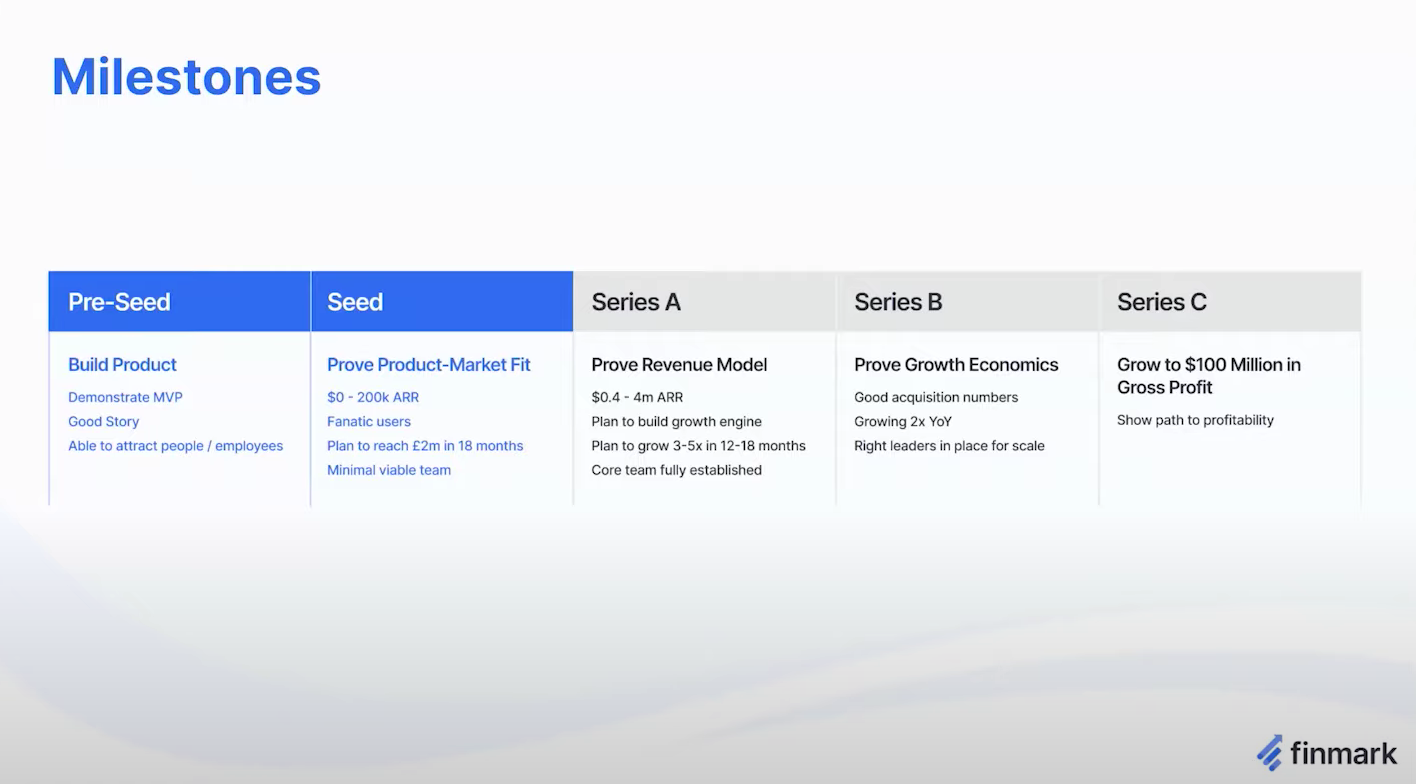
The image above distills how expectations evolve from scrappy early signals to solid revenue engines as you scale, so your chosen metrics should map precisely to the round you’re targeting—not what you hope to be someday.
Customer validation vs. revenue
Hard numbers move the needle, but not all traction is measured in dollars. For investors, customer validation means watching real users solve real problems with your product. Maybe you’ve enrolled beta users who are giving qualitative feedback, or you’ve landed an in-house pilot with a marquee client. Letters of intent, testimonials, or a pipeline of customers waiting for your launch—these all count.
In early conversations, describe how these users made an active decision to choose you—and why. As you progress toward later rounds, the balance tilts: VCs want to see “show, don’t tell,” and that means repeat revenue, expansion within existing accounts, and a sales pipeline that isn’t just a PowerPoint dream. Investors will look for patterns: are your users scaling their spend, or does your product get tossed aside after a trial period?
Clarifying what traction means at every step sets you up to create a focused story—one that naturally leads to how you communicate your journey and vision in front of investors.
The Art of Storytelling and Pitching
Crafting your narrative for different investor types
Every investor arrives at the table with personal filters—prior wins, scar tissue from portfolio misses, or a blind spot shaped by their sector experience. Before you build your pitch, spend real time mapping your audience. Angels might care most about you and your mission. Micro-VCs may dig into product adoption and nimble pivots, while institutional funds hunt for market size and scalable business engines. A single story won’t land with all of them. Tailor how you frame your problem, opportunity, and solution to echo what matters to the specific investor across the table. Instead of overwhelming them with a data tsunami, carry them through your big, non-obvious insight—why now, why you, and why this thing couldn’t have worked five years ago.
Pitching beyond the deck: insight and authenticity
Memorable pitches rarely win on polish alone. Slides might open the door, but it’s your insight—the hard-won understanding only founders possess—that makes backers lean in. Share the customer email that changed your roadmap, the month you nearly ran out of money, or the competitor that taught you humility. Investors aren’t looking for a TED talk; they’re searching for a founder who lives their market, learns from tough moments, and doesn’t pretend to have it all figured out. Authenticity doesn’t mean oversharing every problem, but it does mean answering “what keeps you up at night?” with something real. When investors believe you’ll find a way—whatever curveball comes next—they’re far more likely to bet on your vision.
Getting your pitch and story right sets the tone for everything that follows—including those relationships you’ll be building with investors, both in tense negotiations and casual follow-ups. The next phase isn’t just about telling your story, but listening closely to theirs.
Navigating Investor Relationships: Before, During, After
Do your homework on the investor, not just the fund
Every investor brings their own approach, even within the same firm. Before you reach out, dig into their portfolio: who did they back recently? Are they active or just figureheads on cap tables? Scan their social profiles for patterns—what do they amplify, criticize, or sidestep? Founders often undervalue this insight, jumping to pitch a “brand name” fund while skipping the individual fit. The partner leading your deal can steer your destiny far more than the logo on their LinkedIn.
Startups aren’t built in a vacuum, and alignment matters. Choose investors whose interests genuinely sync with your market or stage. Meet founders they’ve previously backed—ask bluntly about their style during good times and bad. The right investor will challenge you, sure, but you’ll want that voice to be honest and fair, not combative or checked out.
Taking investor feedback—what to keep, what to drop
Tough feedback comes with the territory. Not all of it is useful. Spotting the difference requires pattern recognition. If multiple seasoned investors share similar notes, there’s likely signal in the noise. But if a solo voice is out of step, you’re not obligated to change course for their approval.
Decide whose feedback gets weight by their expertise and track record with companies at your stage, not their willingness to talk the loudest. Write down every pointed critique so you can spot themes by your tenth meeting. Ditch feedback that feels like a distraction or hinges on personal taste rather than business substance. Remember, sticking to your vision isn’t the same as ignoring advice—you’re filtering for what accelerates, not muddles, your path to the next round.
With the right relationships and filter for advice, fundraising becomes more than a transactional cycle—investors become sounding boards as you refine your strategy at every stage. Speaking of refining, the next stage of fundraising success depends on the story you tell and how you tell it.
Thank you for reading EasyVC’s blog!Are you looking for investors for your startup?Try EasyVC for free and automate your investor outreach through portolio founders!
Every successful round starts with a founder willing to question assumptions and learn, not just pitch. If these lessons sparked an idea—or highlighted a blind spot—it’s time to turn insights into action. Start reshaping your fundraising strategy today; the path to your next “yes” is closer than you think.
Before you launch your next outreach, ground your plan with realistic goals and benchmarks. In the next section, we’ll get into practical ways to size your valuation and set targets that stand up to both scrutiny and optimism.
[CTA-HOOK]How to Set Realistic Valuations and Targets
The balance between optimism and credibility
Most founders walk a tightrope when it comes to setting their company’s valuation. Go too high and you risk losing serious investors who will question your judgment. Set it too low and you lose leverage, dilution bites harder, and you might send an unintended signal of lack of ambition.
Start by grounding your numbers in facts: look at comparable companies, recent deals in your space, and the actual traction you’ve achieved. If your only revenue is pilot money or a dozen beta users, resist the urge to let “potential” drive up your price. Investors respect ambition, but they back founders who acknowledge the current stage of the business with clarity. Use a range, not a single number, and explain what you’ll achieve at each milestone. This way, you’re inviting engagement—not just a yes or no. For a deeper understanding, check out our startup valuation explained guide.
Negotiation techniques for early-stage founders
Negotiating your valuation isn’t about confrontation; it’s about clarity. Prepare for investor pushback and understand the difference between hard negotiation tactics and collaborative deal-making. Have a minimum threshold in mind—the point below which you’ll have to walk away—and rehearse saying “no” to offers that don’t respect your company’s progress.
Ask open-ended questions to understand what’s driving the investor’s valuation perspective. Are they hung up on lack of revenue? Team experience? Tech risk? Address the root concerns rather than simply defending your number. Sometimes, framing things as, “If we deliver X within the next six months, would you reconsider the terms?” keeps conversations moving instead of stalling out.
As you fine-tune your valuation and targets, keep in mind that the right number makes every subsequent conversation simpler—internally and with future investors. Next, let’s talk about how timing and network effects can supercharge your efforts and push your round over the finish line.
Building Momentum: Timing, Seasonality, and Network Effects
When not to fundraise: reading signals in the market
Not every window is right for raising a round. The rhythm of the venture market pulses with patterns—booms, busts, and lulls in between. Hasty founders chase dollars when everyone else is fundraising, only to find investor attention diluted. The better play? Watch for signals: if late-stage deals are freezing or seed firms are holding back, it’s a yellow light. Market sentiment shifts fast, and the best raises happen when you can command focus, not when you’re lost in the noise.
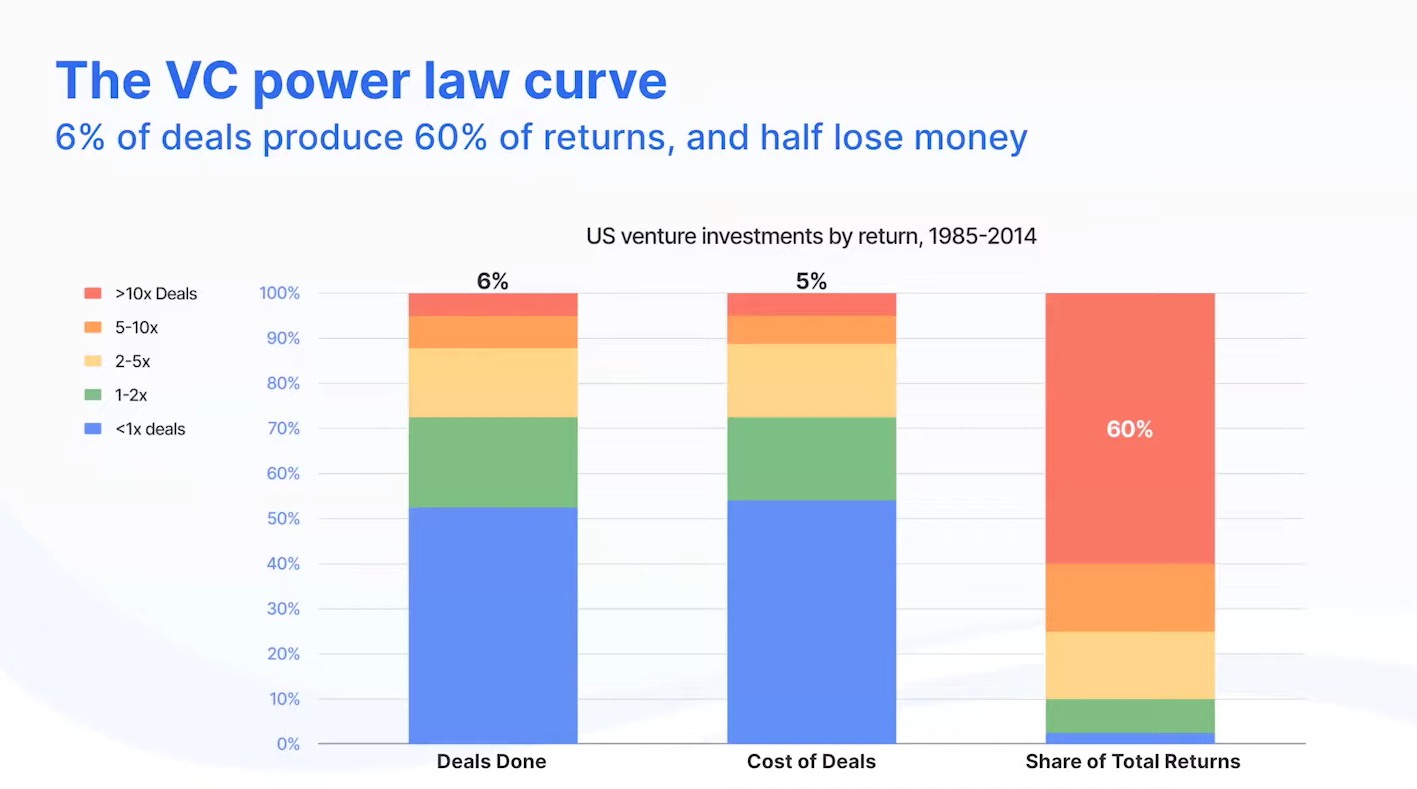
The VC power law curve is a good reminder—just a handful of companies capture most of the capital. If market leaders are going quiet or investors fixate on follow-ons, take a beat. Sometimes, patience is your competitive advantage.
How warm intros multiply your odds
It’s tempting to blanket investors with cold emails, but connections move the needle. Warm introductions trigger curiosity and put your deck at the top of the list, whether through other founders, existing angels, or portfolio company intros. Each warm intro acts as a credential stamp—it’s validation before you’ve spoken a word.
Leverage every touchpoint: user interviewees, former colleagues, or even investors who’ve passed but liked your hustle. Momentum grows with each layer of network density. As the right introductions stack up, you don’t just win meetings—you create a sense of inevitability around your raise.
With your timing dialed in and warm intros opening doors, you’re set to transform curiosity into commitment. But getting the most from your new partners is just as important as winning their checks—here’s how to make it happen.
After the Raise: Making Investors True Partners
Setting expectations and reporting rhythms
The fundraising wires have landed—now begins the work that separates mere backers from real partners. Your investors want insight, not surprise. Set a clear cadence for updates, ideally monthly or at least quarterly, and let them know exactly what data you’ll provide. Share not just your wins, but also early signals of setbacks and key decisions on the horizon. When founders are candid and timely, investors feel like insiders, not just spectators. If you default to sunshine-and-rainbows, expect shallow support when you truly need help.
Offer numbers in context: share revenue progress, burn rate, key hires, pipeline changes, and customer stories. Attach a short narrative that explains why some things worked and others didn’t—don’t just drop in a spreadsheet. This honest rhythm builds trust and keeps investors ready to step up when called.
Turning investors into champions for your next round
Once they’re informed, give investors actionable ways to help you. Instead of generic asks, send targeted intros requests—”Could you connect us to a product lead at X?” or “Do you know any seed-stage fintech angels in Berlin?” Spotlight metrics you want them to showcase, so when they talk in their networks, they repeat your wins and goals accurately.
Bring investors into the story before you hit new milestones. Share early drafts of key announcements or product launches to get feedback and ownership. When investors feel personally invested, they’re more likely to advocate for you at partner meetings and on social feeds.
Building a true partnership with investors is a long game, not a post-funding afterthought. But founders who treat investors as trusted collaborators—rather than just names on a cap table—often find more doors opening when the next sprint for capital begins.
As you think about nurturing these new alliances, it’s also worth considering how to approach the trickier aspects of growth—like making sure your targets and valuations remain grounded, even as optimism runs high.