
Direct to Consumer Investors: Who They Are, What They Seek, and How to Connect


Over the past decade, the direct to consumer (DTC) business model has changed how we shop—and how investors look for opportunities. Brands like Warby Parker and Glossier made it clear that selling directly to customers is no longer just an experiment, but a powerful way to build meaningful businesses. Investors have noticed: in 2022 alone, global investment in DTC brands reached $7 billion. But who are these direct to consumer investors, and what makes them so interested in this space?
With everything from food and fashion to fintech and fitness being transformed by DTC models, it’s no surprise that a new generation of investors has emerged with a keen eye for brands cutting out the middleman. If you’re an entrepreneur or founder, understanding who these investors are—and what they look for—can make all the difference. In this article, we’ll dive into the world of direct to consumer investors, explore what they seek in a potential investment, and share practical tips to help you build connections that could shape your brand’s future.
Understanding Direct to Consumer Investing
What Makes a Business ‘Direct to Consumer’?
Direct to consumer (DTC) businesses skip traditional retail middlemen and sell products straight to buyers. This could mean shipping organic groceries from the farm to your doorstep, or launching a skincare brand that exists only online. A DTC label isn’t just about avoiding brick-and-mortar stores — it’s about ownership. Brands set their own prices, control their marketing message, and gather data directly from customers. Success stories often start with a crisp Instagram ad or a viral TikTok review, and scale fast when founders learn exactly what their buyers love (or hate) about the experience.
Why Investors Back DTC Brands
Investors have flocked to DTC startups for good reason. Cutting out distributors boosts margins, but that’s just part of the appeal. DTC brands collect a goldmine of first-party data, letting them refine new products or tailor marketing on the fly. This level of intimacy translates into loyal customers—and the kind of recurring revenue that makes spreadsheets sing. Plus, the market’s appetite for new, socially savvy brands seems endless. Investors in this space aren’t just looking for sales numbers; they’re betting on brand storytelling, digital prowess, and the ability to stand out in crowded feeds.
With this foundation in mind, let’s explore the different types of investors who are hunting for the next breakout DTC brand—and what makes each group unique.
Types of Direct to Consumer Investors
Venture Capital Firms Specializing in DTC
These VC outfits concentrate their firepower on startups selling directly to their customers. They come with deep sector knowledge, access to brand-building expertise, and a network of partners that can propel a promising DTC label onto a national or global stage. When one of these funds backs a brand, they often bring both capital and tactical resources—covering everything from supply chain optimization to influencer marketing strategy.
Angel Investors With DTC Expertise
Not every early investor writes six-figure checks. Many angels in the DTC world are battle-tested founders themselves or e-commerce operators willing to mentor new entrepreneurs. Their value doesn’t always show up on a balance sheet: some open doors to supplier relationships, provide war stories from scaling their own shops, or help a founder avoid the costly stumbles that come with growth. Angels often invest before larger funds notice a company.
Retail Platforms and Equity Crowdfunding
An increasingly popular avenue, especially for consumer-facing brands, is to open the door for individual retail investors. Equity crowdfunding platforms let regular fans and customers buy a stake—often resulting in a customer community that also champions the brand. Some DTC brands have raised significant sums this way, mixing customer loyalty with early financial support.

As you explore how these investor types operate, it’s just as important to understand what draws them toward certain brands—and what criteria they use when evaluating DTC opportunities. Let’s dive into what truly shapes their investment decisions.
Key Factors Direct to Consumer Investors Look For
Proven Product-Market Fit
Before opening their checkbooks, most direct to consumer (DTC) investors want more than just an idea—they look for real demand, measurable traction, and customers who come back for more. They’ll dig into customer retention numbers, look for compelling testimonials, and check for repeat purchase rates that signal loyalty. Simply moving units isn’t enough; what matters is evidence of healthy demand and validation from a target audience, backed by meaningful data instead of vanity metrics.
Scalable Customer Acquisition Channels
DTC investors often have a sharp eye for brands that have cracked the code on predictable and efficient customer acquisition. Whether it’s through paid advertising, SEO, partnerships, or influencer collaborations, they want a clear map of how each new dollar turns into real, lasting customers. Expect them to ask about customer acquisition cost (CAC), lifetime value (LTV), and how these metrics improve over time. Investors prefer models that can scale without seeing marketing costs spiral out of control.
Strong Brand Identity and Community
Direct to consumer isn’t just about selling a product—it’s about building a following. The best investors gravitate toward companies with a distinctive brand, clear values, and a story that resonates. They want to see engaged communities, active social media followers, and organic word-of-mouth growth. The strength of your tribe, from customer ambassadors to repeat buyers, can set you apart in a crowded market.
Technology and Data Capabilities
Modern DTC businesses depend on robust, flexible technology—from e-commerce platforms to advanced analytics. Investors scrutinize how well you leverage data, whether for personalized marketing, inventory forecasting, or optimizing the customer experience. Automation, seamless onboarding, and secure payment infrastructure aren’t just bonuses—they’re expected. Focusing on compliance and operational efficiency can reassure investors you’re thinking long-term.
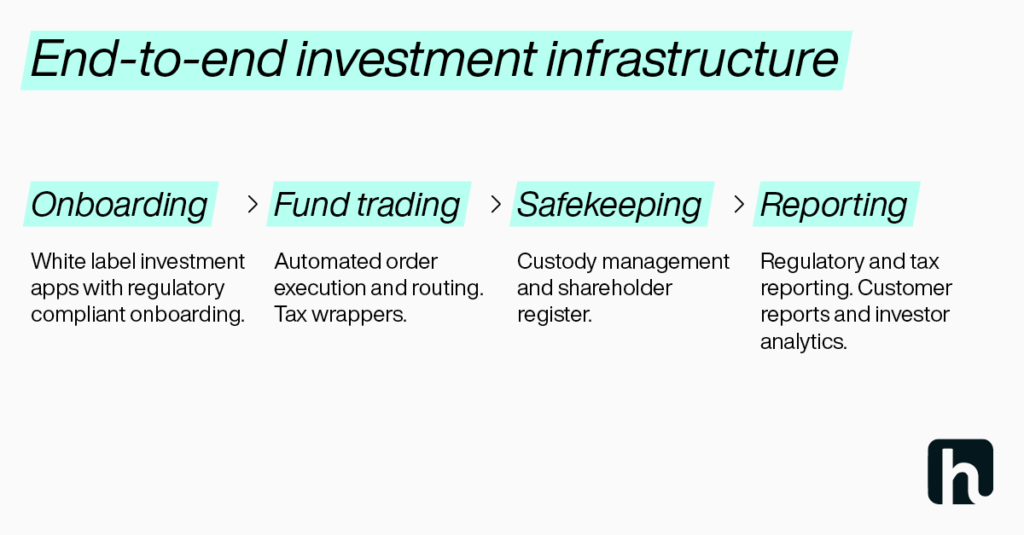
Understanding what truly matters to DTC investors is just the start—adapting these factors to shifting industry trends will give your business an edge as new opportunities and challenges emerge.
Current Investment Trends in DTC
Personalization and Customer Experience
Direct to consumer brands aren’t just selling products—they’re putting the buyer at the center of the experience. Investors increasingly gravitate toward companies that use data from every touchpoint, from first ad to post-purchase support, to build individualized journeys. Custom recommendations, dynamic ecommerce, and even interactive try-ons are proving stickier than traditional storefronts, making these startups attractive bets.
Sustainability and Social Impact
The era of one-size-fits-all, mass production is fading. Savvy investors know that conscious consumers demand transparency and brands with a purpose. Companies using recycled materials, offering take-back programs, or going carbon neutral are seeing faster funding rounds. Investors search for DTC startups that can communicate real, measurable environmental or social outcomes, not just marketing promises. Environmental venture capital plays a growing role in fueling these innovations.
International Expansion Strategies
DTC businesses are no longer content with their domestic markets. Investors now favor brands with a clear path to global reach, whether that means expanding fulfillment across continents, localizing digital experiences, or navigating complex international logistics. The best-funded DTCs think globally from day one—tailoring products, messaging, and shipping to capture customers wherever they are.
Understanding what drives capital toward the most promising DTC brands is only the beginning. To seize that attention, it helps to know exactly who the major players are in this dynamic market—and how they’re making their investment decisions.
Top Direct to Consumer Investors and Funds in 2024
Notable Venture Firms
Several venture capital firms have carved out reputations as champions of direct to consumer brands. For 2024, Forerunner Ventures continues to shape the landscape with early bets on companies like Glossier and Warby Parker, prioritizing brands with disruptive distribution models and loyal communities. VMG Partners stands out for its operator-first approach, offering both capital and guidance to accelerate scale. Meanwhile, Kleiner Perkins and Sequoia Capital, while broader in focus, have doubled down on DTC startups combining product innovation with digital fluency.
Active Angel Networks
Beyond institutional funds, influential angels drive momentum for emerging DTC companies. Investor alliances such as Brand Project and The Twenty Minute VC Syndicate have specialized DTC experience, offering not just checks but networks, playbooks, and retail know-how. Founders seek out angels like Aileen Lee and Cheryl Cheng for their ability to spot early consumer trends and provide hands-on support from concept to scale.
Emerging Investment Platforms
New ways to connect DTC brands with capital are flourishing. SeedInvest and Wefunder top the list of equity crowdfunding platforms, making it possible for grassroots backers to support promising brands. These platforms not only give founders access to a broad pool of investors, but also help build loyal customer-backer communities from day one. Meanwhile, platforms like AngelList and Republic are democratizing opportunities for everyday investors to join the direct to consumer investment wave.
The investor landscape is evolving rapidly, opening new doors for DTC founders at every stage. Next, let’s explore the essential steps brands can take to attract these top investors and stand out in a sea of pitches.
How to Attract Direct to Consumer Investors
Building Investor-Ready DTC Metrics
Before approaching investors, make sure your numbers speak the language they understand. DTC investors don’t just want revenue; they want to see clear, repeatable growth. Demonstrate your cost per acquisition, lifetime value, retention rate, and cohort analysis. Use dashboards and clear visualizations to tell a precise story about unit economics and customer loyalty, not just topline sales.
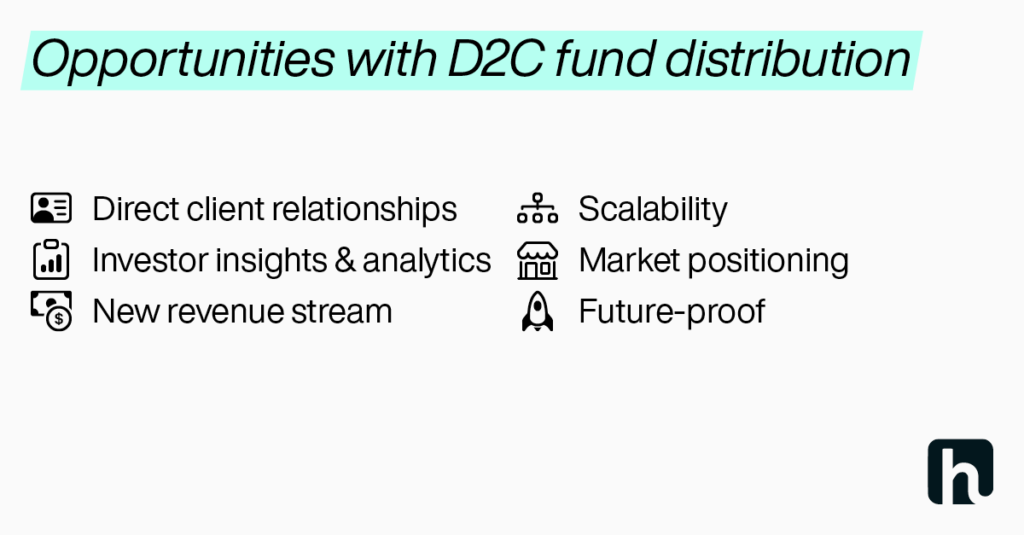
Highlight opportunities unique to your DTC model: direct relationships with customers, insights into buying habits, and nimble go-to-market strategies. Investors want to see data that reveals your ability to scale, adapt, and maintain market positioning as your customer base grows.
Crafting a Standout Pitch for DTC Investors
Forget pitch decks packed with buzzwords. A compelling pitch lives in the real results you’ve achieved and your clarity on what’s next. Share stories of customers who became advocates, feedback loops that shaped your product, and how your brand earns repeat business. Emphasize authentic brand engagement, not just paid clicks or fleeting attention.
Outline exactly how new investment will fuel growth. Whether it’s entering a new channel, launching a new product line, or doubling down on retention, show a precise use of funds tied to clear milestones. An investor backing DTC looks for founders who are both scrappy and strategic—show both sides in your narrative.
Best Ways to Make Contact
Shoot straight to the investors tuned in to DTC: Venture capitalists with e-commerce theses, specialized angel networks, or even founders-turned-investors who’ve walked the same path. Participate in DTC pitch events, join niche online communities, and connect with portfolio companies in your target investor’s stable for introductions.
Don’t rely on cold emails; mutual connections, industry meetups, and transparent referrals cut through the noise. When you do reach out, reference investor-relevant metrics you’ve achieved, and tie your ask to their specific investment focus. The quickest way to the right investor is a targeted, relevant introduction rooted in shared DTC understanding.
Reaching the right investors is just the first step. Next, we’ll explore the most common questions DTC founders face when building these relationships, so you can be fully prepared for what comes after the first introduction.
Frequently Asked Questions About Direct to Consumer Investors
Who qualifies as a direct to consumer (DTC) investor?
DTC investors are individuals or firms who directly fund brands that bypass traditional retail and deliver products straight to consumers, often leveraging online channels.
How do DTC investors differ from traditional retail investors?
DTC investors typically look for companies with a strong digital presence, sophisticated data capabilities, and a direct relationship with their customer base, rather than traditional brick-and-mortar distribution models.
What do DTC investors typically seek in a company?
They prioritize businesses showing clear traction—such as high retention rates, strong lifetime customer value, and innovative use of technology—paired with authentic branding and scalable growth models.
Are DTC investments riskier than other types of investments?
They can be, since DTC brands must constantly acquire customers and defend their market position without the advantage of established retail partnerships. However, the potential for rapid scaling and deep customer data attracts investors comfortable with calculated risks.
Which industries are attracting the most DTC investment today?
DTC investment is strong in categories like health and wellness, beauty, pet products, specialty foods, and sustainable goods, fueled by shifting consumer values and e-commerce growth.
Do DTC investors provide more than just capital?
Often, yes. Many bring sector expertise, customer acquisition strategies, and networks that can help brands build communities, sharpen digital strategies, and navigate scaling challenges.
How can startups get on a DTC investor’s radar?
Actively engage through pitch events, demos, or direct introductions. Publicly sharing growth milestones, media coverage, or social proof also makes brands more visible to DTC-focused investors.
Now that common questions are covered, let’s explore practical steps and best practices for attracting the right investment partners to your DTC brand’s story.