
Cloud Computing for VCs: Where Investment Opportunities Emerge


Cloud computing has completely changed how startups are built, scale, and attract investment. For venture capitalists, it’s become one of the most important engines of growth: in 2022, global spending on cloud services reached over $490 billion according to Gartner, and the cloud sector continues to generate some of the fastest-growing tech companies each year. Platforms like AWS, Azure, and Google Cloud have powered not just a wave of SaaS innovation, but new approaches to infrastructure, data, security, and artificial intelligence.
The result? A landscape of fresh investment opportunities, but also new challenges—competition has increased, benchmarks are shifting, and what worked for cloud investing even a few years ago often isn’t enough today. In this article, we’ll explore how cloud computing has shaped venture funding, what leading investors now look for in cloud startups, the trends reshaping the space, and practical steps for VCs aiming to spot the next breakout company. If you’re a VC—or just curious about where tech investment is headed—this guide will help you understand why cloud isn’t just another buzzword, but still one of the biggest frontiers in venture capital.
How Cloud Computing Changed the VC Landscape
Key inflection points and the SaaS explosion
The arrival of cloud computing turned startup economics upside down. Instead of huge upfront investments in hardware and infrastructure, founders could launch offerings faster and with far less capital. This accessibility led to the SaaS boom. Anyone with a compelling idea and engineering chops could deploy products globally in weeks, not years.
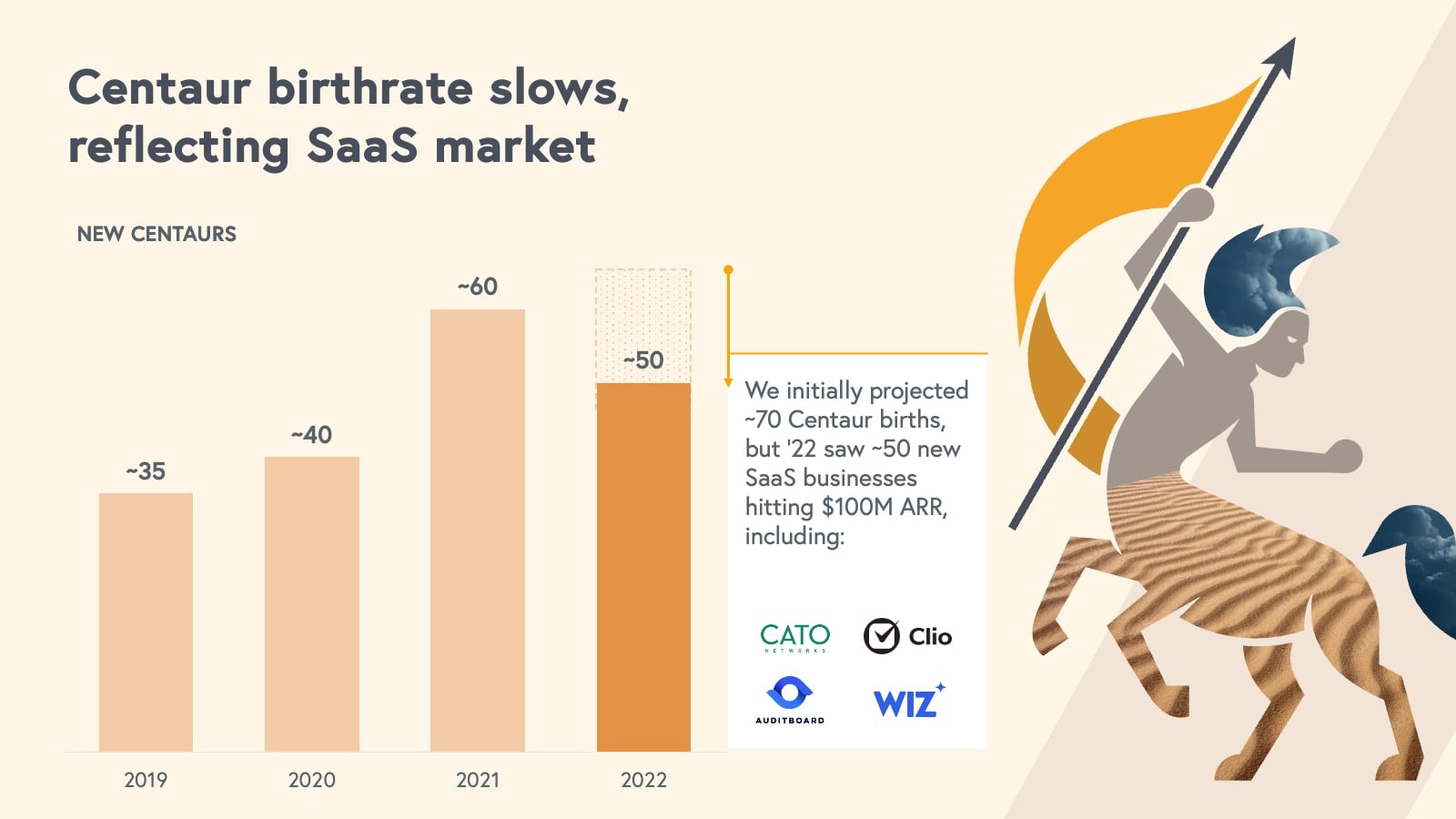
The image above illustrates how SaaS businesses surged, producing dozens of so-called centaurs—companies crossing $100 million annual recurring revenue. This rapid scaling created fertile ground for venture investments, as software companies outpaced their on-premise ancestors in both growth speed and market penetration. However, more recently, the breakneck pace has eased. The SaaS market, while maturing, still reflects the impact of cloud-native business models: hypergrowth followed by healthy, sustainable expansion.
Impact on startup funding models
Before cloud, startups often needed massive Series A rounds just to get started. Today, thanks to pay-as-you-go pricing and scalable infrastructure, entrepreneurs can demonstrate traction and product-market fit before raising significant capital. This shift has altered the pattern of VC funding. Investors now see more companies at an earlier stage, running on lower burn rates, with actual customer data in hand. As a result, early rounds have become more competitive and outcomes more data-driven than gut-driven.
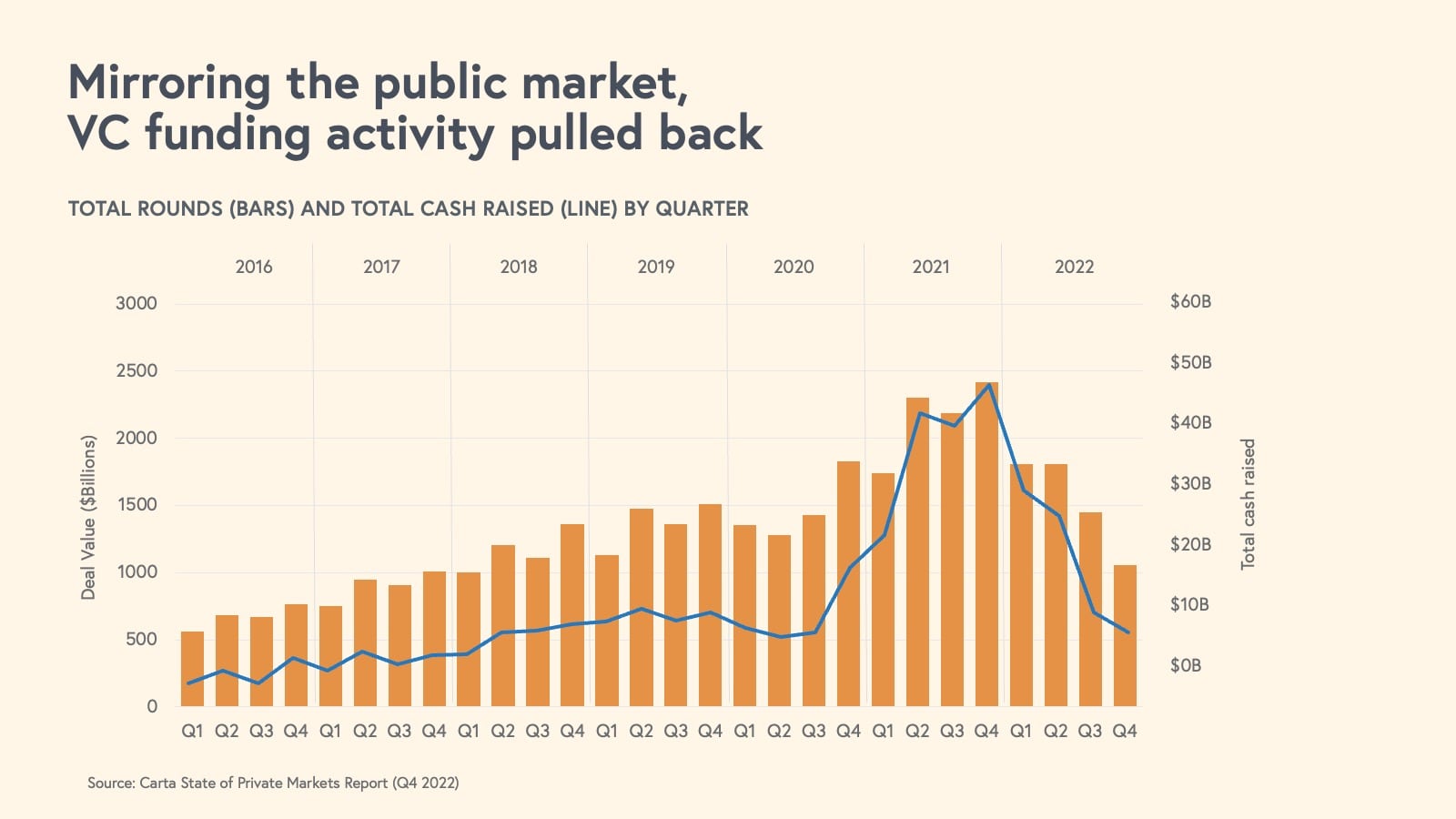
As depicted, funding cycles have started mirroring the broader public markets, with periods of intensity and contraction. Smaller rounds, more frequent check-ins, and rapid follow-on investments have all become hallmarks of this new era.
With this shift, investors have sharpened their focus on distinctive signals and quantifiable proof-points when evaluating cloud startups. Let’s examine what sets the most promising opportunities apart in the eyes of today’s venture partners.
Thank you for reading EasyVC’s blog!
Are you looking for investors for your startup?
Try EasyVC for free and automate your investor outreach through portolio founders!
What VCs Look for in Cloud Startups
Cloud-specific metrics: ARR, churn, retention
Savvy investors don’t just skim the topline revenue of a cloud startup—they dig straight into cohorts, net retention, and how efficiently growth is funded. The annual recurring revenue (ARR) run rate is table stakes; what really gets attention is how sticky the revenue is and whether customers expand their spending over time. Metrics like CAC payback period and net dollar retention signal how product usage deepens and how cost-efficient the company is at acquiring customers and keeping them happy.
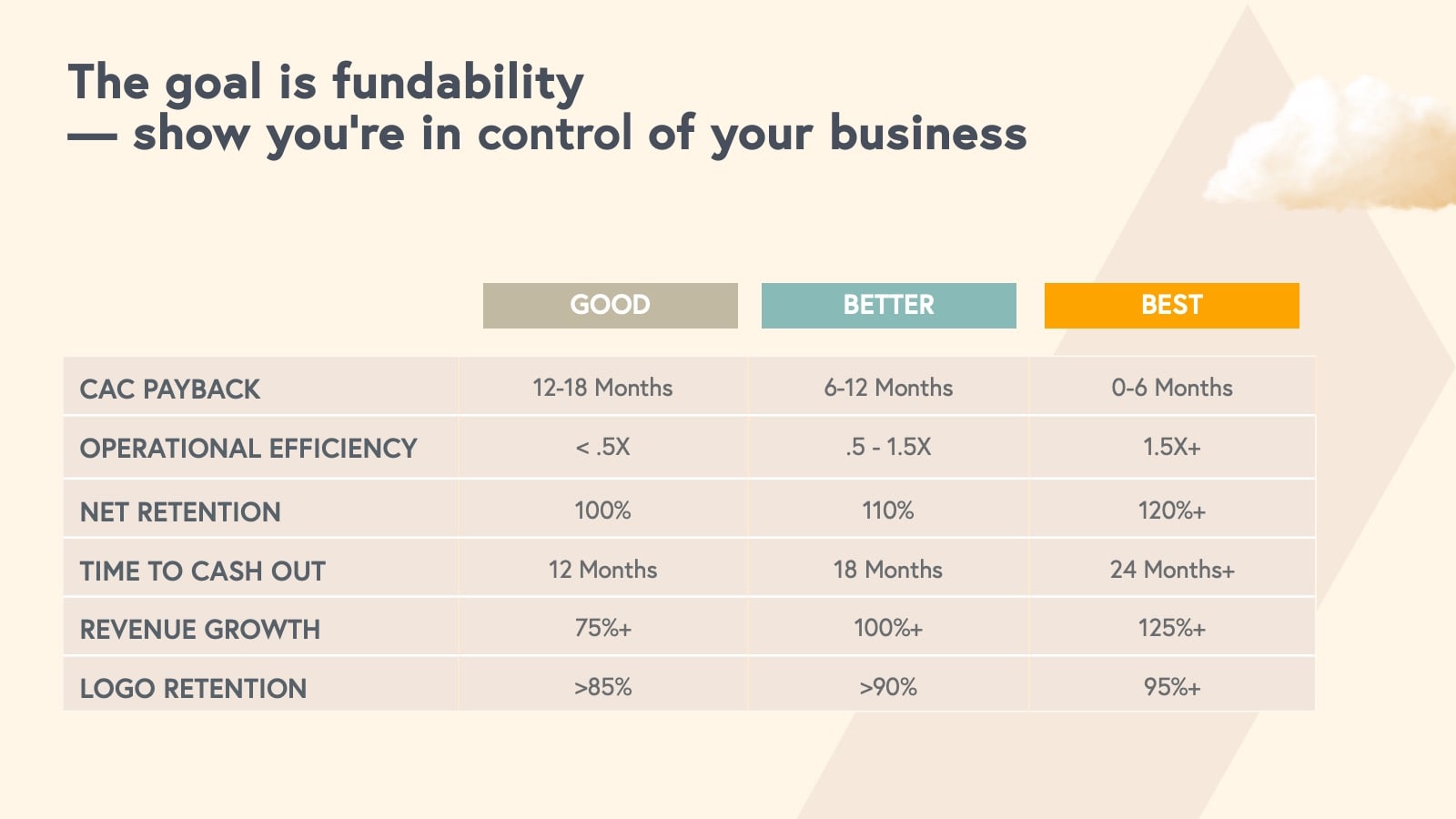
The best-performing cloud startups consistently land in the “Best” zones: quick CAC payback, consistently high expansion revenue, and minimal churn. If renewals and upsells happen without heavy sales touch, that’s even better. These benchmarks shape whether a startup gets serious consideration or a polite pass.
Signals of long-term defensibility in the cloud
No one wants a cloud commodity. Investors are on the hunt for startups with architecture or network effects that repel copycats. This could show up as infrastructure that grows more powerful with every user, deeply embedded APIs that customers can’t easily rip out, or proprietary data moats that improve outcomes over time.
Sticky integrations with critical business workflows—and features that customers can’t imagine living without—go a long way. VCs look for evidence that, even in a crowded market, switching away would inflict severe pain on the user. Add in hints of a unique distribution advantage or a developer ecosystem, and the defensibility story gets very real.
As the signals for enduring value get sharper, the way investment opportunities are spotted is evolving fast. Next, let’s explore how emerging themes are reshaping where investors focus their bets in the cloud arena.
Cloud Trends Reshaping Investing
AI-native cloud companies
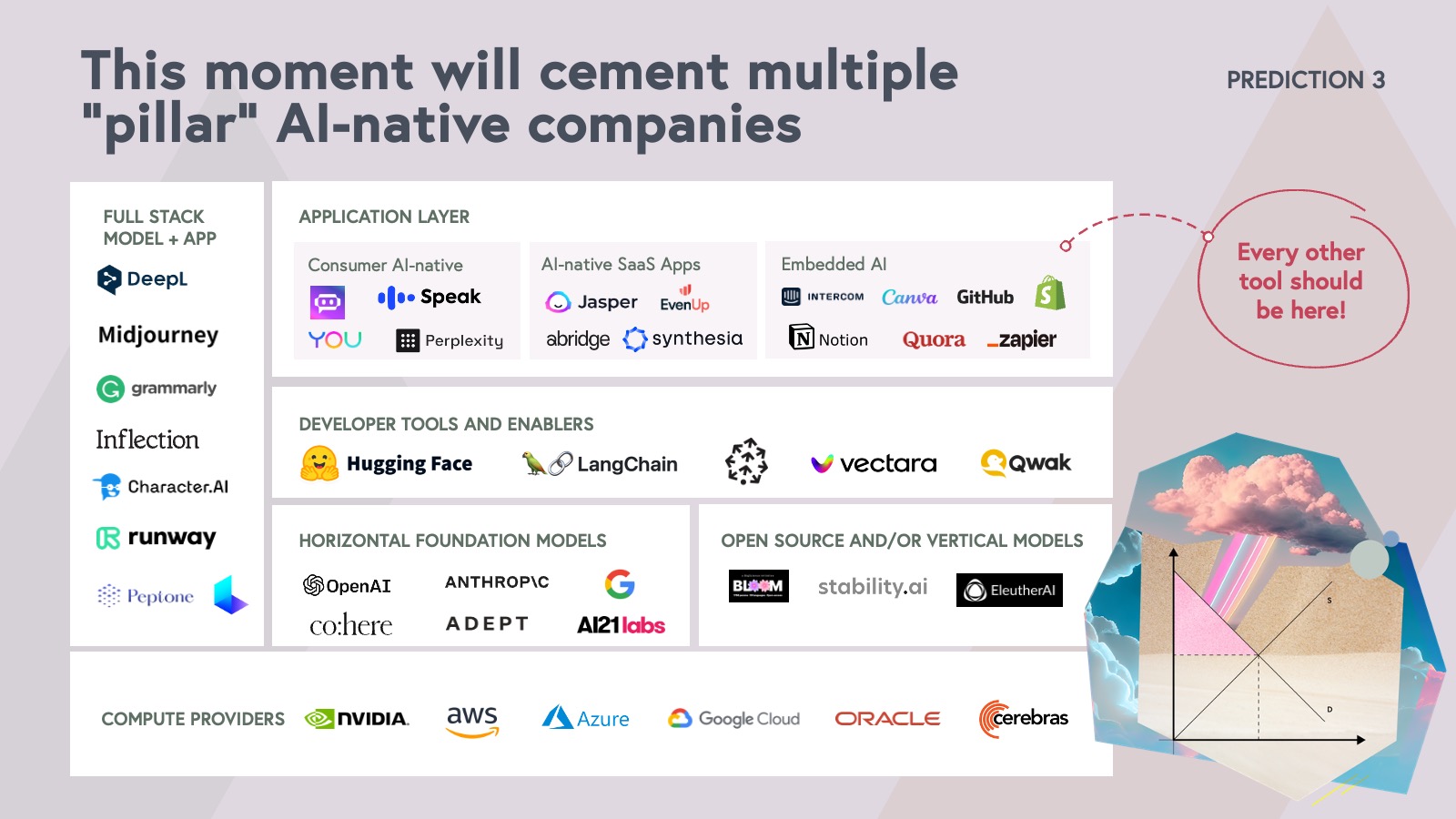
The new vanguard of the cloud isn’t just powered by artificial intelligence—it’s built entirely around it. AI-native cloud companies combine foundational models, automation infrastructure, and developer platforms to reshape how products are created, delivered, and personalized. Innovation cycles are measured in weeks, not quarters, producing breakout winners almost overnight. These startups seize on modern cloud primitives, leveraging GPU-hungry backends and proprietary models to create everything from rightsized copilots to next-generation analytics engines. As incumbents scramble to integrate AI, AI-native companies set the new baseline for what’s possible.
Security, management, and DevTools as hotspots
As organizations stitch together dozens of cloud services, pain points around complexity, visibility, and compliance multiply. Startups in security, management, and developer tooling have become essential, not optional. Solutions that fight SaaS sprawl, automate permissions, and help teams discover shadow IT earn budgets even in lean times. Meanwhile, developer productivity tools—from observability suites to next-gen CI/CD—have evolved into their own investment category, often with viral adoption paths. VCs follow the engineering bottlenecks: wherever hours are wasted, a fast-growing tool typically emerges.

Climate software and green cloud
Cloud’s energy appetite is sparking a parallel software wave focused on sustainability. Investors are increasingly interested in platforms that help enterprises track, reduce, and offset their carbon footprint. From grid analytics to EV fleet coordination and renewable energy marketplaces, “green cloud” includes both infrastructure players and vertical SaaS. Policy tailwinds and corporate mandates supercharge demand. Early leaders are carving out defensible territory by bridging climate science, regulatory reporting, and enterprise workflow integration—a rare combination in software.
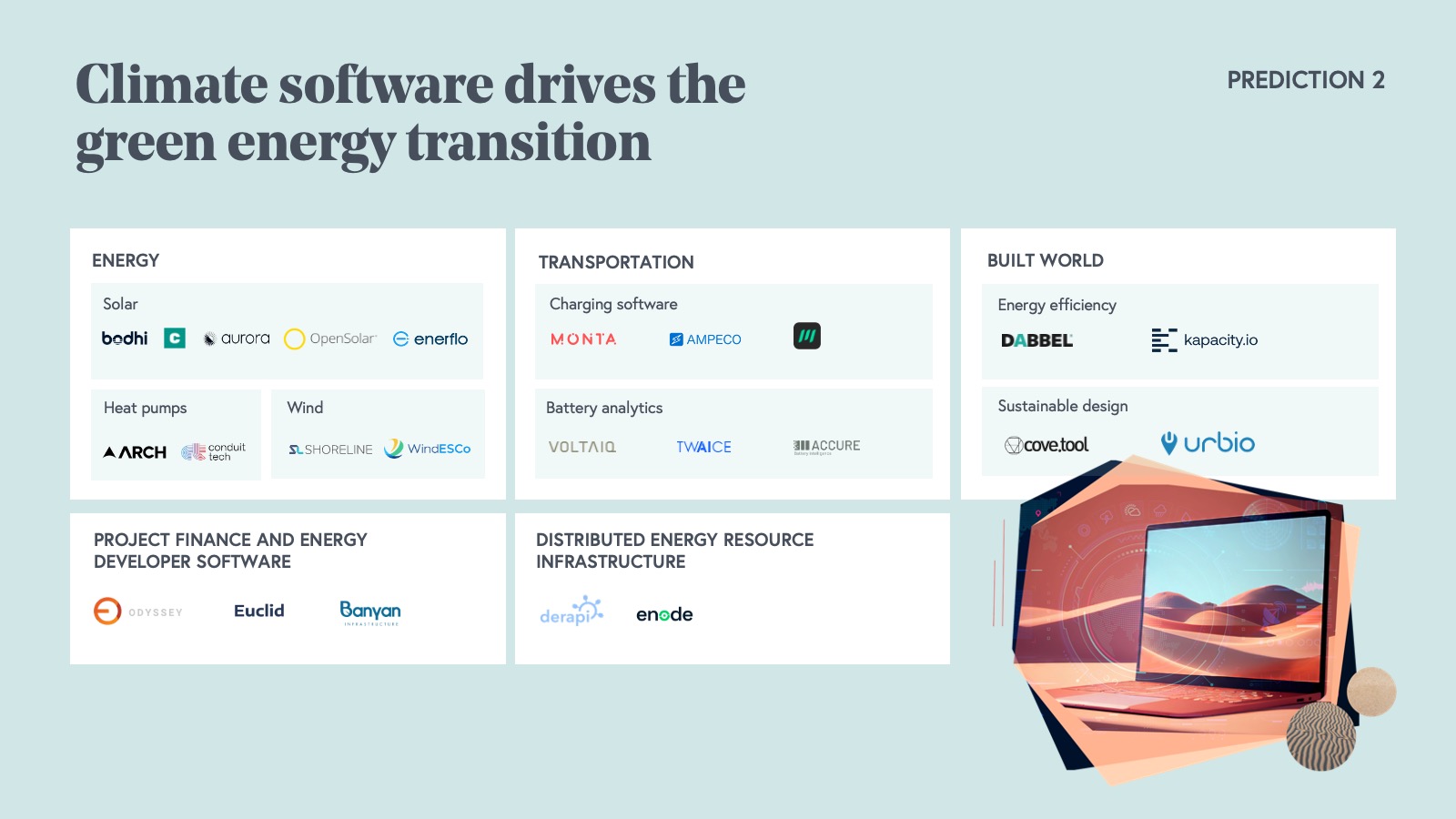
These rapid shifts mean venture capitalists must continually recalibrate how they evaluate and benchmark cloud startups. To better understand which companies weather market shocks and reach breakout scale, let’s examine some success stories and emerging patterns shaping the new era of cloud investing.
Benchmarking Success: Cloud Company Examples and Outcomes
Success stories and exit data
Cloud computing has created a wave of success stories that reshaped tech investing. Consider companies like Snowflake, which reached a historic IPO valuation by solving major data warehousing pain points and leveraging the sheer scalability of public cloud. Shopify emerged as a commerce infrastructure giant, nimbly adapting its model to cloud-driven trends in online retail. Even after public listings, both companies have maintained momentum thanks to subscription-driven revenues and rapid customer growth.
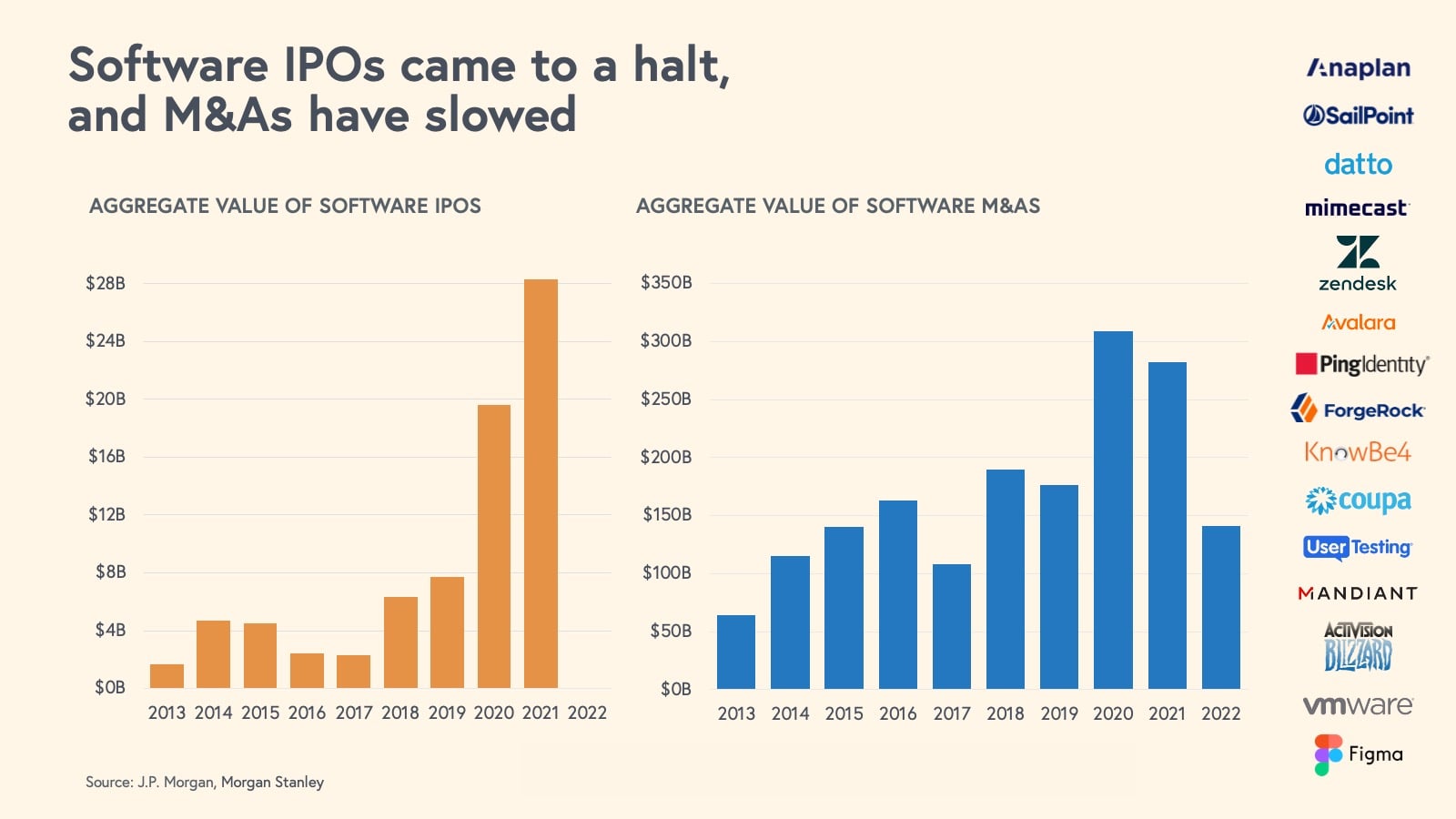
The reality, however, is that the cloud exit landscape ebbs and flows. The above chart tracks IPOs and acquisitions since 2013, highlighting surges during boom years and sharp declines during downturns—most notably after 2021. This underscores how exits are not evenly distributed, and why timing and category selection remain so critical for investors. For more on exit planning, see our startup exit strategy guide.
Lessons from leading cloud investors
Top-tier cloud VCs like Bessemer, Accel, and Sequoia have all refined unique frameworks for evaluating winners. They look beyond revenue numbers. Instead, they investigate gross retention, product-led growth signals, and founder-market fit early on. Learn more about product-market fit according to Sequoia.
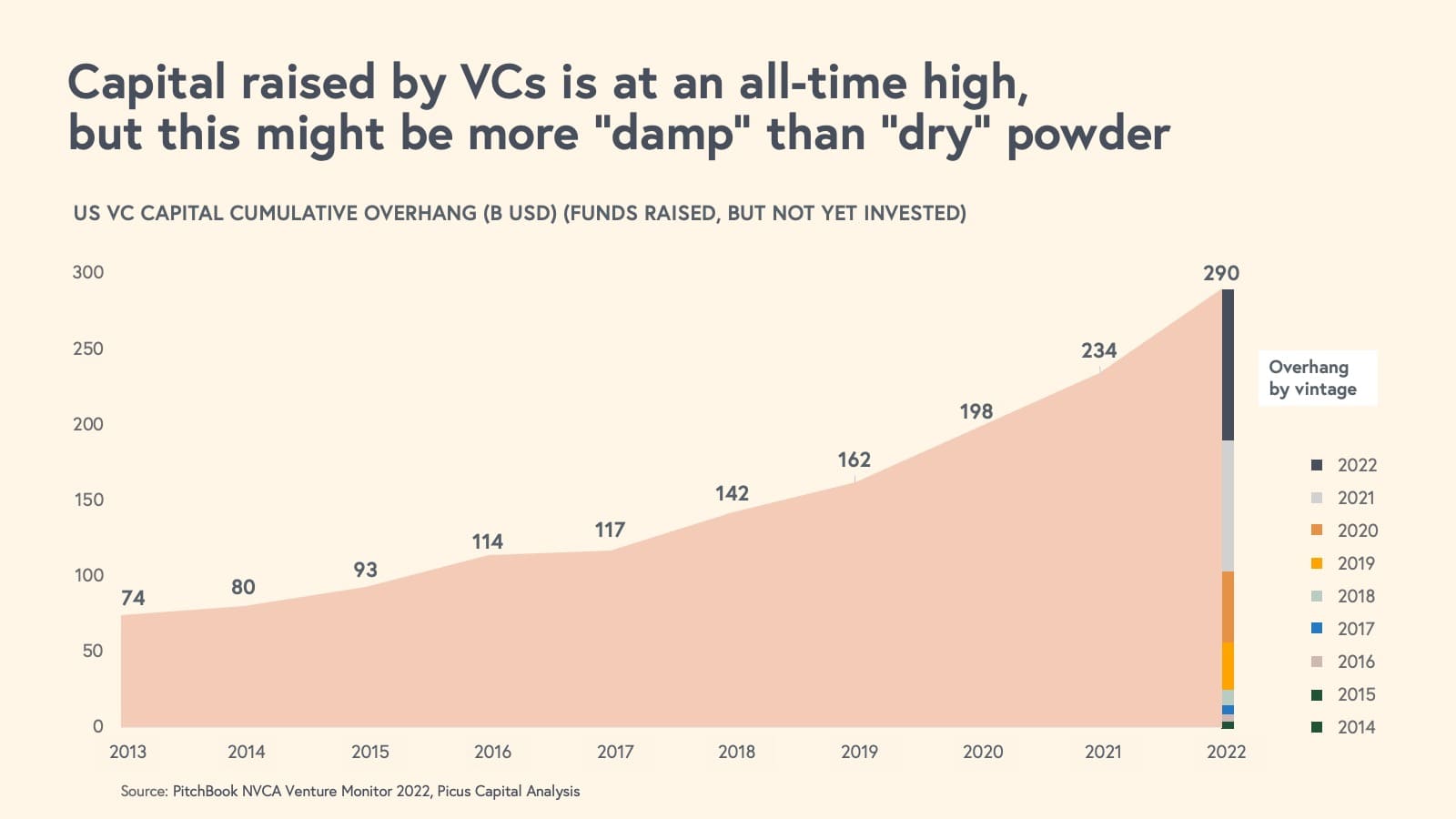
The current investment environment is awash in capital, as illustrated above. This amplifies competition but also elevates the bar for what it takes to stand out. Investors who consistently back winners share two traits: a willingness to place bets in frontier categories (such as security or AI-native cloud) and real discipline about exit readiness, continuously working with teams toward healthy growth metrics well before public markets reopen.
By dissecting real-world outcomes and absorbing these patterns, VCs can sharpen their instincts for spotting promising cloud startups. Up next, we’ll break down practical moves investors can take to edge ahead in this dynamic sector.
Practical Steps for VCs Entering Cloud Computing
Sourcing quality deal flow
Finding standout cloud startups means more than waiting for inbound pitches. Tap specialized accelerators and incubators that focus on SaaS, DevOps, and cloud-native ventures—think Y Combinator batches, Heavybit, or Alchemist. Join cloud-focused Slack groups or Discord channels where founders share early product demos and hiring notices. Monitor open-source repositories and developer forums on GitHub and Hacker News for trending cloud tools gaining traction. Building relationships with top engineering teams at major tech companies often leads to hearing about stealth departures and new spinouts before the wider market.
Evaluating technical talent and product moat
Cloud investing rewards those who can read beneath the surface. Look for technical founders with track records shipping at scale, particularly those who’ve built core infrastructure at recognized cloud leaders or contributed to widely-adopted open source projects. Deep-dive product demos with engineering teams, focusing on how the tech stacks up against commoditized alternatives and where their infrastructure delivers measurable speed, reliability, or security gains. Assess customer integrations—APIs that become deeply embedded in client workflows often create pain for switching away. Be wary of solutions with minimal technical differentiation or heavy reliance on generic cloud reselling.
Taking these steps sharpens your instincts for high-potential cloud opportunities. Next, we’ll explore resources to stay ahead in this fast-evolving space—ensuring your investment decisions are consistently informed and future-proof.
Resources for Venture Investors in Cloud
Cloud investment research and reports
Delving into cloud investing starts with trusted data. Each year, the Bessemer Cloud 100 and their State of the Cloud report lay out which companies, categories, and technologies shape the market—these are perennial must-reads. PitchBook and CB Insights publish granular cloud funding and valuation data, with visualizations of sector momentum, funding rounds, and enterprise adoption. Gartner’s Magic Quadrant and Forrester’s Wave remain indispensable for drilling into product-market leadership across SaaS verticals.
If you want to move beyond static reports, SaaStr’s annual survey of SaaS benchmarks, Tomasz Tunguz’s industry analytics, and Notion Capital’s cloud market maps offer quant-driven frameworks that can spark new perspectives on where cloud value accumulates.
Communities and events worth following
Nothing beats hearing it from the builders and backers themselves. SaaStr Annual and Bessemer’s Cloud Summit are crucibles for early signals on the next wave of cloud innovation—places where CEOs and VCs trade stories about what’s working (and what’s not). The Cloud Native Computing Foundation’s KubeCon is a launchpad for infrastructure tech, while Heavybit’s developer tools community surfaces the next open source and API-driven startups. Regular backchannel insight comes via newsletters like The Information and StrictlyVC, which spotlight the fast-shifting dynamics of cloud investment.
Plugging into these communities not only keeps you close to emerging trends but also helps build networks that often lead to the highest quality deal flow.
Armed with this knowledge and these connections, investors are better positioned to make smart bets, but capitalizing on cloud opportunities requires more than just research—it demands clear strategies on navigating deal flow, talent, and technical diligence. Let’s look at actionable steps to move from insight to investment.