
Building Your Ideal Investor Profile: A Practical Framework

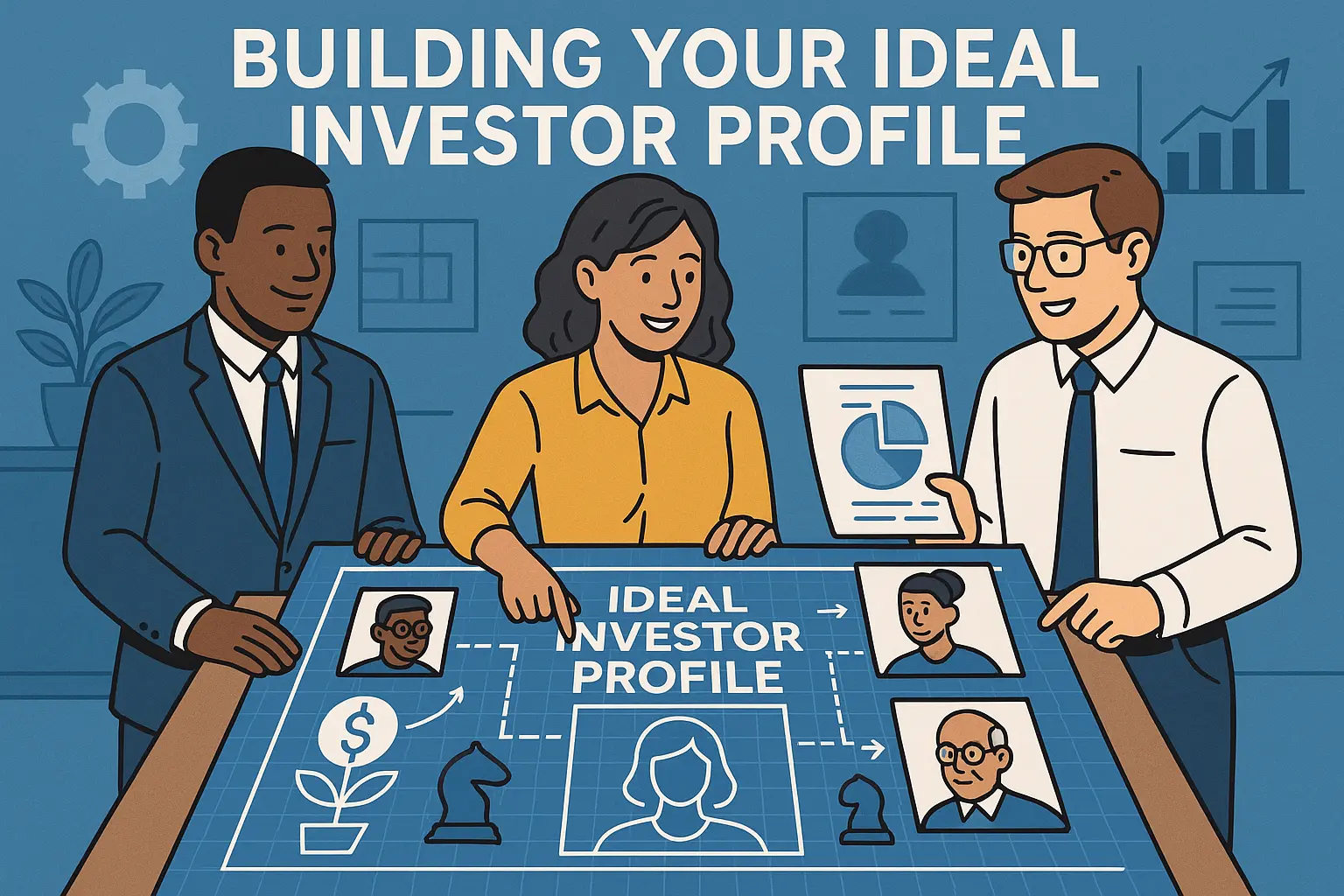
Finding the right investors isn’t just about getting money in the door—it’s about building long-term partnerships that can fuel real growth. Did you know that according to a study by CB Insights, nearly 20% of startup failures are linked to mismatched investors or issues with team dynamics? The relationship you form with your investors can shape the direction, culture, and outcomes of your company or fund.
That’s why building your ideal investor profile matters. Instead of reaching out to everyone, narrowing your focus to those who truly align with your vision, values, and goals can save you time and resources—and set you up for a healthier working relationship. In this article, we’ll break down simple, practical steps to create an investor profile that works for you, whether you’re a founder raising your first round or a fund manager seeking the right partners.
What is an Ideal Investor Profile?
An ideal investor profile is a comprehensive snapshot of the types of investors who are the best fit for your company or fund. It goes beyond simply listing who can provide capital; it defines who is most likely to align with your vision, support your growth, and add lasting value to your venture. Understanding this profile is a foundational step for founders and fund managers seeking strategic partnerships, not just financial backing.
Key Elements of an Investor Profile
To build an effective investor profile, it’s important to identify several critical components. These usually include:
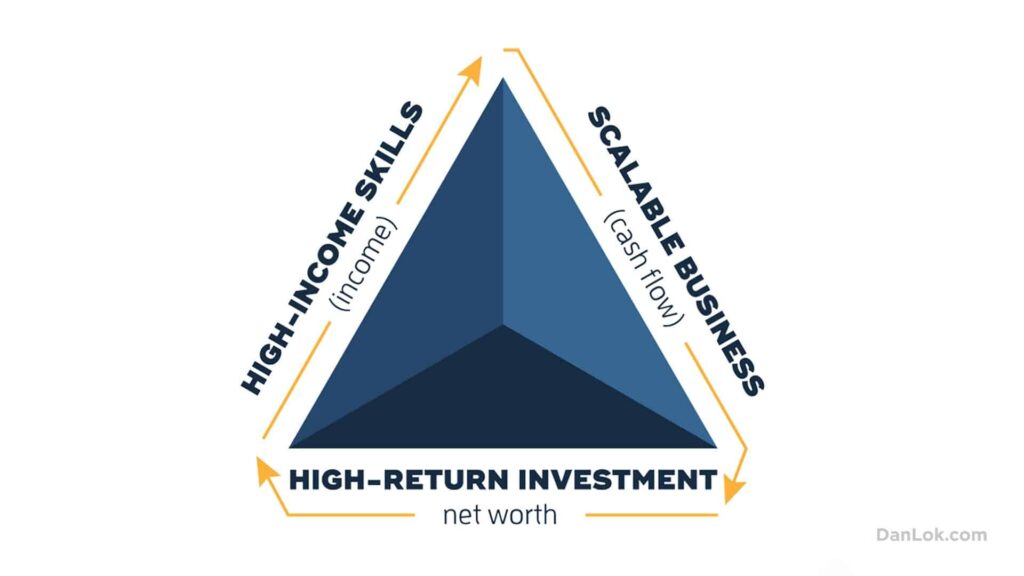
These elements combine to form a clear picture of your optimal investor, helping you filter and prioritize your fundraising targets.
Why Precision Matters for Startups and Funds
Getting specific about your investor profile saves significant time and effort, preventing wasted outreach and misaligned relationships. For startups, this means attracting champions who understand your sector and are motivated to support your mission. For funds, it sharpens your ability to court limited partners who believe in your approach and can actively contribute to portfolio success. Ultimately, precision boosts your chances of building long-term, mutually beneficial partnerships.
To craft a truly actionable investor profile, you need to clearly outline your own goals, stage, and investment criteria. Let’s take a closer look at how to define these essential parameters for your venture.
Defining Your Goals and Investment Criteria
Before you can identify your ideal investor, you must start by evaluating your own objectives and non-negotiables. Clearly defined investment criteria and goals are the foundation that informs which backers will be the best match for your startup or fund. This process ensures that you only pursue investors whose interests, capabilities, and philosophies align with your own, making for smoother partnerships and increasing your likelihood of long-term success.
Clarifying Growth Stage, Sector, and Geography
Begin by pinpointing the stage of development your business is in: are you at the seed, Series A, growth, or expansion phase? Each investor tends to specialize in certain stages, so knowing yours narrows your search. Additionally, specify the sectors and industries relevant to your business and identify any geographic focus or limitations—many investors will preference companies in specific regions for regulatory, logistical, or strategic reasons.
Setting Minimum Check Sizes and Commitment Levels
Equally important is defining the minimum and maximum investment amounts that make sense for your round and for your cap table. Determine what level of lead or follow-on commitment you are seeking. Clarifying these numbers in advance saves significant time, as not every investor’s ticket size will be compatible with your needs. Documenting ideal check sizes, expected involvement, and any non-negotiable investment terms will further refine your shortlist of candidates.
Articulating these criteria might take some introspection and research, but it is crucial for ensuring your outreach is both efficient and successful. Once you have a firm grasp of your goals and investment requirements, you can move confidently into evaluating and segmenting the investor landscape to discover who truly fits your profile.
Segmenting and Researching Potential Investors
Once you’ve defined your goals and investment criteria, the next step is to identify and segment the universe of potential investors who are the best fit for your venture. Effective segmentation ensures you’re investing your time and energy in building relationships that can truly drive your fundraising success.
Public Databases, Angel Networks, and Fund Directories
Start by building a structured list using resources like public databases (e.g., Crunchbase, PitchBook), angel investment networks, and specialized fund directories. These platforms allow you to filter investors by sector, stage, check size, and geography, streamlining your search and helping you spot relevant prospects quickly. Consider using a venture capital database to get comprehensive data and improve your research efficiency.
Don’t overlook regional accelerators, university-affiliated funds, or government programs that publish comprehensive rosters of investor participants. Many emerging investors are found in local initiatives or niche groups tailored to your industry, which can offer targeted opportunities for engagement.
Spotting Alignment: Values, Track Record, Influence
Beyond the basic filters, deep research is vital to ensure aligned interests. Examine each investor’s portfolio, check past deals, and dive into their public statements, social profiles, or published thought leadership. Look for evidence of core values, preferred investment theses, and demonstrated support for startups similar to yours.
Strong alignment isn’t just about sector or stage—it’s about philosophy, level of involvement, and access to networks that can accelerate your growth. Investors with a hands-on track record or sphere of influence in your niche can be particularly valuable partners.

With a clear understanding of how to segment and research your investor list, you’re now ready to shape these findings into detailed profiles—making it easier to personalize outreach and anticipate the best-fit partners for your next round.
Building the Ideal Investor Persona
Creating Detailed Investor Personas
Crafting a detailed investor persona can transform the way you approach your fundraising strategy. To start, imagine your ideal investor not as a vague concept, but as a complete profile. This means documenting their professional background, preferred investment sectors, capital range, typical check sizes, investment philosophy, and engagement level post-investment.
Go beyond basic demographics—think about their prior portfolio companies, conferences they attend, notable exits, and even their communication style. Are they hands-on or hands-off? Do they prefer regular updates, or are they strategic advisors who only step in for big decisions? Identifying these traits will help you filter prospects and avoid wasted pitches.
Red Flags and Green Flags to Watch For
When evaluating potential investors, it’s essential to look for indicators that signal whether someone aligns with your goals and values. Green flags might include a history of backing companies at your stage, relevant industry expertise, a strong network, and positive references from previous founders. These qualities suggest a collaborative and value-adding partnership.
Conversely, stay cautious of red flags: inconsistent investment patterns, poor reputation, or indications they might meddle excessively or lack conviction in your domain. Mismatched incentives and communication breakdowns are signs an investor could create friction rather than fuel growth.
Building nuanced investor personas empowers you to separate strong fits from potential headaches, saving you time and aligning your efforts with partners who truly support your mission. Next, let’s explore how to strategically leverage these personas for maximum impact as you engage in outreach and relationship-building.
Using Your Ideal Investor Profile Strategically
Targeted Fundraising Outreach
With a well-defined ideal investor profile, you can take a far more tailored approach when reaching out to potential backers. Instead of casting a wide net and hoping for a response, you can focus on connecting with investors whose interests, past investments, and values align directly with what your company offers. This means customizing your pitch to address exactly what matters to them—whether it’s their preferred sector, check size, growth stage, or even their portfolio’s gaps.
Targeted outreach also helps you maximize precious time and resources. By prioritizing investors most likely to say “yes,” you avoid the exhaustion and inefficiency of mass, untargeted communication. This focus often leads to higher-quality conversations, stronger introductions by mutual connections, and a greater chance of securing meetings that actually move the needle.
Refining and Updating Your Profile Over Time
An investor profile is dynamic, not static. As your business evolves—entering new markets, changing strategies, or discovering traction in unexpected areas—your definition of the “ideal investor” will naturally shift. Additionally, as you learn from your outreach efforts which investors are responding positively (and which aren’t), you gain real-time feedback to further refine your criteria.
Regularly revisiting and updating your profile ensures your fundraising approach remains agile and effective. This ongoing process lets you double down on what’s working and steer clear of unproductive patterns. Think of your investor profile as a living document that grows stronger and more precise with every funding cycle.
Now that you understand how to put your ideal investor profile to work, let’s explore actionable steps for identifying and connecting with specific prospects who match your criteria, making your investor search as intentional—and fruitful—as possible.